Listen to this article
To stay fit and active is a universal aspiration that transcends age and skill, especially among sports enthusiasts. Whether you are a seasoned athlete or just starting out, adopting effective fitness tips can drastically improve your exercise routine and enhance sports performance. By combining structured workouts with proper nutrition for athletes, you can energize your body and optimize your training results. Recovery techniques are equally fundamental, ensuring that you recover efficiently and maintain your motivation to push your limits. Ultimately, a commitment to a healthy lifestyle not only benefits your physical capabilities but also invigorates your passion for the sports you cherish.
Embracing an active lifestyle is essential for those passionate about sports and fitness. Engaging in regular physical activity not only boosts overall health and vitality, but it also provides the foundation for improved athletic performance. Implementing a well-rounded exercise regimen tailored to individual goals, coupled with a focus on nutrition and effective recovery strategies, ensures that athletes can maximize their potential. It is also vital to incorporate various training methodologies such as cross-training, which enhances fitness by diversifying your workout routine. Ultimately, staying active is about more than just exercise; it’s about a holistic approach that embraces enjoyment and fulfillment in every aspect of your fitness journey.
The Benefits of Staying Fit and Active
Staying fit and active yields numerous benefits for individuals, especially sports enthusiasts. One significant advantage is improved physical performance. When you engage regularly in various exercises and sports, your body adapts, leading to increased strength, stamina, and agility. This enhancement not only benefits performance on the field but also aids in preventing injuries, allowing athletes to enjoy their favorite activities without the risk of overexertion or strain.
Moreover, being fit positively impacts mental health. Physical activity is linked to reduced stress, anxiety, and depression. By maintaining an active lifestyle, athletes can improve their focus and concentration, essential for high-stakes competitions. Ultimately, the importance of staying fit and active can lead to a more fulfilled, balanced life, having a positive ripple effect in various aspects including social interactions and personal achievements.
Creating an Effective Exercise Routine
Establishing a well-structured exercise routine is essential for any sports enthusiast looking to enhance their fitness levels. Your routine should ideally start with an assessment of your current fitness level, identifying strengths and weaknesses. This self-awareness is the foundation upon which you can build a personalized exercise plan, focusing on cardiovascular workouts, flexibility exercises, and strength training. Each component plays a crucial role in developing overall athleticism and performance.
Setting realistic and measurable goals within your exercise routine can make a big difference. Whether aiming to increase your endurance, improve your sprinting speed, or achieve a specific skill set in your chosen sport, having clear objectives helps maintain motivation. Additionally, scheduling regular workouts can solidify these habits, ensuring consistency which is key to achieving long-term fitness goals.
Nutrition Fundamentals for Athletes
Proper nutrition is the cornerstone of maintaining peak fitness and ensuring sports enthusiasts have the energy and vitality needed for their activities. A balanced diet filled with lean proteins, whole grains, healthy fats, fruits, and vegetables provides the essential nutrients needed for optimal performance. Athletes must fuel their bodies adequately to support rigorous training and muscle recovery.
Hydration is another crucial aspect of nutrition that cannot be understated. Drinking enough fluids before, during, and after exercises ensures that your body functions optimally. Dehydration can lead to fatigue and decreased endurance, which can severely impact both training and competition outcomes. Focusing on pre and post-workout meals that are protein-rich contributes to better recovery and muscle maintenance, aiding overall sports performance.
Sport-Specific Training Regimens
To excel in any given sport, it is vital to engage in sport-specific training. By customizing workouts to meet the unique demands of a sport, athletes can enhance their performance significantly. For example, football players should prioritize agility drills and strength workouts that target their legs and core, while basketball players may focus more on plyometric exercises that build explosiveness and improve foot speed.
Incorporating exercises tailored to your sport provides a significant edge. For runners, combining interval training with strength workouts not only builds speed but also supports joint health. This targeted approach, when consistently practiced, leads to substantial improvements in athletic performance and contributes to overall fitness.
The Advantages of Cross-Training
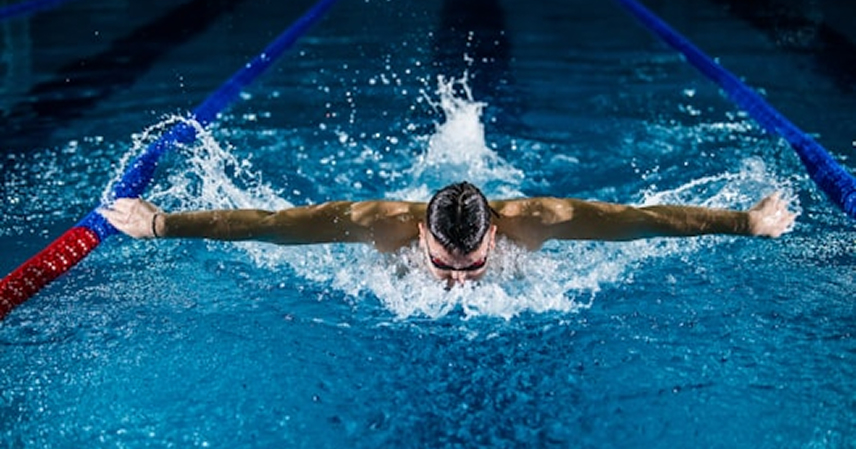
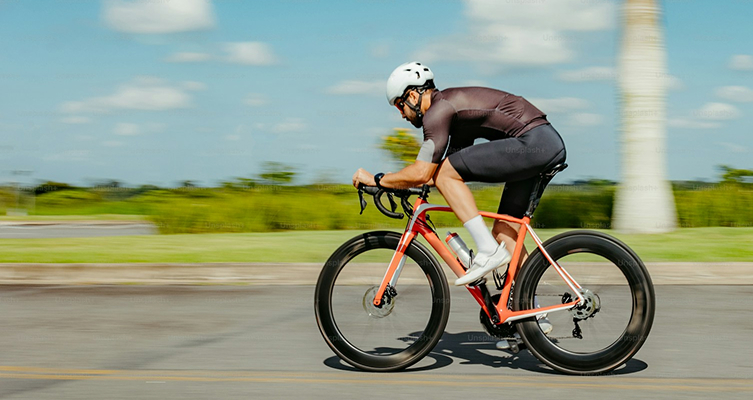
Cross-training is an effective strategy for athletes seeking to boost their overall fitness levels while also preventing burnout. Engaging in different sports or physical activities breaks the monotony, providing both mental stimulation and enhanced motivation. For example, swimmers can benefit from incorporating strength training into their routines, leading to better stroke efficiency, while cyclists can improve endurance and leg strength by adding running sessions to their schedule.
Incorporating a variety of activities not only enhances physical capabilities but also reduces the risk of overuse injuries. By diversifying workouts, athletes can allow specific muscle groups to rest while still maintaining an active lifestyle. This holistic approach promotes comprehensive fitness and keeps the training process enjoyable and engaging.
Importance of Recovery Techniques
Recovery techniques are vital for athletes who want to maximize their performance and sustain their fitness levels over time. Without adequate recovery, athletes may experience fatigue, increasing the risk of injury. Implementing a recovery plan that includes rest days and active recovery activities significantly contributes to muscle repair and overall resilience.
Furthermore, prioritizing quality sleep is crucial for recovery. Athletes should aim for 7 to 9 hours of uninterrupted sleep each night, as this is when the body performs most of its healing and repairing functions. Incorporating practices such as stretching and foam rolling after workouts can also facilitate recovery, maintaining flexibility and reducing muscle soreness.
Staying Motivated Throughout Your Fitness Journey
Maintaining motivation can be a challenge in any fitness journey, especially during periods of tough training or when progress seems slow. One effective strategy to stay motivated is to find a workout buddy. Exercising with a partner creates accountability, making workouts more enjoyable and pushing each participant to stay committed.
Setting new challenges can also invigorate your routine. Whether it’s signing up for a local race, trying a new sport, or establishing a fitness milestone, these new objectives can reignite your enthusiasm and commitment to your fitness goals. Keeping track of your progress using fitness apps or journals allows you to visualize improvements, acting as a powerful motivator to continue on your path.
Learning from Sports Experts
Learning from experts in the field can be immensely beneficial for sports enthusiasts eager to improve their skills and knowledge. Participating in workshops, seminars, or private training sessions can provide invaluable insights and techniques that can make a substantial difference in your performance. This specialized training usually focuses on form, strategy, and sport-specific intricacies that are hard to glean through self-study.
Additionally, expert guidance can help prevent injuries by ensuring athletes learn and execute proper techniques from the start. Understanding the mechanics of movement within a specific sport can promote greater efficiency and lower the risk of accidents, ultimately enabling athletes to train harder and compete smarter.
The Joy of Sports and Fitness
While achieving fitness goals and enhancing athletic performances are essential, it is equally important to enjoy the process of participating in sports. The joy derived from playing, competing, and improving is what keeps many athletes engaged and motivated over the long term. Emphasizing enjoyment can take the pressure off performance, allowing athletes to explore their passions without the looming burdens of expectations.
Participating in sports should be a fun experience. Focusing on the enjoyment aspect can lead to a fulfilling fitness journey. This perspective helps in easing stress, enhancing social connections, and cultivating a long-lasting love for physical activity, which can ultimately lead to greater success and happiness in both sports and life.
Frequently Asked Questions
What are effective fitness tips for sports enthusiasts to stay fit and active?
To stay fit and active, sports enthusiasts should follow effective fitness tips such as establishing a workout routine that includes cardiovascular, strength, and flexibility exercises, setting realistic performance goals, and incorporating recovery techniques like rest days and proper hydration.
How can I establish a workout routine to stay fit and active?
To establish a workout routine that helps you stay fit and active, assess your current fitness level, set achievable goals, include a variety of exercises suited to your sport, and schedule consistent workout sessions to promote long-term adherence.
What role does nutrition play in staying fit and active for athletes?
Nutrition plays a crucial role in staying fit and active by providing the necessary fuel for exercise, supporting energy levels, and enhancing sports performance. A balanced diet rich in whole foods, hydration, and proper pre and post-workout meals are essential.
What are some essential recovery techniques for athletes to stay fit and active?
Essential recovery techniques for athletes include incorporating rest days to allow muscle repair, ensuring quality sleep for optimal recovery, and utilizing stretching and foam rolling to reduce muscle soreness and maintain flexibility.
Why is cross-training beneficial for staying fit and active in sports?
Cross-training is beneficial for staying fit and active as it enhances overall fitness, reduces injury risk, and prevents burnout by engaging different muscle groups and skills, ultimately improving performance in your main sport.
How can I stay motivated to maintain my fitness routine and stay active?
Staying motivated involves finding a workout buddy for accountability, setting new personal challenges, tracking progress in fitness apps or journals, and reminding yourself of the enjoyment in sports.
What are the best exercise routines to stay fit and active for specific sports?
The best exercise routines to stay fit and active include sport-specific training, such as agility drills and strength training for football, plyometrics for basketball, and interval runs for runners, tailored to enhance sport performance.
What nutritional strategies should athletes consider to improve sports performance while staying fit and active?
Athletes should adopt nutritional strategies such as maintaining a balanced diet rich in fruits, vegetables, lean proteins, and whole grains, staying hydrated, and timing pre and post-workout meals to support energy and recovery.
How important is sleep quality in relation to staying fit and active?
Sleep quality is vital for staying fit and active since it directly impacts recovery, mental clarity, and overall performance. Aim for 7-9 hours each night to maximize these benefits.
What are fun and engaging ways to enjoy sports while staying fit and active?
Fun ways to stay fit and active while playing sports include joining local teams, participating in community sports events, or trying new sports activities to keep the experience fresh and enjoyable.
| Key Point | Details |
|---|---|
| Importance of Staying Fit | Enhances performance, prevents injuries, boosts mental clarity and focus. |
| Establishing a Workout Routine | Assess fitness level, set realistic goals, incorporate diverse exercises, and maintain a schedule. |
| Nutrition | Balanced diet, hydration, and appropriate pre/post-workout meals are essential. |
| Sports-Specific Training | Tailor workouts to enhance skills specific to the sport you practice. |
| Cross-Training | Engaging in different sports to enhance overall fitness and keep things interesting. |
| Recovery | Incorporate rest days, quality sleep, and stretching techniques for effective recovery. |
| Motivation | Work with friends, set new challenges, and track progress to stay engaged. |
| Learning from Experts | Seek guidance from coaches to improve techniques and prevent injuries. |
| Enjoy the Process | Keep the fun in sports to maintain a sustainable fitness journey. |
Summary
Staying fit and active is crucial for sports enthusiasts to achieve their goals and enjoy their favorite activities. By focusing on a structured workout routine, proper nutrition, and recovery methods, individuals can enhance their athletic performance and longevity in sports. It’s important to tailor fitness plans to specific sports, incorporate cross-training, and maintain high motivation. Enjoying the process and learning from experts can make your fitness journey enjoyable and beneficial. Adopting these key points will help you stay fit and active, ensuring a healthier and more fulfilling lifestyle.