Listen to this article
European security cooperation has become an urgent topic on the international stage, especially with increasing geopolitical tensions and threats posed by Russia. As world leaders converge to address these pressing issues, the calls for a strengthened collaboration between the EU and the UK are louder than ever. Prime Minister Sir Keir Starmer recently highlighted the necessity of deeper security ties, a sentiment echoed by other European leaders concerned about NATO defense commitments. With heightened security risks in the Arctic and the ongoing challenges posed by Russia’s military posture, a united European front is essential for preserving both peace and economic ties between nations. This vital cooperation aims to enhance defense strategies in Europe, ensuring that the continent is prepared to protect its values and way of life.
The concept of collective security in Europe is gaining significant momentum as geopolitical dynamics evolve. The necessity for a cohesive defense strategy among European nations has never been clearer, particularly in light of the multifaceted threats to stability and peace. Strengthening partnerships across the continent, particularly between the UK and EU, is critical in addressing security challenges posed by external aggressors. Leaders are advocating for comprehensive defense cooperation that not only involves military commitments but also fortifies economic collaboration, creating a more resilient Europe. This strategic alignment is essential for responding effectively to the changing landscape of defense and maintaining robust UK EU relations.
The Imperative of European Security Cooperation
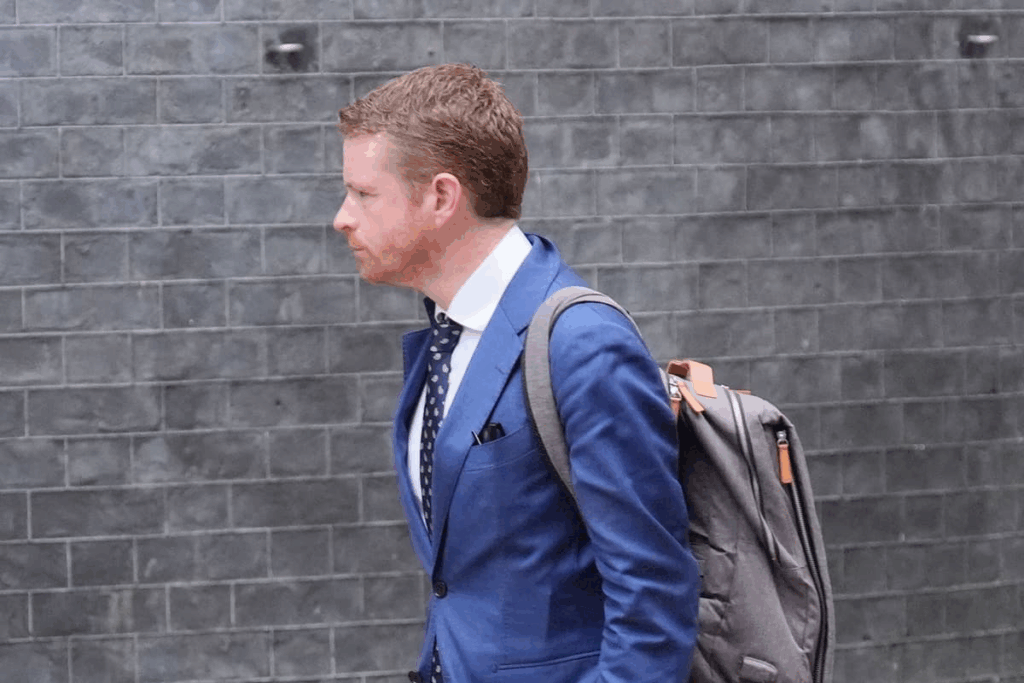
In the face of escalating threats, particularly from Russia, European countries must prioritize security cooperation to safeguard both their sovereignty and fundamental values. Prime Minister Sir Keir Starmer’s speech at the Munich Security Conference highlighted the urgency of a united European front that not only emphasizes military readiness but also strengthens economic ties. The integration of defense strategies among European nations, especially in light of NATO’s commitment to mutual defense, showcases a pathway towards stability. Starmer’s assertion about the necessity of Europe standing ‘on its own two feet’ reinforces the idea that while NATO is crucial, active collaboration among EU member states is equally vital.
Moreover, security cooperation must extend beyond just military alliances. It is essential that European nations develop cohesive economic strategies that bolster their defense capabilities. The UK and the EU need to foster closer economic relationships that enhance their collective defense posture against external threats. As Starmer pointed out, addressing economic ties and defense concurrently could lead to an increased defense budget, ultimately positioning Europe for greater resilience against any geopolitical instability.
Navigating UK-EU Relations Post-Brexit
Following Brexit, the dynamics of UK-EU relations have shifted dramatically, influencing both economic collaborations and security commitments. While Prime Minister Starmer aims to reset relationships with Brussels, the challenges remain evident as he acknowledges that the current status quo is ‘not fit for purpose.’ The emphasis on reassessing economic ties entails understanding where both parties can find mutual benefits, particularly in defense strategies that align with European security objectives. This coordination is crucial as both regions face threats that require a consolidated response, particularly from aggressive actors like Russia.
Furthermore, the potential for closer economic alignment with the EU presents an opportunity not only for trade but also for strategic defense partnerships. Starmer’s recognition of ‘trade-offs’ necessary for achieving such alignment illustrates the complexities at play. The balance between maintaining strong commercial ties while enhancing NATO defense commitments will be critical in ensuring a unified European response to external threats. As the stakes grow higher, fostering a resilient partnership that incorporates both economic cooperation and security will be essential for navigating the post-Brexit landscape.
Responses to Russian Aggression in Europe
The threat posed by Russia remains a central concern for European nations, prompting leaders like Starmer to advocate for proactive measures against potential hostilities. Addressing the Munich Security Conference, he highlighted the critical need for enhanced NATO defense commitments that are prepared to counter any Russian aggression. By deploying military assets such as carrier strike groups to strategic regions, the UK is demonstrating its commitment to deter threats while encouraging solidarity among NATO allies. The increasing military presence in the Arctic showcases a concerted effort to safeguard European territories and foster a robust defense strategy.
Additionally, the call from European leaders for coordinated action against Russia emphasizes a collective security approach. Leaders like Spanish Prime Minister Pedro Sánchez and Danish Prime Minister Mette Frederiksen have underscored the necessity of collaborative defense initiatives that collectively respond to the evolving challenges posed by Putin’s regime. With the acknowledgment that Europe must take on greater responsibility for its own defense, it becomes evident that a unified front is essential for effective deterrence and the preservation of peace across the continent.
The Role of NATO in European Defense
Since its inception, NATO has played a pivotal role in bolstering European defense against external threats, particularly during the Cold War. In the current geopolitical climate, the alliance remains a cornerstone of security for its member states, with Article 5 as its defining principle of collective defense. Starmer’s reaffirmation of the UK’s commitment to this principle during his speech at the Munich Security Conference serve as a crucial message to European partners that the UK will stand firm in times of crisis. His assertive stance reinforces NATO’s role in promoting stability and security across Europe amid ongoing threats from Russia.
However, as European nations encounter a shifting security landscape, the call for a more ‘European NATO’ emerges as a pressing need. This concept emphasizes not only the duties of NATO but also the necessity for European countries to enhance their own defense capabilities. European security cooperation, as advocated by various leaders, positions nations to respond decisively to threats while ensuring that they remain less reliant on external powers. By fostering this proactive and self-reliant approach, Europe can assure its citizens of safety and security in the face of mounting global challenges.
Economic Ties between the UK and EU: A Path Forward
The interconnectedness of the UK and EU economies is another aspect that necessitates careful navigation post-Brexit. Prime Minister Starmer underscored this interdependence by advocating for closer economic alignment that could yield mutual benefits. Greater economic ties not only facilitate smoother trade relations but also have far-reaching implications for shared security interests. As European nations work towards achieving stronger defense strategies, the integration of economic considerations into security planning is essential for cultivating a comprehensive approach to stability.
Furthermore, the pursuit of enhanced economic cooperation can lead to an increased investment in defense capabilities across Europe. By fostering a collaborative environment that prioritizes economic growth alongside security, the UK and EU can create a framework that ultimately contributes to a more fortified defense posture. Increased defense spending resulting from healthier economic ties can bolster military readiness and responsiveness to collective security challenges, particularly against prevalent threats emerging from Eastern adversaries.
Collective Defense Strategies for a Safer Europe
To ensure a stable Europe, leaders must prioritize the development of collective defense strategies that address both current and potential threats. The Munich Security Conference served as a platform for advocating a coordinated approach, highlighting that individual nations must work together to counteract aggression effectively. Starmer’s call for a united Europe to ‘stand on its own two feet’ is particularly relevant, as nations must recognize that a fragmented approach to defense will only weaken their collective ability to deter threats.
Building upon shared intelligence, joint military exercises, and collaborative crisis response plans will be critical components of effective collective defense strategies. By enhancing cooperation among member states, Europe can cultivate a resilient security network that deters external threats and strengthens the overall stability of the region. This cooperative spirit is necessary not only to safeguard against traditional military threats but also to address more nuanced challenges posed by hybrid warfare and disinformation campaigns.
Strengthening NATO and EU Defense Collaboration
As security threats evolve, enhancing collaboration between NATO and the EU emerges as a necessity for comprehensive defense strategies. Leaders like Starmer advocate for stronger ties between the two organizations, emphasizing that a cohesive approach to defense can yield significant benefits for European security. The alignment of NATO’s military capabilities with the EU’s strategic policies allows for a more integrated response to crises, ensuring that the continent is adequately prepared to address both conventional and unconventional threats.
Moreover, effective collaboration hinges on the willingness of European nations to participate actively in joint initiatives. Increased resource allocation to collaborative training, intelligence sharing, and joint military operations will foster a culture of preparedness and resilience across Europe. As all member nations face shared threats, a synergistic relationship between NATO and the EU can maximize the security apparatus available to combat aggressors like Russia, thereby fortifying Europe’s defense landscape.
The Future of European Defense Spending
In light of the ongoing security challenges, an urgent discussion surrounding the future of European defense spending is essential. As Starmer and various European leaders have indicated, escalating threats from Russia prompt nations to reassess their military budgets and resource allocation. The call for increased defense spending is not merely a reactive measure but a proactive commitment to ensuring that European nations can adequately protect their citizens and sustain their values in the face of potential aggression.
Additionally, a consolidated approach to defense funding can lead to improved procurement strategies and research initiatives that bolster military capabilities across Europe. By pooling resources and sharing technological advancements, nations can develop a more robust defense infrastructure that is prepared for contemporary warfare dynamics. European leaders must recognize that an investment in defense is not only vital for national security but also for maintaining the balance of power in an increasingly unpredictable world.
The Role of Leadership in European Security Enhancements
Effective leadership is paramount to navigating the complexities of European security, particularly in a time of heightened geopolitical tensions. Starmer’s assertive approach at the Munich Security Conference illustrates the role of political leaders in mobilizing support for enhanced defense cooperation among European nations. By articulating a clear vision for a united European response to threats and emphasizing the importance of collective action, leaders can inspire confidence among allies and citizens alike.
Furthermore, the commitment of leaders to advocate for stronger security measures will be crucial in shaping public discourse around the necessity of defense initiatives. This leadership can facilitate broader discussions regarding the consequences of aggression from adversaries such as Russia and galvanize support for increased military readiness. Ultimately, strong and visionary leadership is essential to drive the agenda of European defense cooperation, ensuring that the continent remains resolute in its pursuit of peace and security.
Frequently Asked Questions
How is European security cooperation evolving in response to Russian threats in Europe?
European security cooperation is increasingly focused on countering Russian threats. Leaders like Prime Minister Sir Keir Starmer emphasized the need for enhanced defense commitments and effective deterrence strategies within NATO to safeguard Europe. This collaborative approach also involves strengthening economic ties between the UK and the EU, promoting collective security measures.
What role does NATO play in European security cooperation amidst rising tensions with Russia?
NATO remains central to European security cooperation, particularly as tensions with Russia continue to escalate. The alliance’s defense commitments, reaffirmed by leaders like Starmer, emphasize collective defense under Article 5. This unity among member states is crucial for addressing external threats and ensuring a coordinated response against any aggression.
How do UK-EU relations impact European security cooperation?
UK-EU relations are pivotal for European security cooperation, as both parties must navigate post-Brexit changes while enhancing their collaboration on defense. Prime Minister Starmer highlighted the necessity for closer economic alignment and strategic cooperation, ensuring both the UK and EU can better manage security challenges, particularly from outside forces.
What are the implications of enhancing European defense capabilities for NATO commitments?
Strengthening European defense capabilities has significant implications for NATO commitments. It fosters greater autonomy within Europe, allowing for more agile responses to threats while supporting NATO’s collective defense framework. Leaders like Spanish Prime Minister Pedro Sánchez advocate for coordinated efforts, ensuring that European nations contribute effectively under NATO’s shared responsibilities.
Why is economic alignment between the UK and EU important for European security cooperation?
Economic alignment between the UK and EU is vital for European security cooperation as it lays the groundwork for stronger collaborative defense initiatives. Enhanced economic ties can lead to increased defense spending and facilitate joint investments in military capabilities, ultimately fortifying Europe’s ability to respond to challenges, including those posed by Russia.
What changes are being proposed for defense strategies in Europe, particularly involving NATO?
Proposals for changes in defense strategies in Europe, particularly within NATO, include greater integration of European nations in defense planning and operations. Emphasizing collective security, leaders like Mette Frederiksen have called for a unified approach to threats, particularly in regions like the Arctic, ensuring that Europe takes proactive steps in its defense posture.
How does addressing Russian aggression shape European security cooperation strategies?
Addressing Russian aggression is central to shaping European security cooperation strategies. With leaders advocating for increased military readiness and deterrence measures, such as NATO’s deployment of forces, Europe’s strategy is shifting toward a more proactive stance. This includes not only military readiness but also diplomatic efforts to unite member states against external threats.
What is the significance of Article 5 in the context of European security cooperation?
Article 5 is a cornerstone of European security cooperation, as it embodies the principle of collective defense among NATO members. This commitment assures that an attack against one member is considered an attack against all, reinforcing unity among European nations. Prime Minister Starmer reaffirmed the UK’s unwavering commitment to Article 5, emphasizing its relevance in the current geopolitical climate.
How can European nations collaborate better to enhance regional security?
European nations can enhance regional security through increased collaboration on defense policies, joint military exercises, and sharing intelligence. Leaders like Ursula von der Leyen stress the need for a cohesive defense strategy, ensuring that Europe collectively addresses threats. Furthermore, developing coordinated responses to security issues will help bolster trust and effectiveness among member states.
What future challenges might European security cooperation face?
European security cooperation may face future challenges including geopolitical tensions, resource allocation for defense spending, and the need for cohesive strategies among diverse nations. As Russia’s actions evolve, Europe must maintain adaptability in its security approaches and ensure consistent collaboration among NATO allies to effectively counter emerging threats.
| Key Points | Details |
|---|---|
| Importance of European Security Cooperation | Prime Minister Sir Keir Starmer emphasized the importance of readiness to protect values and way of life. |
| UK’s Defense Role | Deployment of carrier strike group to the Arctic to address Russian threats and ensure security. |
| Support from Allies | US, Canada, and NATO allies will join in addressing security threats from Russia. |
| Commitment to NATO Article 5 | Starmer reassured commitment to collective defense responsibilities within NATO. |
| Economic Alignment | Calls for closer economic ties between the UK and EU to strengthen security and growth. |
| Response to Russian Aggression | Europe must prepare to deter aggression as Russia rearmament continues. |
| Collaborative Defense Initiatives | Calls from European leaders for more coordinated defense capabilities against Russian threats. |
Summary
European security cooperation is crucial in ensuring the continent’s stability and safety in the face of rising threats, especially from Russia. Prime Minister Sir Keir Starmer’s address at the Munich Security Conference highlights the need for Europe to enhance its defense posture, build stronger economic ties, and reaffirm commitments to NATO principles. Enhanced collaboration and a proactive approach are essential for European nations to protect their values and security effectively.