
Listen to this article
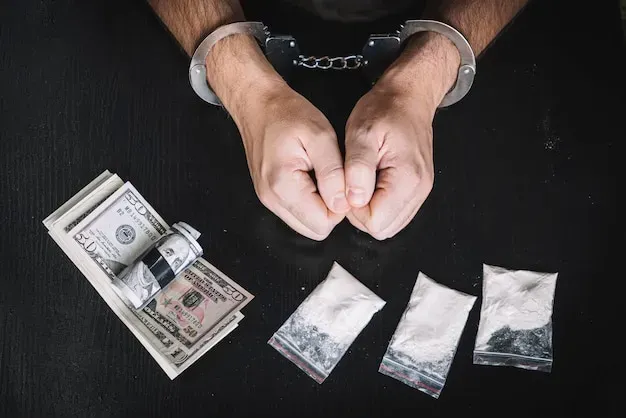
A drug dealer caught in a scandal involving significant illicit income is now facing serious legal repercussions. Daniel Ikumelo, a 35-year-old from Hackney, was apprehended by authorities after suspicious activity was reported on October 9, 2025. Following a thorough drug crime investigation, police discovered a cache of hard drugs, cash, and paraphernalia connected to drug dealing in a car he was driving. The investigation further unveiled that Ikumelo’s three-storey home was filled with heroin, crack cocaine, and a staggering £25,000 in cash, leading to a sentencing of 45 months in prison. As they tackle organized crime, law enforcement emphasizes their commitment to targeting drug dealers and curtailing the drug trade that fuels such lifestyles.
In the recent case of a narcotics supplier apprehended for financial discrepancies, details surrounding illicit activities have surfaced involving a considerable sum of drug-related earnings. This scenario highlights the complexities of life behind the scenes of drug trafficking, where one’s ostentatious wealth starkly contrasts their reported legal income. The dealer, charged after extensive police surveillance and investigation, faced justice for his offenses tied to the distribution of harmful substances. As authorities increase their efforts in controlling the drug epidemic, such arrests serve as a grim reminder of the severe consequences that await those entangled in the dangerous world of drug crime.
The Arrest of a Drug Dealer: How Daniel Ikumelo Was Caught
Daniel Ikumelo’s arrest serves as a stark reminder of the relentless efforts of law enforcement in combating drug-related crimes. On October 9, 2025, police observed suspicious behavior in an alleyway in Waltham Abbey, leading to the apprehension of Ikumelo. The careful observation of illicit activities and the act of stopping and searching could often prevent further criminal enterprises from blossoming. His arrest was not a mere happenstance; it was part of a broader police drug bust operation aimed at dismantling organizations that profit from the suffering of communities.
After a thorough investigation, authorities seized a multitude of incriminating evidence including various drugs, cash, and tools commonly associated with drug dealing. The police uncovered a trove of goods during the search, linking Ikumelo to significant drug dealing activities in Essex. His pattern of income was immediately questioned as his lavish lifestyle appeared inconsistent with legitimate earnings, which played a crucial role in leading to his apprehension.
Understanding Drug Dealer Sentencing and Its Implications
Sentencing for drug dealers, such as Daniel Ikumelo, varies significantly depending on the severity of the crime and the amount of substances involved. Ikumelo received a sentence of 45 months following his trial at Chelmsford Crown Court, which reflects the government’s stance on tackling drug-related offenses harshly. Drug dealer sentencing aims not only to penalize the offender but also to deter others from engaging in similar criminal activities.
In light of recent changes to drug laws and sentencing guidelines, courts often consider factors such as the extent of drug dealing income and the impact on the community during sentencing. Ikumelo’s case exemplifies how the courts balance punishment with the need to protect society, particularly noting how organized crime disrupts local neighborhoods. The harsh sentencing outcomes serve as a warning to others contemplating entering the world of drug trading.
Financial Gains from Drug Dealing: The Case of Daniel Ikumelo
Despite earning £80,000 from drug sales, Daniel Ikumelo’s financial gains were fleeting as proven by his eventual arrest and sentencing. His revenue generated from the Scott drugs line highlights the lucrative, yet perilous nature of the drug trade. Drug dealing income often obscures the amounts of money mismanaged in illegal enterprises, as is evident in Ikumelo’s lavish but ultimately unsustainable lifestyle, including a costly three-storey house.
Law enforcement agencies rigorously investigate the financial backgrounds of suspected drug dealers to unveil the true sources of their income. In Ikumelo’s case, his perceived wealth drew the attention of authorities, leading to deeper probes into his financial dealings. This connection between drug crime investigations and the flow of money helps dismantle the foundations of organized drug-related crime.
The Role of Police in Drug Crime Investigations
The work of police during drug crime investigations is vital in curtailing the operations of drug dealers such as Daniel Ikumelo. Law enforcement agencies employ various strategies, including surveillance and intelligence gathering, to gather evidence before executing arrests. By monitoring suspicious activities, police can act decisively, ensuring that drug dealers are held accountable for their actions.
In Ikumelo’s case, the police were able to conduct a successful drug bust due to their proactive measures and community vigilance. Initiatives such as stop and search are crucial, as they not only yield evidence for immediate arrests but may also prevent future crimes. The collaborative efforts between law enforcement and the community ultimately work towards creating a safer environment free from the clutches of organized crime.
The Consequences of Drug Dealing: A Cautionary Tale
The story of Daniel Ikumelo is a cautionary tale that emphasizes the severe consequences of engaging in drug dealing. While he initially seemed to enjoy the fruits of his illegal labor, including wealth and material possessions, the reality of his situation soon unraveled. His lengthy prison sentence serves as a reminder that the lifestyle often portrayed in popular media surrounding drug dealing fails to capture the grim realities and dire consequences that accompany such criminal paths.
The ripple effects of drug dealing extend beyond the individual dealer, affecting families, communities, and public safety. Ikumelo’s case highlights how one person’s choices can lead to widespread harm and legal repercussions. As communities advocate for greater drug awareness and prevention, stories like Ikumelo’s reinforce the need for ongoing dialogue about the dangers of drug trafficking and the importance of supporting rehabilitation efforts.
The Impact of Organized Crime in Essex: Insights from Ikumelo’s Case
Daniel Ikumelo’s arrest shines a light on the ongoing challenges posed by organized crime in Essex. This criminal activity is not only detrimental to the individuals involved but also to the overall safety and wellbeing of the community. The police department’s commitment to eradicating organized crime groups is evident in their proactive investigations, leading to significant drug busts and public safety initiatives.
Organized crime can lead to an increased prevalence of drugs, violence, and social instability. Authorities are prioritizing the dismantling of networks like the one Ikumelo was part of, as they aim to restore peace and enhance community trust. Collaborative efforts among law enforcement, local governments, and citizens play a crucial role in creating a united front against organized crime.
Preventing Drug Crime: Community Involvement and Vigilance
Community engagement is critical in the fight against drug crime, as illustrated by the successful arrest of Daniel Ikumelo. Residents who are vigilant and report suspicious activities to authorities contribute significantly to law enforcement efforts. A united community creates an environment where drug dealers find it increasingly difficult to operate, leading to fewer arrests but greater overall safety.
Programs aimed at educating the community on the signs of drug-related activities can empower citizens to take action. Through awareness and cooperation with law enforcement, communities can mitigate the threats posed by drug dealers and trafficking organizations. Ikumelo’s case serves as a call to action for communities to remain alert and connected for the betterment of their neighborhoods.
The Legal Framework Surrounding Drug Offenses in the UK
The legal framework governing drug offenses in the UK is complex and constantly evolving to address the changing landscape of drug crime. Cases like that of Daniel Ikumelo demonstrate how the judicial system holds drug dealers accountable through strict enforcement of laws relating to drug possession, intent to supply, and criminal profit. Understanding the implications of these laws can help deter potential offenders from entering the drug trade.
New policies are regularly implemented to adapt to emerging drug trends, making it essential for communities to stay informed. For instance, Ikumelo’s conviction underscores the importance of laws that tackle not only the dealers but also the financial structures supporting drug trafficking. Continuous evaluation and improvement of legal strategies are crucial in the battle against drug-related violence and criminality.
Lessons Learned from Daniel Ikumelo’s Drug Crime Case
The high-profile case of Daniel Ikumelo serves as an educational moment on numerous fronts related to drug crime and law enforcement response. One critical lesson is the importance of comprehensive investigations leading to successful drug dealer arrests. Officers’ ability to gather evidence and conduct thorough searches was pivotal in bringing Ikumelo to justice, showcasing the need for law enforcement agencies to remain adept and responsive.
Additionally, the socioeconomic implications surrounding drug dealer activities need to be addressed in tandem with enforcement measures. Ikumelo’s significant income versus his lifestyle raises questions about the systemic issues that contribute to drug crime. Addressing these root causes, such as poverty and lack of opportunities, may prove essential in preventing future offenses and breaking the cycle of drug addiction and trafficking.
Frequently Asked Questions
What happens to a drug dealer caught during a police drug bust?
When a drug dealer is caught during a police drug bust, they typically face several legal consequences, including arrest, seizure of illegal substances, and potential charges related to drug trafficking, possession with intent to supply, and possession of criminally obtained property. In cases like that of Daniel Ikumelo, the dealer may also serve a prison sentence based on the severity of their crimes.
How does drug dealer sentencing work after a dealer is caught?
Drug dealer sentencing is determined by a court, factoring in the quantity of drugs involved, prior criminal history, and the circumstances surrounding the arrest. For instance, Daniel Ikumelo was sentenced to 45 months in prison for his role in supplying drugs and possession of criminally obtained cash, as well as carrying a weapon.
What are common penalties for a drug dealer caught with significant income from drug dealing?
Penalties for a drug dealer caught with significant income from drug dealing can include lengthy prison sentences, hefty fines, and asset forfeiture. Courts often impose stricter sentences when large sums of money are involved, as in the case of Ikumelo, who had made £80,000 from his drug operations.
What can lead to a drug dealer’s arrest during a drug crime investigation?
A drug dealer’s arrest during a drug crime investigation can occur due to various factors, including surveillance operations, tip-offs from the public, or the discovery of suspicious activities, like in the case of Daniel Ikumelo, where police noticed unusual behavior leading to his arrest.
How does suspected income from drug dealing affect the investigation of a drug dealer caught?
When a drug dealer is caught, any suspected income from drug dealing can significantly impact the investigation. Authorities will analyze financial records to determine the legitimacy of the dealer’s income, as was noted in Ikumelo’s case, where his house value was inconsistent with his known legitimate income, leading to further scrutiny.
What evidence do police often seize during a drug dealer arrest?
During a drug dealer arrest, police often seize incriminating evidence such as illegal drugs, cash, jewelry, digital scales, burner phones, and weapons. In Daniel Ikumelo’s arrest, police found heroin, crack cocaine, £300 in cash, and a lock knife, which all contributed to building the case against him.
Can a drug dealer caught with weapons face additional charges?
Yes, a drug dealer caught with weapons can face additional charges, including possession of a weapon in a public place. In the case of Daniel Ikumelo, he was charged with carrying a lock knife, which compounded his drug-related offenses and likely influenced his sentencing.
| Key Points |
|---|
| Daniel Ikumelo, a drug dealer from Hackney, was sentenced to 45 months in prison for drug-related offenses. |
| He made £80,000 from selling hard drugs, specifically crack cocaine and heroin. |
| Ikumelo was caught during police surveillance in Waltham Abbey on October 9, 2025. |
| His home, a three-storey house in Barking Riverside, contained drugs worth £40,000 and other assets like £25,000 in cash and a £5,500 diamond ring, inconsistent with his income. |
| Ikumelo was found with a lock knife and various items linked to drug dealing, including digital scales and burner phones. |
| The investigating officer highlighted efforts to combat organized crime in Essex and the importance of community policing. |
Summary
A drug dealer caught in Hackney has received a 45-month prison sentence after police linked him to an extensive drug operation. Daniel Ikumelo’s case underscores the ongoing battle against drug-related crime and highlights how law enforcement remains vigilant in rooting out such activities. The evidence collected during his arrest not only included substantial amounts of illegal substances but also valuable assets that raised suspicion about his income sources. Authorities are committed to dismantling organized crime groups, ensuring that individuals like Ikumelo are held accountable for their actions.