
Listen to this article
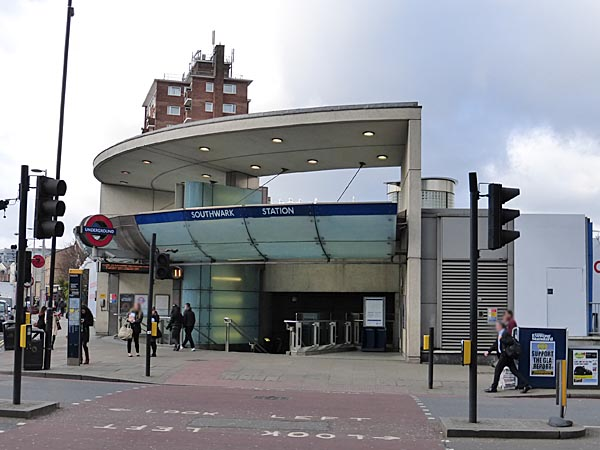
Southwark Tube station, a vital part of the London Underground network, is celebrated for its architectural heritage, having recently received Grade II listing. Opened in 1999 as a key addition to the Jubilee Line Extension, it has been hailed as a stunning example of late 20th-century design, blending functionality with aesthetic appeal. The station is characterized by its striking circular ticket hall and unique steel-panelled tunnel, showcasing a masterful interaction of natural and artificial light. Heritage minister Baroness Twycross lauded its significance, emphasizing how it reflects the charm and innovation of modern transport architecture in London. Recognized for its cultural contribution, Southwark Tube station stands as a testament to the capital’s evolution and its ongoing commitment to preserving landmarks of architectural significance.
The Southwark Tube station, an essential hub in the sprawling London Underground system, exemplifies the city’s rich architectural story. This station, part of the expansive Jubilee Line network, emerged during a transformative era in transport design. Celebrated for its contemporary style and recognized on the National Heritage List, Southwark’s architectural prowess showcases a compelling fusion of materials and light. As one of the newest additions to London’s array of underground stops, its designation as a Grade II listed site underscores its cultural and historical value. Visitors and commuters alike are drawn to this remarkable structure, which embodies the innovative spirit of London’s modern infrastructure.
The Architectural Significance of Southwark Tube Station
Southwark Tube station stands out not only for its operational functionality but also for its architectural significance within the London Underground network. Opened in 1999 as part of the Jubilee Line Extension, this station exemplifies late 20th-century architecture, seamlessly blending innovation with aesthetic appeal. The design’s striking use of light and space has been highlighted by various architectural critics, making it a subject of envy among other London Underground stations. Its circular ticket hall and thoughtfully designed concourse make it a memorable experience for daily commuters and tourists alike.
The artistic interplay of natural and artificial lighting at Southwark has earned it the admiration of architectural enthusiasts and historians. Its striking blue glass screens reflect both modern trends and traditional craftsmanship, contributing to the station’s recognition on the National Heritage List. This Grade II listing not only underscores Southwark’s architectural significance but also emphasizes the importance of preserving unique infrastructures that tell the story of London’s ever-evolving urban landscape.
Southwark Tube Station: A Reflection of London’s Underground Innovation
As one of the latest additions to the London Underground, Southwark Tube station is an innovation beacon within the Jubilee Line Extension. Constructed from 1994 to 1999, it represents a modern approach to transit design, differing from the more archaic styles of earlier stations. The use of contemporary materials like stainless steel, polished concrete, and glass not only enhances the station’s visual appeal but also signifies a transformative era in London’s transport architecture. Each station along this line was designed to possess a distinct identity, making Southwark a standout example amid its peers.
The Jubilee Line Extension itself was a significant development in enhancing the connectivity of London. Stations like Southwark were crafted not just for functionality, but also to elevate the passenger experience through innovative design features. This integration of art with transport ensures that users encounter beauty daily, promoting a sense of pride in using the London Underground. The station’s recent Grade II listing from Historic England further signifies its value as a cultural asset that encapsulates the story of London’s transport evolution.
The Historical Context of Southwark and Its Heritage Listing
Southwark Tube station’s addition to the National Heritage List is a reflection of its historical significance within the framework of London’s public transport. The station’s architectural style and innovative design capture the essence of technological advancements during the late 20th century, representing a departure from traditional tube station designs. Heritage minister Baroness Twycross’s comments on the station’s design emphasize its role as a cultural landmark in an ever-evolving urban setting, making it a crucial part of London’s architectural narrative.
The Grade II listing, supported by the Department for Culture, Media and Sport, underscores the need to preserve structures that contribute to London’s historical fabric. As Southwark Tube station celebrates its recognition, it serves as a reminder of the city’s ongoing commitment to preserving contemporary heritage. The station’s distinct features not only provide functionality for daily commuters but also offer educational insights into modern architectural trends and practices, further enriching London’s existing tapestry of historical and cultural landmarks.
Exploring the Unique Identity of Southwark Tube Station
Every station on the Jubilee Line Extension was designed with a unique identity, and Southwark Tube station exemplifies this philosophy with its distinctive architectural features. The circular ticket hall, expansive interiors, and distinctive blue glass screens work in harmony to create a unique atmosphere that sets it apart from more traditional designs in the London Underground network. The architects aimed to redefine the passenger experience by crafting a space that is not only functional but also inspiring, encouraging passengers to appreciate their surroundings as they travel.
Additionally, the use of polished concrete and stainless steel not only speaks to contemporary design sensibilities but also contributes to the station’s durability and sustainability. These materials are conducive to modern urban environments, requiring less maintenance while offering a polished, clean aesthetic. By creating such a visually engaging environment, Southwark serves as a perfect example of how transport hubs can echo the vibrancy and innovation of the cities they serve, solidifying its position as a significant landmark on the London Underground.
Community Impact of Southwark Tube Station
Southwark Tube station plays a crucial role in the dynamic urban landscape of Southwark, acting as a connector for residents and visitors alike. Its strategic location along the Jubilee Line Extension makes it an essential transport point that enhances accessibility to key areas in central London. This has not only improved local commuting options but has also encouraged economic activity in the surrounding community, as businesses benefit from increased foot traffic. As a result, Southwark has seen various developmental projects that have enhanced its status as a vibrant cultural hub.
Moreover, the architectural excellence of Southwark Tube station has fostered a sense of pride among local residents. The station’s Grade II listing reflects its historical and cultural significance, promoting awareness and appreciation of modern heritage within the community. In addition to its functional role, the station acts as a public space where art and functionality coexist, elevating the travel experience for everyone. By helping to create a more connected and engaged community, Southwark Tube station embodies the very spirit of modern urban living.
Sustainability Features of Southwark Tube Station
In the realm of contemporary architecture, sustainability has become a pivotal consideration, and Southwark Tube station incorporates this ethos effectively throughout its design. The use of natural light not only creates a welcoming environment but also reduces the reliance on artificial lighting, leading to energy savings. The design promotes efficient use of space and materials, ensuring that the station remains environmentally friendly while catering to the high volume of passengers it accommodates. Sustainable transport solutions such as the Jubilee Line Extension also play a critical role in reducing the carbon footprint associated with urban commuting.
Furthermore, Southwark’s architectural innovations demonstrate that beauty and sustainability can coexist. The materials used in the station’s construction were chosen for their longevity and low maintenance requirements, contributing to sustainable urban development. By setting a high standard for future projects within the London Underground network, Southwark Tube station serves as a beacon of how modern transport design can incorporate sustainable practices while maintaining aesthetic integrity, ultimately benefitting the environment and the community.
Tourism and Southwark Tube Station: A Gateway to London’s Attractions
Given its prime location, Southwark Tube station serves as a gateway for tourists exploring the rich cultural offerings of London. Surrounded by historical landmarks like the Tate Modern and the Globe Theatre, Southwark enhances visitors’ experiences by providing seamless access to these attractions. The station itself has become a point of interest due to its award-winning design; thus, it invites tourists not only to travel through but also to appreciate its architectural beauty. This dual role as both a transport hub and a tourist attraction adds depth to the experience of navigating London.
By facilitating easy access to London’s diverse offerings, Southwark Tube station enhances the potential for tourism in the area. The station welcomes thousands of visitors daily, all of whom benefit from the Jubilee Line Extension that connects them to key destinations across the capital. As a result, Southwark continues to thrive as both a residential neighborhood and a tourist hotspot, illustrating how thoughtful transport design can enhance urban vitality and cultural exchange.
Historical Recognitions: The Significance Behind Southwark’s Grade II Listing
Southwark Tube station’s recent Grade II listing is a significant acknowledgment of the station’s place in London’s architectural heritage. Historic England has underscored the importance of protecting such modern structures that reflect the evolution of transportation within the city. The recognition stems not only from its innovative design but also from its role in the urban landscape, highlighting the need to preserve all types of heritage—traditional and contemporary alike.
The Grade II listing of Southwark serves as a vital reminder of how modern design can coexist with and contribute to historical narratives. As urbanization continues to reshape cities, recognizing the importance of more recent structures becomes essential. The understanding that the architectural significance of Southwark Tube station stands as a testament to late 20th-century creativity serves to inspire future designs that honour both history and innovation, ensuring that they too are remembered for years to come.
Future Developments Around Southwark Tube Station
Looking ahead, Southwark Tube station is poised to play a pivotal role in the ongoing development of the area and London as a whole. As urban planners focus on enhancing public transportation infrastructure, the station’s presence will undoubtedly stimulate further investments and transit-oriented developments in its vicinity. This evolution will likely consist of new housing, commercial properties, and additional public spaces that align with the station’s modernistic design philosophy, ensuring a cohesive urban environment that benefits residents and visitors alike.
Moreover, the strategic location of Southwark Tube station will play a crucial role in connecting various transport modes and enhancing overall accessibility. The emphasis on sustainable urban development in forthcoming projects will likely reflect the values upheld by Southwark’s architectural design, blending functionality with aesthetic considerations. As the area evolves, Southwark Tube station will continue to be a focal point, not only for commuting but also as a vibrant hub that showcases London’s architectural prowess and cultural diversity.
Frequently Asked Questions
What is the architectural significance of Southwark Tube station?
Southwark Tube station, opened in 1999 as part of the Jubilee Line Extension, is recognized for its architectural significance within the London Underground network. It features a stunning circular ticket hall and a striking blue glass screen, showcasing an innovative blend of natural and artificial light. Its design has been hailed as a memorable and theatrical space, earning it a Grade II listing for its late 20th Century architecture.
When was Southwark Tube station added to the National Heritage List?
Southwark Tube station was added to the National Heritage List in 2023, acknowledging its architectural and historical importance. The station enhances the legacy of London Underground stations, particularly those established during the Jubilee Line Extension.
What does it mean for Southwark Tube station to have Grade II listing?
Grade II listing for Southwark Tube station means that it has been recognized for its special architectural or historic interest. This status helps protect the station’s unique design, which reflects the characteristics of late 20th Century architecture, and ensures its preservation as an important part of London’s heritage.
Who praised the architectural design of Southwark Tube station?
Heritage minister Baroness Twycross praised Southwark Tube station as a stunning example of late 20th Century architecture. She emphasized the station’s striking play on light and its importance in showcasing innovative design within the London Underground.
What materials were used in the construction of Southwark Tube station?
Southwark Tube station was constructed using materials such as stainless steel and polished concrete, which were shared among the six new stations opened on the Jubilee Line Extension. This choice of materials added to the modern aesthetic and functional qualities of the station.
What distinguishes Southwark Tube station from other London Underground stations?
Southwark Tube station is distinguished by its unique architectural design, featuring a circular ticket hall and a visually striking blue glass screen. This standout design contributes to its recognition as one of the most memorable spaces in the London Underground network, particularly noted for its theatrical and innovative use of space.
How long did it take to construct Southwark Tube station?
Construction of Southwark Tube station took place between 1994 and 1999, culminating in its opening as a key part of the Jubilee Line Extension. The project was part of a larger effort to enhance the London Underground system during the late 1990s.
| Key Point | Details |
|---|---|
| Recognition | Southwark Tube station is listed in the National Heritage List. |
| Architectural Importance | Described as ‘one of the most memorable and theatrical spaces’ on the network. |
| Date Opened | Opened in 1999 as part of the Jubilee Line Extension. |
| Grade II Status | Achieved Grade II listed status recognizing its architectural significance. |
| Design Features | Features a circular ticket hall, blue glass screen, and steel-panelled tunnel. |
| Materials Used | Designed using stainless steel and polished concrete. |
| Cultural Significance | Recognized by Baroness Twycross and Historic England for its striking architectural style. |
Summary
Southwark Tube station has been acknowledged for its significant architectural and historical contributions by being added to the National Heritage List. This recognition enhances the importance of Southwark Tube station within London’s public transport narrative and showcases its innovative design, particularly the striking interplay of light in its structure. Its Grade II listed status serves to protect its unique features, ensuring this modern architectural gem remains a key part of London’s heritage.