Listen to this article
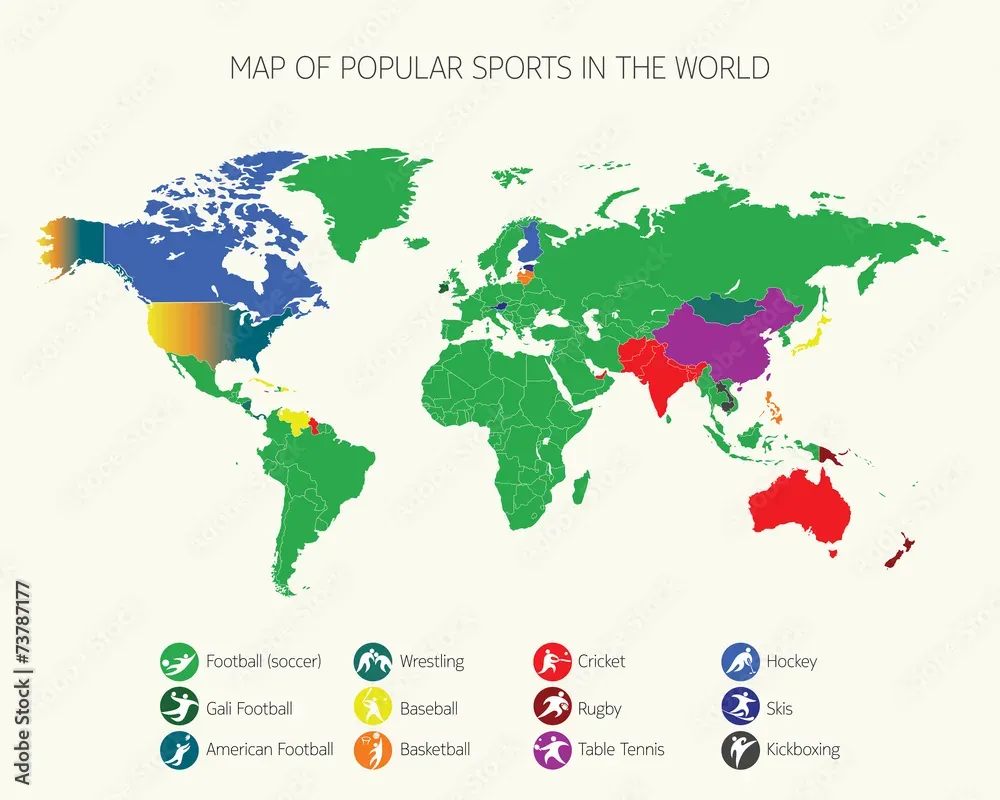
Popular sports worldwide have a remarkable way of uniting individuals across different cultures and backgrounds, creating a sense of shared passion and excitement. From the electrifying atmosphere of soccer matches watched by billions to the intense rivalries seen in basketball, sports have become a global phenomenon. According to multiple global sports rankings, activities such as cricket, tennis, and volleyball also fall into the category of the most popular sports that capture the hearts of millions. With increased accessibility and international sports events like the Olympics drawing huge audiences, these top sports in the world are continually evolving in popularity by country. As we delve deeper into this topic, we’ll explore how these beloved games influence social dynamics and foster a sense of community around the globe.
Throughout the globe, various athletic pursuits have gained considerable attention, forming an intricate fabric of international recreation. The diverse landscape of mainstream games, such as soccer—known as football in most regions—and basketball, showcases how different societies engage with sports. As we investigate the exciting world of competitive activities, we will uncover their development and the variations of sports popularity by region. International events, from the FIFA World Cup to the NBA Finals, have cemented the reputations of these athletic contests, driving remarkable engagement among fans worldwide. This exploration aims to highlight not just individual sports but the cultural significance they hold across nations.
The Global Dominance of Soccer
It’s impossible to discuss the most popular sports without highlighting soccer, or football as it’s known outside the U.S. With a staggering 4 billion fans worldwide, soccer has established itself as not just a sport but a global cultural phenomenon. Events like the FIFA World Cup draw massive audiences, uniting fans from all over the planet, while professional leagues such as the Premier League and La Liga create intense rivalries and ever-increasing viewership across various platforms.
Soccer’s simplicity contributes significantly to its widespread appeal. All it takes is a ball and an open space for anyone to participate. This accessibility has allowed soccer to permeate diverse communities, including impoverished ones, establishing grassroots initiatives that cultivate young talent globally. From Europe to Africa and Asia, the sport’s infrastructure, including local clubs, academies, and international outreach programs, fosters passion and participation, thus maintaining its status as the most popular sport in the world.
Basketball: A Fast-Paced Global Phenomenon
Basketball has evolved into a global phenomenon, boasting around 2.4 billion fans, particularly in regions such as the U.S., China, and Europe. With the emergence of the NBA as a premier basketball league, international competitions like the FIBA World Cup and Olympic events have greatly expanded its global footprint. The game’s fast pace, characterized by quick transitions and high-scoring plays, captivates audiences, driving a vibrant community both on and off the court.
As basketball’s popularity surges, it influences local cultures while uniting people across diverse backgrounds. Streetball games in urban neighborhoods mirror professional styles, allowing aspiring players to showcase their skills. Moreover, the NBA’s efforts to promote the sport internationally have led to the proliferation of basketball academies around the world, fostering new talent and promoting the sport as a means of social inclusion and community building.
Cricket’s Cultural Significance Worldwide
Cricket stands as a testament to the power of sports in shaping cultural identities, especially in countries like India, Pakistan, and Australia. With approximately 2.5 billion fans, cricket has transcended mere gameplay to become a significant cultural event. Major tournaments such as the Cricket World Cup and the Indian Premier League (IPL) generate enthusiasm and national pride, drawing viewership that rivals that of more traditional sporting events.
The game’s multiple formats—from Test matches that last five days to the explosive T20 games—offer diverse viewing experiences that cater to various audiences. Cricket not only promotes athleticism but also evokes a sense of unity among fans, bridging gaps through shared emotional experiences during matches. As a global sport, cricket’s outreach continues to expand, attracting new followers from different parts of the world, reinforcing its reputation as one of the top sports globally.
The Rise of Field Hockey on the Global Stage
Field hockey may not receive the same level of attention as other sports, yet it commands an impressive following of around 2 billion fans, particularly in Commonwealth nations. The sport emphasizes teamwork, speed, and skill, and its presence in global competitions like the Olympics has significantly increased its visibility. Historically, countries like India and the Netherlands have dominated the sport, fostering a rich legacy that influences younger generations of players.
Despite facing challenges to its global reach, field hockey remains popular in various regions, paving the way for a deeper appreciation of the sport. The inclusivity it offers—requiring only minimal equipment and space—makes it accessible to a wider audience, encouraging participation. With ongoing investments in grassroots programs and international tournaments, field hockey’s popularity continues to grow, solidifying its position as a major player in the international sports arena.
Tennis: The Elegance of Individual Competition
Tennis, with an estimated 1 billion fans, is uniquely positioned as a sport that combines elegance and intense competition. The major Grand Slam tournaments—Wimbledon, the US Open, the French Open, and the Australian Open—attract viewers from all corners of the globe, showcasing some of the finest athletic talents. Tennis allows for individual expression, leading to a rich history of iconic rivalries and legendary players, all contributing to its allure.
The sport’s globalization is evident in its worldwide audience and diverse player representation. Tournaments in various countries celebrate different cultures while providing a platform for emerging talent. Moreover, the sport’s adaptation to include wheelchair categories and mixed doubles showcases its inclusivity, drawing wider attention and participation. Tennis serves as a bridge, connecting people from different backgrounds while promoting a passion for competitive sports on an international scale.
Volleyball: From Beaches to Stadiums
Volleyball, enjoyed by approximately 900 million fans globally, is known for its appeal across various settings, from beach volleyball tournaments to indoor championships. The sport’s fast-paced nature and accessibility make it easy to understand and enjoyable to watch. Major events such as the Olympics and the FIVB World Championships witness high participation and viewership, particularly in countries like Brazil and Italy, where the sport’s culture thrives.
The rise of beach volleyball has added an exciting dynamic to the sport, drawing in casual spectators and fostering a laid-back yet competitive atmosphere. Furthermore, volleyball serves as an opportunity for social engagement, promoting teamwork and cooperation among players and communities. As the sport continues to gain global traction, its role as both a competitive and recreational pursuit further reinforces its status among the most popular sports in the world.
Table Tennis: Asia’s Olympic Pride
Table tennis, or ping pong, continues to draw around 850 million fans worldwide, particularly spotlighting the Asian market where it is a sterling example of competitive excellence. The sport’s accessibility, thrilling rallies, and rapid gameplay contribute to its rising popularity. With competitions like the World Championships and the Olympic Games drawing significant viewership, particularly from countries like China, table tennis is positioned as a cornerstone of international sporting events.
The cultural implications of table tennis go beyond mere competition; it has been integrated into education and leisure across Asia. National programs in countries like China have championed table tennis as a means of promoting physical fitness and discipline. As the sport continues to evolve, attracting younger generations and embracing technological innovation, its popularity is likely to soar, solidifying its position on the global sports ranking.
Baseball: America’s Pastime Goes Global
Baseball, often heralded as America’s pastime, boasts a global following of around 500 million fans. Major League Baseball (MLB) stands at the pinnacle of the sport in the United States, while leagues internationally, particularly in Japan and Latin America, showcase the game’s expansive appeal. Events such as the World Series and the World Baseball Classic further enhance its visibility, facilitating cross-cultural exchange through the shared love of the sport.
The sport’s intricate tactics, combined with its rich history, attract fans from different backgrounds, ensuring diverse demographics are engaged. Baseball academies around the world cultivate new young talent, illustrating its potential to thrive even in non-traditional baseball markets. As globalization continues to shape sports, baseball’s outreach efforts are vital for its continued growth, establishing it as one of the most popular sports in various regions.
Golf: Connecting Generations on the Green
Golf has long been revered by around 450 million fans globally, blending tradition and modernity into a single competitive setting. Tournaments such as The Masters and The Open Championship draw elite players from around the world, showcasing skills while cultivating an elite spectator experience. With its lush greens and professional etiquette, golf attracts a dedicated fanbase that appreciates both the sport’s complexity and its recreational appeal.
The growing emphasis on youth programs and grassroots initiatives is driving golf’s popularity to new heights, encouraging diversity within the sport. Professional golfers increasingly serve as role models, inspiring young players to pursue the sport. As golf evolves and incorporates technology—for instance, through simulator experiences and online tournaments—it engages a younger audience, enhancing its global appeal and sustaining its relevance in the international sports arena.
American Football: From Regional Popularity to Global Growth
American football, while primarily celebrated in the United States, has an estimated following of 400 million fans globally. The National Football League (NFL) champions the sport, with events like the Super Bowl attaining viewership figures that rival any worldwide sporting event. Although American football remains predominantly a U.S. phenomenon, its global outreach efforts, including international matches and fan engagement, are expanding its acceptance across different countries.
The intricate strategy and athleticism of American football are increasingly captivating international audiences. Programs promoting the sport abroad have surfaced in various regions, notably in Europe and parts of Asia. With a growing fanbase, American football is positioned to carve a niche within the global sports hierarchy, demonstrating how even regionally dominant sports can find international appreciation and enthusiasm as the world becomes more interconnected.
Frequently Asked Questions
What are the most popular sports worldwide?
The most popular sports worldwide include soccer, basketball, cricket, field hockey, tennis, volleyball, table tennis, baseball, golf, and American football. Each sport has a unique following and cultural significance, making them leading global sports.
How does the global sports ranking system work?
The global sports ranking system evaluates sports based on criteria like fan engagement, viewership, participation rates, and event frequency. Sports such as soccer and basketball often top these rankings due to their extensive international competitions and massive followings.
Which countries are known for their sports popularity?
Countries like Brazil, the USA, India, and Spain are known for their sports popularity, particularly in soccer, basketball, and cricket. Each nation has its own favored sports that contribute to its cultural identity.
What are the top sports in the world by fan following?
The top sports in the world by fan following include soccer with 4 billion fans, basketball with 2.4 billion, cricket with 2.5 billion, and others like field hockey and tennis, each having hundreds of millions of followers.
What are some major international sports events?
Major international sports events include the FIFA World Cup, the Olympics, NBA Finals, Cricket World Cup, and the Super Bowl. These events showcase the popularity of sports worldwide and draw immense global viewership.
How does soccer maintain its title as the most popular sport?
Soccer maintains its title as the most popular sport through its accessibility, global tournaments like the FIFA World Cup, and its presence in local communities around the world, fostering a massive fan base across diverse cultures.
Why is basketball becoming more popular internationally?
Basketball is becoming more popular internationally due to the NBA’s global reach, increased participation in grassroots programs, and successful international competitions that showcase talent from various countries.
What role does cricket play in nations with large followings?
In nations like India and Australia, cricket plays a vital role as a cultural phenomenon, uniting people during major tournaments like the Cricket World Cup and fostering national pride through its rich history.
What distinguishes tennis as a globally significant sport?
Tennis is distinguished as a globally significant sport by its prestigious Grand Slam tournaments, diverse international player base, and its appeal to audiences who appreciate individual competition and athletic excellence.
How is American football expanding its global reach?
American football is expanding its global reach through NFL games played abroad, strategic marketing efforts, and initiatives aiming to increase fan engagement in Europe and Asia, thereby boosting its international following.
| Rank | Sport | Estimated Fans (in billions) | Key Highlights |
|---|---|---|---|
| 1 | Soccer (Football) | 4 | Most followed sport; FIFA World Cup; played globally. |
| 2 | Basketball | 2.4 | NBA in US; FIBA World Cup; popular worldwide. |
| 3 | Cricket | 2.5 | Cultural phenomenon in India, Australia; IPL tournaments. |
| 4 | Field Hockey | 2 | Popular in Europe, Asia; Olympic sport. |
| 5 | Tennis | 1 | Grand Slam tournaments; individual competition. |
| 6 | Volleyball | 0.9 | Olympics; popular in Brazil, USA. |
| 7 | Table Tennis | 0.85 | Very popular in Asia; Olympic events. |
| 8 | Baseball | 0.5 | MLB in US; World Series. |
| 9 | Golf | 0.45 | Masters; popular in US and Europe. |
| 10 | American Football | 0.4 | NFL; Super Bowl is a major event. |
Summary
Popular sports worldwide include a diverse array of activities that resonate with millions across various cultures. The global sports landscape features soccer, basketball, cricket, and many more, each with unique histories and fan bases. The combination of accessibility, competitive spirit, and cultural significance contributes to the enduring popularity of these sports. As sports continue to evolve and globalize, they serve as a powerful tool for connection and unity, appealing to generations of fans and inspiring future athletes around the world.