
Listen to this article
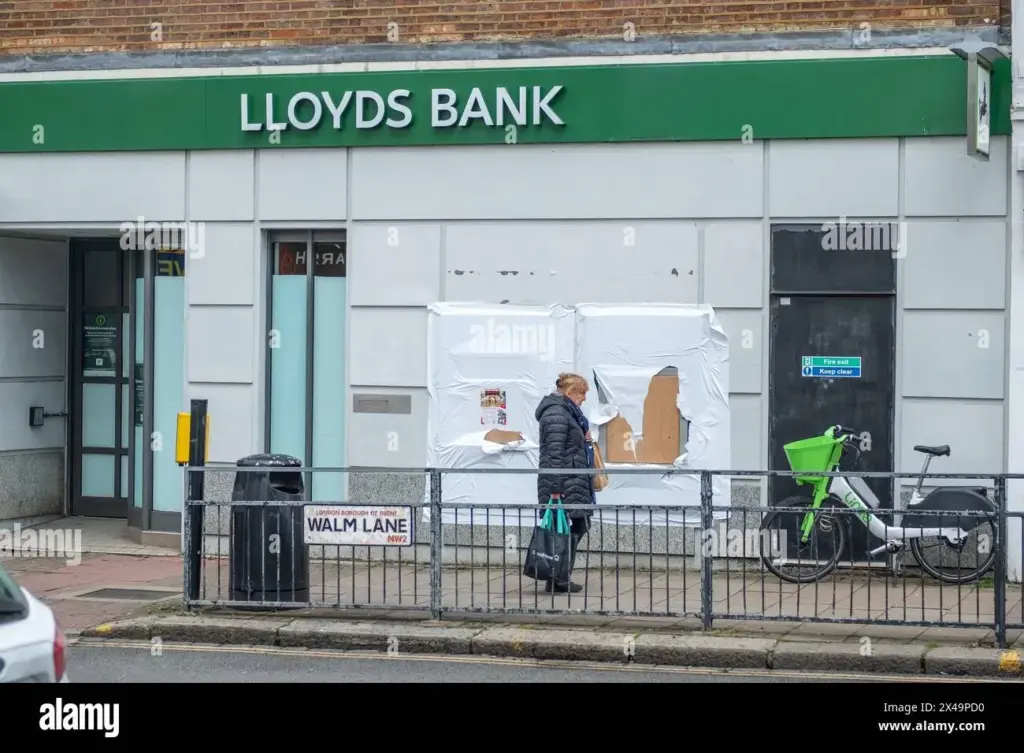
Bank closures London have become a pressing issue as financial institutions adapt to changing consumer habits and focus on digital services. Recently, Lloyds Banking Group announced the closure of several branches, impacting not just their own Lloyds Bank locations but also Halifax and Bank of Scotland branches throughout the capital. With eight Lloyds branches and six Halifax locations facing imminent shutdown, the ripple effects of these closures will affect many customers who rely on these banking services. This move reflects a broader trend of UK bank branch closures, with over 2,236 branches already shuttered since early 2022. As London witnesses these significant reductions in banking hubs, it raises questions about accessibility for those still dependent on face-to-face banking services and cash transactions.
The recent wave of bank branch shutdowns in London, including the notable Lloyds Bank closures and Halifax branch disappearances, highlights a significant shift in the banking landscape. As financial institutions pivot towards online banking, the impact on local communities becomes increasingly apparent, particularly for those who prefer in-person services or rely on cash transactions. The ongoing closures, including those of the Bank of Scotland London, emphasize the urgent need for alternative banking solutions. Banking hubs have emerged as a necessary response to maintain access to essential services for individuals and small businesses in the capital amid a landscape increasingly dominated by digital transactions. The situation sheds light on the evolving nature of banking in urban areas, posing a critical lesson for industry stakeholders and policymakers alike.
Impact of Lloyds Bank Closures on London Customers
The recent announcement of Lloyds Bank closures across London has left many customers concerned about the accessibility of banking services in their neighborhoods. With eight Lloyds branches set to close, starting with the Fitzrovia and West End Oxford Street locations, customers will need to adapt to a diminished high street presence. This reduction is a part of a wider trend encompassing various banks, including Halifax and Bank of Scotland, and raises questions about the future of banking in urban areas like London.
As the capital sees a significant number of bank branch closures, the effects on local communities are manifold. Many residents rely on these branches for everyday banking needs, and the loss of branches can lead to increased travel times for essential services. Lloyds Banking Group’s move to shut 95 branches across the UK, including several in London, necessitates that customers explore alternative banking options, either digital or in nearby towns. The impact is likely to foster other financial solutions, such as banking hubs, to mitigate access issues for those without easy online banking capabilities.
Halifax Branch Shutdown: Challenges for Local Residents
The impending shutdown of numerous Halifax branches in London, including the significant closures slated for May, presents a major challenge for local residents who depend on physical banking services. As Halifax prepares to close its Pentonville branch, customers will need to seek banking alternatives that may not be as conveniently located. This shift highlights the ongoing transformation in banking habits caused by the increasingly digital-oriented financial landscape.
Moreover, with the announcement that 31 Halifax locations are among the planned closures, residents must now adapt to a new normal for their financial transactions. While digital banking offers convenience, it lacks the personal touch and immediate support that a physical branch provides. Many individuals, particularly the elderly or those unfamiliar with technology, will be disproportionately affected by this change, emphasizing the importance of maintaining access to branches even as digital preferences grow.
The Role of Bank of Scotland London in a Changing Banking Landscape
Bank of Scotland’s branches in London are also facing imminent closure, contributing to the worrying trend of bank shutdowns across the city. The planned closure of 11 branches within the Bank of Scotland network is part of a larger strategy from Lloyds Banking Group to streamline operations. This reduction in branches indicates a significant shift in how banking services are perceived and utilized, particularly in urban environments where digital banking solutions are becoming more prevalent.
As these Bank of Scotland locations cease operations, residents may find themselves increasingly reliant on digital platforms for their banking needs. However, with many individuals still favoring face-to-face interactions for complex financial queries, the loss of local branches poses serious accessibility challenges. The banking sector must recognize these changing dynamics and find innovative ways to keep customer service grounded while adapting to modern financial behaviors.
Navigating London’s Banking Hubs amid Branch Closures
With the wave of bank closures sweeping across London, banking hubs have emerged as an essential lifeline for impacted communities. These hubs serve as alternative financial services locations, providing individuals and businesses with access to cash deposit and withdrawal services. As banks like Lloyds and NatWest reduce their physical footprint, the establishment of banking hubs is critical in ensuring that communities maintain access to vital banking services.
Activated as a response to the closures, banking hubs aim to address the needs of vulnerable populations who still rely on cash transactions. The LINK initiative has played a significant role in supporting these hubs, helping customers transition away from closed branches while ensuring that local businesses remain functional. Community feedback reflects a strong desire for these hubs to develop further, highlighting their importance in fostering financial literacy and inclusion during this transitional period.
The Future of High Street Banking in London
As bank closures continue to reshape the financial landscape in London, the future of high street banking appears more uncertain than ever. The trend towards digital banking is undeniable, but the closure of over 300 branches in the city alone raises concerns about access to necessary financial services. With brick-and-mortar banking institutions retreating, the responsibility to serve those who prefer traditional banking methods now falls to innovative solutions such as banking hubs and alternative financial services.
This ongoing evolution in banking necessitates a balance between embracing digital innovation and preserving the accessibility of financial services. As discussions surrounding the impacts of bank branch closures unfold, it will be crucial for banking organizations and policymakers to ensure that customer needs—especially those of older generations and underserved communities—are recognized. A robust framework that includes face-to-face banking options is essential to maintain trust and ensure financial stability.
Customer Reactions to Lloyds Bank Closures in London
The announcement of numerous Lloyds Bank closures has evoked a mixed response from the communities hit hardest by these changes. Many customers express frustration and concern over losing the convenience and familiarity of their local branches. With reduced opportunities to access personal banking support, people are questioning how these closures will impact their financial management practices.
Conversely, some customers recognize the necessity for banks to evolve alongside technological advancements. The prevalence of online banking has encouraged a shift in habits, leading to a more digital-first approach. However, a significant portion of the population still values and requires traditional banking options, showcasing the need for banks to strike a balance between modern efficiency and personal service that communities depend on.
The LINK Initiative and Access to Cash in London
In response to the escalating bank closures across London, the LINK initiative has emerged as a crucial player in maintaining access to cash and financial services within communities. Recognizing that many customers still rely on cash for their day-to-day transactions, the initiative seeks to intervene where bank closures create significant gaps in banking availability. This model ensures that individuals and small businesses continue to have options beyond solely digital banking.
Furthermore, LINK’s push for banking hubs in areas experiencing bank branch closures serves as a bridge to facilitate continued cash accessibility. This initiative illustrates a commitment to supporting consumers affected by the trend towards cashless transactions and encourages banks to consider innovative solutions that can enhance financial inclusion. The longevity of local economies depends on these connections being maintained amid a rapidly evolving banking environment.
UK Bank Branch Closures: An Ongoing Trend
The pattern of UK bank branch closures continues unabated, with London at the forefront of this shift. Since February 2022, a staggering total of 2,236 branches have ceased operations or announced closures, averaging one closure per day. The impact is palpable, particularly for communities reliant on local bank branches for routine banking activities and essential services.
This ongoing trend signals a profound transformation within the banking industry, influenced significantly by changing consumer preferences for digital services. As banks close their branches in favor of a more streamlined digital operation, the challenge remains to adequately support those who still need physical locations for their banking needs. Ensuring that vulnerable populations are not left behind in this transition is critical for fostering financial stability across the UK.
Exploring the Future of Banking Technology
The rise in bank closures throughout London has prompted a deeper examination of future banking technology and its potential to reshape customer experiences. As traditional high street banks dwindle, advancements in fintech have made it possible for consumers to access banking services anytime, anywhere. However, the challenge lies in ensuring that these technological changes do not alienate those who prefer or require in-person access to financial services.
Exploring innovative solutions such as mobile banking apps, enhanced security measures, and digital payment options can provide customers with significant flexibility. Yet, as banks innovate, they must also commit to maintaining transparency and support for all customer demographics. Achieving this balance will help foster a more inclusive banking environment that meets the diverse needs of consumers in an increasingly digital world.
Frequently Asked Questions
What are the latest updates on bank closures in London?
Bank closures in London are significant, with announcements that eight Lloyds and six Halifax branches will close starting May 2026. This is part of a broader strategy by Lloyds Banking Group, which is shutting over 95 branches across the UK, including many locations in London.
Which Lloyds Bank branches in London are slated for closure?
The Lloyds Bank closures in London include four branches: Fitzrovia, Victoria, and West End Oxford Street, with closures commencing on May 27. This is part of Lloyds Banking Group’s plan to reduce its high street presence.
Are Halifax branches also closing in London?
Yes, in addition to Lloyds Bank closures, six Halifax branches in London are at risk of shutdown, reflecting the ongoing trend of bank branch reductions across the capital.
What impact do the Bank of Scotland closures have on London customers?
The Bank of Scotland is also closing 11 locations, adding to the overall London bank closures. This will affect customers who rely on these branches for in-person banking services.
How can I find out if my local bank branch is closing in London?
You can use our interactive map to check if any bank closures in London, including those of Lloyds, Halifax, and Bank of Scotland, will affect your local branches. This tool offers a comprehensive view of upcoming shutdowns.
What alternatives are available for customers affected by bank closures in London?
For customers affected by bank closures in London, banking hubs and additional ATMs are being introduced to ensure continued access to essential banking services, particularly for those relying on cash transactions.
What measures are being taken to support communities after bank closures in London?
In response to bank closures in London, the LINK initiative is advocating for banking hubs to support access to cash. These hubs provide essential services to the community, particularly for individuals who prefer cash transactions.
How many bank branches have closed or are set to close in London recently?
As of now, there have been 301 bank closures in London, part of over 2,236 bank branch closures announced across the UK since February 2022. This reflects the shift towards digital banking and cashless transactions.
What should I know about the NatWest branch closures in London?
NatWest plans to close 32 branches, with 11 located in London. The closures will start on May 11 with the High Street, Barnet branch, impacting local customers seeking in-person banking services.
Why are banks closing branches in London?
Banks like Lloyds, Halifax, and Bank of Scotland are closing branches in London mainly due to a decline in foot traffic as more customers prefer online and digital banking options, resulting in the reduction of high street presence.
| Bank | Number of Branches Closing | Closure Dates | Notable Branch Closures |
|---|---|---|---|
| Lloyds Bank | 53 | May 2026 – March 2027 | Fitzrovia, Victoria, West End Oxford Street |
| Halifax | 31 | May 2026 – March 2027 | Pentonville |
| Bank of Scotland | 11 | May 2026 – March 2027 | |
| NatWest | 32 | Starting May 11, 2026 | High Street, Barnet |
Summary
Bank closures in London are becoming increasingly prevalent, with over two dozen branches set to shut their doors as part of Lloyds Banking Group’s strategy to reduce its high street presence. The recent announcements highlight the shift towards digital banking, but also underline the necessity for access to cash and in-person services. With communities facing these challenges, initiatives such as banking hubs are being introduced to support customers who still rely on traditional banking methods.