
Listen to this article
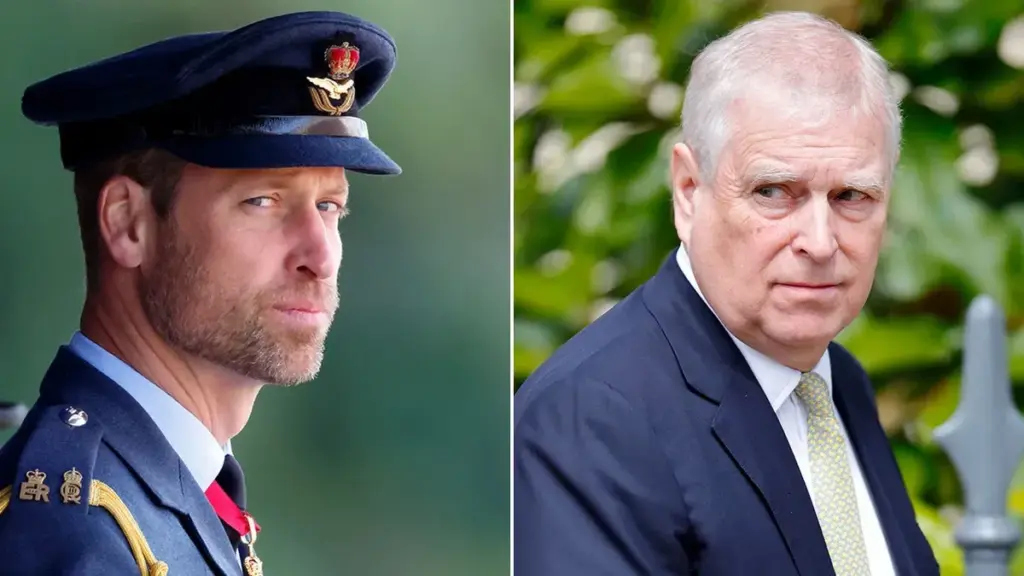
The Prince William Andrew dispute has intensified recently following revelations from a new biography that dives deep into the royal family’s complicated dynamics. Prince William has reportedly expressed his disdain for his uncle, Prince Andrew, particularly after the disastrous Newsnight interview that tarnished Andrew’s reputation. Sources indicate that William has urged King Charles to take decisive action against Andrew, advocating for a clear separation from the royal family to protect its image. This controversy raises questions about royal responsibilities and the future of the monarchy amid growing public scrutiny. As tensions mount, the interplay of family loyalty and the need for accountability continues to be at the forefront of royal conversations.
In the ongoing saga involving key members of the British monarchy, the tensions between Prince William and Prince Andrew highlight the complexities of royal family relationships during times of crisis. Recent developments hint at a growing rift, primarily triggered by Andrew’s controversial past, notably his infamous televised interview that failed to secure public sympathy. The reactions from various members, particularly William’s strong stance against Andrew’s return to public life, have underscored the urgent need for the royal family to address these enduring conflicts. As the dynamics evolve, the broader implications for the monarchy’s role in modern society become increasingly critical. Understanding these familial disputes is essential in grasping the challenges faced by today’s royal family.
The Controversial Impact of Prince Andrew’s Newsnight Interview
The catastrophic Newsnight interview featuring Prince Andrew not only served to damage his reputation but also created significant waves within the royal family dynamics. Following this controversial appearance, Prince William expressed deep concern, leading to tension with his father, King Charles. As reports emerged, it became evident that William viewed Andrew’s actions as a threat to the monarchy’s future, pushing for actions meant to distance the royal family from the scandal. His insistence that Andrew should be left to handle the situation on his own away from the royal spotlight highlighted William’s belief in the need for accountability within the royal ranks.
The aftermath of the Newsnight interview ignited discussions about the royal family’s relevance and integrity in modern society. With Prince Andrew’s catastrophic downfall linked to the interview and his associations, it raised critical questions that Prince William felt were pivotal. He believed that protecting the public image of the monarchy meant making hard decisions regarding Andrew’s involvement and visibility. This already strained relationship between William and Andrew intensified after the interview, marking a significant turning point in the perceptions of royal family members.
William’s Essential Conflict with King Charles Over Andrew’s Role
William’s clash with King Charles over the integration of Prince Andrew into royal family gatherings, particularly at Sandringham, underscored the underlying tensions between traditional royal duties and modern accountability. King Charles’s decision to invite Sarah, Duchess of York, and Prince Andrew to Christmas celebrations highlighted his intent to maintain family unity despite Andrew’s ongoing controversies. William’s staunch opposition to this reunion reflects a broader royal family controversy surrounding Andrew’s fitness for public engagement and involvement following numerous scandals.
During this family gathering, William reportedly confronted King Charles, emphasizing his perspective that Andrew’s presence brought a stain to the family’s reputation. Despite Charles’s efforts to uphold a united front, William’s criticism highlighted the generational divide in how the royals approached issues of behavior and public perception. This conflict became a crucial instance of how significantly the royal family dynamics have changed over time, revealing a potential shift towards prioritizing reputational integrity over familial loyalty.
Scrutinizing Prince Andrew’s Troubled Legacy Under William’s Concerns
With the release of further allegations against Prince Andrew tied to his past conduct, William’s stance on his uncle grew ever more resolute. Documented allegations from Virginia Giuffre and the claims surrounding Andrew’s actions at Epstein’s residences prompted William to push for immediate action. His enduring belief that Andrew represents an embarrassment to the royal family turned into a clarion call for action, directing King Charles to strip Andrew of his titles permanently and remove him from public life.
William’s concerns spoke not just to familial relationships but to the broader implications of royal family reputation. The constant barrage of allegations against Andrew, combined with his notorious Newsnight interview, suggested an ongoing issue for the monarchy, compelling William to view his uncle’s actions not just as personal failures but as threats to the institution’s credibility. Thus, William’s intention reflected a well-thought-out approach rooted in preserving the royal family’s relevance in a rapidly changing public landscape.
The Implications of Prince William’s Position on Family Dynamics
William and Catherine’s united front against Prince Andrew showcases how the younger royals view their responsibilities in light of the legacy left by previous generations. Their mutual decision to distance themselves from Andrew was born from an understanding of how profoundly his actions affected public perceptions of the monarchy. As individuals seeking to maintain the royal family’s honor, they see Andrew’s past activities, particularly related to his association with Epstein, as detrimental to their objectives of modernizing the monarchy.
The couple’s resolve to banish Andrew marks a significant shift in royal behavior patterns, indicating a new standard for accountability. William, poised for future kingship, recognizes the need for the royal family to adapt to societal expectations regarding integrity and resistance to scandal. Therefore, their decisions resonate with audiences who demand transparency and ethical conduct, positioning them as the architects of a more pragmatic royal family.
Navigating Andrew’s Past: William’s Role in Future Royal Decisions
As William prepares to step into a more prominent role as King, his stance on Prince Andrew and the surrounding controversies will likely shape royal protocols moving forward. His consistent advocacy for a clear separation from family members who jeopardize the royal family’s reputation highlights an evolving perspective of monarchy responsibilities in a contemporary context. Lessons learned from Andrew’s missteps may redefine what is acceptable behavior among royals, further placing emphasis on personal conduct over historical loyalty.
Moreover, understanding how scandals have formed public opinion will influence William’s governance style as King. His insistence on accountability, as demonstrated through his relations with Andrew, will guide future discussions regarding family dynamics and the monarchy’s public image. This new framework indicates a potential shift towards a leadership style defined by the lessons of the past while striving for a more principled approach to royal duties in the future.
Royal Family Fallout: The Role of Public Perception in Andrew’s Demeanor
The fallout from the Newsnight interview has underscored how public perception plays a significant role in determining the future of royal family members. For Prince Andrew, retaining any semblance of royal duties appears untenable, given the persistent negative headlines and public scrutiny. William is acutely aware that ongoing public perceptions will shape the future of his family, and as such, he has consistently advocated for distancing from scandal-ridden individuals, including Andrew.
The dynamics of the royal family will continue to evolve, heavily influenced by public response to personal failings. Prince William’s position against Andrew signifies a shift towards modern ideals where royals must align personal behavior with the expectations of the British public, reinforcing the idea that family ties cannot supersede the demand for integrity. This reformed viewpoint ultimately challenges the traditional royal family dynamic, heralding a new era of transparency and accountability.
William’s Vision for a Reformed Royal Family Post-Andrew Scandal
Amidst the chaos surrounding Prince Andrew, William’s vision for the future of the royal family is one rooted in integrity and relevance. His determination to ensure that the monarchy adapts to contemporary values is evident in how he addresses scandals that may tarnish the family’s image. William’s strong disapproval of his uncle not only reinforces his stance against past misdeeds but also serves as a guiding principle for how he believes royal duties should be conducted moving forward.
The prince’s perspective indicates a broader commitment to reshaping how the royal family is perceived in an era marked by greater scrutiny and accountability. William’s advocacy for distancing from scandalous figures like Andrew reflects a calculated and proactive approach that could redefine the monarchy’s long-term legacy and restore public confidence. His leadership aims to illustrate that the royal family’s future will hinge on transparency, accountability, and a collective effort to move beyond the controversies of the past.
Catherine’s Role in Supporting William’s Stance on Andrew
Catherine, reflecting her and William’s shared vision, has stood steadfastly in supporting her husband’s views regarding Andrew and his scandalous history. Her public persona and engagements also resonate with a commitment to uphold family values that reject association with individuals that could sully the family name further. This partnership reinforces the aligned goal of creating a royal family that is accountable and transparent, ultimately acting as role models for future generations.
Moreover, her position within the royal family amplifies the message that they intend to adopt a forward-thinking approach that values public perception. Catherine’s involvement signifies that her commitment extends beyond her marriage; she actively participates in addressing how the royal family adapts to societal expectations surrounding behavior and accountability. Together, William and Catherine represent a transformative wave within the monarchy, underscoring their dedication to retaining the family’s dignity while rejecting ties that involve public distress.
What the Future Holds for the Royal Family in Light of Andrew’s Legacy
As the discourse surrounding Prince Andrew continues to linger, the royal family must navigate the legacy he leaves behind—a legacy steeped in scandal and public disapproval. The consequences of Andrew’s actions will permeate royal discussions and decisions, influencing not just how the family interacts with him but also how future generations structure their royal engagements. William’s firm rejection of Andrew’s presence within royal affairs indicates a proactive attempt to close the chapter on his uncle’s troubling narrative.
Ultimately, the monarchy’s future hinges on how it reconciles past controversies with a commitment to progressive values. William’s leadership may usher in an era where the royal family’s identity is shaped by accountability, integrity, and a clear distance from those associated with scandal. This pivotal moment could redefine how the royal family operates, establishing a foundation that prioritizes public trust and a more authentic representation of British ideals moving forward.
Frequently Asked Questions
What was the nature of the Prince William Andrew dispute highlighted in recent reports?
The dispute between Prince William and Prince Andrew emerged prominently after Andrew’s controversial Newsnight interview. Following the interview, Prince William reportedly urged King Charles to take immediate action against Andrew to sever family ties and protect the royal family’s reputation, marking a significant escalation in their relationship.
How has Prince William’s biography reflected his views on Prince Andrew?
Prince William’s recent biography reveals his longstanding concerns about Prince Andrew, particularly after the disastrous Newsnight interview. The biography claims William advocated for Andrew’s removal from public life, citing that Andrew’s presence posed a ‘stain on the entire family’ due to ongoing controversies surrounding his behavior and legal troubles.
What impact did Prince Andrew’s Newsnight interview have on royal family dynamics?
The Newsnight interview had a catastrophic effect on royal family dynamics, exacerbating rifts between members, particularly between Prince William and Prince Andrew. It prompted William to demand immediate action from King Charles, reflecting deep concerns about the monarchy’s image and future.
What actions did Prince William take after Prince Andrew’s allegations became public?
In response to the allegations against Prince Andrew, Prince William pushed for swift action from King Charles to strip Andrew of his titles and banish him from the family. William’s resolve was to protect the royal family’s reputation and distance them from the ongoing controversy.
How did King Charles respond to Prince William’s concerns regarding Prince Andrew?
King Charles faced significant pressure from Prince William regarding Prince Andrew’s situation, especially during family gatherings like Christmas at Sandringham. While Charles initially attempted to reintegrate Andrew into family events, he was met with opposition from William, who was vocal about his desire to keep Andrew away from royal duties.
What are the broader implications of the Prince William Andrew dispute for the monarchy?
The Prince William Andrew dispute raises concerns about the future of the monarchy, particularly regarding public perception and family unity. As William prepares for potential kingship, his stance indicates that the royal family may prioritize a more stringent approach regarding members with controversial pasts, impacting their public image.
How did Prince William and Catherine’s relationship with Prince Andrew evolve over time?
Prince William and Catherine’s relationship with Prince Andrew has deteriorated significantly over time, particularly post-Newsnight. They maintain that distance is essential, especially given the serious nature of the allegations against Andrew. Their joint stance reflects a desire to protect their family and the monarchy’s reputation.
What role did the late Queen play in the context of the Prince William Andrew dispute?
The late Queen sought to protect Prince Andrew from total exclusion, hoping he might one day be vindicated. However, her attempts were challenged by Prince William’s firm belief that the allegations against Andrew warranted complete banishment from public life to safeguard the royal family’s integrity.
| Key Points |
|---|
| Prince William called for immediate action against Prince Andrew after the Newsnight interview. |
| William advocated for severing ties with Andrew, viewing his presence as harmful to the royal family’s reputation. |
| Conflict arose between William and King Charles over Andrew’s reintegration into family events. |
| William believes Andrew brought disgrace upon the family, insisting he should be banned from family affairs. |
| William and Catherine maintain a united front against Andrew, seeing his behavior as irreparably damaging. |
| The royal family’s approach has been to distance themselves from Andrew following his public disgrace. |
Summary
The recent revelations surrounding the Prince William Andrew dispute highlight the ongoing tensions within the royal family, particularly following the fallout from Andrew’s notorious Newsnight interview. William’s firm stance against Andrew has been driven by a desire to protect the monarchy’s reputation, asserting that Andrew’s presence would only bring further disgrace. As the dynamics evolve, William’s intentions to distance the royal family from past scandals continue to shape the future of the institution, marking a significant shift in royal values and responsibilities.