
Listen to this article
The recent scandal involving a former Met officer has drawn attention to the troubling issue of police misconduct, particularly in the context of rape and racism. Ex-police constable Brian Sharkey was filmed joking about sexual assault and racial bias, highlighting a concerning culture within the force that trivializes serious issues. These remarks, captured on undercover footage for a BBC Panorama documentary, have sparked outrage and raised questions about the integrity of the Met Police. As the hearing progresses, evidence suggests that such “ill-conceived” jokes undermine public trust and reflect a larger problem with how allegations of misconduct are perceived by those in power. The exposure of these comments not only reinforces the need for accountability but also confronts the systemic issues of racism in police forces that warrant serious attention and reform.
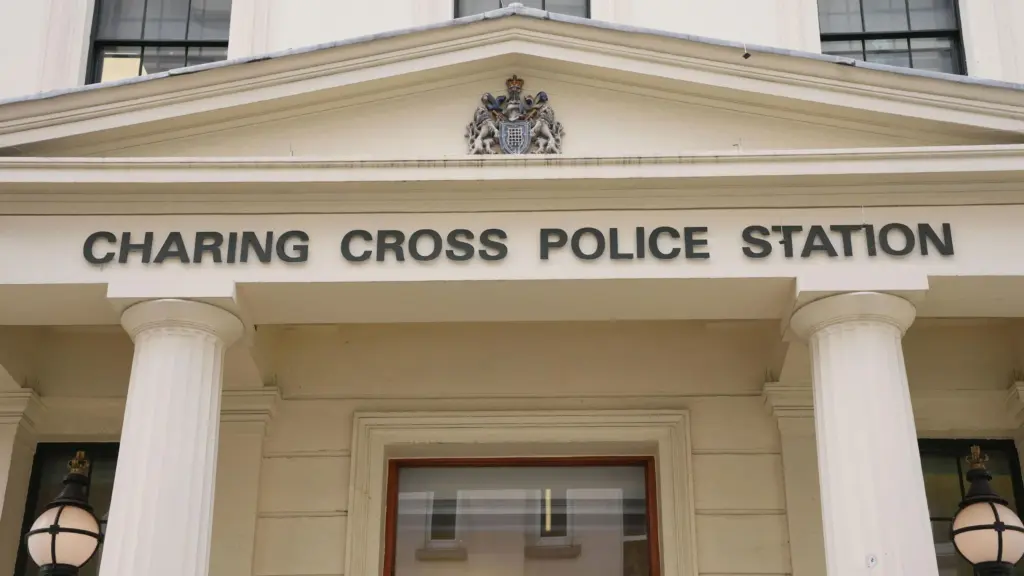
In recent events, a former officer from the Metropolitan Police has come under scrutiny for making inappropriate remarks about sensitive topics like sexual violence and racial discrimination. Brian Sharkey, who previously served at the Charing Cross police station, has been implicated in a controversy that sheds light on the broader implications of officer conduct in law enforcement. During a police misconduct hearing, footage surfaced where Sharkey discussed the gravity of these allegations with an alarming degree of casualness, suggesting a deeper issue within the police culture regarding serious accusations. The undercover footage not only captures troubling humor but also indicates a dismissive attitude towards systemic issues faced by minority communities. This incident underscores the urgent need for rigorous oversight and reforms aimed at addressing police misconduct and fostering accountability among officers.
Met Officer Jokes About Rape and Racism: A Shocking Revelation
The recent police misconduct hearing surrounding ex-constable Brian Sharkey has sparked outrage as it was revealed he not only joked about rape but also trivialized allegations of racism within the police force. Caught on undercover footage, Sharkey’s remarks displayed a deep-seated insensitivity towards serious issues that plague society, particularly regarding how law enforcement responds to allegations of rape and sexual assault. This incident is part of the wider Met Police scandal that has raised questions about accountability and the appropriateness of police conduct.
Critics argue that jokes about such grave matters not only undermine the serious nature of these allegations but also damage public trust in law enforcement. When officers like Sharkey trivialize rape and racism, it creates an impression that these topics are not treated with the gravity they deserve. This incident serves as a glaring reminder of the need for reform and heightened scrutiny within police departments, especially related to police misconduct and accountability.
The Impact of Police Misconduct on Community Trust
Police misconduct can have devastating effects on community trust, particularly when officers engage in behavior that trivializes serious crimes such as rape and racism. Brian Sharkey’s case has highlighted the repercussions of such misconduct, reinforcing the skepticism that many communities feel toward law enforcement. The perception that police officers do not take allegations of sexual assault seriously contributes to the reluctance of victims to come forward and seek assistance.
Moreover, when officers joke about racial profiling or dismiss claims of racial bias as mere excuses, it alienates entire communities. The implications of Sharkey’s actions could perpetuate a cycle of distrust and disengagement between the police and the public they are sworn to protect. As these issues come to light, it is crucial that police departments implement comprehensive training and policies that emphasize the seriousness of allegations involving sexual violence and racism.
Brian Sharkey’s Ill-Conceived Humor and Its Consequences
Brian Sharkey’s ill-conceived jokes may have seemed harmless to him, but they pose significant consequences for public perception of the police. By making light of serious allegations such as sexual offense and racial discrimination, Sharkey not only risked his career but also contributed to a culture that can undermine the integrity of law enforcement agencies. This case is particularly troubling because it represents a mindset that could be more prevalent among officers, reflecting a deeper issue of police conduct that needs to be addressed urgently.
The tribunal’s findings against Sharkey are an important step towards accountability, yet they may not be enough to restore faith among the communities affected by such misconduct. The impact of his remarks reinforces the need for police agencies to actively combat the normalization of harmful beliefs and behaviors. If officers continue to dismiss serious concerns with jokes, it could perpetuate a decline in trust that takes years to rebuild.
The Role of Undercover Footage in Exposing Police Malfeasance
Undercover footage has played a pivotal role in exposing police malfeasance, as evidenced by Brian Sharkey’s case. The BBC Panorama documentary revealed the shocking comments from the former Met officer, providing the public with an unfiltered glimpse into the attitudes that some officers hold. Such footage is crucial in holding police accountable and ensuring that misconduct is not swept under the rug. As it turns out, the public’s demand for transparency is met with significant evidence, forcing institutions like the Met Police to confront uncomfortable truths about their personnel.
This kind of investigative journalism not only shines a light on individual cases of misconduct but also raises broader questions about how police departments manage their officers and uphold standards of professionalism. The exposure of undercover footage emphasizes the importance of oversight and integrity within police work, ensuring that such damaging attitudes are not tolerated. As more evidence comes to light, it becomes increasingly evident that systemic issues must be addressed to restore public trust.
Racism in Police Practices: A Pressing Concern for Communities
Racism in police practices is a pressing concern that has garnered widespread attention, especially in light of Brian Sharkey’s light-hearted dismissal of racial bias claims during the misconduct hearing. His comments reflect an alarming attitude that can exacerbate existing tensions between law enforcement and minority communities. This incident highlights the need for police agencies to actively engage in discussions about racial equity and ensure that their practices do not perpetuate systemic discrimination.
When police officers dismiss concerns of racial profiling as ‘spurious excuses,’ it undermines the legitimacy of those experiences. Communities affected by such biases deserve to have their voices heard and their concerns addressed seriously. The call for anti-racism training and public accountability is more critical than ever, as only then can police organizations hope to bridge the gap between themselves and the communities they serve.
The Importance of Transparency in Police Conduct
Transparency in police conduct has never been more important, especially in the wake of revelations about officers like Brian Sharkey, whose conduct was called into question during a misconduct hearing. The release of undercover footage that exposed Sharkey’s jokes about rape and racism serves as a clarion call for policing agencies to practice openness regarding their internal affairs. Engaging the public through transparent processes not only builds trust but also ensures accountability for misconduct.
When police forces embrace transparency, they send a message that they are willing to confront their shortcomings and rectify them. This approach can help combat the same skepticism that surrounds police practices today, fostering a more cooperative relationship with the communities they serve. Public inquiries and open forums about officer conduct should become the norm, helping to mitigate the damages caused by instances of police misconduct.
Community Reactions to Police Misconduct: A Call for Change
The community’s reaction to police misconduct, exemplified by the case of Brian Sharkey, is indicative of a growing demand for change within law enforcement. When members of the public observe officers joking about serious issues such as rape and racism, it creates outrage and a desire for systemic reform. Many community leaders and activists are calling for more stringent regulations regarding police behavior to ensure that such incidents do not continue to happen.
This push for change is fueled by a broader call for social justice and the recognition that police conduct must evolve to reflect community values and needs. Ongoing dialogue between police departments and the communities they serve is essential in addressing these misconduct issues. As public outrage mounts, the stakes become higher for police agencies to prioritize ethics and community relations.
Undercover Investigations: A Tool for Accountability
Undercover investigations, as showcased in the BBC Panorama documentary, have emerged as a powerful tool for holding police accountable for their actions. The documentation of Brian Sharkey’s remarks highlights the effectiveness of this investigative approach in uncovering deep-seated issues within police culture. By using hidden cameras, journalists can expose inappropriate behaviors that might otherwise remain unseen, prompting necessary public dialogue about police conduct and accountability.
Such investigative efforts can lead to real-world consequences for individuals like Sharkey, who may have otherwise remained shielded from repercussions due to the silence surrounding police misconduct. The insights gained through undercover work compel law enforcement agencies to reassess their internal standards and foster a culture of accountability that prioritizes ethical behavior. As these revelations continue to come to light, they serve as a reminder of the essential role of journalism in shaping police practices.
The Path Forward: Addressing Police Misconduct and Building Trust
Addressing police misconduct in light of troubling cases like Brian Sharkey’s requires a multi-faceted approach that prioritizes accountability and community engagement. To foster trust, police forces must take clear steps to address not only individual instances of misconduct but also the systemic issues that allow such behavior to persist. Establishing mechanisms for reporting misconduct and ensuring that officers are held accountable for their actions is vital.
Moreover, proactive community outreach can help to rebuild relationships strained by incidents of police misconduct. Engaging with community members to listen to their concerns and experiences can pave the way for constructive dialogue and reform within police departments. Ultimately, the path forward hinges on a commitment to ethical policing and a dedication to establishing a law enforcement culture that respects and upholds the dignity of all individuals.
Frequently Asked Questions
What happened with the Met officer Brian Sharkey regarding jokes about rape and racism?
Brian Sharkey, a former Met officer, was filmed making inappropriate jokes about rape and racism during undercover footage for a BBC Panorama documentary. His comments, deemed ‘ill-conceived,’ raised serious concerns about police misconduct and public trust in the handling of serious allegations like sexual assault.
How did the Met Police respond to Brian Sharkey’s jokes about sexual assault?
The Met Police, represented by lawyer Cecily White, stated that Brian Sharkey’s jokes about rape and sexual assault were concerning as they undermined the seriousness of these allegations. The quotes made by Sharkey could foster public skepticism regarding how seriously police treat such offenses.
What context did Brian Sharkey provide for his jokes about racism in the police?
Brian Sharkey claimed that his remarks regarding racial bias were taken out of context and asserted that his intentions were not disrespectful. However, his comments suggested a lack of recognition for the legitimate concerns surrounding racial profiling and the use of stop and search powers.
What were the consequences for Brian Sharkey following the undercover footage revelations?
Brian Sharkey’s misconduct hearing is ongoing and stems from his inappropriate remarks made in the undercover footage, which has already resulted in the dismissal of seven other officers for gross misconduct. His actions raised important discussions about racism in police and accountability.
What does the Met officer scandal involving Brian Sharkey symbolize in terms of police misconduct?
The Met officer scandal involving Brian Sharkey serves as a stark indication of the broader issues of police misconduct, especially regarding attitudes toward serious topics like rape and racism. The revelations challenge the integrity of the police force and highlight the need for reform and accountability in law enforcement practices.
How has public trust been affected by Brian Sharkey’s jokes about rape and racism in the police force?
Brian Sharkey’s jokes about rape and racism have the potential to significantly erode public trust in the police force. Such behavior portrays a lack of seriousness towards critical issues and raises alarms about the perception and treatment of victims seeking justice.
What was the public’s reaction to the undercover footage of Met officer Brian Sharkey?
The public reacted with outrage to the undercover footage of Met officer Brian Sharkey joking about rape and racism. This incident ignited discussions on police misconduct, accountability, and the importance of treating allegations of crime with the seriousness they deserve.
What lessons can be learned from the Met Police scandal involving jokes about rape and racism?
The Met Police scandal involving Brian Sharkey illustrates the necessity for police forces to foster a culture of respect and seriousness regarding all allegations, especially those related to sexual assault and racism. It underscores the need for ongoing training, oversight, and accountability measures in law enforcement.
| Key Point | Details |
|---|---|
| Met Officer’s Remarks | Brian Sharkey made inappropriate jokes about rape and racial bias captured on hidden camera. |
| Public Concern | Jokes about serious allegations undermine public trust in police handling such issues. |
| Context of Comments | Sharkey made jokes while off-duty and questioned the credibility of a junior officer. |
| Dismissal of Other Officers | Seven officers were dismissed for separate incidents involving gross misconduct. |
| Hearing Outcome | Sharkey’s misconduct hearing is ongoing with implications for his policing career. |
Summary
The incident involving a Met officer joking about rape and racism underscores the serious implications of such behavior in law enforcement. The Met officer’s jokes about rape and racism not only reflect poorly on individual conduct but also pose a threat to public trust and the integrity of the police force. As the misconduct hearing continues, the need for accountability and a serious approach to allegations of misconduct is vividly apparent.