
Listen to this article
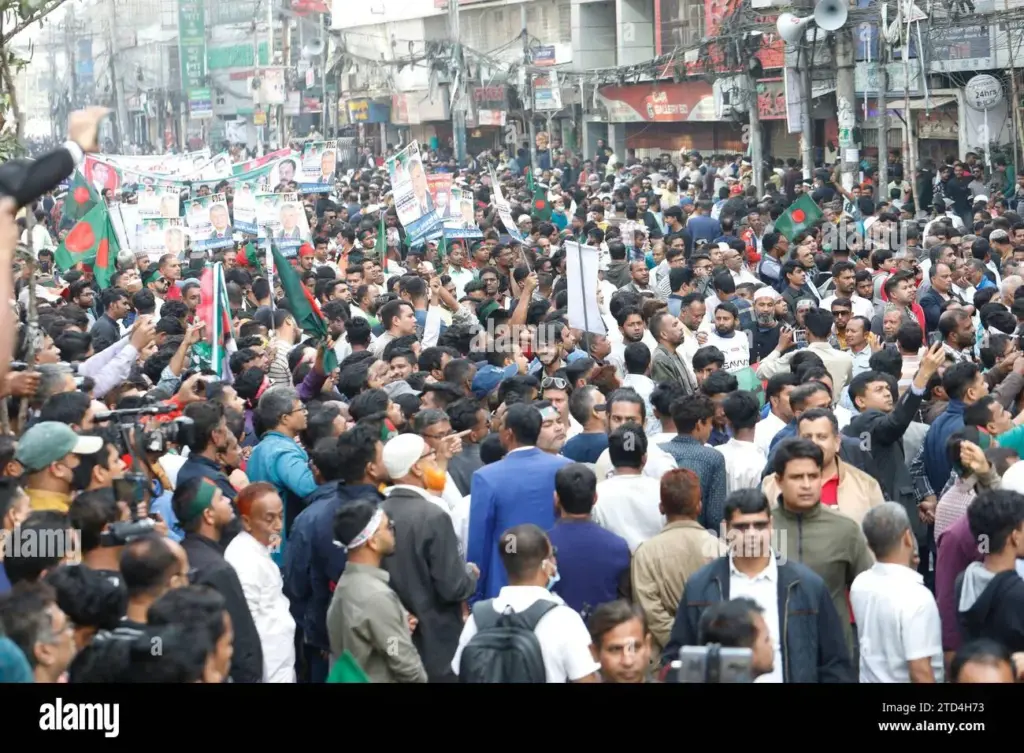
The recent Bangladesh Nationalist Party victory marks a monumental shift in the nation’s political landscape, as the opposition party secures a decisive triumph in the general election. Emerging from a backdrop of intense public dissent and government repression, the BNP’s successful campaign signals a call for democratic reforms in Bangladesh. With Tarique Rahman positioned to assume the role of prime minister, the nation looks toward potential political changes that could revive its economy and restore civil liberties. This election comes at a crucial time, as voters expressed their desire for change following years of authoritarian rules under Sheikh Hasina. As the close ties between neighboring countries are reassessed, the implications of this BNP election win resonate beyond domestic politics, appealing to broader regional interests.
In a historic turn of events, the Bangladesh Nationalist Party’s recent electoral triumph has heralded a new era in the nation’s governance, suggesting a profound transformation on the horizon. The sweeping victory in the Bangladesh general election 2024 underscores the electorate’s yearning for fresh leadership and inclusive policies. With Tarique Rahman poised to lead amidst mounting challenges, there is a heightened expectation for innovative strategies that foster economic revival and political stability. As Bangladesh navigates its path forward, the call for democratic reforms in Bangladesh will likely shape discussions and policies in forthcoming political arenas. Given the formidable legacy of both Rahman and his party, the promise of significant political changes in Bangladesh is now more palpable than ever.
Breakdown of the Bangladesh Nationalist Party Victory
In a landmark victory, the Bangladesh Nationalist Party (BNP) decisively swept the general election, securing more than two-thirds of the parliamentary seats. This success comes just 18 months after the tumultuous uprisings that led to the ousting of Sheikh Hasina, the long-standing prime minister. With the Awami League barred from participating, the BNP faced little opposition, further amplifying their win. This election is historic not just for the BNP, but for the political landscape of Bangladesh itself, marking a definitive shift toward a potentially more democratic governance after years of authoritarianism, enriching the narrative around the impending political changes in Bangladesh.
The BNP’s victory has not only altered the immediate electoral landscape but has also raised significant questions about the future of democracy in Bangladesh. As the party prepares to take the reins of power, it must navigate challenges from opposition parties questioning the legitimacy of the elections. Moreover, the upcoming tenure will demand significant reforms in governance to address long-standing issues such as economic stability and citizen representation. Many analysts see this as a critical moment for democratic reforms in Bangladesh and the BNP’s chance to prove its commitment to change.
Tarique Rahman: The Expected Prime Minister’s Challenges Ahead
Tarique Rahman stands on the brink of becoming Bangladesh’s next prime minister, inheriting a country fraught with challenges. With a history steeped in political lineage, Rahman must now prove that he can deliver real change to a populace tired of authoritarian practices. His immediate focus will likely be on economic recovery and tackling the rising cost of living, essential for securing public support. Under the cloud of his party’s controversial past, Rahman must advocate for democratic reforms while ensuring public trust and transparency in governance, crucial for a successful term.
Moreover, Rahman’s return to Bangladesh after a lengthy exile positions him as a relatively untested leader amid tumultuous political waters. His past, marred by allegations of corruption while the BNP was in power, creates a complex legacy that he must reconcile with voters eager for accountability. With a large youth demographic and widespread expectations for significant changes, Rahman is under pressure to revitalize the political climate and deliver on his campaign promises regarding democracy and governance.
The Future of Political Reforms in Bangladesh
The electoral success of the BNP ushers in an era poised for significant political reforms. With proposals including constitutional changes to introduce term limits for the prime minister and enhance governmental structures, the potential for a more democratic political framework is at hand. However, the path to implementing these changes will require skillful diplomacy and consensus-building amongst lawmakers. As the BNP charts a way forward, its approach will be critical in establishing a political culture that prioritizes reform and inclusiveness for all Bangladeshis.
Furthermore, the proposed reforms include provisions for increasing judicial independence and ensuring greater representation for women in parliament. Despite this promise, the election highlighted disparities in female representation, a topic that must be addressed earnestly to effect real change in political dynamics. Engaging women in the political process is not only a matter of equality but also of enriching democratic dialogue in Bangladesh, which has long been characterized by male-dominated politics.
Youth Voices in the Wake of the General Election
The recent election results have provided a renewed sense of hope for the youth of Bangladesh who played a pivotal role in the protests leading to the BNP’s triumph. Many young voters rallied behind the BNP, desiring a departure from past political practices and a commitment to genuine democratic change. As they express their aspirations for progress and reform, the new government must be attuned to the voices of a demographic that represents one of the youngest populations in the world. The engagement of young people in political dialogue can significantly influence the BNP’s policymaking as they advocate for initiatives that address their concerns.
However, the challenge remains for Rahman’s administration to convert enthusiasm and optimism into tangible action. Many young voters, like Shima Akhter, have emphasized the importance of accountability and responsiveness from their leaders. The expectations are high, and failure to deliver on promises could lead to disillusionment among a generation that has already been politically activated. The BNP’s strategies in responding to these sentiments will determine its legitimacy and sustainability in power moving forward.
Legitimacy and Controversies Surrounding the Elections
The legitimacy of the recent general election remains contentious, as significant political players like the Awami League were barred from participating. Allegations of voting irregularities cast further doubt on the electoral process, with both the BNP and Jamaat-e-Islami pointing fingers at one another. Critics argue that such circumstances compromise the integrity of the democratic process, which is essential for a healthy political environment. Both major parties need to engage in constructive dialogue to address these concerns and work toward a more inclusive electoral system in the future.
As the BNP navigates these challenges, the response from international observers and neighboring countries, particularly India, will also be crucial. While Prime Minister Modi’s congratulatory note highlights a positive start, ongoing international scrutiny may serve as a touchstone for ensuring that democratic norms are maintained. Bangladesh’s ability to earn the recognition of the global community hinges on the transparency and effectiveness of its new government in rectifying any past shortcomings.
Implications for Bangladesh’s Economic Landscape
The BNP’s election victory brings with it pressing economic implications that Rahman must address. With the populace grappling with rising food prices and economic distress, his administration is under significant pressure to enact effective policies that revive growth and stabilize prices. Emphasizing job creation and economic reforms will be vital for securing the support of the youth demographic that desires tangible improvements in their daily lives.
Moreover, the relationship with neighboring India, which has expressed its willingness to support Bangladesh’s economic revitalization, is crucial. Strengthening ties with India could facilitate trade agreements that benefit both nations and lead to joint economic initiatives. As Rahman settles into his role, developing a clear economic strategy that capitalizes on regional partnerships will be essential for fostering a robust and sustainable economic landscape.
Public Sentiments on Political Changes
The recent electoral shifts have prompted a wave of public sentiment regarding the future of governance in Bangladesh. Many citizens express relief at the change from Hasina’s long-standing rule, hoping for a government that respects democratic norms and addresses past grievances. The BNP’s promise to re-establish democratic principles resonates strongly, especially in light of the youth-led protests that catalyzed this political upheaval.
Conversely, skepticism persists regarding the BNP’s ability to enact meaningful change. Historical context weighs heavily on the minds of voters who remember corruption scandals under previous administrations. Moving forward, the BNP must continually engage with the public, demonstrating commitment to transparency and accountability to restore faith in government institutions and ensure long-term stability and support.
Women’s Political Representation in Focus
The recent general election has intensified discussions around women’s political representation in Bangladesh. Despite the BNP’s promises to enhance female engagement in governance, the results reflect an ongoing underrepresentation of women, highlighting structural barriers that persist. Activists and commentators point out that substantial reforms are necessary to overcome these challenges, advocating for initiatives that actively encourage women’s participation across political spectrums.
Grassroots movements led by young women have brought attention to these issues, emphasizing the need for legislation that mandates gender parity within political parties. As the new government takes shape, it will be imperative for Rahman and the BNP to prioritize inclusion and equity in their policies, not only to meet democratic ideals but also to empower a generation of women eager to take part in shaping their nation’s future.
Looking Ahead: The Path Forward for BNP
The road ahead for the Bangladesh Nationalist Party is fraught with both opportunity and challenge. As the party assumes power in a unique political climate shaped by recent protests, the demand for robust governance and genuine democratic engagement is paramount. Rahman’s leadership will be scrutinized for its effectiveness in translating electoral promises into actionable policies that resonate with the electorate.
Ultimately, the success of the BNP will hinge on its ability to forge a new political narrative—one that prioritizes transparency, accountability, and the empowerment of all citizens. As the theme of democratic reforms plays out, the political landscape will continuously evolve, with citizens remaining vigilant and active in advocating for the changes they wish to see. For Rahman, the task at hand is not merely to maintain power, but to redefine the political culture in Bangladesh, ensuring a legacy built on principle and responsiveness to the electorate.
Frequently Asked Questions
What does the BNP election win mean for Bangladesh’s political landscape?
The BNP election win represents a significant shift in Bangladesh’s political landscape, marking the end of Sheikh Hasina’s long-standing rule. With the BNP capturing a majority of parliamentary seats, it signals a demand for democratic reforms and a rejuvenation of civil liberties after years of authoritarian governance.
How could Tarique Rahman’s leadership affect Bangladesh’s future?
Tarique Rahman’s leadership is anticipated to bring about substantial changes, focusing on economic revitalization and restoring democratic principles. His administration may prioritize addressing inflation, unemployment, and improving international relations, especially with India.
What are the implications of the 2024 Bangladesh general election for democratic reforms?
The implications of the 2024 Bangladesh general election are significant as the BNP pledges to implement democratic reforms. This includes proposed constitutional amendments aimed at enhancing presidential powers and establishing term limits for the prime minister, creating a more balanced political framework.
How did the Bangladesh Nationalist Party regain power after 15 years?
The Bangladesh Nationalist Party regained power after 15 years of Awami League governance primarily due to widespread protests that culminated in a public demand for change. The unchallenged BNP capitalized on the political landscape following the ousting of Hasina, leading to a decisive election victory.
What challenges will Tarique Rahman face as the new prime minister?
Tarique Rahman will face several challenges as the new prime minister, including economic recovery, managing food prices, job creation, and navigating regional diplomacy, particularly with India. His administration will also need to address public expectations for democratic reforms.
What role did young voters play in the BNP election victory?
Young voters played a crucial role in the BNP election victory, particularly as they participated actively in protests against the previous regime. Their desire for change and democratic governance was reflected in the high voter turnout and support for candidates promising reforms.
What criticisms has the BNP faced regarding women’s representation in politics?
The BNP has faced criticisms regarding the lack of female candidates in its ranks during the recent elections, with many calling for greater representation of women in governance. Despite promises of change, the party’s efforts appear insufficient given the low number of successful female candidates.
Are there concerns about the legitimacy of the BNP’s election win?
Yes, there are concerns about the legitimacy of the BNP’s election win, especially from the Awami League, which was barred from contesting. Allegations of irregularities have been raised, casting a shadow over the electoral process and the motives behind the political changes.
What historical significance does the BNP victory hold for Bangladesh?
The BNP victory holds historical significance as it marks the first time in decades that both Sheikh Hasina and Khaleda Zia, two of Bangladesh’s most influential political figures, are absent from power. This shift opens a new chapter in the country’s political history, emphasizing the electorate’s desire for change.
| Key Point | Details |
|---|---|
| Landslide Victory | The Bangladesh Nationalist Party (BNP) won over two-thirds of the parliamentary seats. |
| Tarique Rahman as Prime Minister | Tarique Rahman is expected to be the next prime minister, addressing past issues of economy and democracy. |
| Absence of Major Leaders | Sheikh Hasina and Khaleda Zia, significant figures in previous administrations, did not participate in the election. |
| Election Legitimacy Concerns | Awami League raised objections over the election’s legitimacy due to their barring from participation. |
| Youth Demographics | Bangladesh has a young population that is seeking economic growth and change. |
| Criticism of Candidate Representation | Both the BNP and Jamaat received backlash for not fielding enough female candidates. |
Summary
The Bangladesh Nationalist Party victory marks a pivotal moment in the political landscape of Bangladesh, as they claim leadership after a significant uprising. As Tarique Rahman prepares to take on the role of prime minister, the party faces the dual challenges of reviving the economy and restoring democracy in a country that has witnessed years of authoritarian governance. With the absence of longstanding leaders and the introduction of a fresh political paradigm, this election signifies both opportunities and risks. The incoming government must pay close attention to its young electorate, who are eager for tangible change. The path forward includes addressing concerns over representation and governance to fulfill the promises of a brighter future.

