
Listen to this article
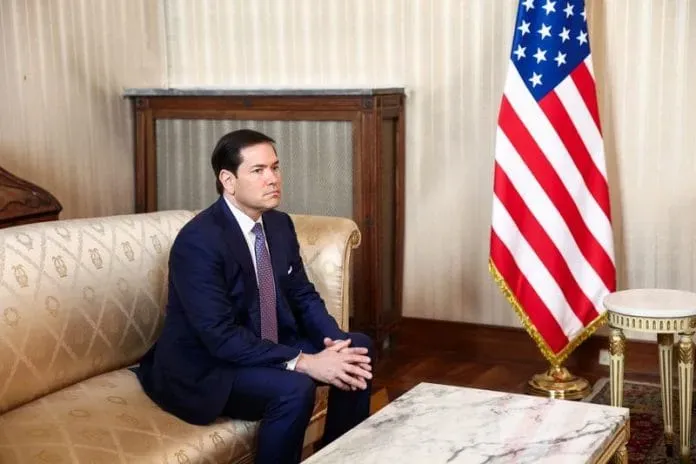
At the center of international discussions, the Rubio Munich Security Conference promises to be a pivotal event for US-European relations in 2023. As US Secretary of State Marco Rubio prepares to deliver a crucial speech, many are eager to see how his message will shape the future of transatlantic trust amidst evolving geopolitics. This year’s gathering takes on heightened significance in light of ongoing conflicts such as the war in Ukraine and rising tensions with China. Observers will closely analyze Rubio’s words for insights on the United States’ commitment to NATO and collective security strategies. As global leaders convene in Munich, the implications of Rubio’s speech could resonate throughout Europe, influencing policy directions and international diplomacy in the years to come.
The upcoming Munich Security Conference, where key figures in global diplomacy converge, signals an urgent reassessment of transatlantic dynamics. Marco Rubio’s imminent address is seen as an essential commentary on US engagement with Europe, particularly given the recent transformations in geopolitical alliances. As discussions unfold surrounding topics like the Russo-Ukrainian conflict and Western security measures, the importance of understanding the intricate web of US-Europe relations will be paramount. The conference serves as a barometer for the health of international partnerships, analyzing how historical trust can navigate the choppy waters of modern diplomacy. Insight into these matters during the Munich summit may redefine collaborative strategies as nations seek to address emerging global challenges.
The Significance of Rubio’s Munich Security Conference Speech
US Secretary of State Marco Rubio’s upcoming speech at the Munich Security Conference is set against a backdrop of significant global tensions and evolving geopolitical dynamics. With major discussions planned on the war in Ukraine, US-Europe relations, and the future of NATO, Rubio’s message is anticipated to be a critical factor in revitalizing transatlantic trust. His acknowledgment of a ‘new era’ in geopolitics indicates a shift in diplomatic approaches, recognizing the urgency for a unified response among Western allies.
Rubio’s insights are particularly relevant as he represents the US at a time when European nations are seeking clarity on America’s commitment to NATO and their own security concerns. The Munich Security Conference serves as a vital platform for leaders to engage in dialogue and reinforce alliances, especially in light of previous tensions regarding the US leadership’s approach toward Europe. By addressing these issues directly, Rubio has the potential to mend fences and foster more robust cooperation with European partners.
US and Europe: Navigating a New Era in Geopolitics
As geopolitical landscapes shift, the relationship between the US and Europe is more critical than ever. Rubio’s remarks about the need to ‘re-examine’ roles and responsibilities will likely resonate with European leaders who feel uncertain about America’s reliability as an ally. The discussions at the Munich Security Conference this year focus not only on military alliances but also on shared democratic values and economic partnerships. Strengthening these ties is essential in confronting challenges posed by global powers such as China and Russia.
The Munich Security Conference 2023 will allow leaders to address fundamental concerns about defense policies, demonstrating to the European public that the US remains committed to a secure Europe. With former ambassadors and military leaders advocating for continued support of NATO, the event could mark a turning point in how both sides approach future challenges in geopolitics. A renewed commitment to collaborative security measures could be the foundation for stronger US-Europe relations moving forward.
The Role of Transatlantic Trust in Defense Cooperation
Transatlantic trust is under scrutiny as Europe grapples with its defense strategies in the wake of increasing threats from both Russia and potential instability in Asia. The Munich Security Conference serves as a crucial venue to revive these essential ties, especially with Rubio emphasizing cooperation between the US and its European allies. Statements from leaders like German Chancellor Friedrich Merz point to a collective desire to ‘repair and revive’ this trust, highlighting the imperative for a united front in facing contemporary security challenges.
The discussions will undoubtedly include the contentious issues surrounding military expenditure and the establishment of independent European defense initiatives. These dialogues are essential in ensuring that past grievances do not hinder future cooperation. By reinforcing the belief in a strong transatlantic bond, the US and European nations can forge a more strategic partnership that bolsters collective defense, which is paramount in today’s complex geopolitical environment.
European Leaders & The Response to Russian Aggression
The ongoing war in Ukraine has underscored the necessity for a robust European response to Russian aggression. As US Secretary of State Rubio prepares to address the Munich Security Conference, the conversations surrounding European defense capabilities will be paramount. Leaders, including President Emmanuel Macron, are expected to propose collaborative efforts aimed at enhancing military preparedness, ensuring that Europe can effectively counter any external threats without solely relying on US support.
The ramifications of the Russian invasion have prompted European nations to reassess their defense strategies. Many countries are now considering increased military spending and developing more independent defense frameworks, as evidenced by proposals for joint deterrents among European powers. This evolution in defense policy will be a focal point of discussion at the conference, as leaders strive to present a united front against potential aggressors, thereby enhancing security for both Europe and the transatlantic alliance.
Addressing Challenges in the US-China Relations
Amidst the strategic dialogue at the Munich Security Conference, the relationship between the US and China cannot be overlooked. Rubio’s engagement with Chinese Foreign Minister Wang Yi signifies a move towards alleviating tensions that have characterized US-China interactions in recent years. Issues ranging from trade disputes to territorial sovereignty over Taiwan are central to these discussions, and they highlight the intricate balancing act required to maintain stability in this crucial bilateral relationship.
The discourse surrounding US foreign policy towards China will likely shape the overall agenda at the conference. As Rubio outlines the US’s stance on cooperative engagements while safeguarding national interests, European allies will seek clarity on how they can align their policies with American strategies. This alignment is essential not only for economic reasons but also for maintaining a strategic balance in global geopolitics, especially as both nations navigate their roles in the Indo-Pacific region.
Implications of the Munich Security Conference for Global Security
The Munich Security Conference stands as a critical platform for global leaders to engage in dialogue on pressing security matters. With Rubio’s anticipated speech highlighting the US’s renewed commitment to transatlantic relations, the implications for global security are profound. This year’s conference will not only address European security but also engage with broader themes such as emerging threats from state and non-state actors, necessitating a collaborative and comprehensive security strategy.
Furthermore, the conference serves to unify disparate voices in a fragmented geopolitical landscape, offering a chance for leaders to mold a collective security framework that addresses both European concerns and global stability. Attendees will be looking to forge alliances that extend beyond mere political posturing, focusing instead on actionable partnerships that can mitigate risks and reinforce security throughout Europe and beyond.
Assessing the Future of NATO in a Changing World
As NATO faces new security challenges, discussions at the Munich Security Conference will undoubtedly examine the Alliance’s role in contemporary geopolitics. Rubio’s participation represents the US’s dedication to NATO’s foundational principles while also addressing recent critiques of the Alliance’s effectiveness. With tensions regarding NATO spending and strategic commitments, this conference could mark a significant moment for re-evaluating NATO’s global role and reinforcing collective defense assurances among member states.
European leaders are increasingly recognizing that for NATO to remain relevant, it must adapt to the evolving security landscape. The anticipated proposals concerning defense collaborations may lead to a revitalization of NATO’s strategies, ensuring they align with contemporary threats ranging from cyber warfare to state-level aggressions. As dialogues unfold, the emphasis on solidarity and shared responsibility will be critical in reinforcing NATO’s standing as a pillar of transatlantic security.
The Impact of Domestic Politics on Foreign Policy
Domestic politics have a profound influence on foreign relations, particularly in the context of US-Europe relations. Rubio’s upcoming address at the Munich Security Conference comes on the heels of tumultuous political shifts within the United States, necessitating a transparent and strategic dialogue on America’s international commitments. How these internal dynamics play out could either bolster or hinder the effectiveness of the US diplomatic approach, particularly as it pertains to collaborative efforts in Europe.
European leaders will be closely monitoring the implications of US domestic policies on transatlantic relations, especially following past instances of unilateral actions that have strained trust. If Rubio can convey a clear and consistent US foreign policy outlook, it may enhance confidence among European nations, leading to more robust cooperative measures on shared security interests. The ongoing dialogue about the need for unity amidst domestic challenges is essential for fortifying the transatlantic alliance.
Reflections on US Commitment to NATO and the Future of Europe
In light of recent critiques regarding the US’s steadfastness towards NATO, Rubio’s remarks at the Munich Security Conference will be pivotal in clarifying America’s dedication to European security. As leaders gather to reflect on past policies, the emphasis will likely be on reinforcing NATO’s collective defense clause and ensuring that member nations view the US as a reliable ally. This dialogue is crucial for maintaining the foundational trust that underpins the transatlantic relationship.
Leaders from various European nations are sure to place emphasis on shared defense initiatives, highlighting the importance of collaboration in addressing evolving threats. As discussions unfold, Rubio’s commitments will not only shape the future of NATO but also signify a broader acknowledgment of Europe’s role in global security dynamics. The implications of these conversations could resonate far beyond Munich, influencing how the Western world navigates future challenges.
Frequently Asked Questions
What key themes will Marco Rubio address at the Munich Security Conference 2023?
At the Munich Security Conference 2023, Marco Rubio is expected to discuss significant themes such as a new era in geopolitics, US-Europe relations, the implications of the war in Ukraine, tensions with China, and the importance of reviving transatlantic trust amidst evolving global dynamics.
How does Rubio’s speech at the Munich Security Conference relate to US and Europe relations?
Rubio’s speech at the Munich Security Conference will highlight the need for a reevaluation of US and Europe relations in light of changing geopolitical situations, emphasizing cooperation in defense and addressing shared security concerns, especially regarding NATO.
What recent events have strained transatlantic trust leading up to the Munich Security Conference?
Recent events, including threats made by US officials regarding Denmark’s sovereignty and the introduction of tariffs by the US administration, have strained transatlantic trust, highlighting the need for dialogue at the Munich Security Conference to restore confidence between allies.
What was emphasized by European leaders in the context of the 2023 Munich Security Conference?
European leaders, such as German Chancellor Friedrich Merz and French President Emmanuel Macron, have emphasized the importance of repairing transatlantic trust and the necessity of developing a joint European nuclear deterrent, reflecting concerns over the security landscape at the Munich Security Conference.
How does the Munich Security Conference 2023 address the implications of the war in Ukraine?
The Munich Security Conference 2023 will address the implications of the war in Ukraine by facilitating discussions among world leaders about collective security measures, the future of NATO, and strategies to enhance European defense cooperation in response to current threats.
What strategies are being discussed regarding US-China relations at the Munich Security Conference?
At the Munich Security Conference, discussions are expected to focus on strategies to alleviate tensions in US-China relations, particularly around trade, tariffs, and security issues such as Taiwan, as highlighted by interactions between Rubio and Chinese officials.
What can we expect from Rubio’s approach during his speech at the Munich Security Conference compared to last year’s?
Rubio’s approach during his speech at the Munich Security Conference is anticipated to be less confrontational than last year’s remarks made by Vice-President JD Vance, focusing instead on seeking clarity from European allies about shared goals and cooperative efforts.
Why is the Munich Security Conference significant for discussions on geopolitics in 2023?
The Munich Security Conference is significant for discussions on geopolitics in 2023 as it brings together key global leaders to address pressing security challenges, foster international cooperation, and reaffirm commitments to NATO amid rising global tensions and shifting power dynamics.
| Key Points | Details |
|---|---|
| Rubio’s Speech at Munich Security Conference | Marco Rubio, US Secretary of State, is set to address the Munich Security Conference, highlighting a pivotal change in geopolitics. |
| Focus on European Relations | Rubio aims to reassure Europe of the US commitment amid rising tensions characterized by President Trump’s controversial comments. |
| Important Topics of Discussion | The conference will address pressing issues such as the war in Ukraine, tensions with China, and a potential nuclear deal with Iran. |
| European Leadership’s Response | European leaders, including Emmanuel Macron, stress the need for collaborative approaches and nuclear deterrents. |
| Former Diplomats’ Warning | An open letter from former US NATO ambassadors emphasizes the importance of sustaining support for NATO. |
| Concerns Over Transatlantic Trust | Many European leaders indicate that US threats to Denmark undermine trust, and they seek to reaffirm relationships. |
| Future of Transatlantic Cooperation | Discussions will seek to clarify commitment and strategies for future transatlantic cooperation amid a changing geopolitical landscape. |
Summary
Rubio’s address at the Munich Security Conference marks a crucial moment in transatlantic relations amidst evolving geopolitical dynamics. As the conference unfolds, the focus on re-establishing trust and cooperation presents a significant opportunity for Europe and the US to navigate their shared challenges collaboratively.

