
Listen to this article
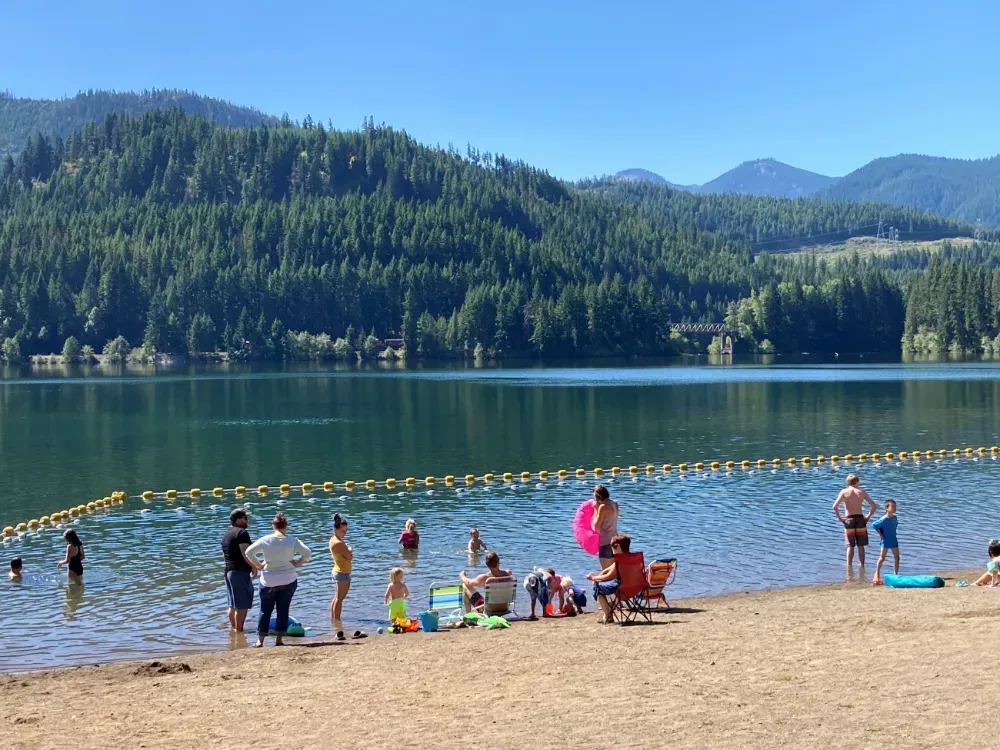
Designated swimming spots are becoming increasingly popular across the UK, offering safe and welcoming environments for outdoor swimmers. The government recently proposed 13 new official bathing locations, including stunning sites along the River Thames and in picturesque Yorkshire. These swimming sites UK wide are set to receive regular water quality checks, enhancing the safety of these beloved bathing sites for all users. Access to such well-maintained swimming areas not only promotes community spirit but also encourages families to enjoy leisurely days by the water. As more people seek the refreshing experience of swimming in rivers and along coasts, the push for cleaner and safer designated swimming spots becomes paramount.
When exploring exciting rivers and shores ideal for a dip, alternative swimming areas come to mind. Often referred to as bathing sites or swimming zones, these recreational locations offer vibrant experiences for all ages. With the increasing focus on safety and environmental sustainability, the movement towards recognizing official swimming spots has gained momentum. Establishing these sites not only provides a safe haven for water activities but also cultivates a culture of community wellness and outdoor enjoyment. Whether it’s embracing the tranquillity of river swimming or the thrill of beach days, the call for designated swimming locales resonates throughout the UK.
Exploring London’s First Official Bathing Spot on the Thames
The proposed designation of an official bathing location on the River Thames marks a significant moment in London’s history. Once considered biologically dead in the 1950s, the Thames has undergone a tremendous transformation in water quality thanks to robust conservation efforts. Swimmers can now look forward to enjoying this iconic river safely at designated swimming spots, facilitating a vibrant community atmosphere whereby families and swimmers of all ages gather for outdoor activities. As the government seeks to increase the number of official bathing sites across England, this advancement aligns with the broader goal of improving water quality in public areas.
Regular water quality testing at these designated spots on the River Thames will ensure swimmer safety and bolster confidence in engaging with the water. As water minister Emma Hardy highlighted, rivers like the Thames are integral to community life, providing spaces for leisure and recreation. Overall, transforming areas of the Thames into official bathing locations not only serves the public but also exemplifies how committed efforts can rejuvenate urban waterways, making them truly welcoming environments for swimming in rivers.
The Importance of Swimming Sites in the UK
Swimming sites across the UK are essential in promoting public health and well-being. These designated swimming spots, officially recognized and regularly tested for water quality, offer families safe environments to enjoy activities such as swimming and sunbathing. Locations like the breathtaking River Swale in Yorkshire and the serene Newton and Noss Creeks in Devon exemplify how natural beauty can be harnessed for recreational use. By designating more sites, the government not only increases access to safe swimming locations but also raises awareness about the need for preserving these precious natural resources.
In addition to their recreational value, swimming sites foster a sense of community. As locals and visitors alike gather at official bathing locations, they create lasting memories and engage with nature. This communal aspect becomes even more important amidst growing urbanization, as green and blue spaces provide essential relief from busy city life. By advocating for the establishment of new swimming locations and prioritizing their maintenance and safety, communities can cultivate outdoor spaces that bring people together.
Safety Measures for Designated Bathing Sites
Designated bathing sites are subject to essential safety measures that ensure the well-being of all swimmers. Regular water quality testing is at the heart of this initiative; it helps to determine whether the water is safe for recreational use. Monitoring bacteria levels, nutrients, and pollutants allows authorities to take necessary actions; for instance, issuing warnings or closing sites when water conditions are below acceptable standards. Such measures provide peace of mind for swimmers and their families, allowing them to focus on enjoying their time in the water.
Safety at these bathing sites is also supported by informative signage and rescue facilities, which further enhance the swimming experience. Visitors to locations like the River Dee in Chester can find helpful information on safety regulations, ensuring a responsible and enjoyable experience for all. As designated swimming spots offer both enjoyment and safeguard measures, they play a crucial role in promoting healthy recreational activities while protecting the natural environment.
Wild Swimming Trends in the UK
Wild swimming has surged in popularity across the UK, with more individuals seeking outdoor experiences. Designated swimming sites bring credibility to this emerging trend, offering safe and water-quality-tested locations for those wishing to swim in natural settings. The blending of outdoor adventure with safety standards connects traditional swimming with the wild swimming movements, encouraging a wide demographic of swimmers to explore rivers and beaches with confidence.
Additionally, wild swimming promotes a deeper connection to nature, enhancing the mental and physical health benefits associated with outdoor activities. Locations like the River Thames and the tranquil beaches of East Beach at West Bay exemplify how natural beauty can inspire and attract swimmers. The government’s emphasis on creating more official bathing sites aligns perfectly with the rising interest in this activity, ensuring that swimming enthusiasts can enjoy the great outdoors sustainably and safely.
Environmental Impact of Designated Swimming Locations
The establishment of designated swimming locations has a profound ecological impact. These sites require that regular assessments are conducted to monitor water quality, leading to improved overall health for aquatic ecosystems. Increased scrutiny of rivers and beaches encourages environmental action and awareness among local communities, helping to rehabilitate areas that have faced pollution and neglect over the years. This approach not only provides a safe place for swimming but also promotes a cleaner and healthier environment for wildlife.
Moreover, as community engagement grows around swimming in rivers and swimming spots, local stakeholders often rally to protect and enhance these environments. Initiatives such as river clean-up days or educational campaigns focused on preserving local biodiversity emerge, fostering a sustainable relationship between recreation and nature. With improved conditions in designated bathing areas, the broader public gains an appreciation for their local ecosystems, heightening community pride and responsibility.
Historic Swimming Sites and Cultural Significance
Many designated swimming sites boast rich histories and cultural significance. For instance, the River Fowey in Cornwall is not only a stunning location for swimming but also serves as a reminder of the region’s historical maritime activities. By celebrating and promoting these historical aspects of swimming locations, the government can enhance community connections and invite visitors to engage with local heritage.
Furthermore, sites like Pangbourne Meadow, which inspired Kenneth Grahame’s beloved work “The Wind In The Willows,” demonstrate the intertwining of literature and nature. These designated swimming spots allow individuals to immerse themselves in rich storytelling while enjoying recreational activities. By elevating a location’s cultural significance, swimming sites can transform into destinations that offer educational value alongside leisure pursuits, making them even more appealing to a diverse audience.
Family-Friendly Features of Bathing Sites
Safety is paramount for families looking to enjoy bathing at designated swimming spots. The government’s commitment to monitoring water quality ensures that families can swim confidently, knowing that indicators are in place to protect their loved ones from risks associated with contaminated water. Additionally, many of these swimming locations feature amenities such as lifeguards, restroom facilities, and picnic areas that make family outings more enjoyable.
Moreover, by establishing official bathing sites close to urban populations, families have access to beautiful natural environments without the lengthy travel associated with more remote locations. The Father of Science Fiction, H.G. Wells, once resided in areas like Sandgate, Kent, showcasing the rich tapestry of local history that families can explore together while enjoying time swimming in the sun. Such family-friendly features cultivate lasting memories, encouraging a connection with nature and reinforcing the importance of water safety.
Benefits of River and Beach Swimming
Swimming in natural bodies of water, such as rivers and beaches, offers numerous health benefits. Exposure to nature has been scientifically proven to reduce stress and boost overall well-being. This aligns with current trends emphasizing mindfulness and wellness, with many individuals seeking rejuvenation in scenic environments. The proposed official bathing locations in spots like the River Swale provide the perfect backdrop for individuals and families looking to engage with outdoor activities positively.
Moreover, swimming in rivers and at beaches encourages a healthier lifestyle, fostering physical fitness through fun recreational activities. Whether splashing in a freshwater river or enjoying the waves at designated bathing locations, participants reap the cardiovascular benefits of swimming while connecting with their community and the environment. By recognizing the value of such swimming experiences, society can help promote healthier living standards and encourage appreciation for the natural world.
Engagement in Water Quality Awareness Campaigns
As communities rally around designated swimming sites, awareness campaigns focused on water quality become vital. Engaging the public includes educating swimmers about safe bathing conditions, testing water quality, and advocating for environmental stewardship. The collaboration between local governments and community organizations can lead to substantial improvements in water quality and more informed citizens. This proactive approach ensures that designated bathing sites not only provide recreational opportunities but also serve as platforms for environmental education.
Awareness campaigns can also highlight successes and challenges in water conservation efforts at official bathing sites. By conducting clean-up events or workshops centered around water safety and ecological preservation, communities foster unity and increase advocacy towards maintaining clean swimming environments. This ripple effect reinforces the understanding that maintaining clean rivers and beaches is a shared responsibility, encouraging ongoing engagement and commitment to environmental health.
Frequently Asked Questions
What are designated swimming spots in the UK and how are they chosen?
Designated swimming spots in the UK are officially recognized bathing locations that meet specific safety and water quality standards. These sites are chosen based on factors like environmental safety, accessibility, and community support. Regular water quality testing ensures that these swimming sites, including those on the River Thames, provide a safe swimming experience.
Are there any new designated swimming spots being proposed on the River Thames?
Yes, new designated swimming spots are proposed along the River Thames, including London’s first official bathing location on the river. This initiative aims to improve water quality, promote safety, and enhance community access to swimming in rivers.
What safety measures are in place at official bathing locations in the UK?
Safety measures at official bathing locations include regular water quality testing, lifeguard presence where needed, and clear signage about safe swimming practices. These measures are essential to ensure that designated swimming spots like the River Thames and other bathing sites are safe for public use.
How many designated swimming sites are currently recognized in the UK?
There are currently 464 designated swimming sites recognized across England, with ongoing proposals to increase this number. These designated swimming spots undergo regular assessments to maintain safety and quality standards.
What is the significance of the government designating more bathing sites in the UK?
The government’s decision to designate more bathing sites, particularly in areas like the River Thames, signifies a commitment to improving water quality and enhancing community swimming options. This initiative encourages public engagement with natural water bodies and promotes environmental conservation efforts.
Where are some of the best designated swimming spots in the UK?
Some of the best designated swimming spots in the UK include the River Thames, Newton and Noss Creeks in Devon, and the River Swale in North Yorkshire. These locations not only offer picturesque settings but also ensure safety for swimmers through regulation and monitoring.
How does swimming in rivers differ from swimming at designated bathing beaches?
Swimming in rivers can differ from designated bathing beaches due to factors such as water current, depth fluctuations, and potential wildlife interactions. Designated swimming spots on rivers are regularly monitored for safety, while bathing beaches often have more controlled environments.
What impact do designated swimming sites have on local communities?
Designated swimming sites positively impact local communities by providing safe recreational spaces, promoting health benefits through outdoor activities, and encouraging tourism. Locations like the River Thames serve as social hubs where families can create lasting memories.
What are the ecological benefits of having designated swimming spots like those on the River Thames?
Having designated swimming spots helps improve river ecosystems by promoting clean water initiatives and conservation efforts. As public awareness grows about the importance of water quality, communities are likely to advocate for the protection of these natural resources and the wildlife that depends on them.
How can I find out more about designated swimming spots near me?
You can find out more about designated swimming spots by visiting local council websites, environmental agencies, or organizations dedicated to water safety. Many areas provide maps and information on official bathing locations and their current water quality status.
| Swimming Spot | Location | Description |
|---|---|---|
| Amble Little Shore | Amble, Northumberland | Known as the ‘friendliest port’, this area has historical significance tied to RMS Mauretania. |
Summary
Designated swimming spots are essential for promoting safe aquatic recreation. The recent proposal by the government to officially recognize several new designated swimming spots across England aims to enhance water quality and provide lasting benefits to local communities. This initiative highlights the importance of clean and safe environments for swimmers of all ages and encourages environmental preservation.