
Listen to this article
The impact of technology on business is profound, reshaping the way companies operate in today’s digital landscape. With advancements in business technology, organizations are experiencing unprecedented transformations through digital transformation initiatives. From AI in business enhancing decision-making processes to data analytics in business providing insights that drive strategy, the integration of technology has become essential for competitiveness. Furthermore, remote work technology enables a flexible work environment, allowing teams to collaborate effectively regardless of location, which has become increasingly crucial in recent times. This exploration will delve into how technology not only streamlines operations but also elevates the customer experience, setting the stage for future success.
Examining the influence of modern technological advancements on corporate operations reveals a dynamic shift in how organizations engage with their markets. The fusion of innovative solutions into professional frameworks has ushered in a new era of business practices, characterized by enhanced efficiency and strategic agility. With the rise of automation and data-driven methodologies, companies can now analyze market trends and consumer preferences with remarkable accuracy. This dialogue around the role of technology in the corporate sphere underscores the importance of adaptability and forward-thinking strategies, particularly as businesses confront the challenges of digital integration in an ever-evolving marketplace.
The Role of Digital Transformation in Business Growth
Digital transformation is not just a buzzword; it’s a comprehensive approach that redefines the way businesses operate and interact with customers. In essence, it involves leveraging technology to improve processes, enhance customer experiences, and drive growth. Implementing digital strategies can revolutionize how products are delivered, facilitate remote work, and integrate AI to optimize productivity. As organizations embrace these changes, they must align their digital initiatives with business goals to ensure a successful transition.
The effectiveness of digital transformation is often measured through clear metrics such as increased sales, improved efficiency, and greater customer satisfaction. For businesses looking to scale, embracing digital tools like cloud computing and data analytics can provide profound insights into market trends and consumer behavior. This proactive approach to managing business technology allows companies not only to adapt swiftly but also to forecast future challenges and opportunities.
Frequently Asked Questions
What is the impact of technology on business operations today?
The impact of technology on business operations today is profound, enhancing communication, increasing efficiency, and enabling data-driven decision-making. Businesses that leverage technology can complete processes faster and improve customer experiences through tools like automation and data analytics.
How is digital transformation changing the landscape of business technology?
Digital transformation is fundamentally reshaping business technology by integrating digital tools into every aspect of operations, which in turn promotes agility, enhances customer engagement, and fosters innovative practices. It empowers businesses to adapt rapidly to market demands and improve service delivery.
What role does AI in business play in improving efficiency?
AI in business plays a crucial role in improving efficiency by automating routine tasks, analyzing large datasets for insights, and assisting in decision-making processes. This allows employees to focus on strategic initiatives rather than mundane responsibilities, thereby enhancing productivity.
How has remote work technology influenced business practices?
Remote work technology has significantly influenced business practices by facilitating flexible work arrangements and enabling seamless collaboration among distributed teams. Tools like video conferencing, project management apps, and document sharing platforms have reshaped traditional work environments.
What are the benefits of data analytics in business?
The benefits of data analytics in business include the ability to drive informed decision-making, identify market trends, optimize operations, and enhance customer relationships. Through data analysis, businesses can gain valuable insights that lead to competitive advantages and improved performance.
What challenges do businesses face when adopting new technologies?
Businesses face several challenges when adopting new technologies, such as cybersecurity threats, employee resistance to change, and high initial costs. Addressing these challenges requires robust training programs, effective change management strategies, and a solid investment plan.
How does technology enhance customer experience in modern businesses?
Technology enhances customer experience by enabling personalized interactions, streamlining service delivery, and providing access to vast resources. Advanced tools like chatbots and customer relationship management (CRM) systems help businesses cater to customer needs more effectively.
| Key Point | Description |
|---|---|
| Evolution of Technology in Business | The speed of technology adaptation has dramatically increased with the internet and mobile technology. |
| Digital Transformation | The integration of digital technology is changing how businesses operate. |
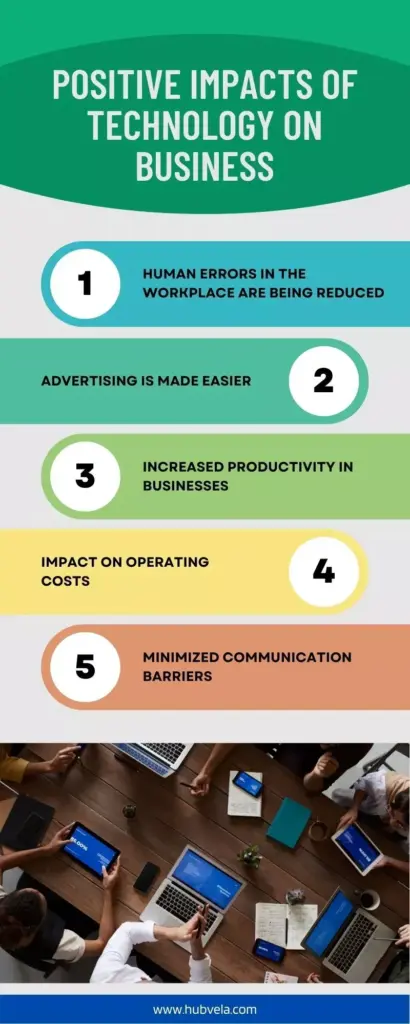
| Benefits of Technology | Includes increased efficiency, cost savings, improved customer experience, and global reach. |
| Challenges of Technology Integration | Includes cybersecurity threats, employee resistance, and high initial costs. |
| Emerging Trends | AI, remote work technologies, and sustainable technologies are shaping the future. |
Summary
The impact of technology on business is profound and continually evolving. In a world where digital transformation is the norm, companies that embrace technology gain a competitive edge. The discussions we’ve had today highlight how effective communication and data analytics streamline operations and enhance customer relationships. What remains crucial, however, is addressing the challenges that come with these advances, such as cybersecurity and employee adaptation. So, as technology continues to shape our business landscape, how will businesses respond to ensure they harness its potential while mitigating risks? The dialogue around this topic is vital, as it will define future business practices.

