
Listen to this article
Parks and green spaces in London are invaluable treasures that offer residents and visitors alike a refreshing escape from the city’s fast pace. With a wealth of London parks, including renowned locations like Hyde Park, Regent’s Park, and Richmond Park, the city is home to some of the best parks in London, each with its unique charm and beauty. These lush environments not only provide serene settings for relaxation and recreation but also promote the importance of nature in London’s urban landscape. From aquatic adventures at the Serpentine to vibrant floral displays at the Queen Mary’s Gardens, London green spaces cater to diverse interests and activities. Join us as we delve into the top parks in London, unveiling the natural sanctuaries that enhance the city’s quality of life and cultural experience.
Amidst the concrete and hustle of metropolitan life, the green oasis found in the stunning parks of London plays a crucial role in nurturing the city’s soul. These natural retreats, including notable names like Hampstead Heath and St James’s Park, offer a breath of fresh air and a chance for leisure and beauty. With expansive lawns, tranquil lakes, and vibrant gardens, the green landscapes provide a perfect setting for relaxation, family outings, or indulging in outdoor sports. Each park possesses its own distinct character, ensuring there is always something new to discover. As we explore these lush environments, it becomes clear that London’s parks are not just green spaces but vital components of urban living.
The Importance of Parks in Urban Life
Parks serve as crucial elements in urban environments, providing necessary greenery that enhances the quality of life for city dwellers. In cities like London, where the hustle and bustle can often feel overwhelming, parks create essential escapes that promote mental wellbeing and physical health. Access to these green spaces encourages social interaction, community engagement, and recreational activities, all of which are vital for fostering a vibrant urban culture.
Moreover, parks contribute to biodiversity, providing habitats for a variety of flora and fauna. In London, parks and green spaces support local wildlife and serve as critical links within ecological networks. By safeguarding these areas, cities can nurture vital ecosystems that help combat urban pollution and heat, making them indispensable for maintaining environmental health in densely populated regions.
Exploring London’s Finest Parks
London’s parks are not just expansive green spaces; they are storied locations that reflect the city’s rich history and culture. Parks like Hyde Park and Regent’s Park are iconic landmarks that have hosted countless historic events, gatherings, and celebrations throughout the years. Each park is unique, offering distinct features that appeal to various visitor interests. For instance, while Hyde Park is famous for its boating and concerts, Regent’s Park is adored for its meticulously curated gardens and the renowned London Zoo.
These spaces also highlight London’s commitment to preserving nature in an urban setting. Visitors can experience nature in London without leaving the city, enjoying activities like jogging, picnicking, or simply unwinding by the lake. The blend of natural beauty and cultural heritage makes these parks must-visit destinations for both tourists and locals alike.
Royal Parks: An Overview
The Royal Parks of London are a testament to the city’s historical significance and royal heritage. With locations like Kensington Gardens and St James’s Park, these parks are meticulously maintained and offer a blend of manicured landscapes and natural beauty. They are not only places of leisure but also serve as venues for various royal ceremonies, public events, and cultural festivals, making them integral to London’s cultural identity.
Visitors can engage in numerous activities in the Royal Parks, from taking a leisurely stroll to enjoying outdoor theatre performances. Each park possesses a unique atmosphere—Kensington Gardens is perfect for quieter reflection, while St James’s Park buzzes with the energy of tourists and locals admiring the stunning views of Buckingham Palace. The Royal Parks embody the fusion of nature, history, and social life.
Hampstead Heath: A Nature Retreat
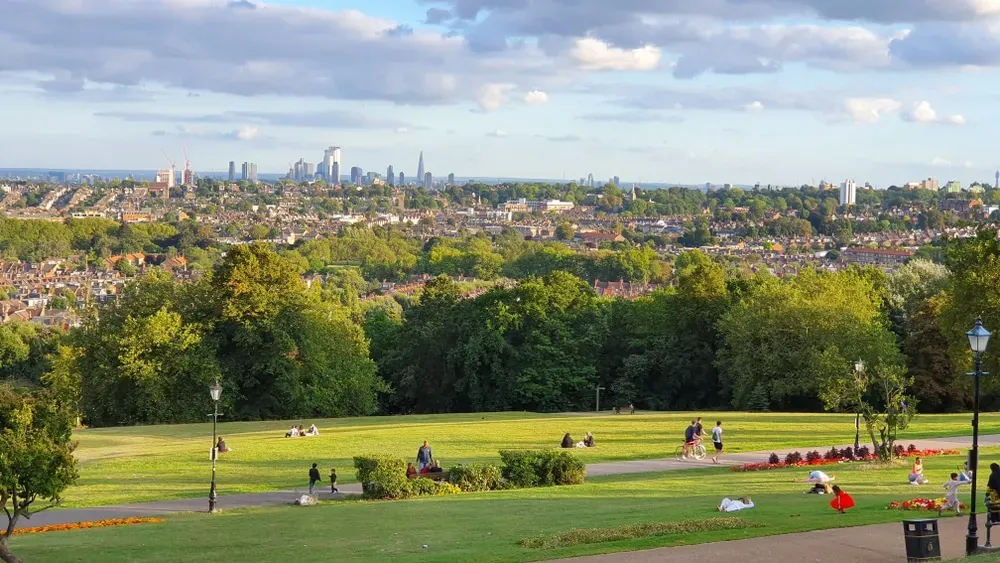
Hampstead Heath stands out among London’s parks as a wild, natural retreat that offers a contrast to the urban landscape. Spanning 790 acres, this park combines open meadows, ancient woodlands, and ponds, providing a space where nature thrives unrestrained. It is especially popular among those seeking recreation, with plenty of trails for walkers, runners, and cyclists. The unparalleled skyline views from Parliament Hill are a highlight, drawing thousands of visitors eager to catch a glimpse of the iconic London skyline.
The park’s natural ponds are particularly appealing during the summer months when many locals flock to swim and sunbathe. Hampstead Heath fosters a sense of community, serving as a gathering place for picnics, outdoor yoga classes, and family activities. It truly embodies the essence of nature in London, offering a breath of fresh air amid the city’s density.
Greenwich Park: Nature and History Combined
Greenwich Park is a UNESCO World Heritage site that beautifully marries nature and history, making it a captivating destination for visitors to London. As one of the biggest green spaces in the city, the park provides stunning views of the River Thames and an opportunity to connect with London’s maritime history. Home to the Royal Observatory and the prime meridian line, it allows visitors to delve deep into the historical significance of the area while enjoying its serene landscape.
In addition to its historical allure, Greenwich Park offers extensive lawns, vibrant flower gardens, and picnic spots that are perfect for families and outdoor enthusiasts. The park’s unique elevational changes add to its charm, allowing for a diverse experience as you wander through its scenic paths. The balance of history and nature makes Greenwich Park not just a retreat but also an educational adventure.
Best Activities in London Parks
Engaging in various activities at London’s parks and green spaces can elevate your experience of the city. From organized sports and outdoor yoga classes in Clapham Common to peaceful rowing on the Serpentine in Hyde Park, there is something for everyone in these vibrant locations. Park events such as open-air film screenings, outdoor concerts, and cultural festivals draw crowds and create a lively atmosphere that encourages community participation.
Families, in particular, will appreciate the diverse activities available in parks like Battersea Park, where children can play in expansive playgrounds and enjoy petting zoos. The integration of both active and leisurely activities makes these parks ideal places to spend quality time with loved ones, further enhancing their significance in daily urban life.
Nature Conservation in London Parks
Conservation efforts in London’s parks are essential for preserving biodiversity and maintaining the beauty and ecological health of these essential green spaces. Many parks actively promote biodiversity by creating habitats for various wildlife species, providing essential food and shelter. Initiatives such as planting native flora, hosting wildlife-friendly events, and enacting strict maintenance regulations help ensure these habitats thrive.
Organizations and community groups often collaborate with local councils to educate the public about wildlife and conservation in parks like Richmond Park, where visitors can spot deer and learn about their role in the ecosystem. These efforts foster a deeper appreciation for nature in London and encourage everyone to take an active part in preserving these vital resources.
The Role of Parks in Promoting Wellbeing
The positive impact of parks on mental health and overall wellbeing cannot be overstated. Green spaces in London act as calming retreats, providing a necessary respite from the chaos of urban life. Studies have shown that even brief encounters with nature can significantly reduce stress, anxiety, and depression, making visits to parks like Regent’s Park or Victoria Park beneficial for mental health.
Additionally, parks create opportunities for physical activity, encouraging residents to engage in walking, jogging, or cycling. This not only promotes physical fitness but also enhances emotional wellbeing. The navigation of green spaces allows for social interactions, which can help combat feelings of loneliness and isolation, further underlining the importance of parks and green spaces in enhancing quality of life.
Community Engagement and Events in London Parks
Parks in London often serve as focal points for community engagement, offering a wide range of events that bring people together. From seasonal festivals in Victoria Park to regular fitness classes in Clapham Common, these events create opportunities for residents to connect and socialize. Such activities not only enhance community spirit but also promote local cultures and initiatives.
Moreover, London parks often host educational programs, workshops, and family-friendly events that make nature accessible to all ages. Parks like Hyde Park take this a step further by featuring art exhibits and concerts, establishing themselves as cultural hubs in the city. These engagements remind us that parks are not just places of solitude but are integral components of urban life, fostering community connections across diverse populations.
Frequently Asked Questions
What are the top parks in London?
Some of the top parks in London include Hyde Park, Regent’s Park, and Richmond Park. Each offers unique attractions, from expansive green spaces to beautiful gardens and recreational activities.
How many Royal Parks are there in London?
London is home to eight Royal Parks, including Hyde Park, Kensington Gardens, and Richmond Park. These parks are known for their historical significance and beautiful landscapes.
What activities can I do in Hampstead Heath?
Hampstead Heath offers various activities such as walking, running, swimming in natural ponds, and picnicking. It also provides stunning views of the London skyline from Parliament Hill.
Is Hyde Park suitable for families?
Yes, Hyde Park is very family-friendly, featuring playgrounds, open spaces for picnics, and activities like boating on the Serpentine Lake, making it an excellent destination for visitors of all ages.
What makes Richmond Park special?
Richmond Park is renowned for its vast landscapes, free-roaming deer, and ancient oak trees. Covering over 2,500 acres, it offers extensive walking and cycling paths amidst a natural setting.
Can I visit London parks year-round?
Yes, London parks are open year-round and offer different attractions in each season, such as blooming flowers in spring, lush greenery in summer, and colorful foliage in autumn.
What is the significance of Greenwich Park?
Greenwich Park is a UNESCO World Heritage site, known for its historical landmarks like the Royal Observatory and the Greenwich Mean Time meridian line, as well as beautiful gardens and panoramic views of the Thames.
What wildlife can be found in Battersea Park?
Battersea Park is home to a variety of wildlife, including swans, ducks, and other birds. The park also features an animal rescue center for visitors to enjoy.
Are there any free events in London parks?
Many London parks host free events throughout the year, including outdoor concerts, festivals, and community gatherings. Check the specific park’s calendar for upcoming activities.
What are some popular walking trails in London green spaces?
Some popular walking trails include the paths in Richmond Park, the scenic routes around Hampstead Heath, and the lakeside walks in Hyde Park, offering a chance to enjoy nature while staying active.
| Park Name | Area (acres) | Key Features | Activities |
|---|---|---|---|
| Hyde Park | 350 | Serpentine Lake, statues, memorials | Leisure walks, picnics, events |
| Regent’s Park | 395 | Queen Mary’s Gardens, London Zoo | Theatre, cafes, animal watching |
| St James’s Park | 57 | Views of Buckingham Palace, pelican feeding | Scenic strolls, photography |
| Hampstead Heath | 790 | Woodlands, ponds, Parliament Hill | Walking, running, swimming |
| Greenwich Park | 183 | Royal Observatory, stunning views | Picnics, market visits, historical exploration |
| Kensington Gardens | 265 | Kensington Palace, Albert Memorial | Playgrounds, cultural activities |
| Victoria Park | 212 | Boating lake, gardens | Concerts, cycling, walking |
| Clapham Common | 220 | Playgrounds, ponds, spacious commons | Outdoor fitness, events |
| Battersea Park | 200 | Riverside views, animal rescue centre | Boating, family activities, gardens |
| Richmond Park | 2500 | Free-roaming deer, ancient trees | Walking, cycling, nature watching |
Summary
Parks and green spaces in London play a crucial role in providing urban residents with accessible nature. These areas serve as peaceful escapes from the hectic pace of city life, offering both locals and visitors a diverse range of recreational opportunities. Whether you prefer leisurely strolls in Hyde Park or wildlife observations in Richmond Park, the city’s parks are essential for enhancing well-being and community spirit. Collectively, they not only beautify the landscape but also enrich the cultural fabric of London, ensuring that nature is never far away in this vibrant metropolis.