
Listen to this article
Sustainable business practices have emerged as a crucial focus for today’s organizations striving to find a balance between profitability and environmental responsibility. By integrating eco-friendly business methods, companies not only contribute to a healthier planet but also enhance their brand loyalty and financial sustainability. From utilizing renewable energy sources to adopting green practices in daily operations, businesses are exploring diverse ways to minimize their impact on the environment. As consumers increasingly demand ethical and responsible practices, the importance of these measures becomes undeniably clear. In this article, we will delve into various strategies that exemplify how to go green and ensure that your business thrives in a competitive market.
When exploring eco-conscious business strategies, one uncovers a wealth of opportunities that promote both environmental stewardship and economic prosperity. This approach to business sustainability emphasizes practices that secure a better future by reducing carbon footprints and fostering positive community relations. Embracing such solutions not only aligns with global environmental goals but also appeals to a growing demographic of conscious consumers who favor brands prioritizing corporate social responsibility. Furthermore, integrating these concepts within the operation can cultivate a culture of innovation and adaptability that benefits both companies and their stakeholders alike. Join us as we uncover effective strategies and insights that highlight the transition toward an environmentally friendly enterprise.
The Importance of Sustainable Business Practices
In today’s rapidly changing world, the significance of sustainable business practices cannot be overstated. As consumers become more aware of environmental issues, businesses must adopt strategies that not only protect the environment but also enhance profitability. Integrating sustainability into core operations often leads to efficiencies that drive down costs—whether through energy savings or waste reduction. Businesses that prioritize eco-friendliness position themselves favorably in a competitive market, demonstrating a commitment to social responsibility that resonates with modern consumers.
Moreover, sustainable practices often enhance brand reputation. Companies that engage in environmentally friendly initiatives gain recognition and loyalty from consumers who value sustainability. As more organizations embrace ‘going green,’ maintaining transparency and credibility in sustainability efforts becomes essential for building lasting relationships with customers. This demand for authenticity can transform sustainable actions from mere marketing gimmicks into genuine practices that contribute to both economic and environmental resilience.
How to Effectively Implement Sustainable Practices
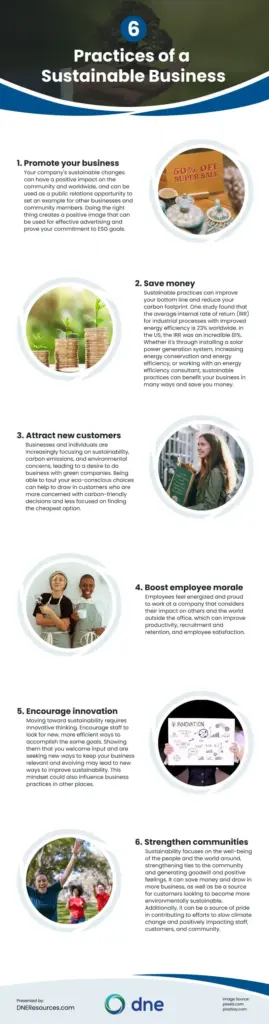
Implementing sustainable practices demands a structured approach that begins with a comprehensive sustainability audit. This step allows business owners to pinpoint areas ripe for improvement, such as enhancing energy efficiency or minimizing waste production. Following this assessment, businesses can explore practical solutions like switching to renewable energy, which not only mitigates their carbon footprint but can also lead to substantial cost savings over time. For example, companies that invest in solar energy systems can benefit from reduced energy bills and government incentives, allowing them to reinvest those savings back into the business.
Furthermore, engaging employees in sustainability initiatives fosters a culture of responsibility. Training programs can educate staff about the importance of eco-friendly practices and encourage them to contribute ideas for further improvements. Employee involvement not only enhances retention but also turns staff into advocates for your sustainable mission. When employees see that their workplace is committed to sustainable practices, they are more likely to take pride in their work and align their personal goals with those of the company’s sustainability objectives.
Cost Efficiency Through Green Practices
One of the most compelling benefits of adopting green practices is the potential for significant cost savings. Businesses that implement energy-efficient technologies, such as LED lighting or energy management systems, often realize decreased utility bills. These savings can have a substantial impact, allowing companies to allocate resources toward innovation or expansion. Furthermore, by streamlining operations and reducing waste through recycling and materials optimization, businesses can lower their overall operational costs.
Additionally, sustainable practices can improve supply chain efficiency. By sourcing materials responsibly and prioritizing relationships with eco-conscious suppliers, businesses can reduce costs related to materials and logistics. For instance, adopting a circular economy model not only conserves resources but also brings about economies of scale, which can further drive down costs. As a compelling argument, a commitment to green practices thus offers the dual benefit of improved financial performance alongside community and environmental stewardship.
Enhancing Brand Reputation with Sustainability
Brand reputation is increasingly tied to a company’s sustainability efforts. Consumers today are more likely to support brands that commit to environmentally friendly practices. Building a reputation based on sustainability can lead to greater customer loyalty and a competitive edge in a crowded marketplace. Successful brands emphasize their sustainable practices in their marketing campaigns, showcasing eco-friendly initiatives and the positive social impacts associated with them. This transparency in communication not only strengthens brand loyalty but also attracts new customers who prioritize a brand’s ethical stance.
Moreover, engaging in corporate social responsibility (CSR) initiatives can significantly enhance brand reputation. By participating in community projects, supporting local environmental causes, or even tracking contributions to sustainability efforts, businesses can position themselves as leaders in their industry. This strategy not only fosters goodwill with customers but also elevates the company’s status in the public eye, further boosting brand strength and attractiveness to environmentally conscious consumers.
Navigating Regulatory Compliance through Sustainable Business Practices
As governments introduce regulations aimed at protecting the environment, businesses must navigate these legal landscapes carefully. Adopting sustainable practices can often ensure compliance with local, regional, and international regulations. By proactively engaging in sustainable initiatives, companies not only avoid potential fines but also capitalize on incentives and rebates provided for green practices. Understanding environmental regulations helps businesses stay ahead of compliance issues while reinforcing their dedication to sustainability.
Engaging with public policy around sustainability can further bolster a company’s mission. By advocating for environmentally friendly regulations and standards, businesses can contribute to broader initiatives that promote sustainability within their industry. This engagement not only aligns the business with positive social impacts but also provides a platform to influence the future of environmentally responsible legislation—ensuring that businesses can thrive while simultaneously protecting the planet.
Building an Eco-Friendly Supply Chain
Establishing a sustainable supply chain is crucial for any business committed to eco-friendly practices. This involves vetting suppliers based on their commitment to sustainability and ensuring that materials used are sourced ethically and responsibly. Developing partnerships with vendors who prioritize renewable energy and environmentally friendly production methods reinforces a company’s dedication to sustainability. By creating a green supply chain, businesses can not only reduce their environmental impact but can also create a narrative that communicates their values to consumers.
Moreover, a transparent supply chain can enhance consumer trust. Companies that openly communicate their sourcing practices and the origins of their products appeal to a growing demographic of conscious consumers who demand accountability. Certifications or labels related to sustainability serve as verification of these claims, further solidifying consumer trust and loyalty. In turn, this transparency can foster a competitive advantage in the marketplace, where consumers are more frequently choosing brands that align with their ethical standards.
Measuring and Reporting on Sustainability Progress
Regularly measuring and reporting on sustainability initiatives is essential for informing stakeholders about a company’s progress. This involves tracking metrics such as energy savings, carbon footprint reductions, and waste management efforts. By benchmarking these metrics against industry standards, businesses can identify areas that need attention while also celebrating achievements. This not only fosters organizational growth but also assists in refining sustainability strategies over time.
Additionally, reporting progress enhances transparency and builds trust with consumers and investors alike. When companies share their sustainability reports and accomplishments publicly, it reinforces their authenticity and commitment to eco-friendly practices. Through open communication, businesses can engage stakeholders in their sustainability journey, creating a community invested in the company’s goals. This not only strengthens brand loyalty but also encourages customers to support organizations that contribute positively to the environment.
Frequently Asked Questions
What are sustainable business practices and why are they important?
Sustainable business practices refer to the methods and strategies that reduce negative environmental impacts while maximizing positive social effects. They are crucial for enhancing brand reputation, ensuring regulatory compliance, and increasing customer loyalty, as consumers now prefer businesses that align with eco-friendly values.
How can a business implement going green initiatives effectively?
To implement going green initiatives, businesses should start by conducting a sustainability audit to identify areas of improvement. Adopting renewable energy sources, reducing energy consumption, choosing eco-friendly materials, and implementing waste reduction strategies are key steps in creating a more sustainable business environment.
What is the financial benefit of adopting sustainable practices in business?
Adopting sustainable practices can lead to substantial financial benefits, including cost savings from reduced energy consumption and waste management. Businesses can lower operational costs, increase profitability, and gain competitive advantage by appealing to eco-conscious consumers.
How does employee satisfaction relate to sustainable business practices?
Employee satisfaction is closely linked to sustainable business practices as many employees seek to work for companies that prioritize environmental responsibility. A business’s commitment to going green can enhance employee morale, retention, and attract talent who values sustainability.
What role does corporate social responsibility (CSR) play in sustainable business practices?
Corporate social responsibility (CSR) plays a vital role in sustainable business practices by encouraging companies to engage in initiatives that positively impact the community and environment. Participating in CSR helps businesses build a positive brand image and strengthen customer loyalty through visible environmental efforts.
How can consumers identify eco-friendly businesses?
Consumers can identify eco-friendly businesses by looking for sustainability labels and certifications such as ENERGY STAR, Fair Trade, or B Corp certification. Additionally, companies that openly share their sustainable practices and achievements through marketing efforts tend to gain consumer trust.
What are some examples of renewable energy sources that businesses can utilize?
Businesses can utilize various renewable energy sources to enhance sustainability, including solar, wind, hydro, and geothermal energy. Integrating these sources into operations can significantly reduce carbon emissions and operational costs while promoting a green business model.
| Key Point | Details |
|---|---|
| Understanding Sustainable Business Practices | Methods of operating to minimize environmental impact and maximize social benefits. |
| Benefits of Going Green | Includes cost savings, enhanced brand reputation, regulatory compliance, and employee satisfaction. |
| Steps to Implement | Conduct audits, reduce energy use, adopt eco-friendly materials, waste reduction strategies, use sustainable suppliers, engage in CSR, measure and report progress. |
| Marketing Sustainable Practices | Create content, utilize social media, and pursue certifications to highlight sustainability efforts. |
Summary
Sustainable business practices are essential for companies looking to thrive in today’s environmentally conscious market. By adopting these practices, businesses not only contribute positively to the planet but also enhance their profitability and reputation. It’s a win-win scenario! For instance, by reducing energy consumption and implementing waste reduction strategies, companies can save on costs while engaging consumers who value sustainability. Have you considered how incorporating sustainable practices could transform your business? Let’s take those steps towards a greener future!

