Listen to this article
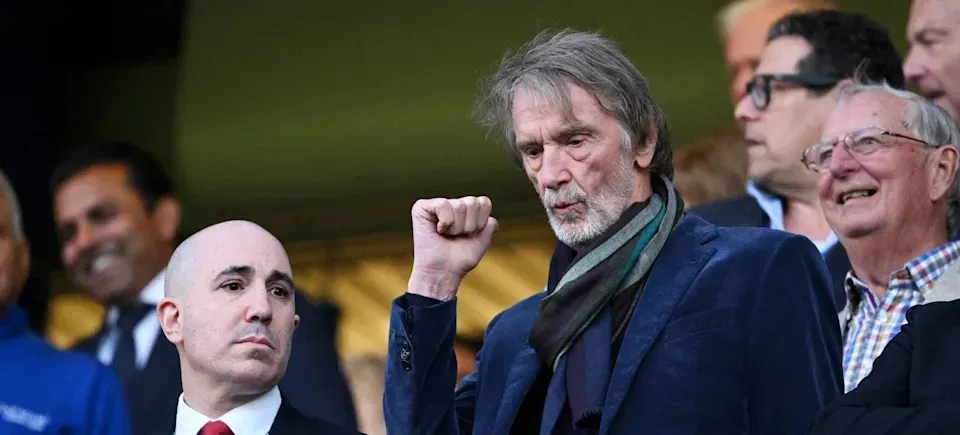
The Jim Ratcliffe controversy has ignited a heated discussion around immigration in the UK, following the billionaire’s contentious remarks about the nation being “colonised by immigrants.” His comments have been widely criticized as offensive, with political figures like Sir Keir Starmer expressing disapproval and calling for more sensitivity in public discourse. Ratcliffe later apologized, stating that while he regrets how his language may have affected some individuals, he believes it’s crucial to foster an open debate about controlled immigration that promotes economic growth. The backlash has prompted concern not only among political leaders but also within the Manchester United community, as the club strives to maintain its inclusive ethos amid the fallout. As the situation develops, there are growing calls for Manchester United’s response to this controversy and potential investigations by the FA into whether Ratcliffe’s statements constitute a violation of respect for the sport.
The ongoing discussions surrounding Jim Ratcliffe’s recent comments have raised significant questions about the UK’s immigration policies and societal implications. Many observers have noted the sharp divide in public opinion on immigration, reflecting a broader immigration debate in the UK, especially in light of Ratcliffe’s role as a co-owner of Manchester United. His statements, which some critics have deemed divisive and inflammatory, highlight a pervasive tension in politics regarding how immigration has shaped the nation. Furthermore, the reaction from various groups and political leaders indicates a robust demand for respectful dialogue and the need to address sensitive topics without perpetuating stereotypes or stigmatization. As the situation unfolds, the interplay between Ratcliffe’s remarks and the public’s demand for a nuanced conversation on immigration continues to be a focal point in both sports and societal discussions.
Jim Ratcliffe Controversy: A Public Outcry
The recent comments made by Sir Jim Ratcliffe regarding immigration in the UK have sparked significant controversy. Ratcliffe, a billionaire and co-owner of Manchester United, described the UK as having been “colonised by immigrants,” which has led to backlash from political figures, such as Sir Keir Starmer, who labeled his statements as “offensive and wrong.” This reaction highlights the sensitivity surrounding the immigration debate in the UK, especially as it pertains to language that may perpetuate negative stereotypes or attitudes toward migrant communities.
In his subsequent apology, Ratcliffe stated, “I am sorry that my choice of language has offended some people,” emphasizing the need for an “open debate” on immigration. However, critics argue that the phrasing of his remarks contributes to a harmful narrative that vilifies immigrants. The debate over whether his comments warrant an investigation by the FA underscores the complex nature of public discourse on immigration and the responsibilities that come with such influential positions.
The Economic Implications of Controlled Immigration
Sir Jim Ratcliffe’s call for a well-managed immigration system has opened discussions about the economic implications of immigration policies. He argues that controlled immigration is vital for supporting economic growth, a sentiment echoed by many business leaders who believe that skilled migrants contribute significantly to various sectors in the UK. The debate often revolves around finding a balance between allowing necessary talent into the country while addressing public concerns about immigration levels and the impact on local communities.
The UK’s immigration debate is complex, especially when considering the varying perspectives on economic contribution and social integration. Proponents argue that immigrants help fill essential roles in the workforce, providing skills that support overall economic development. Conversely, critics fear that unchecked immigration may lead to strain on public services and housing, influencing the political climate and leading to calls for stricter immigration controls as seen in the recent responses from various political factions.
Political Responses to Jim Ratcliffe’s Remarks
The political reaction to Jim Ratcliffe’s comments reflects broader sentiments within the UK regarding immigration. Politicians from different parties have weighed in, with leaders like David Lammy addressing the offensive nature of Ratcliffe’s language. This incident has reignited discussions on how immigration is framed in public discourse and the responsibilities of influential figures like Ratcliffe in shaping these conversations. His remarks have been met with a mix of support and condemnation, illustrating the divisive nature of immigration politics in contemporary Britain.
Moreover, the varying reactions from politicians underscore the polarization surrounding the immigration debate in the UK. Figures like Nigel Farage have defended Ratcliffe’s perspective, advocating for a conversation about how mass migration impacts societal dynamics. On the other hand, local leaders such as Greater Manchester Mayor Andy Burnham criticized his comments for standing against the values of inclusivity that Manchester represents. This spectrum of reactions reveals the ongoing struggle to address immigration in a manner that respects both the economic needs of the country and the dignity of its diverse communities.
The Role of Football in Immigration Discourse
Football, a sport deeply ingrained in UK culture, often reflects broader societal issues, including immigration. The criticism directed at Jim Ratcliffe also highlights the unique position football clubs hold in representing diverse communities. Manchester United, with its rich history of international talent, embodies the multicultural essence of the city. The backlash against Ratcliffe’s comments from various football entities, including anti-discrimination groups, showcases the sport’s potential to influence public opinion on critical issues such as immigration and integration.
As football clubs strive to promote inclusivity, figures like Jim Ratcliffe face scrutiny for remarks that may contradict these values. The collective voice of football organizations advocating against divisive language signifies a commitment to fostering a welcoming environment. This intersection of sports and social justice emphasizes the crucial role that football can play in challenging harmful narratives about immigration and supporting the notion that diversity enriches communities, both on and off the pitch.
The Impact of Social Media on Immigration Discussions
In an age dominated by social media, public remarks such as those made by Sir Jim Ratcliffe can quickly escalate into widespread debates. Social platforms have become vital for voicing opinions on sensitive subjects like immigration, allowing for diverse perspectives to be shared and critiqued in real-time. The backlash Ratcliffe received was amplified through these channels, demonstrating how public opinion can shape the narrative surrounding immigration and the responsibilities of high-profile individuals to choose their words carefully.
Moreover, social media serves as a double-edged sword; while it provides a platform for marginalized voices advocating for just immigration policies, it can also perpetuate division. The discussions that erupted following Ratcliffe’s comments exemplify the powerful influence of social media in mobilizing supporters and critics alike. In a highly polarized environment, it remains crucial for influential figures to engage in thoughtful dialogue that respects diverse opinions and fosters understanding, rather than inciting further discord.
The Cultural Significance of Immigration in the UK
The narrative surrounding immigration in the UK is not just an economic discussion; it embodies the cultural tapestry of the nation. Jim Ratcliffe’s remarks on immigration have prompted critical evaluation of how immigration shapes the UK’s identity. Historically, the UK has been a destination for countless immigrants, contributing to its rich cultural heritage. As Ratcliffe’s comments sparked debate, they have led many to reflect on the importance of recognizing the positive contributions of immigrant communities to the UK’s social fabric.
Cultural significance is often intertwined with economic discussions, as immigrants bring diverse perspectives and experiences that enrich communities. The backlash against Ratcliffe’s statements highlights the need for a deeper understanding of how immigration influences cultural narratives. It is essential to recognize that embracing diversity can enhance societal cohesion and foster mutual respect, countering any divisive language that threatens to stigmatize immigrant populations.
Building Bridges: The Importance of Dialogue on Immigration
The controversy surrounding Jim Ratcliffe spotlights the necessity of open dialogue regarding immigration policies. While his comments provoked outrage, they also underscored the importance of discussing immigration in a manner that fosters understanding rather than division. Engaging in meaningful conversations about immigration and its implications is essential to shaping policies that address public concerns while supporting the benefits that a well-managed immigration system can provide.
Countries around the world wrestle with similar challenges, and learning from these discussions can pave the way for more effective immigration policies. By prioritizing dialogue that respects diverse viewpoints and experiences, individuals and leaders can work towards solutions that benefir both the economy and the communities involved. Emphasizing mutual respect and understanding is vital in navigating the complexities of immigration and ensuring that all voices are heard.
Public Reactions to Immigration Policies
Public sentiment toward immigration policies is constantly evolving, influenced by recent events and prominent figures like Jim Ratcliffe. The reactions sparked by Ratcliffe’s comments demonstrate that immigration remains a hot-button issue, with opinions varying widely among the populace. Some individuals echo Ratcliffe’s frustrations about perceived mass immigration, while others advocate for a more compassionate approach that recognizes the contributions of immigrants to society.
This dichotomy in public opinion reflects the broader immigration debate in the UK, emphasizing the need for comprehensive policies that address the various concerns associated with immigration. As discussions continue, it is crucial for policymakers to consider the diverse perspectives of the population and strive for solutions that resonate with the majority while protecting the rights and dignity of all individuals, regardless of their immigration status.
Long-term Consequences of Immigration Rhetoric
The language used in discussions about immigration has long-term consequences that extend beyond immediate reactions. Sir Jim Ratcliffe’s comments reveal how the framing of immigration can influence public sentiment and policy direction in the UK. When high-profile figures use divisive language, it can foster an environment where negative stereotypes and xenophobia flourish, affecting community relations and policy-making at various levels.
Consequently, the rhetoric surrounding immigration impacts not only current discussions but also shapes future narratives. Striking a balance between addressing public concerns about immigration while promoting inclusivity is essential for cultivating a society that values diversity. Leaders and public figures must remain cognizant of the words they choose, understanding their potential to either unite or divide communities as the immigration conversation continues to evolve.
Frequently Asked Questions
What did Jim Ratcliffe say about immigration that sparked controversy?
Jim Ratcliffe made controversial remarks claiming the UK had been “colonised by immigrants,” which he later apologized for, stating he regretted offending people. His comments were criticized by political figures and organizations for being offensive and inaccurate.
How did the Manchester United community react to Jim Ratcliffe’s comments on immigration?
Manchester United’s response emphasized the club’s commitment to inclusivity and diversity. They highlighted the importance of representing all communities within the city and did not specifically address Ratcliffe’s controversial statements.
What was the response from political leaders regarding Jim Ratcliffe’s remarks?
Political leaders, including Sir Keir Starmer and Deputy Prime Minister David Lammy, criticized Jim Ratcliffe’s comments, labeling them as offensive and wrong. They emphasized the need for respectful discourse on the immigration debate in the UK.
What is the significance of controlled immigration in the context of Jim Ratcliffe’s comments?
In his apology, Jim Ratcliffe mentioned the need for an “open debate” on controlled immigration, arguing it is essential for economic growth. This reflects a broader discussion in the UK about balancing immigration controls with economic needs.
Did the Football Association (FA) consider investigating Jim Ratcliffe’s comments?
Yes, the FA is reviewing whether Jim Ratcliffe’s comments could bring the game into disrepute. If they decide to proceed, he could face potential penalties or charges based on their regulations.
What did the anti-discrimination groups say about Jim Ratcliffe’s comments?
Anti-discrimination groups such as Kick It Out and Show Racism the Red Card condemned Jim Ratcliffe’s remarks as “disgraceful” and harmful, arguing that such language encourages division and stigmatization of migrant communities.
What are some inaccuracies in Jim Ratcliffe’s claims about UK immigration?
Jim Ratcliffe inaccurately claimed that the UK’s population had increased by 12 million in five years, while official figures suggest a much smaller increase of about 2.7 million. This misinformation contributed to the backlash against his comments.
How does Jim Ratcliffe’s wealth and background influence the immigration debate?
As one of Britain’s wealthiest individuals and a prominent figure associated with Manchester United, Jim Ratcliffe’s comments carry significant weight. His business background and previous political alignments may affect perceptions of his views on immigration and economic policies.
What did Nigel Farage say in support of Jim Ratcliffe’s comments on immigration?
Nigel Farage defended Jim Ratcliffe’s remarks, suggesting they were accurate in their criticism of mass migration’s impact on the UK, while arguing that using the term “colonise” was avoidable. His position echoed sentiments within certain political circles regarding immigration policies.
| Key Point | Details |
|---|---|
| Jim Ratcliffe’s Apology | Apologized for offending people with his comments regarding immigration, emphasizing the need for open debate. |
| Backlash from Politicians | Sir Keir Starmer labeled Ratcliffe’s comments as ‘offensive and wrong’. |
| Football Association’s Review | FA is assessing whether Sir Jim’s remarks could bring the game into disrepute and is considering a formal investigation. |
| Inaccurate Population Claim | Sir Jim’s claim of a 12 million increase in UK population was debunked; the actual increase over five years is less than three million. |
| Support from Nigel Farage | Farage defended Ratcliffe’s comments, suggesting they were accurate regarding the impact of mass migration. |
| Responses from Football Groups | Kick It Out and Show Racism the Red Card condemned Ratcliffe’s language as divisive and harmful. |
| Ratcliffe’s Background | One of Britain’s wealthiest men, co-owner of Manchester United, and founder of chemical firm Ineos. |
Summary
The Jim Ratcliffe controversy has sparked significant discussion about immigration and societal values in the UK. Ratcliffe’s comments about the UK being ‘colonised by immigrants’ have not only faced backlash from political figures but also raised questions about language and immigration policy. His insistence on the importance of open debate reflects wider societal divides on these issues, as responses from various groups, including football associations and anti-discrimination charities, highlight the pressing need for sensitivity in public discourse. As this situation unfolds, the ongoing dialogue about immigration continues to be critical in shaping the UK’s socio-political landscape.