
Listen to this article
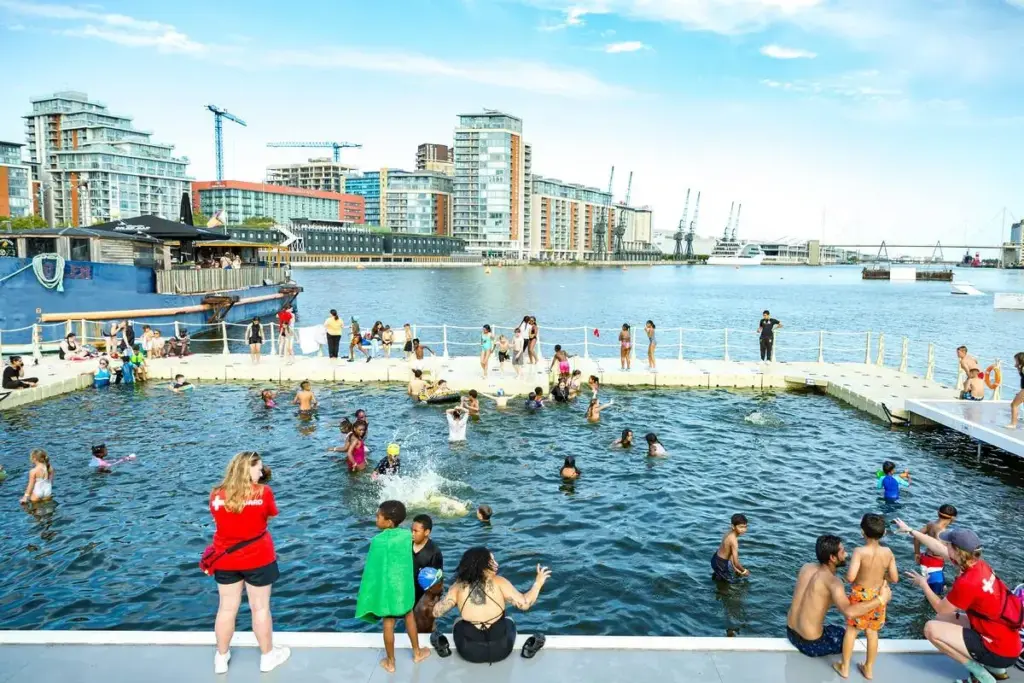
London swimming areas are set to transform the city’s relationship with its rivers this coming year, as plans for designated swimming locations gain momentum. The River Thames, once deemed ‘biologically dead’, is poised to become a central hub for aquatic recreation following significant water quality improvements. Thanks to recent government proposals, 13 new official swimming spots are being introduced across the UK, including several along the historic Thames. As public swimming proposals gain traction, local communities are eager to engage with these initiatives, which also promise to attract environmental advocates dedicated to preserving and enhancing these bathing sites in London. This ambitious undertaking signals a new era for urban swimming, blending recreational enjoyment with ecological stewardship.
The vibrant swimming spots in London are emerging as exciting new destinations for water enthusiasts. With the introduction of designated bathing areas, the urban landscape is evolving to embrace more aquatic activities along the banks of the River Thames. Recent enhancements to water quality standards reflect a commitment to making the river safer for swimmers and other water-related sports, thus paving the way for healthier recreational options. Local proposals for public swimming not only aim to increase access to these natural sites but also inspire community pride in their waterfronts. London’s re-envisioning of its rivers encourages residents and visitors alike to rediscover the joy and tranquility of outdoor swimming.
The Historical Journey of the River Thames to Designated Swimming Areas
The River Thames has undergone a remarkable transformation over the decades, transitioning from being a source of pollution to an area set to welcome designated swimming locations. Historically, the river was deemed ‘biologically dead’ in the 1950s, which reflected a severe ecological crisis. However, concerted efforts from government bodies and community groups have significantly improved the water quality over time. This evolution is not only crucial for environmental health but also signifies a renewed connection between the community and nature, encouraging outdoor aquatic activities.
With plans in motion to establish designated swimming areas, such as at Ham and Kingston, the River Thames is set to become a recreational hub for local and visiting swimmers alike. The new proposals not only aim to enhance leisure activities but also ensure that stringent water quality monitoring practices are implemented. This initiative reflects a broader national trend where localities are reclaiming their waterways, creating safe spaces that foster community pride and environmental stewardship.
Benefits of Designated Swimming Locations in London
Designated swimming locations in London promise a myriad of benefits for both residents and the environment. Firstly, these sites will enable regular monitoring of water quality, ensuring that swimming conditions meet safety standards—a development welcomed by swimmers and water sports fans. The establishment of official bathing sites can also drive local tourism, attracting visitors eager to explore the city from a new aquatic perspective. Furthermore, these new areas aim to revitalize local neighborhoods by promoting outdoor recreational activities.
Moreover, the initiative supports public swimming proposals aimed at encouraging healthier lifestyles. By providing accessible swimming sites, the city fosters a culture of wellness, allowing residents to engage in physical activities while appreciating the beauty of their surroundings. The added focus on improving water quality has been shown to galvanize community action and interest in environmental issues, ultimately leading to cleaner rivers and enhancing biodiversity in urban areas.
Understanding Water Quality Improvements in Local Rivers
Water quality improvements are fundamental to the establishment of new swimming areas in London and the surrounding regions. As indicated by the statistics, a significant portion of designated bathing sites achieved excellent or good water quality ratings in 2025. These improvements are the result of both government reform and local community engagement. Enhanced water quality monitoring frameworks ensure that any potential hazards can be promptly addressed, thereby maintaining the integrity and safety of recreational areas.
Efforts to revitalize local rivers extend beyond mere compliance with safety regulations. By investing in infrastructure and involving local stakeholders in cleanup initiatives, the government is fostering a culture of environmental responsibility. Such initiatives not only improve water quality but also increase biodiversity, allowing aquatic life to thrive. In turn, this restoration of natural habitats can create unique educational opportunities for communities, emphasizing the importance of protecting and appreciating local waterways.
Public Support for New Bathing Sites in London
The launch of public swimming proposals has garnered substantial interest and support from local communities and environmental advocates in London. Many residents are excited about the chance to swim in the River Thames, a body of water that has historically been avoided due to pollution concerns. This newfound enthusiasm reflects a strong desire to reconnect with the river in a recreational capacity, enhancing community cohesion and pride in local heritage.
Public consultation sessions regarding the new bathing sites are critical in ensuring that community voices are heard. Through these sessions, residents can express their perspectives on the proposed designated swimming locations and offer firsthand insights into how these initiatives can best serve their needs. Engaging the public in this process not only reinforces the community’s relationship with its waterways but also cultivates a deeper commitment to ongoing environmental restoration efforts.
The Role of Government in Improving Bathing Locations
The government plays a pivotal role in managing and improving designated bathing sites across the UK, including those in London. By implementing new legal frameworks and focusing on water quality enhancements, policymakers are prioritizing public health and environmental sustainability. This commitment is highlighted by the government’s ongoing effort to expand designated swimming locations, demonstrating an understanding of the transformative power of accessible aquatic spaces.
In addition to promoting new swimming areas, governmental actions are also aimed at sharing resources and information with local communities. This approach empowers citizens to take an active role in safeguarding their natural environments, whether through volunteer programs, awareness campaigns, or public feedback forums. Through collaborative efforts, London residents can drive meaningful change in their local swimming areas, contributing to both present enjoyment and future ecological health.
Connecting Communities through Recreational Swimming
Recreational swimming has the unique ability to connect various segments of a community, bringing people together through shared experiences. The establishment of designated swimming locations in London offers the potential to create vibrant social hubs where families and friends can gather, relax, and enjoy the water together. These locales have the power to bridge cultural and socioeconomic divides, fostering inclusivity and public interaction in a natural setting.
Moreover, swimming provides a platform for educational initiatives focused on water safety and environmental awareness. Local organizations can host events and classes at these designated locations, empowering community members with knowledge about safe swimming practices and the importance of clean waterways. Such engagement not only promotes public health but also encourages a greater sense of responsibility towards the protection of shared resources. This interconnected approach ensures that communities are not only enjoying the benefits of swimming but are also actively participating in conservation efforts.
Exploring Future Bathing Areas Beyond London
While London is making strides in creating designated swimming areas, the initiative is part of a broader national strategy that includes sites across the country. From picturesque beaches in Devon to rivers in North Yorkshire, the government has identified multiple bathing sites that enhance access to clean water for recreational use. This diverse array invites people from all regions to embrace outdoor swimming, further distributing the benefits of improved water quality and community coherence.
Communities beyond London are equally excited about their potential new swimming locations. Many local environments are ripe for swimming and recreation, and the government’s commitment to improving water quality can inspire collective action to maintain these spaces. By showcasing these future bathing areas, the initiative could spark a resurgence of interest in local waterways across the UK, demonstrating that swimming in natural settings can be both safe and enjoyable regardless of location.
Challenges of Establishing Official Swimming Locations
Establishing designated swimming locations is not without its challenges. Regulatory measures concerning water quality and safety must be thoroughly implemented to ensure that each site meets the required standards. This entails regular monitoring and potential infrastructure investments, which may pose financial and logistical hurdles for local authorities. Additionally, public perception and historical apprehensions about swimming in certain areas, particularly the River Thames, may need to be overcome to successfully encourage community participation.
Engaging local residents in the planning process can help minimize opposition and foster a sense of community ownership over these new swimming areas. By including community voices in discussions around water safety and environmental protection, localities can address concerns while ensuring that the sites reflect the needs and desires of the public. These cooperative measures are essential in overcoming initial resistance and cultivating a strong community commitment to maintaining cleanliness and safety in newly designated recreational waters.
The Importance of Continuous Water Quality Monitoring
Continuous water quality monitoring is a cornerstone of ensuring safety at designated swimming sites in London. By regularly testing water samples, authorities can quickly identify any contaminations or changes in water quality, thereby safeguarding swimmers and enhancing public confidence in their recreational spaces. Such practices reinforce the importance of transparency, as the results can be shared with the community, prompting dialogues around local environmental issues.
Additionally, ongoing monitoring initiatives can highlight areas where further improvements are necessary. Whether it is addressing sources of pollution or educating the public about maintaining water cleanliness, these efforts illustrate a proactive approach to waterway management. Communities that participate actively in monitoring can develop a stronger bond with their environment, reinforcing the shared responsibility for maintaining the health of local aquatic ecosystems.
Frequently Asked Questions
What are the designated swimming locations on the River Thames?
The River Thames is set to gain its first official designated swimming area at Ham and Kingston. This initiative showcases the ongoing improvements in water quality, transforming the River Thames from a ‘biologically dead’ waterway back in the 1950s to a revitalized area suitable for recreational swimming.
How will water quality improvements impact swimming in London?
Water quality improvements are critical for the designated swimming locations in London, especially along the River Thames. The new public swimming proposals include regular monitoring of water quality at these sites to ensure the safety and enjoyment of swimmers, paddleboarders, and water sports enthusiasts.
What is the government’s plan for public swimming proposals in London?
The government plans to establish public swimming proposals that include 13 new designated swimming locations across the UK, with the River Thames at Ham and Kingston being one. This will not only enhance recreational opportunities but also emphasize the importance of environmental cleanliness in local waterways.
Is the River Thames suitable for swimming now?
Yes, the River Thames is becoming suitable for swimming again due to significant water quality improvements. The government’s initiative to designate swimming areas signals a renewed focus on safety and cleanliness, making it a viable option for swimmers in London.
What role do local communities play in the establishment of London swimming areas?
Local communities are actively involved in the establishment of London swimming areas, particularly through public consultations on the new bathing sites proposed along the River Thames. Community input is crucial in shaping these projects, which aim to enhance recreational access and promote river health.
What is the significance of designated bathing sites in London?
Designated bathing sites in London, like those proposed along the River Thames, are significant as they reflect notable improvements in environmental efforts. They provide safe and monitored locations for swimming, encouraging community engagement and promoting better water quality in urban waterways.
How often will water quality be monitored at London swimming areas?
At the newly designated swimming areas on the River Thames, water quality will be monitored regularly to ensure it meets safety standards for swimmers. This monitoring is part of a broader government initiative to maintain high water safety standards across bathing sites in London.
What benefits come from the designated swimming locations in London?
The designated swimming locations in London, particularly on the River Thames, offer numerous benefits including increased recreational opportunities, enhanced safety for swimmers, and a boost to local economies. They also inspire collective efforts towards cleaning and rejuvenating local water bodies.
What are some other bathing sites in London proposed by the government?
The government’s proposals for new bathing sites include the River Thames at Ham and Kingston in Greater London among others across the UK. This initiative enhances the prospects for swimming at designated locations while promoting public enjoyment and environmental commitments.
| Key Points |
|---|
| London’s first designated swimming area on the River Thames proposed. |
| River Thames water quality was previously classified as ‘biologically dead’. |
| Thirteen new swimming sites proposed across the UK, including notable local spots. |
| Regular water quality monitoring to be implemented at designated swimming sites. |
| Support from local communities and environmental advocates for the initiative. |
| Statistically, 87% of current bathing sites rated excellent or good in water quality (2025). |
| Public consultation open for feedback on the new bathing areas. |
Summary
London swimming areas are set to receive a major boost with the introduction of designated swimming locations, particularly focusing on the River Thames, which is being revitalized after decades of pollution. The initiative not only aims to enhance safety and water quality monitoring for swimmers but also to inspire environmental clean-up efforts, supported by local communities. This development represents a significant step forward in restoring and utilizing London’s waterways for recreational activities.