Listen to this article
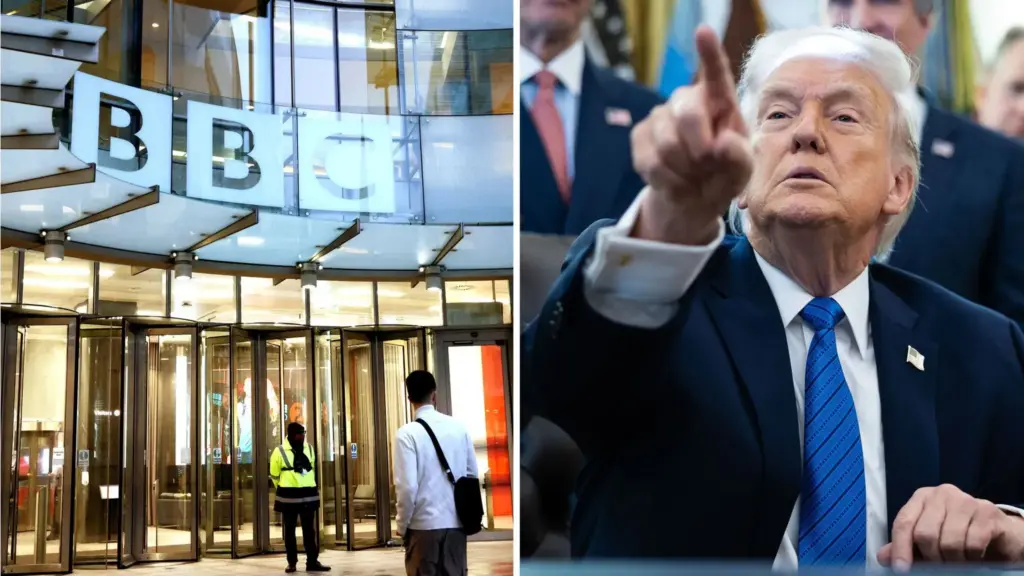
The Trump BBC lawsuit, a high-profile defamation case, has captured headlines and public interest as it prepares to go to trial in February 2027. President Donald Trump is challenging the BBC over an episode of its investigative series, Panorama, asserting that the program misrepresented his speech on January 6, 2021, thereby suggesting he incited violence. With a trial expected to last two weeks in Miami, the stakes are raised for both parties involved in this contentious legal battle. The BBC has previously issued apologies regarding the editing of the segment but stands firm in its defense, indicating that it will file a motion to dismiss the lawsuit by March 2026. As the Trump trial news unfolds, the implications of this case extend beyond personal grievances, potentially affecting how media organizations engage with public figures in the fast-paced landscape of evolving legal standards for defamation.
The legal showdown surrounding Trump and the BBC involves significant questions about freedom of speech and the media’s responsibility in reporting. Known formally as the defamation case against the BBC, this dispute centers on contentious edits made by the broadcaster in a key episode of Panorama, which seem to have misrepresented Trump’s statements linked to the Capitol riots. In this context, the BBC’s legal maneuvers and the upcoming trial could set precedents for future interactions between political figures and journalistic integrity. As supporters and critics alike follow the BBC Panorama controversy, the case highlights broader issues of accountability in media portrayals—raising essential discussions about accuracy in reporting. With Trump’s legal team claiming substantial damages over the edited speech, the atmosphere around the Trump lawsuit remains charged and closely scrutinized.
Trump BBC Lawsuit: A High-Stakes Defamation Battle
The impending trial concerning the Trump BBC lawsuit has gained significant media attention, especially given the high-profile nature of the case. Set to unfold in Miami, this legal dispute encompasses serious allegations of defamation against the BBC, stemming from the controversial editing of a speech delivered by Trump. The earlier decision by a Florida judge to deny the BBC’s request for a postponement of the discovery phase marks a pivotal moment in what is already being described as one of the most consequential defamation cases of recent years.
As the trial approaches its February 2027 date, various aspects of the case, including the allegations surrounding the BBC Panorama controversy, have come under scrutiny. Trump’s claim that the edited content misrepresented his remarks and incited the storming of the US Capitol on January 6, 2021, has intensified the stakes, leading to widespread public speculation about the possible outcomes. With the BBC asserting its defense, the forthcoming legal arguments will also be critical in determining the viability of Trump’s claims of falsehood and defamation.
The Broader Implications of the Trump Defamation Case
The Trump defamation case against the BBC represents more than just a legal battle; it encapsulates the ongoing tension between public figures and media portrayals. This case may potentially set precedents relating to the media’s responsibility for the accuracy of reporting, especially in political contexts. The outcome could influence future defamation lawsuits, particularly those involving public officials and major news organizations. Observers are keenly watching how these proceedings might reshape the landscape of defamation law, especially regarding the interplay of free speech and responsible journalism.
Legal experts suggest that the implications of this case could extend far beyond the courtroom. In a climate where misinformation is a dominant concern, the outcomes of the Trump defamation claim might ultimately affect how media entities like the BBC conduct their reporting on political figures. Additionally, the case highlights the broader issues surrounding the ethical standards of media reporting, raising questions about how audiences perceive editorial choices that shape narratives, especially concerning events of national significance.
Background on the BBC Panorama Controversy
The BBC Panorama controversy has sparked considerable debate regarding media ethics and editing practices. The specific edited episode in question has been criticized for potentially misrepresenting Trump’s sentiments during a critical time in American history. The controversial portrayal of Trump’s speech, which has come under fire, raises questions about the integrity and obligations of journalists to provide untainted, factual reporting. This incident not only highlights the potential for media misrepresentation but also sheds light on the ways in which such portrayals can have profound consequences on public perception—a pivotal aspect currently being debated within the Trump defamation case.
Understanding the implications of this controversy goes beyond just the legal dimensions; it speaks volumes about the media landscape in today’s politically charged climate. As public trust in traditional news outlets continues to fluctuate, the outcome of the Trump lawsuit may either solidify or undermine the legitimacy of media institutions like the BBC. This case will be a significant litmus test for how judicial systems interpret media practices and the responsibility they hold, especially when the stakes involve high-profile political figures and historical events.
Upcoming Trial: What to Expect from Trump’s Legal Team
As the trial date approaches, much speculation surrounds the strategy that Trump’s legal team will employ. With a two-week trial scheduled, legal experts anticipate that Trump’s attorneys will focus heavily on demonstrating how the edited Panorama episode mischaracterized the president’s statements and intentions. They are likely to harness documentary evidence and expert testimony to support their claims of defamation, looking to showcase how these misrepresentations directly impacted Trump’s reputation and public image.
Additionally, the Trump trial news leading up to 2027 will likely unveil further insights into the tactics and legal arguments employed by both sides. Trump’s lawyers may argue that the BBC’s editing created a narrative unfounded in reality, while the BBC will counter with its claims that the edits were within journalistic rights. The strategies play into the broader themes of accountability in reporting and the rights of public figures to protect their reputations, setting a complex stage for this unfolding legal drama.
The BBC’s Defense Strategy: Analyzing Possible Outcomes
The BBC’s defense strategy in the Trump defamation case rests on asserting multiple legal grounds, including challenges to the jurisdiction and the validity of Trump’s claims. Legal analysts anticipate that the BBC’s argument will focus on the premise that the alterations made to the Panorama episode fall within protected editorial practices. They may further argue that Trump’s claims do not meet the legal standards necessary to establish defamation, especially in relation to public figures, which require a showing of actual malice.
With a planned motion to dismiss the case, set to be filed by March 17, 2026, the BBC appears resolute in contesting the allegations. This defense will be crucial in determining the trajectory of the lawsuit as both sides prepare for intense scrutiny during the trial. The outcome will hinge on how effectively the BBC can communicate that their reporting was not intended to maliciously harm Trump’s reputation, but rather served to inform the public about significant historical events.
Public Opinion and Media Coverage of the Trump Lawsuit
Public opinion regarding the Trump BBC lawsuit can be volatile and reflects broader societal divisions on issues of media trust and political discourse. As the trial date nears, discourse surrounding the case is expected to intensify, with media coverage playing a pivotal role in shaping public perception. Discussions will likely explore both the credibility of the BBC and Trump’s historical engagement with the media, weighing narratives of accountability against arguments for freedom of expression in journalism.
Surveys suggest that sentiments are mixed, with factions of the American public firmly on either side—some perceiving Trump as a victim of media bias while others view him as a perpetual challenger of journalistic integrity. The trial will thus serve as a critical juncture for how both the media and the public interact with narratives involving political leaders, as they navigate the complex environment of misinformation and defamation claims.
Potential Impact on Future Journalism Standards
The ramifications of the Trump lawsuit against the BBC are likely to resonate within the broader media landscape, potentially affecting how journalistic standards are established and upheld. If the court rules in favor of Trump, it may embolden other public figures to pursue similar lawsuits against media outlets, raising the stakes for how editors approach sensitive political reporting. Such outcomes might inspire stricter editorial guidelines to avoid potential legal pitfalls while trying to maintain narrative engagement and journalistic integrity.
Conversely, a victory for the BBC could affirm the importance of editorial discretion in reporting, reassuring news organizations about their freedom to publish critical narratives without fear of exorbitant litigation. This case could therefore influence future journalism standards by redefining the balance between protecting individual reputations and upholding the fundamental tenets of free speech in media.
Legal Precedents in Defamation: Looking Back
To understand the potential outcomes of the Trump lawsuit against the BBC, it is essential to consider the legal precedents that have shaped defamation rulings in the past. Landmark cases have often revolved around the balance between protecting public figures and preserving freedom of the press. Cases like New York Times Co. v. Sullivan established that public figures must demonstrate actual malice in defamation claims—a benchmark likely to be pivotal for Trump’s legal team as they argue their case.
Exploring historical rulings can provide invaluable insights into how courts may interpret the Trump defamation claims. A defeat for Trump might reinforce established precedents, upholding a media’s right to editorial discretion. On the other hand, a ruling in favor of Trump could lead to new interpretations that reshape defamation law, launching further litigation from other public figures who feel misrepresented by varying media portrayals.
The Intersection of Politics and Media in Trump’s Case
The Trump BBC lawsuit exemplifies the intricate relationship between politics and media, highlighting the challenges faced by journalists in covering controversial figures. This case delves into the responsibilities that accompany media reporting and questions the role of journalism in democratic societies. As media organizations navigate the complexities of political reporting, the outcomes of this trial could either reinforce or dismantle traditional frameworks through which these narratives are interpreted by the public.
Furthermore, the trial serves as a barometer for assessing the political climate surrounding media interactions. As audience trust in media fluctuates, the public’s response to the Trump defamation case will likely reflect broader societal attitudes towards politics and journalism. Outside of the courtroom, the case underscores the vital role of media in shaping political discourse, raising critical discussions about the importance of accountability on both sides.
Navigating the Complexity of Media Law in Court
As the legal proceedings unfold regarding the Trump BBC lawsuit, it becomes evident that navigating media law is far from straightforward. The complexities within this realm involve not only the legal statutes governing defamation but also the nuances that differentiate between reporting and interpretation. In this case, how the BBC has chosen to edit Trump’s speech highlights the delicate balance media outlets strive to maintain between effective storytelling and factual reporting. The implications for future media practices might be profound, with courts potentially setting new benchmarks for what constitutes defamation in the context of public figures.
Legal scholars are closely monitoring how this case might influence the broader legal landscape related to media law, especially in the context of high-stakes political reporting. The decision will have ramifications not only for Trump and the BBC but may also serve as a catalyst for other media outlets assessing their editorial choices. This lawsuit exemplifies a moment where legal history may converge with media evolution, shaping a new path for accountability and responsibility in journalism.
Frequently Asked Questions
What is the Trump BBC lawsuit regarding?
The Trump BBC lawsuit pertains to a multi-billion dollar defamation claim filed by former President Donald Trump against the BBC. Trump alleges that an episode of BBC Panorama unfairly edited his speech to suggest he incited his supporters to storm the US Capitol on January 6, 2021.
When is the trial for the Trump defamation case against the BBC scheduled?
The trial for the Trump defamation case against the BBC is set to begin in February 2027, following a Florida judge’s rejection of the BBC’s request to delay the discovery phase of the proceedings.
What is the BBC’s defense in the Trump BBC lawsuit?
In the Trump BBC lawsuit, the BBC plans to defend itself by filing a motion to dismiss the case, asserting that the Florida court lacks personal jurisdiction, claiming the venue is improper, and arguing that Trump has failed to state a valid claim for defamation.
Why did the BBC apologize to Trump in relation to the Panorama episode?
The BBC apologized to Trump regarding the Panorama edit because they acknowledged that the way they presented his speech may have been misleading. However, they refuted his claims for compensation and maintained that his defamation and trade practices claims were without merit.
What are the expected outcomes of the Trump trial news in 2027?
The expected outcome of the Trump trial news in 2027 hinges on the court’s decision regarding the defamation allegations made by Trump against the BBC. The trial is anticipated to last two weeks, and its result could significantly impact both Trump’s reputation and the BBC’s editorial standards.
What was the BBC’s response to Trump’s allegations in the defamation case?
In response to Trump’s allegations in the defamation case, the BBC has stated its intent to defend against the claims vigorously while refraining from comments on ongoing litigation. They argue that the editing of his speech does not constitute defamation and are preparing a motion to dismiss.
How will the outcome of the Trump BBC lawsuit affect future media practices?
The outcome of the Trump BBC lawsuit could set important precedents for media practices, particularly around editorial decisions and the balance between free speech and defamation claims in broadcasting. A ruling in favor of Trump may lead to more cautious edits in media reporting.
What issues are at stake in the BBC Panorama controversy related to Trump?
The issues at stake in the BBC Panorama controversy include the integrity of media reporting and the implications of editing speeches in a manner that can alter the perceived intent of the speaker. This raises questions about journalistic responsibility and the legal ramifications of defamation.
| Key Points |
|---|
| Donald Trump’s lawsuit against the BBC is for defamation stemming from a Panorama episode. |
| The trial is scheduled for February 2027 in Miami and is expected to last two weeks. |
| A Florida judge rejected the BBC’s request to postpone the discovery phase. |
| The BBC previously apologized for the Panorama edit but rejected Trump’s compensation requests. |
| Trump’s lawyers argue that the editing of his speech was false and defamatory. |
| The BBC plans to file a motion to dismiss the case, citing jurisdiction and claim validity issues. |
Summary
The Trump BBC lawsuit centers around allegations of defamation against the BBC concerning an edited speech that misrepresented Trump’s comments regarding the January 6 Capitol incident. As the trial approaches in February 2027, all eyes will be on Miami, where this high-profile case unfolds, highlighting the ongoing tensions between public figures and media representations.