Listen to this article
The recent WhatsApp Russia ban marks a significant escalation in the Kremlin’s ongoing crackdown on digital communication platforms. With this move, the Russian government aims to isolate more than 100 million users from the secure messaging service they rely on for private conversations. This restriction aligns with a broader strategy to control digital rights in Russia, leading to increased scrutiny of apps like Telegram, which has also faced access limitations amidst security concerns. As the state pushes alternatives like the Max app, critics warn that such platforms lack the necessary privacy protections for users. The implications of this ban extend beyond mere communication, threatening fundamental freedoms in the digital realm.
In an era where instant messaging has become a cornerstone of global communication, the prohibition of services like WhatsApp in Russia signifies a troubling trend towards greater state control over digital interactions. This messaging crackdown reflects the Kremlin’s increasing efforts to harness technology for surveillance and censorship, while pushing citizens toward state-sanctioned alternatives. As platforms such as Telegram face similar restrictions, the push for unmonitored communication becomes even more critical. With the government promoting the Max app, parallels can be drawn between Russia’s strategy and that of other regimes, illustrating a growing concern over the balance between security and citizens’ digital rights. Exploring the ramifications of these policies reveals a complex landscape where freedom of expression is at stake.
WhatsApp Russia Ban: Overview of the Situation
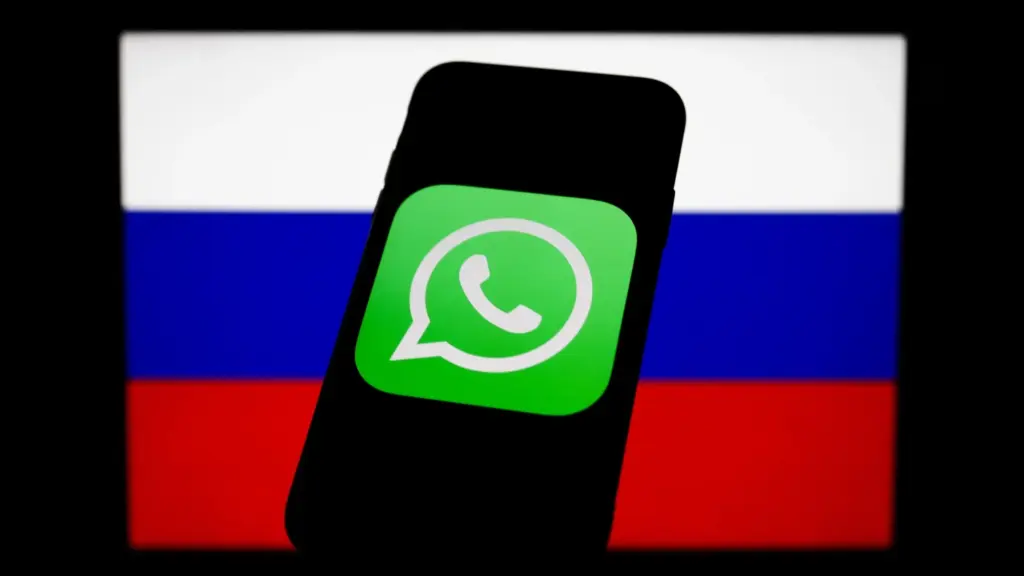
In a decisive move, Russia has attempted to fully block WhatsApp, a messaging platform that boasts over 100 million users in the country. This restriction is part of a broader crackdown on digital communication applications, with the Kremlin intensifying its efforts to control the dissemination of information. WhatsApp’s parent company, Meta, has expressed its commitment to maintaining connectivity for its users, stating that isolating such a vast number of individuals from private and secure communication is a step backward for digital rights in Russia. The potential for a permanent ban on the app by 2026 raises concerns about users’ ability to communicate freely and securely.
Kremlin officials have indicated that WhatsApp could restore its operations in Russia if it adheres to local laws and engages in proper dialogues, highlighting the tension between governmental control and user freedom. The classification of Meta as an extremist organization has intensified government actions against its services, which include the blocking of Instagram and Facebook. The implications of the WhatsApp ban not only affect individual users but also pose significant challenges for businesses that rely on the app for communication within and outside Russia.
Impact of the Russia Messaging Crackdown
The crackdown on messaging services in Russia has fundamentally altered the landscape of digital communication within the country. With the ban on WhatsApp and heightened restrictions on Telegram, the Kremlin is exerting significant control over how citizens interact and share information. Many Russians are turning to alternative platforms, yet the Kremlin’s efforts to promote state-controlled solutions such as the Max app raise concerns about privacy and data security. Critics argue that the lack of end-to-end encryption on Max means that users are exposed to governmental surveillance and censorship, undermining the very essence of free communication.
Furthermore, the implication of such restrictions extends beyond mere access to apps; they point to a larger strategy of suppressing dissent and controlling the narrative within Russia. As users gravitate toward VPNs to bypass these restrictions, the government’s response may further intensify, leading to a vicious cycle of censorship and rebellion. The digital rights movement within Russia has mobilized around protecting citizens’ access to unrestricted communication, highlighting the urgent need for global attention to these issues.
Telegram’s Role Amidst Russia’s Communication Restrictions
As WhatsApp faces increasing pressure from the Russian government, Telegram has also experienced significant challenges despite its popularity. The application is frequently utilized by individuals and organizations, including those in conflict zones like Ukraine, which has attracted scrutiny from the Kremlin. The state’s announcement of further restrictions on Telegram is seen as an attempt to suppress independent journalism and curb the free flow of information, aligning with Russia’s broader strategy of internet censorship. The narrative that the government can justify such censorship due to national security concerns remains contentious.
Pavel Durov, the founder of Telegram, has publicly condemned the government’s moves to limit access to his platform, labeling them as tactics aimed at promoting surveillance and political control. He draws parallels with similar movements observed in other nations, such as Iran, where the state attempts to push citizens towards government-approved communication applications. The resilience of Telegram’s user base, despite these challenges, underscores the determination of individuals seeking to maintain their digital rights in the face of authoritarian control.
The Rise of State-Controlled Apps in Russia
In response to the increasing restrictions on popular messaging apps, Russia has introduced the Max app as an alternative communication platform. Mandated to be pre-installed on all new devices, the Max app aims to become the primary means of communication, particularly for public sector employees, educators, and students. Unlike its competitors, Max is positioned as a state-supported solution, which critics argue is fundamentally flawed due to its lack of robust encryption features. This raises significant questions about the safety of users’ private conversations and the scope of governmental monitoring.
The state’s push for Max mirrors tactics used in other authoritarian regimes, where governments deploy state-controlled solutions to limit citizens’ access to independent information. By promoting a super app that merges messaging with government services, Russia seeks to consolidate its influence over digital communications. This development has sparked a broader discussion on digital rights in Russia, with advocates warning that such measures could ultimately erode the foundations of privacy and human freedom in the digital age.
The Future of Digital Rights in Russia
As digital rights advocates confront the challenges posed by the WhatsApp Russia ban and the promotion of state-controlled applications, the future of internet freedom remains uncertain. The landscape has become increasingly precarious, marked by a tug-of-war between government regulations and the people’s desire for unfiltered communication. Initiatives like the Na Svyazi project showcase the efforts of activists striving to protect users from further encroachment on their digital freedoms, yet the effectiveness of these movements faces significant obstacles.
With the Kremlin tightening its grip on digital platforms, the call for international solidarity in defending internet freedoms is paramount. Recognizing the critical role that communication tools play in accessing information, social change, and civic engagement, the global community is urged to advocate for policies that support the rights of individuals in oppressive environments. As Russia charts its course towards a more restricted digital future, the principles of free expression and communication must remain at the forefront of the conversation.
Global Response to Russia’s Messaging Restrictions
The international community’s response to Russia’s attempts to ban WhatsApp and impose strict controls on other messaging platforms has been one of concern and condemnation. Digital rights organizations and human rights advocates are closely monitoring the situation, calling for global action to ensure that citizens can maintain their right to free communication. The imposition of limitations by the Russian Government on popular apps affects not just domestic users but also disrupts global communication networks, utilizing censorship as a tool for control.
Calls for sanctions against state officials and entities involved in enforcing these restrictive measures emphasize the need for coordinated international pressure on the Kremlin. By advocating for the protection of digital rights within Russia, global partnerships are essential in reinforcing the message that the suppression of communication tools is an affront to democracy itself. As the situation continues to evolve, the solidarity among nations in upholding the values of free speech and privacy is crucial in countering authoritarian practices.
The Role of VPNs in Bypassing Censorship in Russia
With the rapid escalation of messaging app bans in Russia, many users have turned to VPNs (Virtual Private Networks) as a means to circumvent government restrictions. VPNs enable individuals to encrypt their internet connections, allowing them to access blocked services such as WhatsApp and Telegram without fear of surveillance. As more Russians seek out these tools to maintain their access to digital communication, the popularity of VPN services has surged, reflecting the public’s defiance against state censorship.
However, the use of VPNs is not without risk. The Russian government has indicated its intention to crack down on virtual private networks, threatening users with penalties and fines. This ongoing battle highlights the lengths to which citizens will go to uphold their digital rights and illustrates the broader struggle for internet freedom in the face of oppressive policies. The resilience of VPN usage among Russians serves as a powerful reminder of the desire for unfiltered access to information and communication.
Comparative Analysis: Russia and Other Nations Managing Digital Rights
The struggle for digital rights in Russia is not unique; it can be compared to similar efforts by other countries managing their communications infrastructure amid rising concerns over censorship and surveillance. For instance, Iran’s systematic ban on Telegram and restrictions on other messaging platforms showcase a parallel strategy of limiting access to independent information while promoting government-backed alternatives. Such comparisons raise important questions about the global implications of digital rights violations and the fight against authoritarian control.
Drawing lessons from these international scenarios, activists within Russia can leverage strategies from global movements advocating for free speech and digital privacy. The intersection of technology, politics, and human rights requires an ongoing dialogue on best practices for defending against government encroachments. The global response highlights the need for collaborative efforts to safeguard the rights of individuals across borders, solidifying the principle that freedom of expression and communication should be universally upheld.
Conclusion: The Ongoing Fight for Digital Rights in Russia
As Russia continues to escalate its digital crackdown through the banning of apps like WhatsApp and imposing restrictions on platforms such as Telegram, the implications for digital rights remain profound. The population faces challenges in exercising free expression, communication, and access to information, with state control becoming increasingly pervasive. The introduction of monitored apps like Max raises serious concerns regarding surveillance and privacy, further complicating the landscape of digital rights in Russia.
The fight for these rights persists, propelled by advocacy groups and individuals committed to resisting censorship and promoting free communication. As future developments unfold, the global community’s involvement in supporting digital rights in oppressive regimes will be crucial. Ultimately, safeguarding the freedoms of digital expression is an ongoing struggle that requires vigilance and solidarity both on domestic and international fronts.
Frequently Asked Questions
What is the current status of the WhatsApp Russia ban?
The WhatsApp Russia ban is in effect as Russia attempts to block access to the app completely. Meta, the parent company, confirmed that over 100 million users in Russia may lose access, with Russian authorities citing failure to comply with data storage laws as a reason for the ban.
Why is Russia implementing a WhatsApp block?
Russia is implementing a WhatsApp block to tighten its grip on digital communications and enforce regulations requiring apps to store Russian user data domestically. This move is part of a broader messaging crackdown which threatens the privacy and security of communication for millions in the country.
How does the WhatsApp Russia ban affect digital rights in Russia?
The WhatsApp Russia ban impacts digital rights by limiting access to free and secure communication. Critics argue that such actions contravene users’ rights to privacy and free speech, exacerbating an environment of surveillance and control over digital communication.
What messaging apps are affected by Russia’s crackdown on communications?
In addition to WhatsApp, Russia’s crackdown affects Telegram and other popular messaging apps. Telegram has faced restrictions too, as authorities push for users to adopt the state-developed Max app, which does not guarantee the same level of security for communication.
What is the Max app developed by Russia?
The Max app is a state-developed communications platform mandated to be pre-installed on new devices in Russia. Unlike WhatsApp, it lacks end-to-end encryption, raising concerns about government surveillance and personal privacy.
How are users responding to the WhatsApp and Telegram bans in Russia?
Users in Russia have expressed frustration with the WhatsApp and Telegram bans, with many seeking alternative methods of communication. Pro-war bloggers and civil society members have also shared concern that these restrictions hinder crucial communication channels amid ongoing conflicts.
What are the potential consequences of a permanent WhatsApp ban in Russia by 2026?
If WhatsApp is permanently banned by 2026, it could isolate over 100 million users from secure messaging services. This would likely lead to reduced safety for individuals relying on these platforms for private communication, as users may turn to less secure alternatives.
Can users in Russia access WhatsApp through VPNs?
While WhatsApp is being blocked in Russia, users may still find access through virtual private networks (VPNs). However, using a VPN comes with its own risks and is not a foolproof solution to the ongoing messaging crackdown.
How does the WhatsApp ban compare to similar actions in other countries?
The WhatsApp ban in Russia parallels actions taken by countries like Iran, where authorities also restrict access to messaging apps to promote state-run alternatives. Both countries aim to enhance control over digital communication and restrict citizens’ freedoms.
Is there any chance for WhatsApp to resume operations in Russia?
There is a possibility for WhatsApp to resume operations in Russia if it engages in dialogue with the Kremlin and complies with regulatory requirements. However, the chances remain slim as the government has classified Meta, its parent company, as an extremist organization.
| Key Point | Details |
|---|---|
| WhatsApp Ban | Russia has attempted to fully block WhatsApp, which has over 100 million users in the country. |
| Compliance Conditions | The Kremlin stated WhatsApp could resume operations if it complied with local laws and engaged in dialogue. |
| Other Messaging Apps | Russia’s Roskomnadzor has imposed restrictions on Telegram as well for security reasons. |
| National Security Motives | Russian officials claim the measures are justified to ensure safety, given that Meta is labeled as an extremist organization. |
| Alternative Messaging Solutions | Russia aims to promote Max, a state-developed app that lacks end-to-end encryption. |
| Public Compliance | From 2025, new devices in Russia will have the Max app pre-installed, mandating usage for public employees and students. |
| Global Comparisons | The situation is reminiscent of Iran’s strategy to push national messaging apps and restrict alternatives. |
| Criticism of Restrictions | Critics argue that such measures limit free communication and increase government surveillance. |
Summary
The WhatsApp Russia ban represents a critical development in the ongoing tensions between the Kremlin and international tech companies. Russia’s decision to block WhatsApp, which has over 100 million users, illustrates its push towards tighter control over digital communication. While the Kremlin allows for the potential reinstatement of WhatsApp under certain conditions, the broader aim appears to make way for state-centric communication platforms like Max, which raises significant concerns about privacy and freedom of expression. As this situation unfolds, the implications for both users in Russia and international relations will be closely monitored.