Listen to this article
Fire risk assessment plays a crucial role in safeguarding both the environment and public safety, especially in areas plagued by illegal waste sites. Communities living near these hazardous locations are increasingly concerned about potential fire hazards that could lead to devastating consequences, as highlighted by the high-profile case of the Kidlington dump. The Environment Agency’s decision to undertake a multi-million-pound cleanup was largely driven by the alarming findings in their fire risk assessment, yet residents are left in the dark due to the lack of transparency. This mysterious refusal to release such vital information has ignited local community concerns, as people seek clarity on the specific risks associated with illegal dumping. With ongoing investigations into waste sites across the country, the need for detailed fire risk assessments cannot be more critical to ensure safety and environmental protection.
The examination of fire hazards in relation to illegal waste management is essential for maintaining community health and safety. Through the evaluation of fire risk profiles, authorities can identify potential hotspots and mitigate risks associated with waste accumulation. Local stakeholders and residents are becoming increasingly vocal about their worries regarding how unregulated waste disposal could lead to catastrophic fire incidents. By analyzing the environmental impacts and establishing robust fire prevention measures, agencies can foster a safer local environment. Ultimately, thorough fire risk evaluations are indispensable for addressing the pressing concerns that communities face near hazardous waste sites.
Understanding Fire Risk Assessment Importance
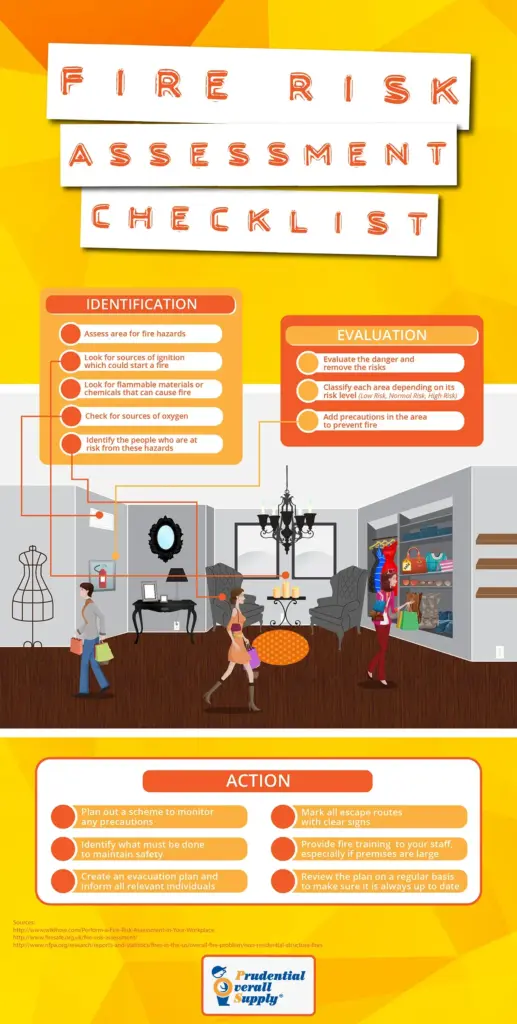
Fire risk assessments are a crucial part of ensuring public safety, especially in areas with illegal waste sites. These assessments evaluate potential fire hazards and help identify how easily a fire could start, escalate, or spread, especially in environments laden with combustible materials, like those found in illegal dumping sites. By meticulously documenting thermal hotspots and possible ignition sources, authorities can develop targeted firefighting strategies to mitigate risks. Understanding these assessments is key for local communities vested in maintaining their safety and well-being.
Moreover, communities near illegal waste sites deserve transparency surrounding fire risk assessments. The reluctance of agencies like the Environment Agency (EA) to share detailed information can breed distrust and anxiety among residents. Clear communication regarding findings in fire assessments can empower local communities, allowing them to advocate for necessary cleanup operations and monitoring efforts. When communities understand the specifics of the fire risks, they can better participate in dialogues and decisions about public safety and environmental health in their areas.
Concerns About Illegal Waste Sites
Illegal waste sites present significant concerns for surrounding communities, primarily due to the environmental and public health hazards they pose. With waste being dumped haphazardly, there’s always a risk of hazardous materials contaminating soil and groundwater. Furthermore, improper disposal increases fire hazards, as these sites can become a source of spontaneous combustion, endangering both local populations and emergency responders. The urgency with which various illegal dump sites are addressed by authorities, such as the EA, varies greatly, leaving some communities feeling neglected as they live in the shadow of serious environmental threats.
The lack of action taken by the Environment Agency to rectify the issues associated with illegal waste sites raises substantial public safety concerns. While sites like the Kidlington location are prioritized for clearance due to identified fire risks, many other sites remain underregulated. This disparity complicates community relationships with agencies meant to protect their interests. Local councils and residents are rallying for more equitable treatment and transparency regarding these conditions, seeking assurance that all threats to public safety are being adequately managed.
Public Response to Environmental Agency’s Decisions
Public responses to the Environment Agency’s decision to clear the Kidlington illegal waste dump reflect deep community concern over environmental accountability and safety standards. Residents are perplexed as to why some sites receive immediate attention, while others degrade unequally. Rather than feeling reassured by the EA’s actions in Oxfordshire, many feel marginalized, fearing that their own neighborhoods are ignored despite potential dangers. This highlights the human impact of environmental policies and the desire for a more uniform approach to managing fire risks and other hazards across illegally managed spaces.
Furthermore, as campaigns to uncover fire risk assessments intensify, community leaders express frustration over a perceived lack of responsiveness from regulatory bodies. The call for the release of information, particularly around fire hazards, showcases an intersection between environmental justice and public safety. It is vital that authorities prioritize comprehensive evaluations of all illegal waste sites, ensuring that practices and regulations support not only the environment but also the concerns of the local community. By involving residents in discussions around these issues, agencies may foster stronger relationships built on trust and reliability.
The Role of Local Communities in Environmental Management
Local communities play a pivotal role in environmental management, particularly in contexts involving illegal waste sites and fire risks. By voicing their concerns, organizing campaigns, and actively engaging with environmental regulatory bodies, residents can influence the decision-making processes that impact their neighborhoods. Community advocacy not only elevates public awareness but also prompts agencies to view these sites as critical public health concerns rather than just regulatory challenges. Residents are encouraged to report illegally dumped waste, participate in forums, and collaborate with local councils to champion their environmental interests.
Moreover, when communities engage constructively with authorities, they enable a more proactive approach to managing environmental risks. This collaboration can lead to better surveillance and quicker responses to potential hazards, such as fires stemming from illegal dumping. By building stronger relationships with agencies like the Environment Agency, local communities can advocate for consistent risk assessments and the urgent remediation of sites threatening their safety and health. Their voices can catalyze much-needed action and ensure that public safety concerns are always at the forefront of environmental policy.
Fire Hazards and Community Safety
Fire hazards associated with illegal waste sites pose significant risks to community safety. The mere presence of large quantities of combustible materials increases the likelihood of fires, which can have devastating effects not only on the environment but also on local populations. Fires can release toxic smoke and pollutants that compromise air quality and public health, highlighting the urgent need for rigorous fire risk assessments to be conducted and disclosed to local residents. Communities deserve to know the potential hazards they face and the actions that are being taken to mitigate these risks.
Additionally, when local authorities and agencies neglect to adequately address these fire hazards, public trust erodes. Residents frequently express concerns regarding the lack of visibility into the operational assessments of these sites, particularly concerning their direct impacts on public safety. This opaqueness can lead to fear and anxiety among community members, pushing them to demand greater transparency from the Environment Agency and local fire services. Recognizing the vital interplay between community safety and regulatory oversight is crucial for fostering environments where residents feel secure and supported.
Environmental Justice and Regulatory Action
The concept of environmental justice is critical when discussing regulatory action on illegal waste sites, especially regarding fire risks. This principle advocates that all communities, regardless of socioeconomic status, should receive equal protection regarding environmental health and safety. Addressing the discrepancies in how various illegal waste sites are managed directly reflects on this issue. As observed, while some areas receive prompt intervention, others are left vulnerable, underscoring systemic inequities that can threaten public safety and community wellbeing.
Communities experiencing delays or neglect in addressing illegal dump sites are increasingly vocal, challenging authorities to act equitably. The outcry for transparency surrounding fire risk assessments has become a rallying call for residents who feel their public safety concerns are being overlooked. This challenge presses the Environment Agency and other regulatory bodies to reevaluate their practices, ensuring that environmental justice informs their strategies. By responding to the needs of all communities, these agencies can not only reinforce public confidence but also promote sustainable environmental stewardship.
Legislative Actions for Environmental Safety
Legislative actions play a significant role in shaping how environmental safety issues, such as illegal waste management and fire hazards, are addressed. Lawmakers possess the power to introduce reforms that enhance regulations governing waste disposal and ensure rigorous monitoring of sites identified as high-risk. As campaigners push for changes, it is crucial that new policies reflect the public’s concern over fire risks associated with illegal waste sites. Legislative support for increased funding and resources for agencies like the Environment Agency can also lead to more efficient resolutions of existing problems.
Moreover, effective legislation can mandate regular fire risk assessments for illegal waste sites, ensuring that potential hazards are identified and mitigated promptly. Such proactive measures can significantly reduce the risk of fires that threaten local communities. Engaging local residents in the legislative process can further empower communities, giving them a voice in creating laws and policies that directly affect their safety and environment. Ultimately, through collaborative efforts between legislators, regulatory bodies, and the community, comprehensive approaches can be developed to tackle environmental hazards effectively.
The Impacts of Illegal Waste on Public Infrastructure
The presence of illegal waste sites and their associated fire risks significantly impacts public infrastructure. When fires erupt at these sites, they do not only threaten local residents but can also jeopardize crucial public amenities, such as main roads and electrical supplies. For example, as highlighted in the fire risk assessment concerns related to the Kidlington site, potential closures of essential routes like the A34 can have far-reaching implications for traffic flow and public transport. Addressing these implications should be a priority for regulatory bodies to maintain community connectivity and safety.
Furthermore, local communities rely on the resilience of their infrastructure during emergencies. Waste sites with a history of fire hazards can strain firefighting resources and other emergency services, diverting them from other critical areas. This exacerbation poses risks not only to those living near illegal dump sites but to the entire local infrastructure’s capability to function safely and effectively. Communities can advocate for comprehensive assessments and responsive measures to protect their infrastructure from the direct and indirect consequences of fire risks stemming from illegal waste operations.
Collaborative Solutions for Environmental Concerns
Addressing environmental concerns stemming from illegal waste sites requires collaborative solutions among local communities, regulatory bodies, and environmental organizations. Initiatives aimed at educating residents on waste management practices can foster community vigilance, encouraging local reporting of illegal activities. Furthermore, partnerships with environmental activists can amplify the concerns regarding fire risks and public health implications to a broader audience, increasing pressure on regulatory agencies to act. This collaborative approach can create a united front in advocating for necessary changes and enhancements to environmental safety regulations.
Additionally, community engagement in environmental management practices can be beneficial in implementing sustainable solutions to illegal waste dumping. Residents can participate in cleanup efforts and educational programs on recycling and proper waste disposal. These initiatives promote environmental stewardship and empower communities to influence change actively. By harnessing local knowledge and resources, collaborative efforts can potentially yield significant improvements, not just in fire risk management but in overall community health and safety.
Frequently Asked Questions
What is a fire risk assessment for illegal waste sites?
A fire risk assessment for illegal waste sites is a comprehensive evaluation conducted to identify potential fire hazards, assess risks, and recommend mitigation strategies to protect public safety and the environment. This assessment helps authorities understand the severity of fire risks associated with these sites.
Why is the fire risk assessment of the Kidlington illegal waste site kept from the public?
The fire risk assessment for the Kidlington illegal waste site is kept confidential to protect public safety. Authorities believe that releasing detailed information on fire hazards and thermal hotspots could jeopardize effective firefighting strategies and regulatory investigations.
How does the Environment Agency determine fire hazards at illegal waste sites?
The Environment Agency evaluates fire hazards at illegal waste sites through detailed fire risk assessments that analyze the site’s conditions, including the type and amount of waste present, environmental factors, and past incidents. This information is crucial for maintaining public safety and guiding cleanup efforts.
What steps are taken when a fire risk assessment indicates high risks at a waste site?
When a fire risk assessment indicates high risks at a waste site, the Environment Agency may take exceptional actions, such as clearing the site. This was seen in the case of the Kidlington site, where the assessment prompted a £9 million cleanup due to the potential impact on public safety, including traffic disruptions and utility risks.
What concerns do local communities have regarding fire risks at illegal waste sites?
Local communities express concerns about fire risks at illegal waste sites due to potential hazards such as toxic smoke, environmental damage, and threats to public health. Residents near sites like Over, Gloucestershire, worry that inadequate agency responses could lead to dangerous situations.
How are fire hazard incidents managed at illegal waste sites?
Fire hazard incidents at illegal waste sites are managed through collaboration between local fire services and the Environment Agency. Fire risk assessments guide firefighting operations by identifying critical safety measures and informing responders of potential hazards associated with waste materials.
What impact can illegal waste sites have on public safety?
Illegal waste sites can significantly impact public safety by posing fire hazards that threaten surrounding areas. The potential for toxic fires, contamination, and blocked access routes highlights the importance of conducting thorough fire risk assessments to mitigate risks.
Why might the Environment Agency refuse to release fire risk assessment documents?
The Environment Agency might refuse to release fire risk assessment documents to avoid compromising public safety, as detailed findings could hinder effective regulatory enforcement and firefighting efforts. Keeping such information confidential aims to protect communities from increased risk.
What role does the local fire service play in assessing fire risks at waste sites?
The local fire service plays a crucial role in assessing fire risks at waste sites by monitoring incidents, providing operational insights, and working in conjunction with the Environment Agency to develop strategies that address and mitigate fire hazards effectively.
What actions can communities take to address concerns over fire risks from illegal waste sites?
Communities can advocate for transparency by requesting fire risk assessments, engaging with local councils, and collaborating with the Environment Agency to ensure that appropriate measures are taken to address fire risks and protect public safety.
| Key Points | Details |
|---|---|
| Fire Risk Assessment Release | Environment Agency refuses to disclose assessment due to concerns over public safety. |
| Exceptional Clearance Decision | £9 million spent on clearing the Kidlington site due to severe fire risks. |
| Local Concerns | Residents worry about other sites presenting similar fire and environmental hazards. |
| Government Response | Baroness Sheehan and other local leaders demand transparency and action on fire risks. |
| Ongoing Investigations | Four arrests made related to illegal waste dumping; EA investigating multiple sites. |
| Local & Regional Risks | Concerns also raised about a 25,000-tonne site in Wigan near a primary school. |
Summary
Fire risk assessment is a crucial component in managing threats posed by illegal waste sites. In the case of the Kidlington dump in Oxfordshire, significant steps were taken due to highlighted fire risks, which have raised serious concerns among local residents. The refusal to release the detailed fire risk assessment has sparked debates on transparency and safety priorities, as residents demand equal treatment for other high-risk waste dumps in their vicinity.