
Listen to this article
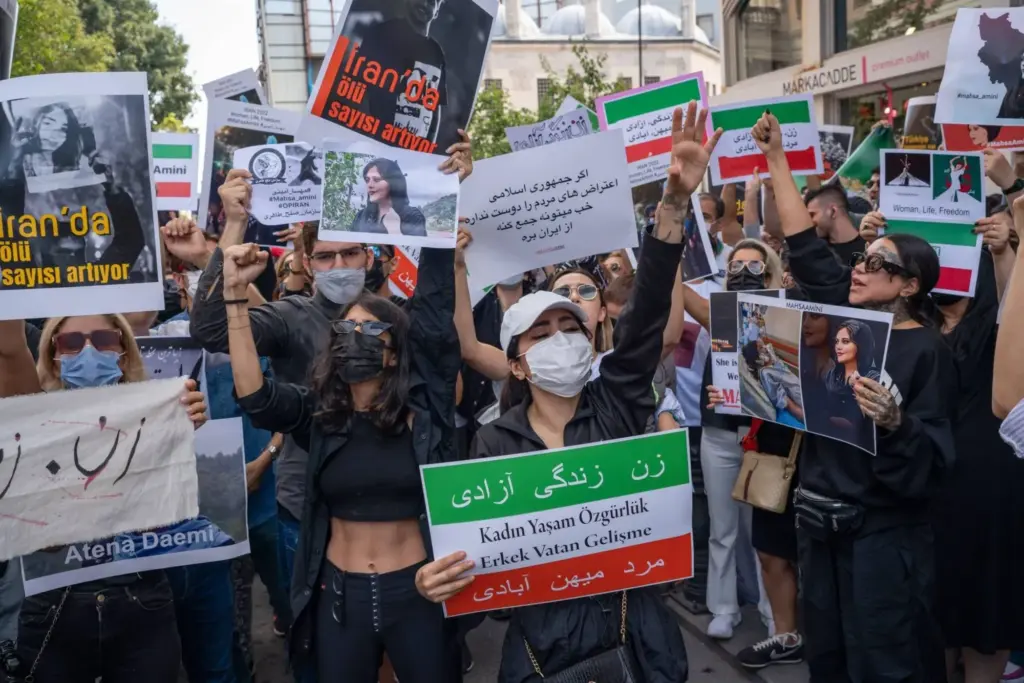
The Iran revolution 2023 marks a pivotal moment in the nation’s tumultuous struggle for freedom and change, resonating deeply in the heart of the Middle East. Amidst the vibrant Tehran protests, citizens have poured into the streets, voicing their discontent over soaring inflation and the ongoing Iran poverty crisis that has impacted lives across the country. Calls for an end to clerical rule and denouncements of Supreme Leader Ayatollah Khamenei underscore the Iranian uprising’s urgency and determination. These 2023 protests in Iran have echoed not only in the capital but also in numerous cities, showcasing a wave of defiance against years of stagnation. As the historical narrative of the Iranian revolution unfolds, it intertwines with a fresh quest for dignity and economic justice, compelling a global audience to await the outcome of this significant chapter in Iran’s history.
The recent uprising in Iran has captured international attention, with demonstrations erupting throughout the country in a powerful display of unity against oppressive governance. The ongoing protests, often referred to as the 2023 uprising, reflect widespread discontent with economic hardships and the austere policies imposed by the clerical leadership. As citizens express their desire for political reform and an end to the poverty crisis, the situation has escalated into one of the most significant challenges faced by the Islamic Republic since its inception. With each rally, the resonance of dissent grows stronger, revealing a seismic shift in the societal pulse of a nation yearning for change. These events could redefine Iran’s political landscape and impact its relationships within the region and beyond.
Understanding the Tehran Protests of 2023
The protests in Tehran during 2023 have emerged as a significant expression of discontent among Iranians against the backdrop of rising inflation and economic mismanagement. With soaring prices impacting their basic standard of living, citizens have taken to the streets to voice their anger and frustration. These uprisings, marked by chants against the regime and calls for governmental reform, signify a pivotal moment for Iran, raising questions about the stability of the Islamic Republic and its ability to maintain control over an increasingly dissatisfied populace.
As thousands gathered in Tehran’s squares to protest, the demonstrations not only reflected dissatisfaction with economic conditions but also a deeper yearning for political change. Citizens, particularly the youth, showed their willingness to defy state repression, demonstrating a collective urge to express their dissatisfaction openly. The 2023 protests in Iran represent not just an echo of past uprisings but a significant escalation in the demand for change, highlighting a disillusionment that has taken root across various sectors of society.
Iran Revolution 2023: A Year of Change?
The celebrations marking the 47th anniversary of the Iranian Revolution in 2023 were overshadowed by protests that have raised critical questions about the future of the Islamic Republic. While the ruling class paraded in celebration of the 1979 revolution, many ordinary citizens expressed their dissatisfaction with slogans like “death to the dictator” amidst celebratory chants. These contrasting sentiments reflect an intense struggle between longstanding traditions of the Islamic Republic and the rising tide of reformist demands from the populace, triggered by deep-rooted issues such as poverty and governmental accountability.
Moreover, the 2023 protests brought to light the generational divide in Iran, with younger Iranians increasingly vocal against the regime’s policies. The breakdown of social and economic cohesion, coupled with a lack of faith in the leadership, suggests the revolution of 1979 may be experiencing a critical reassessment. As protests intensified in various cities, it became clear that the Iranian people are seeking a revolution of their own—one that prioritizes individual rights and democratic governance over the rigid clerical control they currently endure.
The Influence of Ayatollah Khamenei on the Uprising
Supreme Leader Ayatollah Khamenei’s influence looms large over the current discontent in Iran. As the face of the Islamic Republic, his leadership has been characterized by a rigid adherence to revolutionary principles, which many feel have increasingly become disconnected from the realities of modern Iranian society. In the face of escalating protests and unrest, Khamenei’s response has often been to blame external forces, particularly the West, framing the protests as manifestations of foreign interference rather than as legitimate cries for help from a struggling populace.
This approach has not only alienated many within Iran’s youth but has also underscored the government’s unwillingness to engage with the underlying issues that instigate these uprisings. The 2023 protests have highlighted the tensions between the populace and the aging leadership, particularly as economic crises deepened and personal freedoms remained stifled. Khamenei’s rigid stance underscores a growing divide between the authority of the clerics and the aspirations of a new generation seeking reform and change.
The Impact of Economic Hardship on Iranian Society
The economic conditions in Iran have reached a critical juncture, serving as fuel for the protests seen throughout 2023. Many ordinary Iranians are grappling with extreme inflation, unemployment, and persistent shortages of essential goods. These dire circumstances have led people to question the effectiveness of the government’s approach to economic management, prompting widespread anger and calls for reform. As the cost of living continues to rise unabated, the gap between the ruling elite and the average citizen widens, resulting in an atmosphere ripe for unrest.
Economic analyses indicate that the ongoing poverty crisis is deeply intertwined with the political unrest in Iran. Citizens impacted by the skyrocketing prices of essentials—such as food and housing—have taken to the streets to demand accountability from their leaders. Furthermore, many Iranians see the government’s failure to address economic grievances as a broader failure of its governance, acting as a clarion call for change amid the potential for an upheaval that reflects the original revolutionary sentiments of 1979.
Voices of Dissent: Narratives from Iranian Protesters
Amidst the turmoil of protests in 2023, the voices of dissent echo loudly across various regions of Iran. Individuals from all walks of life, especially the youth, have shared their experiences and frustrations with the current regime. One young woman, dressed in a traditional veil, captured the essence of the discontent pervading society. She expressed that while many involved in protests were driven by legitimate grievances about economic conditions, outside influences were often painted as the root cause of unrest—a narrative consistently propagated by government officials.
These narratives provide insight into the complex fabric of Iranian society, where personal stories of hardship intersect with a growing desire for reform. Protesters have articulated their demands not only for economic relief but also for the restoration of personal freedoms and rights. This multifaceted approach to dissent indicates a collective yearning for a future wherein the voices of the marginalized are heard, and societal change can occur through open dialogue and engagement, rather than suppression.
Government Responses to Unrest in Iran
In response to the unrest that erupted in 2023, the Iranian government’s actions reveal a strategy of force and propaganda aimed at quelling dissent. Authorities have deployed security forces to suppress protests with unprecedented hostility, while simultaneously framing their crackdown as a necessity for maintaining national stability. The government’s rhetoric suggests a view of protestors as enemies of the state, further entrenching divisions across society, as the state equates dissent with a lack of patriotism.
However, these heavy-handed tactics may prove counterproductive, as they only serve to invigorate the resolve of protestors. The stark divide between government narratives and the lived experiences of the people has grown increasingly palpable, as demonstrated by the persistent calls for reform reverberating through the streets. Despite the risks, many Iranians continue to speak out against government repression, challenging the narrative that seeks to paint all dissenters as outside agitators. This complicated dynamic underscores the challenges facing the Iranian leadership as they navigate a populace demanding change.
The Role of International Sanctions on Iran’s Economy
International sanctions have played a significant role in exacerbating Iran’s economic hardships, contributing to the widespread despair underpinning the protests of 2023. These sanctions, largely imposed due to concerns over Iran’s nuclear ambitions, have curtailed the country’s access to global markets and financial systems. As a result, the economic fallout has compounded issues like inflation and unemployment, leaving citizens increasingly frustrated with the regime’s inability to alleviate their suffering.
The intertwining of sanctions and domestic policy failures has led many Iranians to question whether the current leadership can effectively navigate these crises. Calls for a reevaluation of foreign policy and its implications on domestic welfare resonate strongly among protestors, many of whom equate the sanctions with governmental failure. Thus, resolving the economic turmoil is not only an urgent matter for the state but also a critical factor in restoring public faith in the authorities and reducing the frequency of protests.
Historical Context of the Iranian Uprisings
Understanding the historical context of the Iranian uprisings is crucial to grasping the magnitude of the protests in 2023. The struggle for freedom and democracy has long dictated the political landscape of Iran, tracing back to the 1979 revolution that dismantled the monarchy. The ensuing years of theocratic rule have witnessed recurrent expressions of dissent as citizens consistently challenge the oppressive regimes. These historical undercurrents have set the stage for the wave of protests currently sweeping through the nation, as individuals confront the realities of a government increasingly seen as out of touch.
The cyclical nature of protests in Iran highlights both the resilience of the Iranian people and the challenges posed by systemic repression. Each uprising is not only fueled by grievances but also connects deeply with the past, symbolizing an ongoing struggle for rights and freedoms. As 2023 marks yet another chapter in this tumultuous history, the lessons from previous movements linger in the minds of citizens, who understand the stakes involved in their quest for a reformed society.
Future Outlook for Iran Amidst Unrest
The future outlook for Iran amid the ongoing unrest is fraught with uncertainty. The government’s response to protests, combined with internal economic pressures, is likely to shape the country’s trajectory in the coming years. As civil strife continues to surge, the potential for meaningful dialogue between the government and citizens remains limited. However, the persistence of protests signals a crucial moment in Iranian history, where public sentiment may gradually push for meaningful change despite state efforts to suppress dissent.
Internationally, the situation poses a complex challenge for policymakers, who must balance the implications of ongoing sanctions with potential avenues for diplomacy. As 2023 draws to a close, the focus remains on whether the Iranian leadership can adapt to the demands of its citizens. Acknowledging grievances and addressing economic crises may provide the government with an opportunity to stabilize its position, but the critical challenge lies in earning the trust of a populace that has repeatedly demonstrated its readiness to demand change.
Frequently Asked Questions
What triggered the 2023 protests in Iran?
The 2023 protests in Iran were primarily triggered by a severe economic crisis, including soaring prices of everyday goods, rising poverty, and widespread discontent with the clerical regime. The public’s frustration was amplified during shopkeepers’ strikes and escalated into larger demonstrations calling for an end to clerical rule.
What role did the Iranian government play during the 2023 protests?
During the 2023 protests in Iran, the government responded with unprecedented lethal force, resulting in a significant loss of life. Officials, including President Masoud Pezeshkian, acknowledged public grievances but often blamed foreign influence and propaganda for inciting unrest.
How did the Ayatollah Khamenei respond to the protests in 2023?
Ayatollah Khamenei, Iran’s supreme leader, took a firm stance against the protests in 2023, threatening severe repercussions for those labeled as rioters or terrorists. His response focused on enforcing the regime’s authority while dismissing public dissent as an external plot.
What were the key demands of the protesters during the Iranian uprising in 2023?
The key demands of the protesters during the Iranian uprising in 2023 included an end to clerical rule, significant economic reforms, and the protection of basic rights and freedoms. Protesters also vocalized their frustrations over rising unemployment and the deteriorating living conditions due to inflation.
How did the international community react to the events in Iran during the 2023 protests?
The international community largely condemned the Iranian government’s violent crackdown on the 2023 protests. Various human rights organizations reported on the loss of life and called for accountability, while nations monitored the situation closely amid ongoing tensions regarding Iran’s nuclear ambitions.
What implications do the 2023 protests have for the future of Iran?
The implications of the 2023 protests for Iran’s future are profound, indicating potential instability within the regime. The protests exemplified widespread public discontent and economic distress, suggesting that the current theocratic governance may face unprecedented challenges in maintaining control and legitimacy.
What was the atmosphere in Tehran during the anniversary of the Iranian revolution amidst the protests in 2023?
Amidst the protests in 2023, the atmosphere in Tehran during the anniversary of the Iranian revolution was contradictory; while government supporters celebrated with rallies, chants of defiance against the regime were also prevalent. The celebrations were overshadowed by public discontent and a stark acknowledgment of the ongoing challenges facing Iranians.
How did the internet blackout affect the 2023 protests in Iran?
The internet blackout imposed by the Iranian government during the 2023 protests severely affected communication among protesters and hindered the dissemination of information. This blackout was one of the longest in history, aiming to suppress coverage of the protests and limit coordination among demonstrators.
What factors contributed to the economic crisis fueling the protests in Iran in 2023?
The economic crisis fueling the 2023 protests in Iran was exacerbated by a combination of factors including severe mismanagement, corruption, the impact of international sanctions, and the government’s inability to address skyrocketing prices and unemployment, leading to a deepening poverty crisis.
What messages did protesters convey to the Iranian leadership during the 2023 protests?
During the 2023 protests, many Iranian protesters expressed a clear message to their leadership: a demand for listening to the people’s voices, addressing basic needs, and ensuring rights and freedoms. Many sought accountability for the economic hardships and a plea to improve their living conditions.
| Key Points |
|---|
| Tehran celebrations marked the 47th anniversary of the Iranian revolution with fireworks and chants, yet protests against the regime were prevalent. |
| The protests were met with severe government crackdowns resulting in numerous deaths, marking this as one of the bloodiest uprisings in recent history. |
| A contrasting atmosphere was felt as many participated in state-sponsored events while simultaneously expressing dissatisfaction with economic conditions. |
| The Iranian government faces challenges including rising costs of living, public discontent, and pressures from international sanctions. |
| Authorities, including President Masoud Pezeshkian, acknowledged public concerns while attributing unrest to ‘foreign enemies’. |
| The youth expressed a desire for basic freedoms and improvements in living conditions amidst ongoing repression. |
Summary
The Iran revolution 2023 highlights the ongoing struggle for freedom and reform within the country as citizens voice their discontent against the regime. Marking significant unrest during what should have been a celebratory period, the protests against the oppressive government continue to clash with the state’s attempts at maintaining control. As economic hardship and calls for political change rise, the resilience of the Iranian people in their pursuit for a better future remains evident.

