
Listen to this article
The Beddington incinerator, formally known as the Beddington Energy Recovery Facility, has become a focal point of heated debate among local residents and environmental advocates alike. Recently, the Environment Agency indicated it’s “minded” to approve a controversial increase in waste burning from 347,000 to 380,000 tonnes annually, raising significant waste management concerns in London. This proposed expansion, led by the operator Viridor, is defended as a cleaner alternative to landfill waste disposal. However, Sutton Council has voiced its strong opposition, citing fears over environmental pollution and the associated health risks as top priorities. With rising tensions and unanswered questions swirling among the community, the implications of these developments are far-reaching and critical for the future of waste management in the area.
The Beddington facility, an energy recovery site in south London, has prompted considerable anxiety among residents regarding waste disposal practices. With plans to enhance the plant’s capacity for waste processing, the discussions around this Viridor-operated site highlight significant concerns about local air quality and environmental standards. Opposition from the Sutton Council underscores a community-wide unease, fueled by past violations and the threat of increased pollution. As the region grapples with its waste management strategies, the issue remains whether energy recovery mechanisms can realistically replace traditional landfill methods without compromising public health. As these conversations evolve, it becomes vital to consider the broader implications of local waste practices on sustainability and community well-being.
Overview of the Beddington Energy Recovery Facility
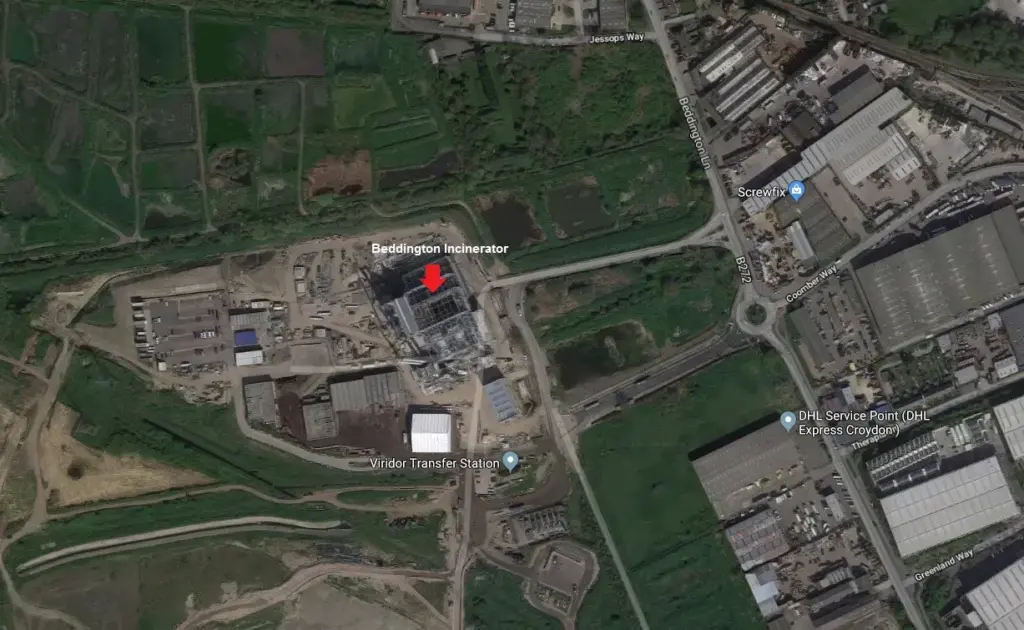
The Beddington Energy Recovery Facility (ERF) plays a crucial role in the waste management strategy of London. Located in south London, this facility currently processes up to 347,000 tonnes of waste annually, turning what could be detrimental waste into energy. Operated by Viridor, the Beddington ERF has been touted as a more sustainable alternative to landfill, aimed at reducing the environmental footprint of waste disposal. Recent discussions have emerged regarding the operator’s proposal to increase its capacity to burn 380,000 tonnes of waste yearly, which has sparked significant concern among local residents and environmental groups.
In light of the proposal, the community has voiced their frustrations strongly, especially given the potential implications for local air quality and overall public health. While Viridor argues that incineration is a safer option compared to landfilling, many residents local to the Beddington ERF, including Peter Pattemore, express that the current operations already compromise their living conditions. The perception that an increase in waste processed could lead to worsening environmental conditions is a sentiment echoed by community members, suggesting a deep-seated concern over reliability and transparency of the facility’s operations.
Community Opposition to Waste Incineration
The opposition to the expansion of the Beddington ERF does not come solely from individual grievances but is mirrored by a unified stance from local councils, particularly Sutton Council. Council members have been actively advocating on behalf of the residents, communicating concerns directly to the Environment Agency. The council’s objections stem from fears of increased air pollution and traffic congestion due to the anticipated rise in waste delivery trucks to the facility, further exacerbating an already stressful commuter experience. The opposition has been reinforced by previous incidents of permit violations by the facility, raising questions about its operational integrity.
Residents like Peter Pattemore share similar concerns that an increase in waste capacity could lead to additional environmental pollution, which contradicts the promises of clean energy generation. Councillor Tim Foster has emphasized the collective distress within the community about the anticipated repercussions for health and quality of life. The challenges posed by the incinerator manifest not only as ongoing traffic disruptions but also as a significant worry for families who have invested in their homes in the area, with many fearing property devaluation due to the perceived decline in living standards.
Environmental Pollution Concerns of the Beddington Incinerator
Environmental pollution remains at the forefront of the debate surrounding the Beddington Incinerator. While Viridor promotes the facility as an environmentally friendly alternative to traditional waste management methods, evidence from the community points to real and potential health issues associated with air quality. Local residents report unpleasant odors and other irritants, making daily life increasingly challenging. The concerns are compounded by reports of previous pollution breaches at the facility, which many believe threaten the long-term viability and safety of the surrounding environment. The EA’s decision to consider increasing the waste limits has caused an uproar, with critics fearing that it signals a disregard for the possible ramifications it could have on local air quality.
Moreover, the community’s fears are substantiated by scientific studies linking incineration with various health hazards, including respiratory issues and other diseases, primarily among vulnerable populations. As Viridor continues to assure residents of their commitment to safety and environmental responsibility, the public remains skeptical, calling for more stringent operational scrutiny. Expert opinions align with residents’ sentiments, emphasizing the need for comprehensive environmental impact assessments before any decision regarding capacity expansion is made. This scenario highlights a critical need for balancing waste management practices with public health and environmental integrity.
Waste Management Strategies in London
Waste management in London has transitioned over the years to address rising challenges associated with urbanization and environmental sustainability. Facilities like the Beddington Energy Recovery Facility represent a shift towards integrated waste management solutions. Instead of relying solely on landfills, there is now a compelling movement towards waste-to-energy technologies, which promise to alleviate waste disposal challenges while generating electricity. However, this transition is not without opposition, as many like Sutton Council question the long-term viability and environmental footprint of such solutions, especially when facilities show signs of operational issues.
In the broader context of waste management strategies, London must grapple with balancing efficient waste disposal with the ecological impacts. As more incineration plants are proposed, the dialogue around their implementation becomes increasingly vital. Furthermore, the engagement of local communities in decision-making processes regarding waste management policies becomes essential in ensuring that residents’ voices are heard and considered in future developments. The trajectory of London’s waste management policies could set a precedent for how urban centers across the globe manage waste sustainably while ensuring public health and safety are prioritized.
Viridor’s Role and Responsibility
Viridor plays a pivotal role in the management of London’s waste through its operations at the Beddington Energy Recovery Facility. As one of the foremost operators in the UK for waste management services, the company is tasked with the responsibility of not only processing waste but also maintaining an environment that safeguards the health and wellbeing of local residents. Despite their claims of operational integrity, there have been incidents of permit breaches that cast doubt on Viridor’s practices and the effectiveness of its oversight mechanisms. Many residents are concerned about the transparency of Viridor’s operations and whether they are genuinely committed to environmental sustainability.
Moreover, Viridor’s defense of energy recovery systems as a solution to landfill waste highlights a crucial debate in waste management. While energy recovery can be a viable solution, it also requires robust risk management strategies to mitigate any unintended consequences. The ongoing dialogue between Viridor, local government, and community members will be essential in shaping future waste management policies. As the community awaits a final decision on the increased operations at the Beddington ERF, there lies an opportunity for Viridor to rebuild trust by enhancing communication and addressing the public’s concerns comprehensively.
Residents’ Discontent and Quality of Life
The ongoing developments surrounding the Beddington Energy Recovery Facility have intensified the residents’ discontent and dissatisfaction with their living conditions. For those living in proximity to the incinerator, daily life is increasingly marked by odors, congestion, and the constant anxiety of what an expansion of the facility could mean for their health and property value. As many residents, including Peter Pattemore, express their frustration, it becomes clear that the social fabric of the community is being tested. This sentiment is echoed by local leaders who have voiced collective concerns about the potential impacts on quality of life if waste processing escalates.
Furthermore, the psychological toll of uncertainty regarding the future of the Beddington facility cannot be understated. Many families find themselves torn between wanting to remain in their homes and fearing for their health and well-being. As discussions around waste management continue, the principles of community engagement and transparent communication with affected residents become paramount. Without these, the risk of heightened tensions, protests, and an overall decline in community trust towards government and corporate entities looms large.
Impact of Increased Traffic on Local Community
One of the most immediate concerns surrounding the proposed increase in waste processing at the Beddington Energy Recovery Facility is the potential for increased traffic in the local area. With a heightened volume of trucks required to transport waste to the facility, local roads may face congestion and safety issues, impacting the daily movements of residents. Local resident Peter Pattemore has voiced his frustrations, stating that the existing level of traffic is already unrelenting, which detracts from the quality of life in their neighborhood. Traffic congestion not only hinders mobility but also raises concerns about safety, especially for children and elderly residents who share the local roads.
The integration of more delivery vehicles inevitably leads to air and noise pollution, compounding the already pressing concerns of environmental impacts due to the incinerator’s operations. Beyond inconveniences, the rise in traffic levels can pose significant challenges to local businesses and community relations, fostering a sense of discord among residents who feel their needs are secondary to the operational expansions of the facility. As discussions continue, local stakeholders will need to factor in these considerations as they weigh the benefits against the potential adverse effects on their community.
Future of Waste Management in London
The future of waste management in London is at a crossroads, where incineration strategies, such as those employed at the Beddington Energy Recovery Facility, face scrutiny from the public and local government. As London strives for sustainability and strives to meet the demands of an increasing population, finding the balance between managing waste effectively while safeguarding the environment and community health is crucial. The challenge lies in developing frameworks that support innovative waste management solutions without compromising the needs and rights of residents who may be adversely affected by such developments.
Looking ahead, it is evident that public participation in waste management decisions will become increasingly necessary. Engaging communities in meaningful discussions about their concerns, preferences, and understanding of waste management technologies can pave the way for collaborative solutions. Furthermore, continuous advancements in recycling and waste reduction initiatives alongside responsible incineration strategies may signal a transformative phase in how urban centers like London can sustainably manage waste in the years to come.
Frequently Asked Questions
What is the Beddington Energy Recovery Facility and its role in waste management in London?
The Beddington Energy Recovery Facility is an incinerator located in south London that processes waste for energy recovery. It currently handles up to 347,000 tonnes of waste per year, providing a cleaner alternative to landfill, according to operator Viridor. This facility plays a vital role in waste management in London by diverting waste from landfills and generating energy through the incineration process.
What are the recent developments regarding the Beddington incinerator and waste processing limits?
Recently, the Environment Agency indicated it is ‘minded’ to approve an increase in the waste processing limit at the Beddington Energy Recovery Facility, from 347,000 tonnes to 380,000 tonnes annually. However, this decision is not final, and residents are voicing their concerns about the potential for increased environmental pollution.
What are the concerns of residents regarding the Beddington Energy Recovery Facility?
Residents, particularly those living near the Beddington Energy Recovery Facility, have expressed significant concerns about the potential increase in waste burned. They fear exacerbated environmental pollution, unpleasant odors, and increased traffic from waste hauliers. Issues related to property value declines due to these concerns have also been highlighted.
How has Sutton Council responded to the proposed increase at the Beddington incinerator?
Sutton Council has expressed strong opposition to the plans for increasing the waste processing capacity at the Beddington incinerator. The council has actively raised objections with the Environment Agency, aligning with residents who do not want to see more traffic and pollution stemming from greater waste incineration.
What measures have been taken to address previous breaches at the Beddington Energy Recovery Facility?
Viridor, the operator of the Beddington Energy Recovery Facility, reported past breaches due to a third-party contractor. They stated that these incidents were minor, posed no significant risk to human health, and that safeguards are now in place to prevent their recurrence. The Environment Agency has assured that any potential permit for increased waste must not cause significant pollution or harm to the environment.
How does the Beddington incinerator compare to landfill in terms of environmental impact?
According to Viridor, the Beddington Energy Recovery Facility is a cleaner alternative to landfill. They argue that energy recovery allows for waste that cannot be recycled to be managed safely, reducing its long-term impact on the environment compared to sending waste to landfills.
What actions are residents taking against the Beddington incinerator’s proposed increase in waste processing?
Residents, led by local councillor Tim Foster, have initiated a petition against the proposed increase in waste processing at the Beddington incinerator. This grassroots effort reflects the community’s united stance against potential increases in traffic and environmental concerns tied to higher waste incineration rates.
| Key Point | Details |
|---|---|
| Residents’ Opposition | Anger towards Environment Agency’s potential approval to increase waste burning. |
| Current Capacity | Beddington Energy Recovery Facility processes 347,000 tonnes of waste annually. |
| Proposed Increase | Viridor has applied to burn up to 380,000 tonnes yearly, arguing it is cleaner than landfill. |
| Community Concerns | Residents report worsening air quality and increased traffic due to waste operations. |
| Environment Agency’s Stance | EA has indicated a willingness to approve change, but no final decision is made. |
| Council Response | Sutton Council opposes the increase, asserting consistent objections to the EA. |
| History of Breaches | Concerns arose due to past breaches at the facility, reported as minor by Viridor. |
| Public Sentiment | Residents are united against increased waste burning and traffic. |
Summary
The Beddington incinerator has become a focal point of local concern as residents fear that an increase in waste burning may worsen environmental issues in their community. Despite the operator’s claim that processing more waste is a cleaner alternative to landfill, community members have voiced strong opposition due to the potential for increased pollution and adverse effects on their quality of life. As discussions continue, the future of the Beddington incinerator remains uncertain.