Listen to this article
The UK EU trade relationship remains a critical focus for the Labour government under Chancellor Rachel Reeves, who has highlighted the importance of this connection as “the biggest prize” for the nation. Since Brexit, the landscape of trade with the EU has undergone significant transformations, prompting Reeves and Sir Keir Starmer’s administration to pursue new trade agreements that could bolster UK economic growth. Despite criticism from opposition parties regarding the potential undermining of Brexit, Reeves emphasizes that rekindling ties with the EU is vital not only for economic prosperity but also for national security and resilience. With the Labour government already securing critical trade agreements with the EU and other major economies, the focus now shifts to navigating the complex Brexit implications while ensuring that Britain’s future is aligned with its largest trading partner. As discussions around trade evolve, the commitment to fostering strong connections with the EU underscores the UK’s ongoing quest for strategic economic relationships in the post-Brexit era.
Exploring the dynamics of the UK’s trading interactions with European nations reveals a larger narrative about post-Brexit economic strategies and policies. The Chancellor, Rachel Reeves, champions the idea of invigorating trade ties with Europe, interpreting such steps as essential for the nation’s growth and robustness in the face of global challenges. The dialogue surrounding Labour government’s trade agreements signals a shift toward collaboration aimed at rebuilding trust and economic synergy. As debates on the future of the UK’s commercial partnerships intensify, implications from Brexit loom large, influencing approaches to trade negotiations and regulatory alignment with the EU. Therefore, the conversation about strengthening ties becomes not just a matter of economic interest, but also of restoring Britain’s position in a rapidly changing world.
Chancellor Rachel Reeves: Advocating for a Closer UK-EU Trade Relationship
Chancellor Rachel Reeves has positioned herself at the forefront of reshaping the UK-EU trade dialogue, emphasizing the importance of stronger ties with Europe as “the biggest prize.” Echoing sentiments that have been prevalent since the aftermath of Brexit, Reeves argues that economic prosperity is heavily influenced by trade relationships, particularly with the EU, which remains the UK’s largest trading partner. This advocacy isn’t merely about commerce; it reflects a broader understanding of the geopolitical landscape where economic alliances can also lead to enhanced security and resilience for the UK.
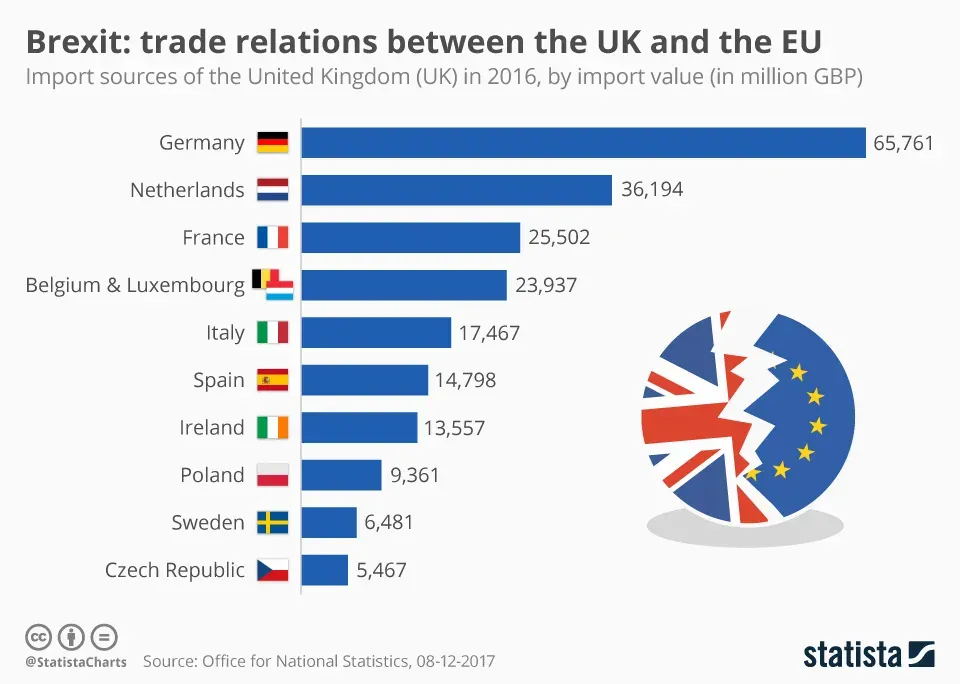
In her recent speeches, particularly at the London School of Economics, Reeves highlighted that over half of the UK’s trade is conducted with EU nations, reinforcing her stance that fostering trade with the EU is essential for ongoing UK economic growth. Such a position attempts to counter criticisms from Conservative and Reform UK parties that accuse Labour of undermining Brexit. Instead, Reeves envisions a future where strategic alignment with EU regulatory standards serves the UK’s national interests while also contributing to a more robust Europe.
Labour Government Trade Agreements Post-Brexit
Since assuming office in 2024, the Labour government has made significant strides in re-establishing trade agreements, securing partnerships with the EU, the US, India, and South Korea. These trade agreements are pivotal not just for the economic fabric of the UK, but also as a counterargument to claims that Labour is seeking to reverse Brexit. By effectively navigating and establishing these relationships, the government aims to bolster domestic economic growth while fostering international cooperation.
The breadth of these trade deals reflects a strategic approach to post-Brexit economic realities, focusing on strengthening ties with key global partners. These agreements are designed to enhance UK competitiveness, facilitate smoother trade flows, and ultimately support local industries. They serve as a practical display of how the Labour government is committed to maximizing trade opportunities outside of the single market, in line with its manifesto promises.
Brexit Implications for UK-EU Relations
The implications of Brexit continue to reverberate through the UK’s economic policies and political discourse. The departure from the EU has had significant consequences for trade dynamics; with the removal of seamless access to the single market, UK businesses have had to adapt to new trading standards and regulations. Labour’s approach, as articulated by Reeves, seeks to navigate these changes with an emphasis on forging closer ties even within the constraints set by Brexit.
Critics, however, argue that Labour’s strategy could dangerously blur the lines established by the Brexit vote. The notion that deeper ties with the EU might cast the UK as a ‘rule-taker’ rather than a ‘rule-maker’ raises substantial concerns among detractors. There is ongoing debate surrounding how the Labour party can reconcile the need for economic collaboration with the strong mandates given by voters during the referendum.
The Future of UK Economic Growth
As Chancellor Rachel Reeves advocates for a strategic realignment with the EU, the conversation surrounding UK economic growth becomes increasingly pertinent. With ongoing discussions about trade agreements and their potential impact, trading with the EU remains a cornerstone of any future economic strategy the Labour government envisions. This focus on economic growth underscores the necessity for robust trade relationships, especially in light of recent global economic disruptions.
The Labour government emphasizes that establishing mutually beneficial agreements can stimulate investment and job creation across key sectors. By aiming for integration rather than isolation, Reeves portrays a vision where the UK can harness economic gravity to its advantage, ultimately aiming for a resilient and thriving economy that can withstand both local and global challenges.
Labour’s Stand on Protectionism and Trade Regulation
In the backdrop of global economic instability exacerbated by protectionist policies from various nations, Chancellor Reeves has taken a strong stance against such tendencies. Her emphasis on avoiding protectionism aligns with Labour’s vision of an open economy that fosters trade rather than hindering it. This ideology not only prioritizes economic growth but also views the UK’s relationship with the EU as a critical element for a secure and resilient future.
As Labour pursues innovative trade regulations that align with EU standards where beneficial, the challenge remains in articulating this position without alienating voters concerned about Brexit’s implications. Reeves’ aim to create a narrative of cooperation over confrontation reflects a strategic move to advocate for an economic landscape that supports both local interests and broader alliances.
Critics of Labour’s Trade Policy Post-Brexit
Despite Labour’s efforts to reset trade relationships, its critics, including members from the Conservative and Reform UK parties, contend that the party’s actions betray the Brexit outcome. Accusations that Labour is attempting to dilute the essence of Brexit suggest a deep-seated division in the UK’s political landscape. The implications of such criticism may pose challenges for Labour as it works to implement its trade agenda while addressing fears of a return to previous arrangements with the EU.
Furthermore, statements from influential figures like Sir Mel Stride reflect concerns regarding their perceived reconciliation with the EU’s markets. The political narrative surrounding this issue is complex and requires Labour to robustly defend its strategy while ensuring that it actively engages with the electorate to garner support for its vision of a productive partnership with Europe.
Liberal Democrats’ Perspective on Customs Union
The Liberal Democrats have taken a distinct approach to the ongoing discourse about UK-EU trade relationships, arguing that a return to the customs union is essential for boosting the British economy. As leader Ed Davey highlights, the proposals for a new customs union suggest potential benefits such as lowering costs for families and increased revenue for public services like the NHS. This perspective adds another layer to the debate about how the UK should navigate its post-Brexit trade environment.
While the Labour government seeks to maintain its course without rejoining the customs union, the Liberal Democrats advocate for a more ambitious strategy aimed at partnership and mutual benefit. Their proposal signifies a divergence in how different political factions view economic recovery and the role of trade in it, setting the stage for an ongoing dialogue about the best path forward for UK economic growth in relation to the EU.
The Role of Strategic Trade Partnerships
The Labour government’s strategic focus on developing trade partnerships since Brexit signifies a deliberate effort to bolster the UK’s economic framework. Reeves’ assertion that engaging with major economies like the US, India, and South Korea complements trade with the EU illustrates a multifaceted approach necessary for navigating the post-Brexit landscape. These trade partnerships not only provide a safety net for UK’s economic growth but also reaffirm the country’s relevance in the global market.
Strategically leveraging these partnerships can enhance the UK’s competitive edge, allowing it to capitalize on emerging markets while ensuring continuity in trade with traditional partners. Reeves’ commitment to fostering international relations illustrates Labour’s understanding of economic interdependence, which is crucial for maintaining and growing the UK economy effectively.
Long-Term Vision for UK-EU Relations
The long-term vision of Labour under Chancellor Rachel Reeves appears to focus on a pragmatic yet ambitious approach to UK-EU relations. By emphasizing the need for collaboration while retaining clear boundaries set by Brexit, Labour seeks to chart a course that acknowledges the importance of the EU while maintaining respect for the referendum outcome. This delicate balance is crucial for establishing sustainable and productive relations that can benefit both parties.
Reeves has expressed a belief in the interconnectedness of the UK’s future and Europe, suggesting that economic cooperation will ultimately lead to a more secure and prosperous environment for all. The Labour government’s policies reflect an understanding that investment in cooperative frameworks will yield long-term benefits, positioning the UK to respond effectively to both internal and external economic challenges.
Frequently Asked Questions
What is Chancellor Rachel Reeves’ stance on the UK EU trade relationship?
Chancellor Rachel Reeves has expressed a strong desire for a closer UK EU trade relationship, referring to it as ‘the biggest prize.’ She believes that enhanced trade with the EU can significantly contribute to UK economic growth and provide greater security for the nation. Reeves argues that aligning with the EU’s regulatory standards, when beneficial, is essential for fostering resilience and defense.
How have the Brexit implications affected UK EU trade relations?
Brexit has fundamentally changed the UK EU trade relationship by ending free movement and pulling the UK out of the single market and customs union. Despite these changes, Chancellor Rachel Reeves and the Labour government are actively pursuing closer ties with the EU to mitigate the negative economic impacts and promote UK economic growth.
What trade agreements has the Labour government secured following Brexit?
Since taking office in 2024, the Labour government has successfully negotiated four trade agreements with key partners, including the EU, the US, India, and South Korea. These agreements aim to strengthen the UK’s position in global trade while also focusing on enhancing the UK EU trade relationship.
What are the Conservative Party’s views on Labour’s approach to the UK EU trade relationship?
The Conservative Party, alongside Reform UK, has accused Labour of attempting to undermine Brexit and called their efforts to improve the UK EU trade relationship a ‘betrayal’ of the referendum outcome. They believe that Labour’s proposals may lead the UK to become a ‘rule-taker’ under EU regulations.
Why is aligning with the EU beneficial for the UK’s economic future?
Chancellor Rachel Reeves argues that aligning with the EU will bolster the UK’s economic future by leveraging the fact that nearly half of the UK’s trade is with the EU. This integration is seen as crucial not only for economic growth but also for security and resilience in a changing global landscape.
What alternative viewpoints exist regarding the future of UK EU trade relations?
While some, like Chancellor Rachel Reeves, advocate for closer ties with the EU, others, including Conservative representatives, insist that the UK must honor its Brexit commitments and resist any moves toward rejoining the single market or customs union. Conversely, Liberal Democrats advocate for a new customs union to help boost the UK economy amidst rising living costs.
Could UK EU trade agreements impact consumer prices?
Yes, trade agreements with the EU could potentially impact consumer prices. The Liberal Democrats have suggested that a new customs union could lower costs for families and pensioners while generating additional funds for public services, highlighting the economic implications of the UK EU trade relationship.
What key arguments are being made for a ‘reset’ in UK EU trade relations?
Proponents of a reset in UK EU trade relations, including Labour leaders, argue that enhancing cooperation could reverse some of the economic downturns experienced post-Brexit. They emphasize the importance of economic gravity, indicating that proximity to the EU market could stimulate UK economic growth and secure mutual benefits.
| Key Points | Details | |
|---|---|---|
| Chancellor’s Advocacy | Rachel Reeves supports a closer trade relationship with the EU, calling it the ‘biggest prize’. | |
| Labour’s Position | The Labour government aims to reset relations with the EU but will not rejoin the single market or customs union. | |
| Trade Agreements | Since 2024, Labour has secured trade agreements with the EU, US, India, and South Korea. | |
| Economic Integration | Reeves argues that closer integration with the EU can enhance economic growth and security. | |
| Criticism of Labour | Conservatives and Reform UK accuse Labour of betraying Brexit outcomes. | |
| Liberal Democrats’ View | They believe Labour should push for rejoining the customs union for economic benefits. | |
| Global Economic Context | Reeves’ stance is influenced by global economic instability and protectionism. | |
| Opposition Claims | Critics say Labour is trying to roll back on Brexit decisions. | |
Summary
The UK EU trade relationship is a crucial aspect of the nation’s economic future. Chancellor Rachel Reeves underscores this by advocating for a closer trade relationship with the EU, emphasizing its potential to drive economic growth and bolster security. Despite political challenges and criticisms, the Labour government is pursuing beneficial trade agreements and aiming to reset relations with major partners. A balanced approach may pave the way for enhanced collaboration while respecting Brexit outcomes.