
Listen to this article
Technology in modern business development is not just a trend; it is the backbone of how contemporary organizations function and grow. With the rapid evolution of business technology, companies are experiencing a fundamental shift in operations and engagement strategies. The impact of technology on business has become evident as digital transformation reshapes everyday practices, enhancing efficiency and productivity. In this digital age, business development tools equipped with cutting-edge technologies allow companies to optimize their processes and reach customers more effectively. Thus, embracing innovative technologies is essential for businesses to thrive in a competitive landscape and respond dynamically to market demands.
In the realm of contemporary enterprise growth, advancements in technology have utterly revolutionized standard business practices. The influence of digital innovation is profound, enabling businesses to streamline operations and improve client engagement significantly. Utilizing modern tools designed for business development, firms are now equipped to navigate and adapt to new challenges swiftly. As companies invest in advanced solutions and automation processes, they unlock unprecedented opportunities for growth and optimization. Conclusively, the digital transformation era mandates that businesses leverage these technological advancements to secure a viable future.
Introduction to the Intersection of Technology and Business Development
Technology has become a cornerstone of business development in contemporary society. It serves as the backbone for efficiencies, facilitating new modern business practices that define today’s marketplace. Businesses, regardless of size, are now utilizing a range of innovative tools that allow them to improve operations, connect with customers, and enhance overall service delivery. Villages of data, automation processes, and advanced analytics are at the forefront of this technological transformation, reshaping the landscape of what consumers expect from their favorite brands.
As we navigate this new digital age, it’s evident that the impact of technology on business cannot be overstated. From start-ups launching online platforms to multinational corporations that heavily invest in artificial intelligence and machine learning, each entity reflects an evolution in how commerce is conducted. The continuous integration of technology not only streamlines processes but also drives inventive thinking, making it a critical factor for sustainable growth and competitiveness.
Streamlining Operations with Business Technology
One essential benefit of technology in modern business development is its ability to streamline operations effectively. Organizations are increasingly turning to business development tools such as automation and software integration to simplify routine tasks. These technologies help minimize manual efforts while maximizing productivity; for instance, using robotic process automation (RPA) to handle repetitive functions allows professionals to focus on strategic initiatives. This operational efficiency translates directly into significant cost savings and increased profitability.
Additionally, the deployment of Enterprise Resource Planning (ERP) systems allows businesses to centralize their operations, providing a comprehensive view of all processes. This integration fosters better collaboration among teams, ensuring that every department is aligned with overall business objectives. In a world where responsiveness and agility are paramount, leveraging technology in this way is indispensable for any organization keen on moving forward.
Enhancing Communication in the Digital Workplace
In the realm of modern business practices, effective communication is crucial for fostering teamwork and engagement. Tools such as video conferencing software and instant messaging platforms are revolutionizing how teams collaborate—creating an interconnected work environment irrespective of geographical barriers. Companies have begun to embrace these technologies wholeheartedly, recognizing that providing their employees with efficient communication methods leads to enhanced creativity and problem-solving skills.
Additionally, social media has emerged as a vital platform for organizations to interact with consumers. It enables businesses to gather real-time feedback, conduct market research, and manage customer relationships more effectively. By integrating these channels into their communication strategies, companies are not only building stronger brands but also creating a loyal customer base that appreciates transparency and rapid interaction.
Leveraging Data Analytics for Decision Making
Data analytics has transformed the decision-making landscape for businesses. With expansive data resources available, organizations are now equipped to analyze consumer behavior patterns and respond swiftly to market demands. Utilizing business technology such as sophisticated analytical tools helps companies make informed decisions based on trends and forecasts. For instance, marketing strategies can be refined through the insights generated from customer interactions, driving targeted campaigns that resonate with specific audiences.
Moreover, the integration of data analytics into business operations continues to improve overall performance efficiency. Companies can optimize resource allocation, reduce waste, and increase ROI by basing decisions on quantitative insights rather than intuition alone. As data becomes increasingly central to business strategies, the ability to harness its full potential will determine the leaders of tomorrow’s market.
The Shift Towards E-Commerce and Online Presence
The rise of technology has significantly shifted businesses towards e-commerce, allowing them to reach broader audiences than ever before. Online platforms dissolve geographical limitations, enabling companies to operate on a global scale. In today’s marketplace, having a robust online presence is essential; it not only improves brand visibility but also enhances customer engagement through immediate interactions and feedback.
Additionally, the evolution of payment systems, including digital wallets and cryptocurrencies, coordinates seamlessly with this shift, catering to consumers’ diverse preferences. This digital transformation is reshaping retail experiences and influencing how businesses strategize their sales approaches. As companies adopt e-commerce solutions, they are positioned to respond to trends swiftly, ensuring that they remain relevant and competitive.
Artificial Intelligence: Revolutionizing Modern Business Practices
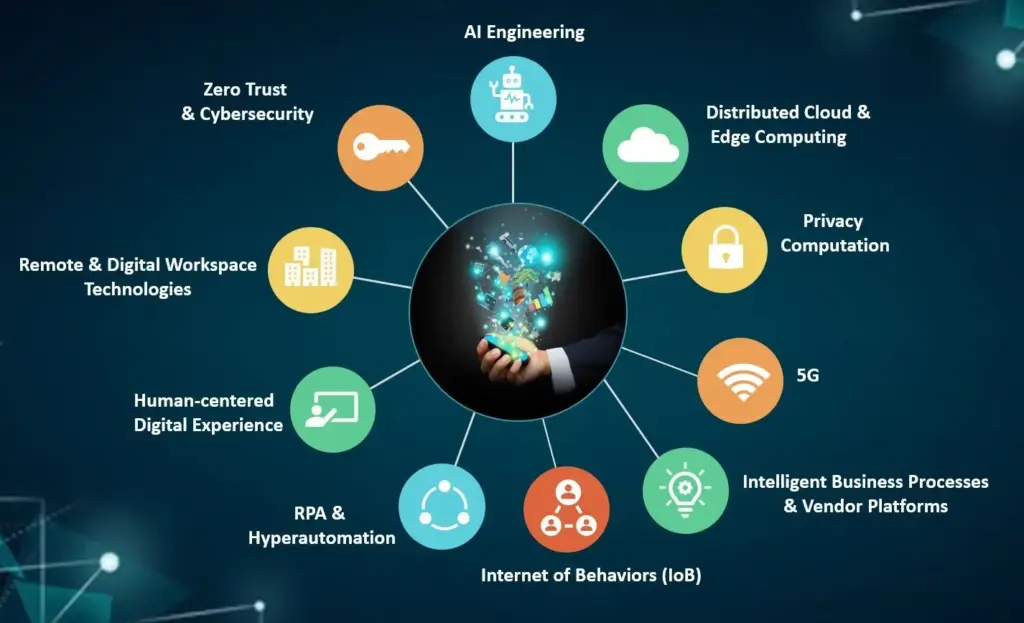
Artificial Intelligence (AI) is profoundly influencing modern business practices through heightened automation and optimization. Companies are now implementing AI technologies like machine learning and natural language processing to enhance various services, from customer support to inventory management. For example, AI-driven chatbots significantly improve response time and customer satisfaction while freeing human resources to engage in more complex tasks.
The incorporation of AI into business operations isn’t merely a trend; it’s a transformative movement that is reshaping industries. With AI’s capabilities, organizations can analyze data swiftly, predict market changes, and tailor customer experiences with unprecedented precision. By embracing these advancements, businesses are not only enhancing their service offerings but also solidifying their competitive edge in an increasingly tech-oriented world.
Addressing Cybersecurity Challenges in Business Development
As businesses continue to navigate the complexities of technology, cybersecurity is becoming an essential aspect of their operational strategies. The increase in data breaches and cyberattacks emphasizes the need for organizations to adopt robust security measures. Businesses must prioritize investments in advanced cybersecurity technologies to protect sensitive information and maintain consumer trust. This not only includes deploying firewalls and encryption technology but also regular audits to identify potential vulnerabilities.
Moreover, as more companies transition to digital operations, there’s an increased responsibility to educate employees about cybersecurity best practices. This cultural shift towards security awareness can drastically minimize the risk of human error, often the weakest link in the security chain. By fostering a strong security posture, businesses can confidently embrace technological advancements while safeguarding their assets and reputation.
Frequently Asked Questions
How does technology impact modern business development?
Technology significantly impacts modern business development by enhancing efficiency, improving communication, and optimizing operational processes. Tools like automation and data analytics streamline workflows and inform decision-making, enabling businesses to adapt faster to market demands.
What are the business technology tools essential for growth?
Essential business technology tools for growth include Customer Relationship Management (CRM) systems for managing customer interactions, Enterprise Resource Planning (ERP) software for integrating business processes, and digital marketing tools to enhance online presence and reach.
In what ways does digital transformation shape modern business practices?
Digital transformation reshapes modern business practices by adopting advanced technologies such as cloud computing, artificial intelligence, and big data analytics, allowing businesses to optimize operations, enhance customer experiences, and innovate continuously.
What role do business development tools play in leveraging technology?
Business development tools play a critical role by facilitating data analysis, automating repetitive tasks, and improving project management. These tools help businesses identify opportunities, streamline processes, and ultimately drive growth through informed strategies.
How does the impact of technology on business influence customer engagement?
The impact of technology on business enhances customer engagement by enabling real-time communication through social media and messaging platforms, personalizing marketing strategies using data analytics, and providing improved service experiences via AI and automation.
What are the cybersecurity challenges related to technology in modern business?
Cybersecurity challenges related to technology in modern business include the increasing threat of data breaches, the need for robust security measures, and the requirement for ongoing risk management. Businesses must implement firewalls, encryption, and proactive security practices to protect sensitive data.
Why is sustainability through technology important in business development today?
Sustainability through technology is important in business development as companies increasingly adopt green technologies to reduce environmental impact. Embracing sustainable practices not only helps comply with regulations but also attracts environmentally-conscious consumers, enhancing brand loyalty.
| Key Point | Description |
|---|---|
| Introduction to Technology in Business | Technology improves tasks and solves problems, driving growth across various sectors. |
| Streamlining Operations | Automation tools, ERP, and CRM systems enhance efficiency and collaboration. |
| Enhancing Communication | Video conferencing and messaging platforms facilitate remote collaboration and customer engagement. |
| Data Analytics and Decision Making | Analytical tools enable data-driven decisions, improving forecasting and ROI. |
| E-commerce and Online Presence | Digital platforms expand market reach and enhance brand visibility. |
| The Impact of Artificial Intelligence | AI automates tasks and improves customer service and data analysis. |
| Cybersecurity Challenges | Investing in cybersecurity measures is essential to protect sensitive information. |
| Sustainability and Green Technology | Adopting green technologies helps minimize environmental impact and attract consumers. |
| The Future of Technology in Business | Emerging technologies present opportunities for innovation and competitive advantage. |
Summary
Technology in modern business development has become a cornerstone for success in today’s competitive landscape. Just think about it: organizations are now equipped with powerful tools that streamline operations and enhance communication. This allows them not only to improve internal efficiency but also to foster better relationships with customers. For instance, through data analytics, companies can make informed decisions that lead to significant growth and profitability. As we navigate the future, embracing innovations such as AI and cybersecurity measures will become increasingly vital for survival. Thus, the dialogue around technology and its role in modern business development will only continue to expand, as it fundamentally shapes how companies operate and thrive.

