Listen to this article
Atrial fibrillation treatment is evolving rapidly, bringing hope to millions who suffer from this common yet debilitating heart condition. With innovative methodologies like Volt Pulsed Field Ablation (VPA), medical professionals are finding new ways to restore a normal heart rhythm and improve quality of life. This first-of-its-kind therapy offers a fresh approach to managing atrial fibrillation symptoms, which can manifest as fatigue, dizziness, and an irregular heart rate that often complicates daily activities. As healthcare facilities embrace interactive heart treatment solutions, patients can expect quicker recovery times and a significant reduction in hospital stays. The advancements in new heart rhythm therapy not only aim to stop irregular heartbeats but also promise to reduce patients’ risks for stroke and heart failure, making them feel more secure in their health journey.
In the realm of cardiac care, techniques for managing atrial fibrillation have begun to incorporate cutting-edge technologies that redefine treatment possibilities. Known by various names such as arrhythmia treatment or heart rhythm correction, these novel strategies, including the Volt Pulsed Field Ablation method, are at the forefront of medical innovation. Patients grappling with the challenges of erratic heart rates can now expect improved outcomes thanks to these advanced therapies designed to halt irregular heart rhythms. Exploring alternatives to traditional approaches, contemporary heart rhythm interventions are making significant strides in alleviating symptoms like palpitations and fatigue. The landscape of cardiovascular treatment is shifting dramatically, allowing individuals to reclaim their vitality and well-being.
Understanding Atrial Fibrillation Symptoms
Atrial fibrillation (AF) manifests in various symptoms that can severely impact an individual’s quality of life. Patients often experience palpitations that come and go, a feeling of their heart racing or fluttering, dizziness, and shortness of breath. These symptoms can occur unexpectedly, leaving many undiagnosed or unaware of the underlying heart condition. Furthermore, the irregular heart rate associated with AF can lead to fatigue that can make everyday activities challenging, as patients like Michael Robinson have expressed.
Beyond these immediate symptoms, atrial fibrillation can lead to more serious complications if left untreated. The risk of stroke and heart failure significantly increases for those living with this condition, underscoring the importance of timely diagnosis and treatment. Continuous education and awareness about atrial fibrillation symptoms are crucial for avoiding such severe health outcomes, as many individuals might not recognize the signs until it is far too late.
Innovations in Atrial Fibrillation Treatment
The recent introduction of the Volt Pulsed Field Ablation (VPA) system marks a significant advancement in atrial fibrillation treatment options. This innovative approach utilizes high-energy electrical pulses to target and eliminate abnormal heart tissue while minimizing damage to surrounding areas. Patients can now benefit from a quicker, more efficient procedure that allows for faster recoveries. This technique is particularly advantageous in a healthcare environment where patient flow is critical, as it enables hospitals to treat more patients daily without the need for an anesthetist.
In addition to VPA, the integration of new heart rhythm therapies continues to expand treatment options for patients with AF. These therapies focus on addressing the root causes of arrhythmias and not solely their symptoms, representing a shift towards more comprehensive care. The combination of innovative technologies like Volt PFA and a patient-centric approach offers hope for improved outcomes, allowing individuals living with atrial fibrillation to regain control over their heart health and enhance their quality of life.
The Role of Interactive Heart Treatment
The rise of interactive heart treatment solutions plays a pivotal role in managing atrial fibrillation and other heart conditions. By leveraging technology that allows monitoring and real-time feedback, patients and healthcare providers can make informed decisions about treatment. For instance, heart rhythm apps can help individuals track their symptoms and heart rates, facilitating timely consultations with physicians when irregularities arise.
Moreover, these interactive systems can enable tailored treatments by collecting valuable data that reflect a patient’s condition over time. By utilizing such applications alongside advanced therapies like Volt PFA, physicians can better understand the unique patterns of atrial fibrillation for each patient, leading to more personalized and effective management strategies.
Future Directions in Heart Rate Solutions
As technology continues to evolve, the future of heart rate solutions looks promising for those suffering from atrial fibrillation. With ongoing research into the development of more sophisticated devices and therapies, patients can expect more targeted treatments that not only address symptoms but also the underlying causes of irregular heart rates. Innovations like machine learning algorithms are being explored to predict episodes of AF and suggest preemptive measures, further improving patient care.
Healthcare providers are increasingly investing in these new solutions to improve patient outcomes and reduce the burden on healthcare systems. By focusing on preventing deterioration through proactive treatment and care strategies, the medical community is determined to change the narrative around atrial fibrillation, providing a brighter outlook for millions affected by this condition.
Experiences from Patients with Atrial Fibrillation
Personal stories from patients living with atrial fibrillation, like that of Michael Robinson, highlight the day-to-day challenges faced by those with this condition. Many recount feeling tired, limited in activities they once enjoyed, and anxious about future episodes. As they navigate treatment options, the emotional and psychological impacts of AF cannot be overlooked, emphasizing the importance of comprehensive support systems alongside medical interventions.
Additionally, shared experiences often pave the way for greater awareness in communities about the symptoms and treatments for AF. When patients openly discuss the positive impacts of innovative treatments, it encourages others who may be experiencing similar issues to seek help, thereby increasing early diagnoses and effective treatments, improving overall community health outcomes.
How VPA Enhances Atrial Fibrillation Management
The Volt Pulsed Field Ablation system is revolutionizing atrial fibrillation management by providing an effective alternative to traditional methods. Unlike earlier treatments such as cryotherapy, VPA offers a more efficient solution that significantly reduces patient discomfort and enhances recovery time. By targeting and isolating abnormal cardiac cells, it minimizes collateral damage to surrounding tissues, thus lowering the risk of complications.
Moreover, with the hospital’s ability to treat more patients daily, the introduction of VPA is crucial in addressing long-standing waiting lists for AF procedures. This advancement not only improves hospital efficiency but also ensures that patients have access to timely and effective treatment options, allowing them to reclaim their lives from the debilitating symptoms of atrial fibrillation.
Patient-Centered Care Approaches
In managing atrial fibrillation, a patient-centered care approach is essential for ensuring that treatment meets the specific needs of individuals. Empowering patients with knowledge about their condition and involving them in decision-making regarding their treatment options can lead to better adherence and satisfaction with care. This collaboration helps foster a supportive environment where patients feel understood and valued, which is essential when dealing with chronic conditions like AF.
Additionally, healthcare providers must emphasize routines that help monitor heart health outside of clinical settings. This could include lifestyle modifications, stress management techniques, and encouraging the use of heart monitoring technologies that keep patients engaged in their health journey. A holistic view of the patient’s well-being can ultimately help to mitigate symptoms and reduce anxiety related to managing atrial fibrillation.
Combating the Stigma Around Atrial Fibrillation
Despite being a common condition, atrial fibrillation is often accompanied by a stigma that can deter individuals from seeking help. There is a misconception that AF is ‘just’ an inconvenience rather than a serious condition that can lead to fatal outcomes like stroke. By raising awareness and providing education about AF and its potential dangers, healthcare professionals can help destigmatize the condition and promote proactive management strategies.
Utilizing various platforms to spread the word about atrial fibrillation symptoms, treatment options, and support systems can play a pivotal role in changing societal perceptions. Patients sharing their journeys can demystify the experience and encourage those suffering in silence to be vocal about their health concerns. This cultural shift can lead to increased discussions surrounding AF and a greater understanding of its impact on individuals and communities.
The Impact of Atrial Fibrillation on Daily Life
The presence of atrial fibrillation can significantly alter a person’s daily life, affecting everything from work to social engagements. Many individuals, like Michael, find themselves forced to cancel plans due to sudden episodes of palpitations or fatigue. This unpredictability can lead to a feeling of isolation, as they may also need to avoid physical activities that were once enjoyable, further diminishing their quality of life.
Addressing the emotional and psychological burden of living with AF is as crucial as tackling the physical aspects of the condition. Support groups and counseling can provide an outlet for patients to share experiences and strategies for coping. By fostering a community of understanding and support, individuals can better navigate the complexities of living with atrial fibrillation, ultimately enabling them to reclaim their lives.
Frequently Asked Questions
What are the most effective atrial fibrillation treatments available?
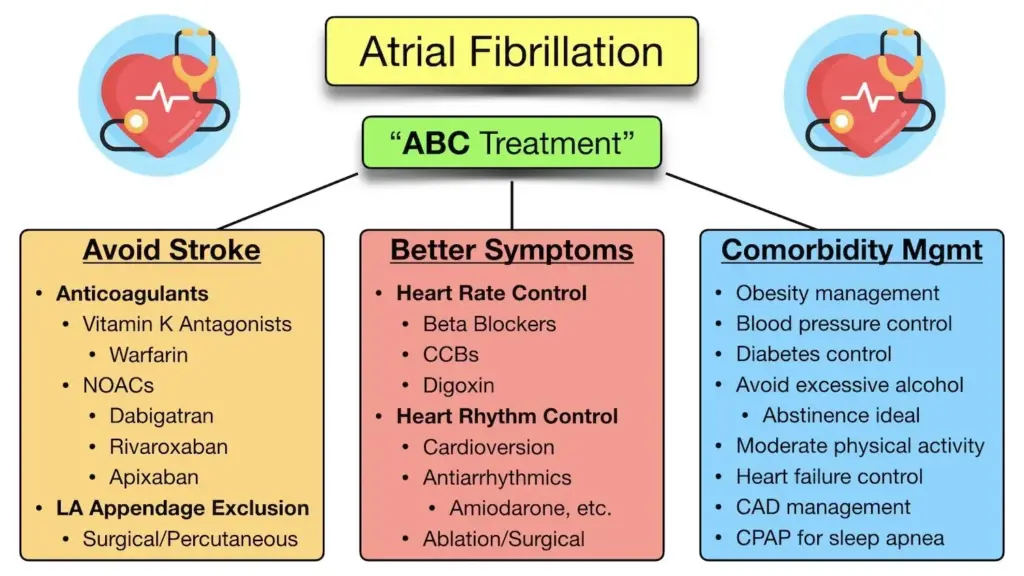
Effective atrial fibrillation treatments include lifestyle changes, medications to control heart rate and rhythm, and advanced therapies like Volt Pulsed Field Ablation. This innovative approach is designed to eliminate abnormal electrical pathways in the heart, providing a solution for patients when medications fail.
How does Volt Pulsed Field Ablation work for treating atrial fibrillation?
Volt Pulsed Field Ablation (VPA) treats atrial fibrillation by delivering high-energy electrical pulses that target and ablate specific areas of abnormal cardiac tissue. This method minimizes damage to surrounding structures, assisting in restoring a normal heart rhythm safely and effectively.
What are the symptoms of atrial fibrillation that indicate a need for treatment?
Symptoms of atrial fibrillation may include a fast and irregular heartbeat, palpitations, shortness of breath, dizziness, and fatigue. If you experience these symptoms frequently, seeking treatment options like interactive heart treatments is essential for managing the condition effectively.
Are there new heart rhythm therapies available for atrial fibrillation?
Yes, new heart rhythm therapies such as Volt Pulsed Field Ablation are emerging as effective options. This treatment offers quicker recovery times and the ability to treat more patients in a day, enhancing the management of atrial fibrillation alongside conventional therapies.
How does interactive heart treatment improve atrial fibrillation management?
Interactive heart treatment, such as Volt Pulsed Field Ablation, enhances atrial fibrillation management by providing a minimally invasive option that reduces recovery time and hospital stay. It helps patients regain control over their heart health while increasing the efficiency of hospital services.
What lifestyle changes can assist with atrial fibrillation treatment?
Lifestyle changes that can aid atrial fibrillation treatment include regular exercise, a heart-healthy diet, weight management, avoiding excessive alcohol and caffeine, and managing stress. These adjustments can significantly influence heart rhythm and overall cardiovascular health.
What makes Volt Pulsed Field Ablation a first-of-its-kind atrial fibrillation treatment?
Volt Pulsed Field Ablation is a first-of-its-kind atrial fibrillation treatment due to its unique mechanism that uses electrical pulses instead of thermal energy, reducing risks and improving efficiency. This advancement represents a significant leap forward in cardiac care.
How can patients prepare for atrial fibrillation treatments like Volt Pulsed Field Ablation?
Patients preparing for atrial fibrillation treatments such as Volt Pulsed Field Ablation should consult their healthcare provider about pre-procedure guidelines, including medication management and any necessary lifestyle adjustments to optimize treatment outcomes.
What are the recovery expectations after atrial fibrillation treatments?
Recovery expectations after atrial fibrillation treatments like Volt Pulsed Field Ablation often include same-day discharge and minimal discomfort. Most patients can return to regular activities shortly after, making it a favorable option compared to traditional procedures.
Can atrial fibrillation lead to more serious health issues if not treated?
Yes, untreated atrial fibrillation can increase the risk of serious health issues like stroke and heart failure. Seeking effective treatments promptly, such as Volt Pulsed Field Ablation, can significantly reduce these risks and improve quality of life.
| Key Features | Details |
|---|---|
| Atrial Fibrillation (AF) | A common heart condition affecting 1.4 million people in the UK, characterized by an irregular and often fast heart rate. |
| Symptoms | Fast, irregular heartbeat, dizziness, fatigue, shortness of breath, chest discomfort. |
| Volt Pulsed Field Ablation (VPA) | A cutting-edge treatment being trialed at Belfast’s Royal Victoria Hospital that stops irregular heart rhythms. |
| Benefits of VPA | Allows treatment for more patients (up to 3 a day), quicker recovery, and same-day discharge. |
| Dr. Nick Cromie’s Role | Performed VPA treatments at RVH, improving patient flow and addressing waiting lists. |
| Patient Experience | Michael Robinson’s story highlights the debilitating effects of AF and hope with new treatments. |
Summary
Atrial Fibrillation treatment has made significant advancements with the introduction of the Volt Pulsed Field Ablation System (VPA). This innovative procedure offers patients suffering from AF a new lease on life by effectively managing their symptoms and improving overall heart health. As trials commence in leading hospitals such as the Royal Victoria Hospital, the potential for quick recovery and reduced hospital stays presents a promising future for those affected by this heart condition. With ongoing support from dedicated healthcare professionals, patients like Michael Robinson can regain their quality of life through effective Atrial Fibrillation treatment.