
Listen to this article
Cyclone Gezani has wreaked havoc across Madagascar, particularly impacting the city of Toamasina, where the storm made its devastating landfall. As reported in the latest Madagascar cyclone news, the powerful cyclone has tragically claimed at least 31 lives, with many more injuries reported. The cyclone generated winds reaching up to 250 km/h (155 mph), leading to a catastrophic situation for residents as houses crumbled and neighborhoods were plunged into darkness. In the aftermath, authorities have described the scene as “total chaos,” highlighting the need for immediate assistance and relief efforts. As we look for updates regarding Cyclone Gezani, it is crucial to understand its profound impact on Madagascar’s weather patterns and the ongoing recovery efforts following this natural disaster.
The aftermath of Cyclone Gezani has left the island nation of Madagascar grappling with significant destruction and humanitarian needs. Often referred to as a powerful tropical storm, Gezani has not only affected infrastructural integrity but also impacted the mental and emotional well-being of the local communities. Reports indicate extensive damage, especially in Toamasina, where buildings have collapsed and essential services have been disrupted. As officials work diligently to assess the cyclone’s devastation and manage disaster relief efforts, the focus remains on rebuilding and providing for displaced individuals. The frequency of such weather events raises urgent questions about climate change and its ramifications for the region, particularly concerning future cyclone seasons in Madagascar.
Impact of Cyclone Gezani on Toamasina
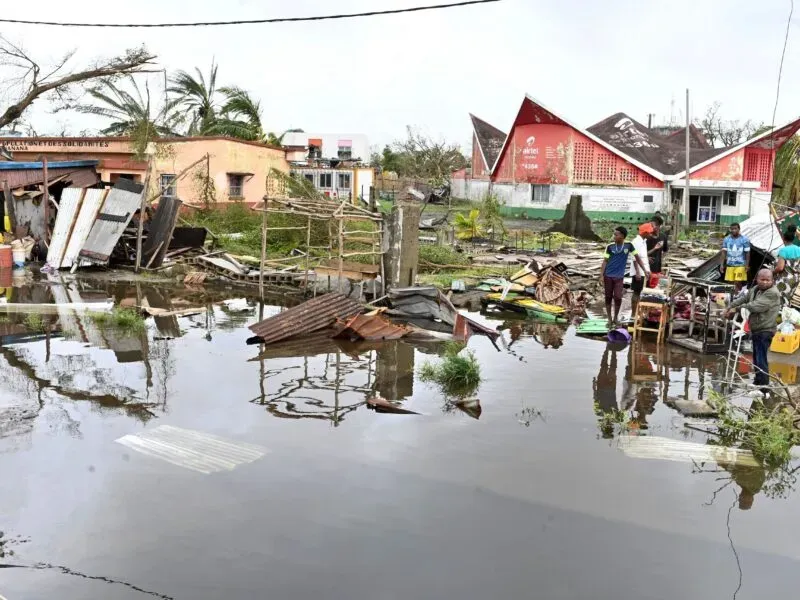
Cyclone Gezani’s ferocious winds wreaked havoc across Toamasina, Madagascar’s bustling port city. With winds gusting up to 250 km/h (155 mph), the cyclone obliterated the infrastructure within the region. Eyewitness accounts describe an unparalleled scene of devastation, with nearly 75% of the city reporting significant damage. Streets were littered with uprooted trees, debris from shattered homes, and damaged vehicles, painting a grim picture of the aftermath as the city struggles to cope with the monumental loss.
Local authorities and disaster management teams have faced immense challenges in their efforts to respond to the cyclone’s impact. With the National Office for Risk and Disaster Management indicating that many lives were lost due to collapsing structures, the demand for urgent assistance has surged. Evacuations were promptly executed, prioritizing the safety of residents who found themselves trapped amidst the ruins. As reports of the damages pile up, the necessity for international aid and support has become a pressing issue, underscoring the dire state of recovery from Cyclone Gezani.
Frequently Asked Questions
What are the latest updates on Cyclone Gezani in Madagascar?
Cyclone Gezani made landfall in Madagascar, particularly affecting Toamasina, causing significant destruction. Reports indicate at least 31 fatalities with widespread damage, such as collapsed houses and disrupted power lines. The cyclone has now weakened to a moderate tropical storm and is moving inland towards central highlands.
How has Cyclone Gezani impacted Toamasina’s disaster recovery efforts?
The impact of Cyclone Gezani on Toamasina has been catastrophic, with approximately 90% of roofs damaged. The chaos led to mass evacuations and the need for emergency shelters to accommodate displaced residents. Recovery efforts are ongoing, but the scale of destruction has posed significant challenges.
What does the disaster management office report about Cyclone Gezani’s effects?
The disaster management office in Madagascar reported total chaos due to Cyclone Gezani. The city of Toamasina experienced extensive infrastructural damage, with many houses collapsed and neighborhoods without power. The situation has overwhelmed local resources, leading to a call for international assistance.
How does Cyclone Gezani compare to previous cyclones in Madagascar?
Cyclone Gezani is noted as one of the most intense cyclones to hit Toamasina in recent times, with winds reaching 250 km/h. It follows another cyclone, Fytia, indicating a severe cyclone season in Madagascar. The frequency and intensity of these storms highlight the growing concern for disaster preparedness in the region.
What is being done to assist those affected by Cyclone Gezani in Madagascar?
Assistance efforts are underway, focusing on evacuating injured residents and providing emergency shelters in Toamasina. Humanitarian organizations like Action Against Hunger are mobilizing to support those impacted by Cyclone Gezani, with a focus on immediate needs such as food, shelter, and medical aid.
When is the cyclone season in Madagascar, and how often do storms occur?
The cyclone season in Madagascar typically runs from November to April, with around a dozen storms expected each year. Cyclone Gezani is part of this seasonal pattern, which poses ongoing risks to coastal communities in the Indian Ocean.
What precautions were taken before Cyclone Gezani’s arrival in Madagascar?
In preparation for Cyclone Gezani, schools were closed and residents were urged to seek emergency shelters. Authorities anticipated the cyclone’s impact and executed evacuations to protect vulnerable populations in affected areas, particularly in Toamasina.
| Key Point | Details |
|---|---|
| Death Toll | At least 31 people have died following the cyclone. |
| Impact Location | Cyclone Gezani struck mainly in Toamasina, Madagascar’s main port. |
| Wind Speeds | Wind speeds reached up to 250 km/h (155 mph). |
| Destruction Level | Approximately 75% of Toamasina was destroyed. |
| Previous Cyclone | Cyclone Gezani is the second major cyclone to hit Madagascar in a short time. |
| Current Status | The cyclone has weakened to a moderate tropical storm and is moving inland. |
| Emergency Measures | Evacuations have taken place and emergency shelters prepared. |
| Future Forecast | The cyclone is expected to exit into the Mozambique Channel by Wednesday night. |
Summary
Cyclone Gezani has caused catastrophic damage in Madagascar, resulting in significant loss of life and destruction, particularly in Toamasina. With powerful winds and widespread chaos, the effects of Cyclone Gezani are a stark reminder of the vulnerability of coastal cities during cyclone season. As recovery efforts begin, it is crucial for the community and authorities to come together to support those affected.

