
Listen to this article
Controlling and coercive behavior is a devastating form of domestic abuse that can leave deep psychological scars on those who endure it. Often shrouded in silence, this type of psychological manipulation seeks to dominate a partner’s life through intimidation, financial control, and emotional abuse. Victims may find themselves feeling trapped in abusive relationships, fearing escalation and potential violence. Strangulation cases, like that of Sean Brady, highlight the extreme lengths abusers will go to enforce their power, making it increasingly important for victim support services to be accessible and understanding. If you or someone you know is experiencing such behavior, it’s vital to seek help and ensure that the cycle of abuse is broken before it leads to further harm.
Domestic violence can manifest in many forms, particularly through tactics of manipulation and control that strip individuals of their autonomy. This type of abusive conduct, often referred to as psychological manipulation, involves the systematic undermining of a partner’s confidence and independence. Striking fear into the hearts of victims, these predatory behaviors foster an oppressive environment where escape seems impossible. In cases of strangulation, the physical risk is evident, but the accompanying emotional and mental turmoil complicates recovery for the victim. Recognizing these patterns early and accessing victim support can be the crucial first step towards regaining one’s freedom from such traumatic circumstances.
Understanding Controlling and Coercive Behavior in Relationships
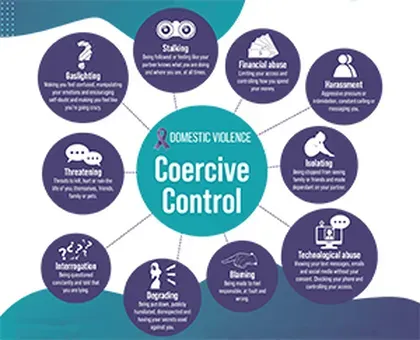
Controlling and coercive behavior represents a disturbing aspect of many abusive relationships, where one partner seeks to dominate the other through psychological manipulation and intimidation. This behavior often manifests through tactics such as isolation, constant monitoring, and emotional abuse, all aimed at undermining the victim’s sense of agency. In many cases, the victim may feel trapped and powerless due to a gradual erosion of their self-esteem. Understanding these behaviors is crucial for victims and their support networks, as recognizing these patterns can be the first step toward seeking help.
Those experiencing controlling and coercive behavior may initially dismiss their partner’s actions as mere expressions of love or concern. However, over time, these actions can lead to severe emotional and psychological distress. Victims often report a feeling of being constantly surveilled or judged, which can significantly hinder their ability to act independently. It’s imperative for victims to acknowledge these tactics for what they truly are—abusive behaviors that have no place in healthy relationships—as this recognition is vital for initiating their journey towards recovery and access to victim support services.
The infliction of fear and intimidation is central to controlling and coercive behavior. Actions such as making threats, humiliating the victim in public, or punishing them for perceived transgressions can create an environment where victims feel they must conform to their abuser’s will to avoid further harm. This psychological manipulation can be as damaging as physical violence, leading many victims to suffer from lasting emotional scars. Education on these topics is essential to empower both victims and their communities to recognize and combat such abuse.
Ultimately, addressing controlling and coercive behavior involves a multi-faceted approach that includes increasing societal awareness and implementing effective victim support systems. This includes ensuring law enforcement is well-trained in recognizing the signs of psychological manipulation and providing appropriate resources to victims. Communities also play a vital role in breaking the silence that often surrounds abusive relationships, encouraging victims to speak out and seek the help they deserve.
The Impact of Strangulation Cases in Domestic Abuse
Strangulation cases in domestic abuse situations present a significant danger and often highlight the severe escalation of controlling behaviors within abusive relationships. The act of strangulation not only poses an immediate life-threatening risk to the victim but also serves as a physical manifestation of the abuser’s power and control. Victims may experience a range of physical injuries as a result, including difficulty breathing, unconsciousness, and long-term psychological trauma. Statistics show that strangulation is one of the most lethal forms of domestic violence, severely raising the risk of homicide if not addressed timely.
Moreover, strangulation is commonly underreported due to the nature of domestic abuse, which often includes fear, shame, and manipulation by the abuser. Many victims may hesitate to report such incidents, fearing retaliation or not being believed. This emphasizes the importance of community awareness regarding the signs of strangulation and its possible impact on the victim’s overall safety and well-being. Victim support services must be equipped to address these cases sensitively, encouraging survivors to come forward without fear and ensuring they receive appropriate guidance and legal protection.
The psychological consequences of surviving a strangulation incident can be profound. Victims often suffer from post-traumatic stress disorder (PTSD), anxiety, and depression, which can complicate their recovery journey. Access to tailored psychological support is essential for victims of strangulation, helping them navigate the emotional aftermath and regain control over their lives. Educating the public about the long-term impacts of such experiences is vital to foster understanding and empathy for victims as they work toward healing.
As professionals advocate for stricter legal repercussions for strangulation in domestic violence cases, it remains crucial that victims receive access to comprehensive resources. This not only includes legal support but also health services, counseling, and community education programs. By collaborating across sectors, we can create a supportive environment that aids in breaking the cycle of abuse and empowers victim-survivors.
Recognizing the severe implications of strangulation within the broader context of controlling and coercive behavior in domestic abuse can drive change in legal frameworks and societal attitudes. The more we educate ourselves on this critical issue, the better equipped we are to stand with those affected and help them reclaim their lives.
Frequently Asked Questions
What is controlling and coercive behavior in the context of domestic abuse?
Controlling and coercive behavior is a form of domestic abuse where one partner exerts power and control over the other through tactics such as intimidation, isolation, and psychological manipulation. It can severely impact the victim’s mental and emotional well-being, leading them to feel trapped and powerless.
How can someone recognize signs of controlling and coercive behavior in an abusive relationship?
Signs of controlling and coercive behavior in an abusive relationship may include constant monitoring of your whereabouts, limiting your social interactions, name-calling, threats, and financial control. Victims may feel fear or anxiety around their partner and notice a deterioration in their self-esteem. Understanding these signs is crucial for seeking help.
What legal actions can be taken against controlling and coercive behavior?
In many jurisdictions, controlling and coercive behavior is a criminal offense. Victims can report their abuser to the police, who may take action, including arrest and prosecution. In the case highlighted, the perpetrator was sentenced to prison for controlling and coercive behavior and related charges, showcasing the legal repercussions that can occur.
How does psychological manipulation manifest in controlling and coercive behavior?
Psychological manipulation in controlling and coercive behavior can manifest through gaslighting, where the abuser makes the victim doubt their perceptions or feelings, and through threats aimed at instilling fear. This manipulation can create a power imbalance that keeps the victim feeling dependent on the abuser.
What resources are available for victim support in cases of controlling and coercive behavior?
Victim support resources include hotlines, local shelters, and counseling services specifically for survivors of domestic abuse. Organizations often provide legal guidance and emotional support to help victims navigate their situations. It’s important for anyone experiencing controlling and coercive behavior to seek these services.
How can strangulation cases be related to controlling and coercive behavior?
Strangulation cases are often linked to controlling and coercive behavior as they represent a severe physical manifestation of power and control in an abusive relationship. Incidents of strangulation can escalate from other forms of abuse and are indicators of increased danger for victims, highlighting the urgent need for intervention.
Why is it crucial to report controlling and coercive behavior to the police?
Reporting controlling and coercive behavior to the police is crucial as it helps protect the victim and potentially prevent further abuse. Law enforcement can offer immediate assistance and begin an investigation, allowing the victim to receive support and resources while holding the perpetrator accountable for their actions.
Can controlling and coercive behavior occur in non-physical forms of abuse?
Yes, controlling and coercive behavior can occur in non-physical forms of abuse, such as emotional and psychological manipulation. Tactics like isolation from friends and family, intimidation through threats, or using financial control are common in abusive relationships, demonstrating that abuse is not always visible.
What are the long-term effects of controlling and coercive behavior on victims?
The long-term effects of controlling and coercive behavior on victims can include chronic anxiety, depression, post-traumatic stress disorder (PTSD), and difficulties in forming healthy relationships. Victims may struggle with trust issues and fear, impacting their overall mental and emotional health.
| Key Points |
|---|
| Sean Brady was involved in a five-year span of physical and psychological abuse towards his partner. |
| He was reported to have sent threatening messages and caused property damage. |
| The victim described Brady as controlling and coercive, escalating situations during their relationship. |
| Brady was arrested two days after the incident and sentenced to two years and five months in prison. |
| Controlling and coercive behavior (CCB) is defined as exerting power over someone’s daily life, with severe impacts on their well-being. |
Summary
Controlling and coercive behavior poses serious threats to individuals, as demonstrated by the case of Sean Brady. The victim’s harrowing experience illustrates the extent of emotional and physical abuse that can occur in such relationships. Recognizing the signs of controlling and coercive behavior is crucial for the safety and recovery of victims. Support systems are in place to assist those who seek to escape these dangerous situations.