
Listen to this article
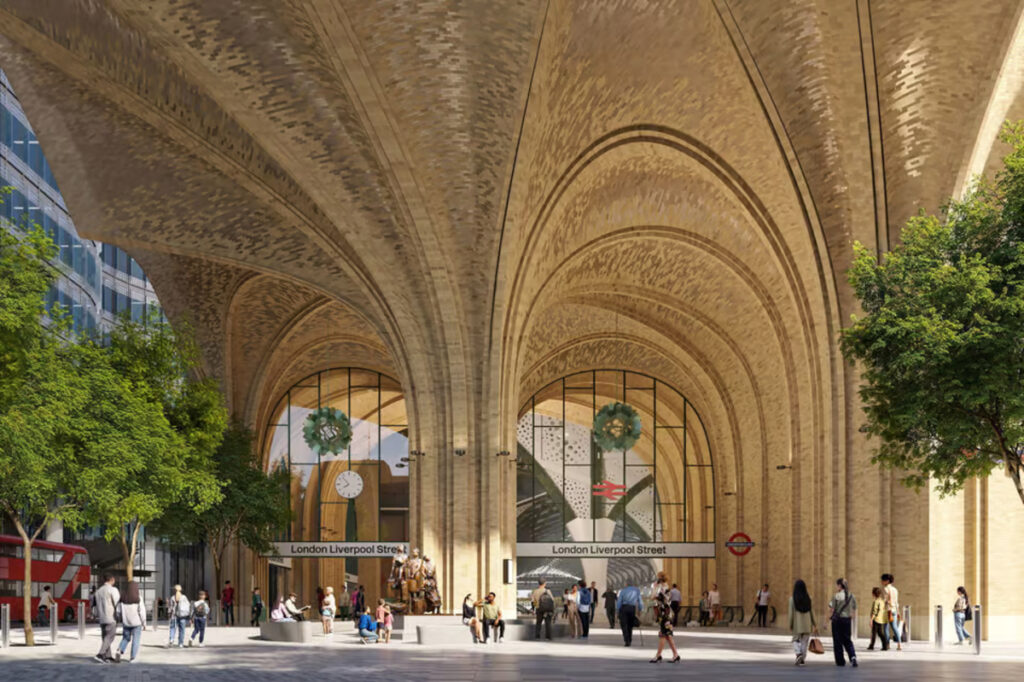
The redevelopment of Liverpool Street station has sparked intense debate, especially with its proposed £1.2 billion budget. While city officials hail the project as a necessary investment in transport infrastructure upgrades, critics raise significant heritage concerns regarding the alterations to this beloved Central London station. The Network Rail proposal intends to build an imposing 19-storey office block on top of the station, which some argue could overshadow its historical significance and aesthetic. As the busiest station in the UK, accommodating nearly 100 million visitors, Liverpool Street is in dire need of enhancements to better serve modern demands. However, amidst calls for functionality, many are concerned that the sacrifices made to heritage could far outweigh the benefits of new office space.
The ongoing discussions surrounding the overhaul of one of London’s most iconic transport hubs continue to stir public sentiment. Advocates argue for significant upgrades to the busy commuter railway, highlighting pressing needs such as increased capacity and improved accessibility. Conversely, detractors voice their apprehensions about the potential erosion of the station’s historical character due to the ambitious Network Rail redevelopment plan. Proposed amendments include the construction of a massive office block that may compromise the architectural integrity of the area. This transformation touches upon broader themes of urban development, preservation vs. progress, and the balancing act of modernizing critical transport networks.
Liverpool Street Station Redevelopment: A Controversial Proposal
The recent approval of the £1.2 billion redevelopment of Liverpool Street station marks a significant moment for Central London. Despite receiving support from the City of London Corporation, the redevelopment plan has ignited a fierce debate regarding its implications for the station’s heritage. Critics, including heritage groups and concerned citizens, argue that the proposal, spearheaded by Network Rail, threatens the historical integrity of one of the UK’s busiest transport hubs. As the redevelopment includes a 19-storey office block, many fear this structure will overshadow the original architectural beauty of the station, resulting in a ‘very high degree of harm’ to an already cherished location.
Supporters of the redevelopment, on the other hand, argue that the improvements brought to Liverpool Street station are essential to meet the growing demands of modern transport. With the station recording an astonishing 98 million visitors in the 2025/26 period, the need for a comprehensive upgrade of transport infrastructure is undeniable. The proposed office block is intended to serve as financial backing for these improvements while increasing the capacity and accessibility of the station. While the concerns regarding heritage are valid, proponents emphasize the necessity of transformational change to accommodate future requirements.
Heritage Concerns Surrounding the Redevelopment
Heritage groups have voiced loud objections to the redevelopment of Liverpool Street station, underscoring that the proposed Network Rail plan threatens landmark historical features. The opposition claims that constructing a 19-storey office block over the station not only risks overshadowing an architectural marvel but also dismantles aspects integral to the station’s historical narrative. The involvement of the Victorian Society and SAVE Britain’s Heritage showcases the weight of these concerns, with calls for a thorough review potentially delaying the project. Their argument highlights the belief that public benefits, such as improved accessibility, should be sought through less destructive means.
Critics like Griff Rhys Jones have described the approval as a “sad day” for London, asserting that redevelopment is not compatible with the preservation of the station’s cultural significance. With the unprecedented number of 3,700 objections to the scheme, public sentiment appears to lean heavily against altering such a prestigious site. They argue that the focus should be on balancing modernization with preservation rather than demolishing cherished elements of London’s architectural heritage.
The Network Rail Proposal: Balancing Modernity and Heritage
Network Rail’s proposal for Liverpool Street station outlines ambitious plans involving more than just the office block construction. The intent is to generate funds for vital upgrades and enhance the overall transportation experience at one of Britain’s busiest stations. The overarching goal is to make the station fit for future demands, addressing critical issues like step-free access and connectivity. This transformational redevelopment aims to not only ensure that the station meets current visitor needs but also prepares it for the future, which is paramount in today’s fast-paced urban context.
However, the proposal has faced intense scrutiny due to the potential negative impacts on the station’s heritage and the surrounding environment. Critics argue that the emphasis on constructing a high-rise office building could detract from what the station represents historically and culturally. As they examine the financial viability and necessity of the proposed upgrades, these detractors highlight the need for a balanced approach that does not involve compromising core heritage assets. The challenge lies in finding a solution that promotes modernization while respecting the historical narrative woven into Liverpool Street station.
Responses from the Community: Mixed Reactions to the Scheme
The community’s response to the Liverpool Street station redevelopment proposal showcases a diverse range of opinions. Supporters argue that the enhancements will significantly improve the experience for commuters and tourists alike. They believe that modernizing the station is essential to handle the anticipated increase in visitor numbers and to create a state-of-the-art transport hub that reflects London’s status as a global city. This sentiment is echoed by several city officials, who emphasize the importance of progressing forward with necessary infrastructure upgrades.
Conversely, critics from various backgrounds, including local residents and business owners, have expressed deep concerns about the disruption and the potential loss of heritage elements. The hotel chain Hyatt, which operates the adjacent Andaz hotel, raised alarms over expected noise pollution and disruption to its operations if the redevelopment goes ahead. Such concerns illustrate the conflict between development ambitions and the preservation of community, historical character, and quality of life that residents cherish.
Economic Implications of the Redevelopment
With an estimated cost of £1.2 billion, the economic implications of the Liverpool Street station redevelopment are substantial. Proponents argue that the project could create thousands of jobs and stimulate economic growth in the surrounding area through increased commercial opportunities. The 19-storey office block is expected to attract new businesses to the area, potentially revitalizing parts of Central London that benefit from the increased foot traffic the redevelopment will attract.
However, skeptics caution against the financial viability of such a large-scale endeavor under the current planning structure. Concerns have been raised about the £220 million funding shortfall highlighted in Network Rail’s documentation, suggesting that the projected economic benefits may not materialize as envisioned. The opposition advocates for a more prudent approach that ensures fiscal responsibility and emphasizes alternative solutions to enhance the station without risking significant financial burdens on the City.
Future Prospects for Liverpool Street Station
As the approval process for the redevelopment progresses, the future of Liverpool Street station hangs in the balance, hinging on decisions made by the Mayor of London and the Secretary of State. Should the plans receive final approval, it will mark a new chapter for one of Britain’s busiest transport hubs. Advocates hope to see a significant transformation that respects the station’s heritage while injecting modern conveniences essential for future generations.
Nonetheless, it remains vital for stakeholders, including residents and heritage advocates, to voice their concerns and seek compromise that preserves the core essence of the station while allowing it to evolve. Achieving a balance will require innovative thinking, combining respect for historical assets with pragmatic approaches to modernization. How these discussions unfold will ultimately shape not just Liverpool Street station, but also the approach to heritage preservation in the face of evolving urban landscapes.
Comparative Analysis: Lessons from Other Redevelopment Projects
The ongoing debate about the Liverpool Street station redevelopment can benefit from examining similar projects both in London and internationally. Notable examples include the revitalization of King’s Cross station and the redevelopment of Penn Station in New York. These projects serve as case studies in balancing heritage preservation with modern needs, offering insights into potential paths forward. King’s Cross, in particular, succeeded in integrating state-of-the-art facilities while maintaining the architectural character that defines its historic sites.
Furthermore, the lessons learned from these successful redevelopments underscore the importance of stakeholder engagement and transparency throughout the planning process. By actively involving the community and heritage groups from the outset, projects can evolve in a way that respects local sentiments while achieving necessary upgrades. The Liverpool Street station redevelopment presents an opportunity to take these lessons into account, potentially avoiding the pitfalls evident in past developments that ignored community input and led to widespread unrest.
Challenges of Integrating New Construction with Historic Structures
Integrating new construction with historic structures poses unique challenges that are particularly relevant in discussions surrounding the Liverpool Street station redevelopment. One of the primary concerns is ensuring that modern architectural designs do not overshadow or detract from the historical significance of existing buildings. A careful balance must be struck such that any new developments complement rather than clash with the storied past of heritage sites, requiring innovative design solutions that pay homage to original structures.
This challenge is further complicated by regulatory frameworks that aim to protect historic environments. In the case of Liverpool Street station, the proposed office block raises red flags regarding potential violations of conservation guidelines. Stakeholders must navigate these regulations delicately, ensuring that enhancements and upgrades to transport infrastructure are executed without compromising historical assets. The outcome may set critical precedents for future developments in historic areas throughout London and beyond.
Conclusion: Balancing Heritage and Modern Needs
The future of Liverpool Street station is emblematic of the broader struggle to reconcile heritage preservation with the demands of modern urban life. As redevelopment proposals unfold, there exists an urgent need for collaboration between various stakeholders, including local councils, heritage groups, and the community at large. While the aspirations for a modern, efficient transport hub are commendable, they should not come at the cost of erasing the historical significance embedded in the station’s architecture.
Ultimately, sustainable solutions that protect heritage and serve contemporary needs will be paramount in shaping Liverpool Street station’s redevelopment. By finding innovative pathways forward that honor the past while preparing for the future, the project could serve as a model for other urban development initiatives, illustrating the importance of thoughtful, inclusive planning that values both progress and preservation.
Frequently Asked Questions
What are the heritage concerns regarding the Liverpool Street station redevelopment?
Heritage concerns surrounding the Liverpool Street station redevelopment stem from criticisms that the proposed construction of a 19-storey office block will inflict significant harm on the station’s historical assets. Advocates for heritage preservation argue that the Network Rail proposal neglects the intrinsic value of the site and threatens the character of the surrounding conservation area.
How does the Network Rail proposal for Liverpool Street station affect transport infrastructure?
The Network Rail proposal for the Liverpool Street station redevelopment aims to upgrade the transport infrastructure significantly. This includes improvements for step-free access, increased capacity, and enhanced connectivity to accommodate the projected rise in passenger numbers. However, critics argue that these benefits come at the cost of damaging the station’s heritage.
What is the financial aspect of the Liverpool Street station redevelopment plan?
The Liverpool Street station redevelopment plan involves a £1.2 billion investment, primarily funded by the construction of a 19-storey office block. While this is expected to finance essential upgrades to the station, concerns have been raised regarding a £220 million funding gap in Network Rail’s proposal. Critics highlight the financial viability of the scheme amidst claims of potential disruptions to nearby businesses and heritage sites.
Why did some councillors oppose the Liverpool Street station redevelopment?
Some councillors opposed the Liverpool Street station redevelopment due to significant heritage concerns and skepticism about the proposed benefits. They questioned whether the potential disruption and physical alterations to the station justified the supposed necessity for redevelopment, asserting that more viable alternatives could address the station’s needs without compromising its historic character.
What role does the new office block play in the Liverpool Street redevelopment?
The new office block proposed in the Liverpool Street station redevelopment plays a crucial role in providing the financial backing needed for station upgrades. It is designed to generate revenue that would fund improvements in connectivity and capacity; however, many critics argue that this focus on office space undermines the heritage of the station and its surrounding area.
How many objections were raised against the Liverpool Street station redevelopment, and who opposed it?
The Liverpool Street station redevelopment faced an unprecedented number of objections, totaling over 3,700, with only 1,153 voices in support of the plan. Key opponents include heritage groups, local residents, and businesses like the Hyatt hotel, which raised concerns about noise pollution and the impact of the office block on their operations.
What are the next steps for the Liverpool Street station redevelopment proposal?
Following the approval of the Liverpool Street station redevelopment proposal by the City of London Corporation councillors, the application will be forwarded to the Mayor of London and the Secretary of State for final authorization. This step is vital for determining if the redevelopment can proceed amidst ongoing concerns.
What was the public sentiment around the Liverpool Street station redevelopment?
Public sentiment regarding the Liverpool Street station redevelopment has been largely polarized. A record number of objections reflect widespread concern over heritage impacts, while support from some business interests highlights the potential economic benefits. This division illustrates the challenging balance between modern development initiatives and heritage preservation.
| Key Points | Details |
|---|---|
| Redevelopment Cost | £1.2 billion |
| Approval Status | Approved by City of London Corporation |
| Number of Objections | Over 3,700 objections raised |
| Support for Proposal | 1,153 supporters |
| Heritage Concerns | Critics argue it harms station’s heritage assets |
| Proposed Construction | 19-storey office block to fund upgrades |
| Stakeholder Reactions | Hyatt hotel and heritage groups oppose it |
| Future of Proposal | Referred to Mayor of London for final approval |
Summary
The Liverpool Street station redevelopment has sparked significant controversy, particularly given its projected cost of £1.2 billion and the expressed concerns regarding the impact on the station’s heritage. This proposed transformation includes the construction of a 19-storey office block to fund essential upgrades, crucial for accommodating the growing number of visitors, which reached 98 million in 2025/26. Despite substantial objections from the public and stakeholders, the project received overwhelming support from the City of London Corporation councillors, ensuring its progress towards final approval from the Mayor of London. As debates continue over the balance between modernization and heritage preservation, the future of Liverpool Street station remains a pivotal issue in city planning.