Listen to this article
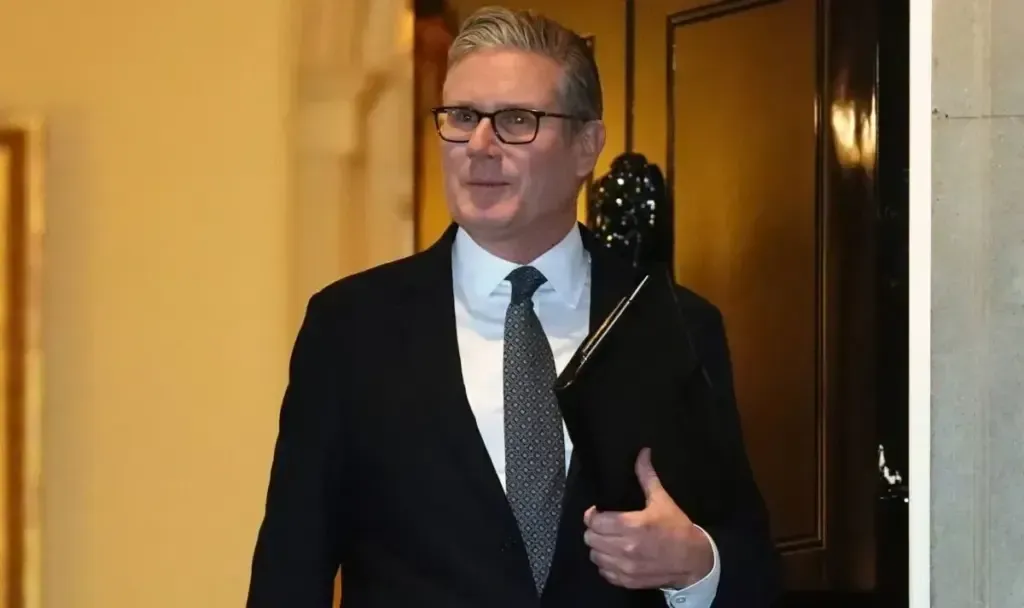
Keir Starmer’s leadership continues to face significant scrutiny as the Labour Party grapples with calls for his resignation amidst political turmoil. With rising tensions reflected in the demands from figures like Scottish Labour leader Anas Sarwar, the stability of the party appears precarious. Starmer’s recent statements, asserting his commitment to the millions affected by a system that seemingly fails them, are crucial as UK Prime Minister news unfolds. Despite controversies surrounding his administration, notably linked to Peter Mandelson’s appointment and speculations of his leadership, Sir Keir remains steadfast in his role. As the pressure mounts, many observers are left to question not just his future, but the overall trajectory of the Labour Party under his guidance and the fight for public trust.
The evolving dynamics of Sir Keir Starmer’s governance encapsulate a broader narrative of challenges faced by the Labour Party in the current political climate. As discussions pivot around leadership stability and potential resignations, Starmer’s recent commitment to confronting pressing national issues, particularly the cost of living crisis, shines a light on his priorities. Scrutiny of his leadership style and decisions, like the controversial relationship with political architect Peter Mandelson, continues to fuel debates regarding his efficacy. Amidst this backdrop, the question remains: can Starmer unify his party while navigating the storm of public demand for accountability? The unfolding events will certainly shape not only his leadership but also the future direction of the Labour Party.
The Struggles of Keir Starmer’s Leadership
Sir Keir Starmer’s tenure as leader of the Labour Party has been marked by significant struggles and controversies. Over the past months, his leadership has faced mounting pressures and criticisms, particularly surrounding his decision-making and the perceived instability within the party. With calls for his resignation from influential figures such as Scottish Labour leader Anas Sarwar, Starmer’s ability to maintain authority over the party is constantly under scrutiny. Many Labour MPs have openly questioned his competency, especially after news of questionable connections emerged involving party officials and controversial figures like Lord Mandelson.
This turmoil has led to a broader conversation within the Labour Party about the future stability of its leadership. Starmer must now contend not only with external pressures from political opponents but also with internal doubts from party members about his suitability to lead in the next general election. The release of sensitive emails related to Peter Mandelson has intensified this scrutiny, with many within the party concerned that such controversies will overshadow Labour’s messages and distract from important issues facing the constituents.
Political Turmoil and Labour Party Stability
The current political landscape in the UK is characterized by significant turmoil, and the Labour Party’s leadership is not exempt from this turmoil. Starmer’s leadership has been challenged amidst a backdrop of political instability, affecting how the public and party members perceive Labour’s ability to govern effectively. Given the high stakes of upcoming elections—including key contests in Scotland, Wales, and councils across England—there is a palpable sense of urgency surrounding the party’s cohesiveness and clarity of direction.
Political analysts have noted that if Labour fails to perform well in the upcoming elections, it could set off a chain reaction leading to further leadership challenges. The calls for Starmer to resign reflect a larger anxiety about the party’s future, with many concerned that ongoing controversies and leadership controversies may detract from addressing pressing issues like economic stability and the cost of living crisis. Achieving Labour Party stability in such a tumultuous environment will be a critical challenge for Starmer.
Indeed, as key figures within Labour rally around Starmer, notably those like Ed Miliband and Eluned Morgan, the collective call for unity emphasizes a desire to avoid a chaotic leadership election. However, as the debates surrounding Starmer’s decisions and leadership style continue to raise eyebrows, the question of whether internal solidarity can genuinely be achieved remains a significant concern for party strategists.
Sir Keir Starmer’s Controversy and Accountability
The controversies surrounding Sir Keir Starmer’s leadership are compounding, particularly regarding his handling of party appointments and transparency. The emergence of WhatsApp communications involving Lord Mandelson and Starmer has ignited debates about accountability and integrity within the party’s ranks. Critics argue Starmer’s approach to these scandals could significantly influence public opinion and party voter trust. As new revelations continue to unravel, there are increasing calls for a transparent response that addresses the urgent concerns of the electorate.
In interviews, Starmer has emphasized his commitment to transparency, insisting that the government must act in coordination with both Parliament and law enforcement regarding any misconduct. By calling for a managed process of response to these controversies, he aims to repair the damage and restore faith in his leadership. However, critics are closely watching whether these efforts will be sufficient to quell the ongoing discontent within the party and revive confidence ahead of forthcoming elections.
Keir Starmer’s Vision for the Future
Despite the pressures and controversies, Sir Keir Starmer has laid out a vision for his leadership that emphasizes social justice and equality. He has articulated a strong commitment to fighting the economic issues plaguing many British people, underscoring the need to create fair opportunities for all citizens. By sharing personal anecdotes from his background, Starmer seeks to connect with voters who feel marginalized by the current political system, indicating that his leadership will be characterized by empathy and understanding of the everyday struggles people face.
Moreover, Starmer has publicly declared his intent to tackle the pressing cost of living crisis, positioning himself as a leader who prioritizes the needs of the people above political survival. By placing significant focus on these issues, he attempts to galvanize support within the party and from the electorate. However, whether this vision can translate into tangible electoral support remains to be seen, particularly in light of the continuing controversies surrounding his leadership choices and the pressing need for Labour to present a united front.
Implications of Keir Starmer’s Resignation Speculation
As resignation speculation continues to surround Sir Keir Starmer’s leadership, the implications for the Labour Party could be substantial. The internal divisions prompted by dissenting voices, including calls for his resignation, have raised critical questions about the party’s direction and future viability. A resignation could lead to a tumultuous leadership contest that would occupy the party’s focus at a time when coherent strategies for addressing pressing social issues are critically needed.
Furthermore, should Starmer decide to step down, the vacuum created may provide an opportunity for other ambitious figures within Labour to step forth. This could ignite a bidding war for leadership, with potential candidates framing their campaigns in stark contrast to Starmer’s approach. The party’s ideological framework might shift, affecting its agenda and policy proposals, which could either alienate or galvanize segments of the electorate. In the end, the stability of the Labour Party hinges on how it navigates Starmer’s leadership challenges and the strategic decisions made in the event of his resignation.
Future Challenges Ahead for the Labour Party
The Labour Party faces numerous challenges as it strives to reclaim its position as a dominant force in UK politics. With Prime Minister Sir Keir Starmer at the helm, the party must overcome both internal strife and external pressures from rival political factions. The prospect of upcoming elections adds another layer of complexity, as Labour strives to present a united front to the electorate while grappling with controversies and criticisms of leadership decisions.
Looking ahead, the party will need to hone its messaging around key issues if it hopes to resonate with voters disillusioned with the current economic conditions. This will involve addressing the concerns related to lower-income families and creating policies that demonstrate a clear commitment to social equity. The challenge will be for Starmer to navigate his leadership while ensuring that the Labour Party remains relevant and sufficiently appealing to the electorate in the face of adversities and the looming threat of potential leadership challenges.
Public Support for Keir Starmer Amidst Criticism
Despite the criticisms and calls for resignation, Keir Starmer has managed to secure some measure of public support, particularly among certain influential party members and officials. Figures like Wes Streeting and Andy Burnham have publicly affirmed their backing for Starmer, indicating that within the Labour Party, there remains a faction that believes in his leadership capabilities. Their support serves to stabilize his position, providing him with a buffer against the rising tide of discontent emanating from other quarters of the party.
This backing highlights the complexities of Starmer’s leadership—while criticism abounds, so does encouragement from party stalwarts who recognize the necessity of unity in the face of political adversity. The challenge for Starmer will be to convert this internal support into a coherent strategy that resonates with the wider public. He must focus on engagement with the electorate, reclaiming trust from voters who may feel disconnected from the party’s recent controversies and internal disputes.
The Role of Internal Party Dynamics in Starmer’s Leadership
The internal dynamics of the Labour Party play a crucial role in shaping Sir Keir Starmer’s leadership trajectory. The various factions within the party, including those pushing for more progressive policies versus those leaning towards traditional party positions, create an environment ripe for conflict and tension. With influential voices like Anas Sarwar calling for his resignation, it’s clear that maintaining internal harmony and alignment will be vital if Starmer hopes to lead effectively during challenging times.
Navigating these internal dynamics requires a delicate balance from Starmer, who must find a way to unite these factions while also appealing to the broader electorate. Achieving this balance may involve compromises and shifted priorities that could either strengthen his position or undermine it further. In the coming months, Starmer’s ability to foster unity within the Labour Party will determine not only his leadership success but also the party’s viability as a credible alternative to the current government.
The Future of the Labour Party Under Starmer’s Leadership
As UK politics continues to evolve, the future of the Labour Party under Sir Keir Starmer’s leadership remains uncertain. Given the escalating pressures from both political adversaries and factions within his own party, the next few months will be pivotal. Starmer’s recent claims concerning stability and unity may resonate well with constituents, but such sentiments must translate into effective governance and policy-making if Labour hopes to regain public trust.
Starmer’s leadership is at a crossroads, and the implications of his actions will echo in the party’s fortunes in future elections. Should he successfully navigate the controversies and maintain a strong, forward-looking agenda, Labour could potentially emerge as a formidable opponent to the ruling party. Conversely, if the current challenges are not adequately addressed, the Labour Party could face an uphill battle in its quest to connect with the public and secure a significant electoral victory.
Frequently Asked Questions
What does Keir Starmer’s leadership mean for the Labour Party’s stability?
Keir Starmer’s leadership aims to restore stability within the Labour Party amid ongoing political turmoil. He has reiterated his commitment to leading the party into the next general election, emphasizing the need for unity and stability in challenging times.
How did Keir Starmer respond to calls for his resignation?
In response to calls for his resignation, including from Scottish Labour leader Anas Sarwar, Keir Starmer affirmed his commitment to his role, stating, “I will never walk away from the country that I love.” This reflects his determination to overcome the current challenges facing his leadership.
What impact has recent controversy had on Keir Starmer’s leadership style?
Recent controversies, including revelations about appointments and connections to high-profile figures, have put Keir Starmer under scrutiny. However, he continues to assert his leadership by focusing on key issues like the cost of living, indicating a proactive approach in navigating his role as Prime Minister.
What are the implications of political turmoil on Keir Starmer’s tenure as Prime Minister?
Political turmoil has created a precarious environment for Keir Starmer, with rising calls for leadership changes. His response to these challenges and his ability to unite the party will significantly influence his tenure and the Labour Party’s future direction.
Can Sir Keir Starmer maintain support amidst leadership challenges?
Despite facing leadership challenges, Sir Keir Starmer has begun receiving public backing from key party figures. This support is crucial for maintaining his position and addressing the concerns raised about the Labour Party’s stability under his leadership.
What is the significance of Keir Starmer’s promises amid criticism?
Keir Starmer’s promise to continue fighting for the interests of people impacted by systemic issues is significant. It reflects his intention to address the criticism surrounding his leadership and align the Labour Party with the needs of the public, aiming to re-establish trust as he leads into future elections.
| Key Points |
|---|
| Keir Starmer’s Commitment |
| Starmer stated he will “never walk away” from his responsibilities as PM. |
| Political Pressure |
| Scottish Labour leader Anas Sarwar called for Starmer’s resignation due to leadership issues. |
| Support from Cabinet |
| Starmer received public backing from his cabinet, indicating unity. |
| Leadership Speculation |
| Potential leadership challengers are Wes Streeting and Andy Burnham, but they currently support Starmer. |
| Future Elections Impact |
| Upcoming elections could lead to renewed calls for Starmer’s resignation if Labour performs poorly. |
Summary
Keir Starmer leadership is currently under scrutiny as he navigates significant pressure within his party. Despite calls for his resignation, Starmer has emphasized his commitment to leading the Labour Party into the next general election and addressing pressing issues such as the cost of living. His resolve, coupled with support from key cabinet members, suggests that while challenges remain, he is determined to maintain his position and focus on the needs of the people. The upcoming elections could prove pivotal in determining the future direction of his leadership and the party as a whole.