
Listen to this article
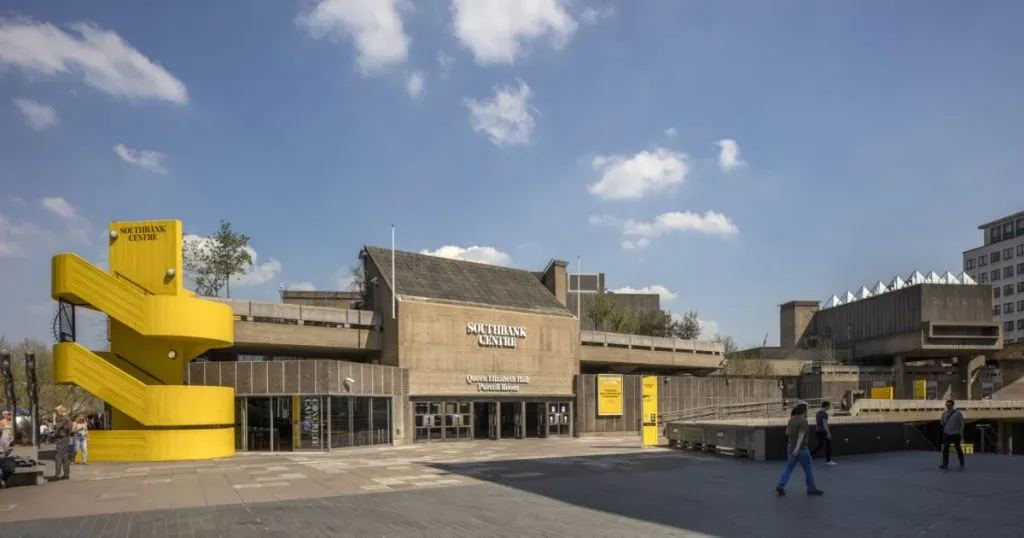
The Southbank Centre listing marks a significant milestone in the appreciation of brutalist architecture, as this iconic cultural hub has finally received Grade II listed status after decades of campaigning. Once mocked as ‘Britain’s ugliest building,’ the Southbank Centre encompasses a collection of remarkable structures, including the Hayward Gallery and Queen Elizabeth Hall, celebrated for their unique postwar architectural style. This decision not only highlights the evolution of the Southbank Centre’s reputation but also acknowledges the contributions of architects like Norman Engleback, who pushed the boundaries of design during the mid-20th century. The successful campaign, led by the C20 Society, ends a historical anomaly, allowing this masterpiece to be recognized among its contemporaries, such as the Grade I-listed Royal Festival Hall. Ultimately, this listing reaffirms the significance of the Southbank Centre in London’s architectural narrative and invites further dialogue on the importance of preserving modernist landmarks in our cultural heritage.
The recent acknowledgment of the Southbank Centre as a Grade II listed building signifies an important shift in how society perceives mid-century architectural achievements. This landmark, once derided, now stands as a testament to the boldness of postwar design and the enduring value of modernist structures. The decision to grant listing status came after years of advocacy, shedding light on the architectural importance of structures that once faced ridicule. As we celebrate this moment, it’s vital to reflect on the broader implications for brutalist designs and how they fit into the contemporary cultural landscape. The recognition of such a significant site not only speaks to its historical relevance but also emphasizes the ongoing need to preserve our architectural legacy.
The Significance of Southbank Centre’s Grade II Listing
The recent awarding of Grade II listed status to the Southbank Centre marks a significant milestone in the recognition of brutalist architecture in Britain. This decision follows a persistent 35-year campaign spearheaded by advocates of the C20 Society, who have long argued for the architectural importance of this structure. The Southbank Centre is not only a focal point of postwar architecture but also a symbol of artistic and cultural resilience in London, showcasing how bold architectural designs can evoke strong emotions and opinions from the public.
This listing acknowledges the Southbank Centre’s unique position in London’s architectural tapestry, especially as it stands alongside other renowned structures, such as the Grade I-listed Royal Festival Hall. With its concrete facades and geometric designs, the Southbank Centre reflects a period when Britain was embracing modernism and innovation in architecture, and its elevation to listed status serves as a corrective recognition of its value within the UK’s heritage.
Southbank Centre History and Architectural Importance
The Southbank Centre’s story began in the mid-20th century when it was designed by a team led by Norman Engleback, emerging from a daring postwar vision that prioritized cultural accessibility. However, at its inception in 1967, the buildings were met with criticism, even being labeled as “the supreme ugly” by engineers. This negative perception persisted for decades and obscured the architectural merits of the site. The recent move to grant Grade II listing status is a testament to the evolving appreciation for brutalism, recognizing it as an essential chapter in the narrative of British architecture.
As part of the Southbank’s architectural complexity, the ensemble includes the Hayward Gallery and the Purcell Rooms. Each of these structures contributes to the overall aesthetic and cultural impact of the site. The C20 Society has highlighted the need to appreciate such examples of postwar architecture, asserting that they represent more than mere concrete buildings; they illustrate a significant period of architectural exploration and expression in Britain.
Campaigners Celebrate the Recognition of Brutalism
Following the announcement of the Southbank Centre’s listing, campaigners, including Catherine Croft of the C20 Society, celebrated what they termed a victory for brutalism. This long-overdue acknowledgment signifies a broader shift in societal attitudes towards postwar architecture. Historically derided as “concrete monstrosities”, buildings like the Southbank Centre are now being revered for their architectonic significance and cultural history, marking a progressive turn in the assessment of such styles.
The response from architectural campaigners reflects a growing awareness of the importance of preserving diverse architectural styles, especially those that tell the story of a nation’s evolution over time. By championing the listing of the Southbank Centre, advocates are not just salvaging its worth but are also protecting a rich part of Britain’s architectural legacy that deserves recognition and preservation.
Brutalist Architecture and Its Cultural Impact
Brutalism as an architectural style is often polarizing; people either love its raw aesthetic or reject it outright due to its stark appearances. The Southbank Centre stands as a prime example of how brutalism broke from traditional forms, using bold concrete structures to shape new social spaces. Its introduction of sculptural forms and monumental scales offered an innovative approach to architecture that resonated with the postwar generation, creating environments that fostered artistic expression and cultural dialogue.
The influence of brutalist architecture extends beyond aesthetics; it represents an ideological shift where architecture was seen as a tool for social change. The Southbank Centre’s design, coupled with its public accessibility, embodies this ethos, making it a focal point for cultural engagement. The recent listing not only extends the life of this architectural ‘masterpiece’ but also ensures that future generations can appreciate its contributions to the dialogue surrounding art, culture, and urban life.
The Future of the Southbank Centre Post-Listing
With the granting of Grade II listed status, the conversation surrounding the Southbank Centre has shifted towards its future and the necessary investments that will ensure its longevity. Following this historic decision, proposals for a multimillion-pound refurbishment program have been put forward, highlighting the urgent need for government support to maintain and enhance the complex’s infrastructure. This development is essential not merely for aesthetic improvements but also for operational viability as the Centre approaches its 75th anniversary.
The call for funding underscores the importance of public investment in preserving such iconic structures, especially those with rich cultural histories like the Southbank Centre. Architects and stakeholders argue that enhancements should respect the original brutalist design while also adapting to contemporary needs, ensuring that the building continues to function as a vibrant cultural hub. Such efforts will help secure its place in the future narrative of London’s architectural landscape.
Public Reception of the Southbank Centre Listing
The public reception of the Southbank Centre’s listing has been overwhelmingly positive, reflecting a significant shift in perception about brutalist structures. For years, the Centre was dismissed as an outdated relic of architectural experimentation, yet recent movements reveal an appreciation for its aesthetic and historical context. Many Londoners view the listing as a turning point that recognizes the cultural significance of brutalist buildings and the rich narratives they harbor.
Social media discussions and public forums have brought forward voices that champion the Southbank Centre as an icon of modern architecture, emphasizing the need to protect such sites as they represent a critical chapter in Britain’s architectural heritage. This newfound appreciation not only highlights the importance of preserving such buildings but also reinforces the idea that architecture plays a crucial role in shaping public spaces and experiences.
Brutalism’s Resurgence Through the Southbank Centre
The resurgence of interest in brutalism, as demonstrated by the Southbank Centre’s recent recognition, signifies a broader cultural reassessment of architectural styles once considered controversial. As urban environments evolve, so too does the public’s understanding of aesthetics; there is a growing appreciation for the raw beauty of concrete structures and their capacity to evoke strong reactions. The Southbank Centre, with its unique design, serves as a pivotal example of this architectural style’s enduring legacy.
This reassessment allows for a more nuanced conversation regarding the value of different architectural movements, particularly those from the postwar period that embraced a bold, unrefined vision. By celebrating the Southbank Centre as part of the UK’s architectural heritage, communities can encourage future developments that prioritize innovation and aesthetic diversity, ensuring that such styles are recognized and preserved for generations to come.
Historical Context of the Southbank Centre’s Architectural Style
Brutalist architecture emerged in the mid-20th century as a response to the need for functional yet expressive public buildings in the aftermath of World War II. The Southbank Centre exemplifies this movement, combining functionality with striking visual forms that reflect the optimism and cultural aspirations of its time. Understanding the historical context behind its design provides valuable insight into why the Centre is hailed as a significant example of postwar architecture.
The architectural decisions made during the design phase of the Southbank Centre were groundbreaking for their time. By utilizing exposed concrete, the architects created a sense of modernity while also addressing the pressing needs of urban environments. This historical perspective allows contemporary audiences to appreciate the Southbank Centre not just as a building, but as a representation of a critical period in architectural history, embodying the innovative spirit that prevailed in the late 20th century.
Lessons from the Southbank Centre’s Architectural Journey
The journey of the Southbank Centre from being labeled an eyesore to receiving Grade II listed status serves as a powerful lesson in the value of understanding and advocating for historical architecture. Campaigners, architects, and city planners can glean insights from this progression, illustrating how public perceptions can change over time, especially when contextualized within broader historical narratives. The Southbank Centre’s recognition showcases the importance of persistent advocacy in protecting architectural gems from being overlooked and undervalued.
Moreover, the Centre’s story underscores the need to preserve diverse architectural styles that reflect the cultural and artistic aspirations of their respective eras. By learning from the Southbank Centre’s experiences, future generations can advocate for historical preservation efforts that honor unique architectural expressions, ensuring that beloved structures are cherished rather than seen merely as outdated relics.
Frequently Asked Questions
What is the significance of the recent Grade II listing of the Southbank Centre?
The Grade II listing of the Southbank Centre marks a significant recognition of its architectural value, particularly as an example of brutalist architecture. After a 35-year campaign, this decision acknowledges the building’s importance to postwar architecture and ensures its protection as a key part of Britain’s national heritage.
How does the Southbank Centre influence the perception of brutalist architecture?
The Southbank Centre’s recent listing is a major turning point in the perception of brutalist architecture in Britain. Once criticized and considered ‘ugly,’ this recognition reflects a growing appreciation and respect for the style, showcasing how the Southbank Centre is seen as a masterpiece of postwar architecture.
Why was the Southbank Centre previously unlisted despite its architectural significance?
Despite its architectural significance, the Southbank Centre was unlisted for many years due to previous governmental assessments that deemed it ‘not unique or groundbreaking.’ However, ongoing advocacy from groups like the C20 Society highlighted its architectural merit, ultimately leading to its Grade II listing.
What campaign led to the Southbank Centre’s Grade II listing approval?
The approval for the Southbank Centre’s Grade II listing was the result of a sustained campaign by the Twentieth Century Society (C20 Society), which advocated for 35 years to protect this iconic piece of brutalist architecture, reflecting its importance within the broader context of postwar architectural heritage.
What role did the C20 Society play in the listing of the Southbank Centre?
The C20 Society was pivotal in the listing of the Southbank Centre, championing its recognition as a vital part of Britain’s architectural history. Their campaign emphasized the building’s distinctive features and its overall significance in the brutalist architectural movement.
How does the Southbank Centre compare to other nearby historic buildings?
The Southbank Centre, now Grade II listed, contrasts with its nearby historic counterparts, such as the Grade I-listed Royal Festival Hall and the Grade II*-listed National Theatre, both of which are also important examples of modernist and brutalist architecture, respectively.
What future plans does the Southbank Centre have following its listing?
Following its Grade II listing, the Southbank Centre has expressed the need for government funding, requesting £30 million for a multimillion-pound refurbishment program aimed at ensuring the building’s infrastructure can support its future through its 75th anniversary and beyond.
What architectural features contribute to the Southbank Centre’s importance in postwar architecture?
The Southbank Centre is noted for its bold geometric formations and dramatic silhouette, utilizing exposed concrete with a finely textured surface finish. These features exemplify the technical skill and artistic expression characteristic of significant postwar brutalist architecture.
| Key Point | Details |
|---|---|
| Long Overdue Listing | The Southbank Centre has been granted Grade II listed status after a 35-year campaign. |
| Architectural Design | Designed by the architects department led by Norman Engleback, it includes Hayward Gallery, Purcell Rooms, and Queen Elizabeth Hall. |
| Previous Criticism | Once labeled as Britain’s ugliest building, it faced rejection of its listing six times by the government. |
| C20 Society’s Support | Catherine Croft from the Twentieth Century Society hailed the decision as a ‘victory’ for brutalism. |
| Need for Funding | Southbank Centre is seeking £30m for infrastructure improvements in light of its new listing. |
Summary
The Southbank Centre listing marks a significant celebration of brutalism and a triumph for its advocates after years of struggle for recognition. This iconic structure is not only essential to London’s cultural landscape but also symbolizes a shift in the public and governmental perception toward modernist architecture. As the Southbank Centre listing continues to resonate, the calls for government investment reflect a commitment to preserving this essential part of our national heritage. With its future now more secure, the Southbank Centre can thrive and contribute to the vibrant arts scene long into the future.