
Listen to this article
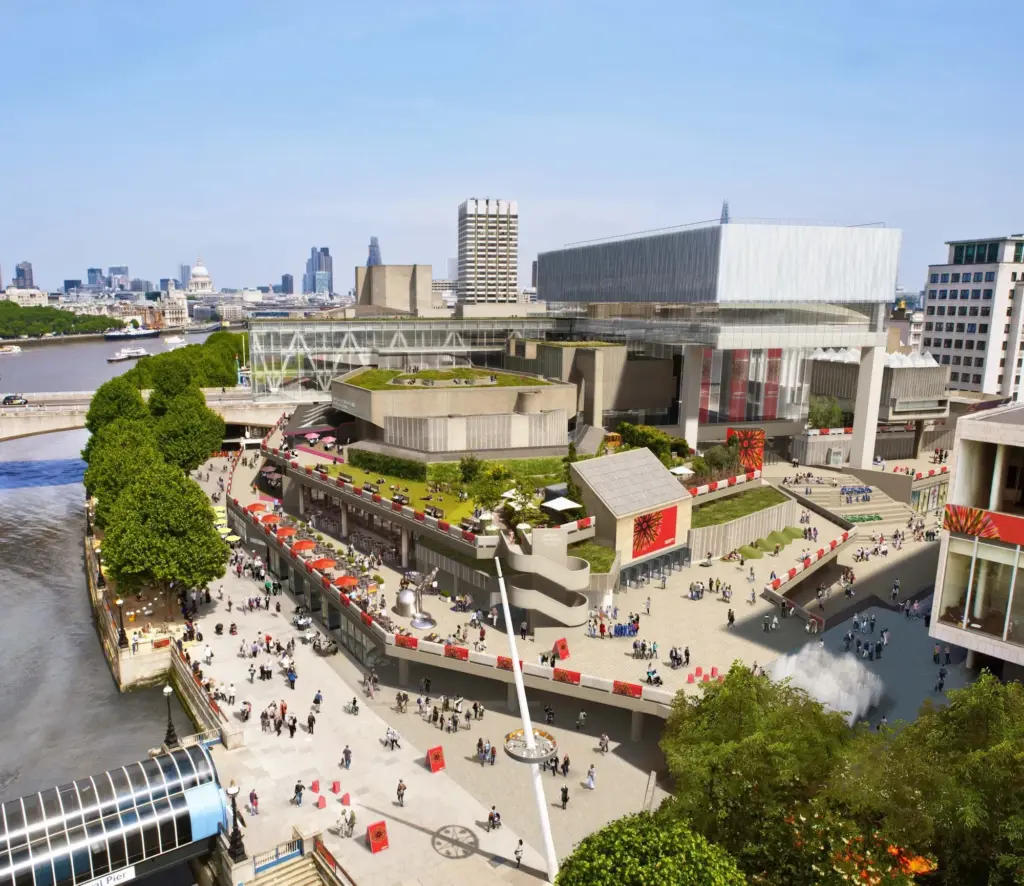
Southbank Centre stands proudly on the banks of the River Thames, recognized as a significant cultural hub and an iconic example of Brutalist architecture. Recently granted Grade II listing, this complex exemplifies the evolution of post-war architecture in London, marking an important milestone in the preservation of London’s architectural heritage. Designed by a team of architects led by Norman Engleback, the Southbank Centre has transcended its initial reputation as “Britain’s ugliest building” to become a celebrated landmark, symbolizing the resilience and creativity of post-war British designers. The decision to classify the Southbank Centre highlights its architectural significance and cements its place among the most cherished London landmarks. As it continues to host a vibrant array of arts events, the Southbank Centre not only sustains the memory of its architectural heritage but also evolves as a cornerstone of modern London life.
The Southbank Centre, often referenced as a pivotal cultural venue in London, encapsulates the essence of mid-twentieth-century design that many associate with Brutalism. Its recent Grade II listing not only ensures the protection of this historic site but also showcases its importance within the realm of post-war architecture. This designation aligns the Centre with celebrated buildings across the globe and highlights the ongoing narrative of struggle for recognition among sites of significant architectural impact. As debates about the future of such structures continue, the Southbank Centre reminds us of the vibrant interplay between culture and architectural history that defines many contemporary urban landscapes. Engaging with this landmark offers a glimpse into how architectural forms can shape cultural identities and experiences in our cities.
The Significance of Brutalist Architecture in London
Brutalist architecture, with its raw concrete forms and bold geometric shapes, epitomizes a pivotal era in post-war urban design. Often misunderstood and criticized for its stark aesthetics, this architectural style has been a subject of passionate debates among historians, critics, and the public alike. The recent Grade II listing of the Southbank Centre exemplifies the growing appreciation for these concrete masterpieces, as they represent a commitment to innovative design and social aspirations during a transformative period in British history.
As a monumental example of post-war architecture, the Southbank Centre stands not just as a building but as a cultural icon that reflects the values of its time. Its recognition by the Twentieth Century Society stresses the importance of preserving these structures not only for their architectural merit but also for their social significance within the urban landscape of London. This acknowledgment marks an important turning point in how we view and value Brutalist architecture in today’s context.
Southbank Centre: A Cultural Hub and Architectural Marvel
The Southbank Centre, designated as a Grade II listed site, serves as a cornerstone of London’s cultural scene. Once criticized as ‘Britain’s ugliest building,’ this arts complex is now lauded for its architectural brilliance and its diverse programming that includes music, theatre, art exhibitions, and debates. Its design, spearheaded by architect Norman Engleback, encapsulates the spirit of the 1960s, aiming to create an accessible arts venue that would invigorate the cultural fabric of London.
The recent listing of prominent elements of the Southbank Centre, such as the Queen Elizabeth Hall and Hayward Gallery, highlights not only their architectural significance but also their role in shaping public engagement with the arts. As these buildings now undergo strict heritage oversight due to their Grade II status, it ensures that future generations will continue to enjoy and celebrate the rich culture and vibrant community that the Southbank Centre fosters.
Celebrating the Evolution of Post-War Architecture
The evolution of post-war architecture is intricately tied to the socio-economic changes that followed World War II, giving rise to buildings aimed at reflecting a hopeful future. The Southbank Centre stands as a significant manifestation of this evolution, showcasing the transition from traditional building styles to more experimental forms. The acknowledgment of its architectural value through Grade II listing is not just a win for Brutalism but an affirmation of the importance of preserving our architectural history.
In celebrating this architectural movement, organizations like the Twentieth Century Society play a crucial role in advocating for recognition and preservation efforts. Their dedication to promoting post-war structures assists in reshaping public perceptions about Brutalism, emphasizing its historical context and cultural significance. Each listed building, including the Southbank Centre, contributes to a deeper understanding of our architectural heritage and the narratives those buildings tell about the period they represent.
Twentieth Century Society: Advocating for Architectural Heritage
The Twentieth Century Society has been at the forefront of the movement to recognize and preserve significant post-war architecture throughout the UK. Their commitment to safeguarding buildings like the Southbank Centre reflects a broader cultural recognition that Brutalist architecture merits more respect and understanding than it has traditionally received. Catherine Croft’s remarks signal a milestone in their long-standing campaign, helping to reshape London’s architectural landscape and public sentiment towards these once-maligned structures.
By working tirelessly to promote awareness and appreciation for twentieth-century architecture, the Twentieth Century Society has harnessed a diverse coalition of support that includes historians, architects, and community members. Their successful lobbying for the Southbank Centre’s Grade II listing illustrates the collaborative effort required to protect our architectural legacy and ensure that future developments honor this unique style of building in a manner that respects its historical context.
The Impact of Heritage Designation on Urban Development
The granting of Grade II status to the Southbank Centre represents a significant change in urban development policy regarding the preservation of historic buildings. With this designation, future alterations to the complex must adhere to stringent heritage guidelines, ensuring that any modifications maintain the integrity of its original design. This shift acknowledges the architectural and cultural importance of the structure amidst the pressures of modern urban growth and development.
As cities evolve, the balance between preserving historical integrity and accommodating contemporary needs becomes increasingly critical. The Southbank Centre’s listing sends a powerful message to developers and urban planners alike, stressing the importance of considering historical significance in new projects. This development-driven perspective aligns with public interests in heritage conservation, ensuring that iconic landmarks not only remain part of the city’s narrative but also contribute to the character and vibrancy of urban life.
Government Investment in Heritage Infrastructure
Following the Grade II listing of the Southbank Centre, there is a renewed call for government investment in cultural and heritage infrastructure across London. The Southbank Centre’s request for £30 million funding illustrates the ongoing need for financial support to maintain and enhance these critical structures. With government-owned properties facing increasing maintenance costs, highlighting their significance becomes essential in mobilizing public and political will for investment.
Investing in heritage sites like the Southbank Centre not only supports the preservation of unique architectural contributions but also stimulates local economies by attracting visitors and tourists. By recognizing the economic and cultural value of these sites, policymakers have the opportunity to foster vibrant communities while safeguarding the historical narratives that enrich the urban experience. Ensuring sustainable funding for such projects can ensure that important landmarks are preserved for future generations to enjoy.
A New Chapter for London’s Brutalist Landmarks
The recent Grade II listing of the Southbank Centre marks a new chapter for London’s Brutalist landmarks, effectively recognizing their place in the architectural narrative of the city. As public perception of Brutalism continues to evolve, this listing reflects a broader trend towards valuing structures that were once dismissed as eyesores. Such recognition serves as a testament to the cultural and historical importance of these buildings, elevating them to icons of architectural heritage.
By celebrating this new designation, London can foster a greater appreciation for its diverse architectural landscapes, encouraging dialogue about the aesthetics, function, and cultural roles of buildings constructed during the post-war era. Each listed structure, including the Southbank Centre, becomes a symbol of resilience and innovation, embodying the spirit of a time that sought to redefine urban life. This shift not only benefits the buildings themselves but also enriches the experiences of people who engage with them.
Public Engagement and the Future of Brutalism
Public engagement with architectural heritage is crucial to the future of Brutalism in London. As appreciation for the Southbank Centre grows, it fosters community participation in discussions about architecture, arts, and culture. Inviting the public to explore and critique these structures can not only enhance their significance but also bolster community investment in preserving and celebrating their unique characteristics.
Activities organized by the Southbank Centre, such as talks, exhibitions, and guided tours, allow visitors to engage with this iconic structure in meaningful ways. By crafting programs that highlight the building’s architectural merits alongside its historical narratives, the Centre can turn misperceptions about Brutalism into opportunities for education and connection. This approach ensures that future generations will recognize landmarks like the Southbank Centre not just as buildings, but as integral parts of London’s cultural heritage.
The Legacy of the Southbank Centre in Post-War Architecture
The legacy of the Southbank Centre in post-war architecture goes beyond its Grade II status; it symbolizes the challenges and triumphs of a generation striving to redefine cultural identity through design. As one of the most iconic Brutalist landmarks in London, the Centre serves as a reminder of the power of architecture to foster community and inspire creativity. Its history reflects both the pride and controversy associated with Brutalist structures and highlights the value of architectural diversity in urban environments.
As the Southbank Centre continues to evolve and adapt to contemporary needs, its enduring presence on the Thames reinforces the importance of integrating historical awareness into modern urban planning. By maintaining a dialogue about the building’s role in shaping London’s identity, the Centre can ensure that it remains relevant while also serving as a cornerstone of heritage education. Celebrating its legacy invites a forward-looking perspective that honors past achievements while embracing future possibilities.
Frequently Asked Questions
What is the significance of the Southbank Centre being granted Grade II listing?
The Grade II listing of the Southbank Centre marks an important milestone for one of London’s iconic Brutalist landmarks. This designation ensures that the architectural integrity, layout, and characteristic features of the site are preserved for future generations, reflecting its status as a key example of post-war architecture in London.
How does the Southbank Centre represent post-war architecture in London?
The Southbank Centre is a prime example of post-war architecture, showcasing unique Brutalist design principles. Designed by a team led by architect Norman Engleback, it represents a significant period in British architectural history, contributing to London’s cultural landscape along the Thames.
What role does the Twentieth Century Society play in relation to the Southbank Centre?
The Twentieth Century Society has been instrumental in advocating for the Southbank Centre’s preservation, leading a campaign for 35 years to secure its Grade II listing. Their efforts reflect a broader commitment to recognizing and preserving notable examples of twentieth-century architecture.
Why was the Southbank Centre once labeled ‘Britain’s ugliest building’?
When it opened in 1967, the Southbank Centre was controversially labeled ‘Britain’s ugliest building’ by readers of the Daily Mail. This reaction stemmed from the bold and unconventional Brutalist style that characterized the complex, which has since gained recognition for its architectural significance.
What architectural features of the Southbank Centre are highlighted by the Grade II listing?
The Grade II listing of the Southbank Centre emphasizes its distinctive Brutalist features, including its rough concrete forms and layout, the Queen Elizabeth Hall, and the Hayward Gallery. These elements reflect its importance not only as a cultural hub but also as a significant architectural achievement in London.
How does the Southbank Centre contribute to London’s cultural scene?
The Southbank Centre is a major cultural hub in London, hosting a diverse array of events, including visual arts, theatre, dance, classical and contemporary music, poetry, and debates. Its role in promoting the arts makes it a vital part of London’s vibrant cultural landscape.
What has been the public reaction to the preservation of the Southbank Centre?
The public reaction to the Southbank Centre’s preservation has been largely positive, with advocacy groups like the Twentieth Century Society celebrating the Grade II listing as overdue recognition of its architectural and cultural significance in London.
What improvements are being sought for the Southbank Centre following its Grade II listing?
Following its Grade II listing, the Southbank Centre has requested £30 million from the government to support infrastructural improvements. This investment is aimed at ensuring that the complex continues to thrive as a key cultural destination in London.
Who were the architects behind the Southbank Centre?
The Southbank Centre was designed by a young team led by architect Norman Engleback, whose vision for the site helped define its Brutalist character, contributing to its status as one of London’s notable architectural landmarks.
What impact does the Grade II listing have on future changes to the Southbank Centre?
The Grade II listing of the Southbank Centre imposes strict heritage oversight on any future changes, ensuring that its historical and architectural attributes are preserved, in line with its significance as a major example of Brutalist architecture.
| Key Points |
|---|
| The Southbank Centre has been granted Grade II listed status after a 35-year campaign. |
| The decision allows for strict heritage oversight on any future changes to the arts complex. |
| Originally dubbed ‘Britain’s ugliest building’ when it opened in 1967, it has been re-evaluated positively as a significant cultural hub. |
| Includes important venues such as the Queen Elizabeth Hall, Purcell Room, and Hayward Gallery, with the Royal Festival Hall previously designated as Grade I. |
| The campaign for listing was initiated by the Twentieth Century Society, supported by Historic England. |
| Catherine Croft expresses excitement over the recognition of Brutalism as part of national heritage. |
| The Southbank Centre has requested £30 million in government support for infrastructure improvements. |
Summary
The Southbank Centre has recently achieved a significant milestone by being granted Grade II listed status, recognizing its importance in Britain’s architectural heritage. This designation not only secures its future against unregulated changes but also celebrates its role as a pivotal cultural landmark on the Thames. The Southbank Centre, designed by a visionary young team, exemplifies post-war British architecture and hosts a myriad of cultural events. The 35-year campaign, championed by the Twentieth Century Society, has culminated in this well-deserved recognition, underlining the importance of preserving such iconic structures for future generations.