
Listen to this article
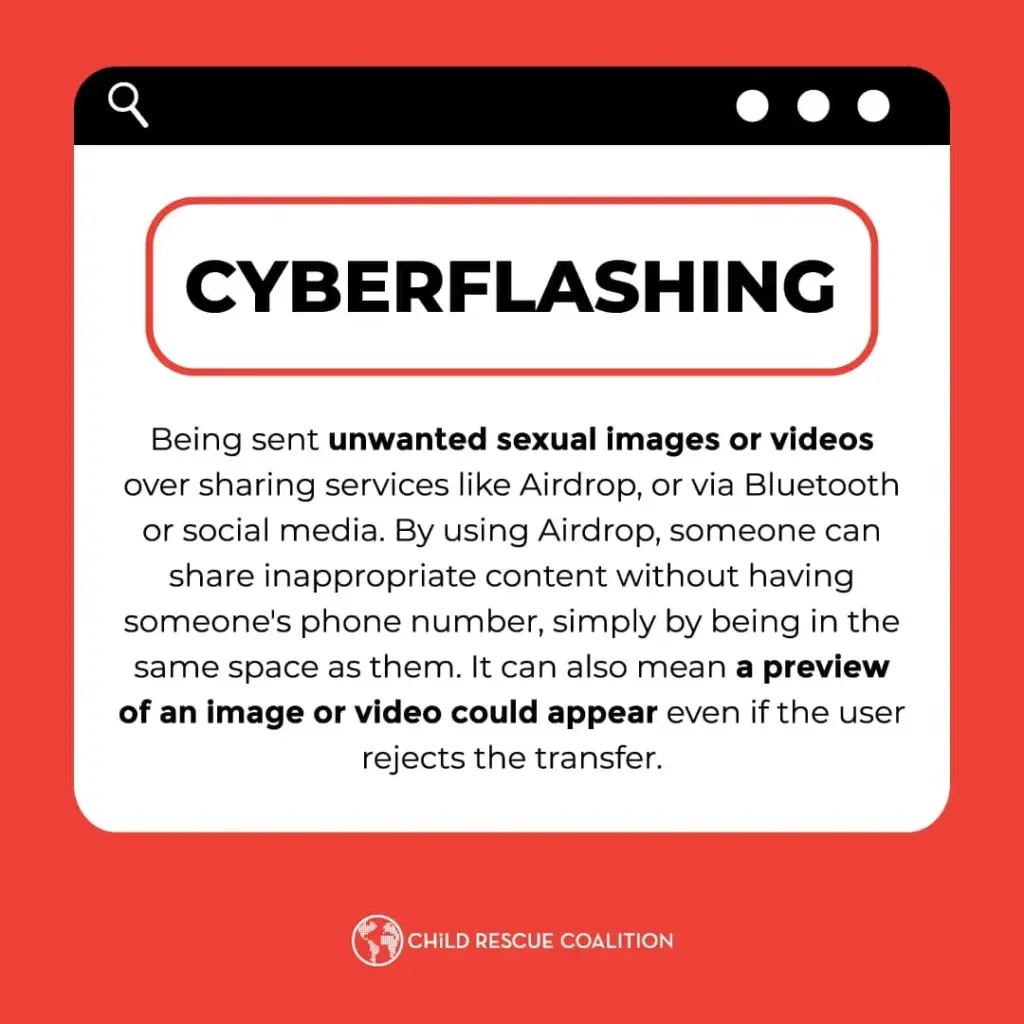
Cyberflashing has emerged as a disturbing trend involving the unsolicited sending of explicit images to individuals via digital platforms, greatly impacting victims of cyberflashing across the UK. This issue, which has gained significant attention with the introduction of the cyberflashing law under the Online Safety Act in January 2024, highlights the pressing need to combat online harassment. With research indicating that women are nearly three times more likely to experience such harassment than men, the effects of cyberflashing can be devastating, leading to emotional distress and violation of privacy. Many victims struggle with how to report cyberflashing, often left feeling vulnerable and unprotected by current legislative measures. Understanding the gravity of this issue is crucial, as it calls for awareness and change to ensure that everyone can navigate online spaces safely.
Online harassment, particularly in the form of unsolicited explicit messages, is a growing concern as technology advances and social interactions increasingly shift to digital platforms. This phenomenon, sometimes referred to as digital sexual harassment or unsolicited sexting, poses serious risks to individuals’ emotional and psychological well-being. The distressing nature of such incidents can leave victims feeling violated and powerless, particularly when they are unsure of how to report such offenses. With the recent enactment of laws aimed at addressing cyberflashing, there is also a renewed focus on educating the public about the implications and legal ramifications of such behavior. As society grapples with these challenges, it becomes imperative to foster an environment where respect and consent are prioritized in both online and offline interactions.
Understanding Cyberflashing: Legal Perspectives and Victim Experiences
Cyberflashing is a form of online harassment that involves sending unsolicited explicit images to victims via digital platforms. In the UK, this behavior became a specific offense under the Online Safety Act effective January 2024, allowing law enforcement to treat it more seriously than in the past. Traditionally, victims had to navigate through older laws addressing indecent or offensive messaging, which often didn’t fully encompass the rapid evolution of online communication. The shift in legal definition helps underscore the seriousness of this issue, particularly as a growing number of individuals, predominantly women, suffer in silence due to the stigma associated with reporting such offenses.
The impact of cyberflashing on victims can be profound, affecting not only their immediate emotional wellbeing but also their social and professional lives. Victims like Eliza Carthy have spoken out about the anxiety and sleeplessness caused by incessant messages from their harassers. Many victims report feeling isolated and powerless, as the offending behavior continues without adequate legal support. With increased awareness of cyberflashing and the legal ramifications surrounding it, there is a growing push for better responses from both authorities and online platforms to safeguard potential victims.
Frequently Asked Questions
What is cyberflashing and how does it relate to online harassment?
Cyberflashing refers to the act of sending unsolicited explicit images to someone via online platforms such as social media or messaging apps. It is a form of online harassment that can have serious emotional and psychological effects on the victims. Under the Online Safety Act, cyberflashing has become a specific legal offense in the UK, aimed at addressing this invasive behavior.
How can victims of cyberflashing report the incident?
Victims of cyberflashing can report incidents to their local police as well as through online platforms where the harassment occurred. It is advisable to gather evidence such as screenshots of the messages and then file a formal report, detailing the harassment experienced. Increasing awareness on how to report cyberflashing is crucial for better support and potential prosecution of offenders.
What are the effects of cyberflashing on victims?
The effects of cyberflashing on victims can be profound, leading to feelings of violation, anxiety, and emotional distress. Victims often report negative impacts on their mental health, relationships, and professional lives. The continuous bombardment from cyberflashers can disrupt sleep and create a sense of fear, especially when the harassment is persistent.
What do I need to know about the cyberflashing law in the UK?
The cyberflashing law in the UK was established under the Online Safety Act that came into effect in January 2024. This law makes it illegal to send unsolicited explicit images with the intent to cause alarm or distress. Offenders can face legal repercussions, including criminal charges, which underline the seriousness with which cyberflashing is treated under UK law.
Is there a support system for victims of cyberflashing?
Yes, there are various organizations in the UK that offer support for victims of cyberflashing and online harassment. These organizations provide resources, counseling, and legal assistance to help victims cope with their experiences and navigate the reporting processes. Increased awareness and access to these support systems are essential for empowering victims and fostering a sense of community.
| Key Point | Details |
|---|---|
| Victim Experiences | Victims like Eliza Carthy received unsolicited explicit images from Ben Gunnery, which led to distress and anxiety. |
| Nature of Offending | Gunnery engaged in repeated cyberflashing, sending hundreds of explicit messages and videos over social media. |
| Previous Convictions | Gunnery has been convicted multiple times for sending unsolicited explicit images, receiving suspended sentences. |
| Legal Context | Cyberflashing became an explicit offense under the Online Safety Act in January 2024. |
| Statistics | Research indicates women are almost three times more likely than men to experience cyberflashing. |
| Community Response | Victims and organizations are calling for greater awareness and action against cyberflashing. |
Summary
Cyberflashing is a serious issue that has been highlighted through the experiences of victims like Eliza Carthy and many others. It involves sending unsolicited explicit images and is acknowledged as a crime under the Online Safety Act since January 2024. The prevalence of cyberflashing indicates that a significant number of women face this violation, with studies showing that 23% of women have experienced it compared to just 8% of men. The community is increasingly aware of the need to combat this unacceptable behavior and ensure that all individuals can enjoy safety and privacy in their online interactions.