
Listen to this article
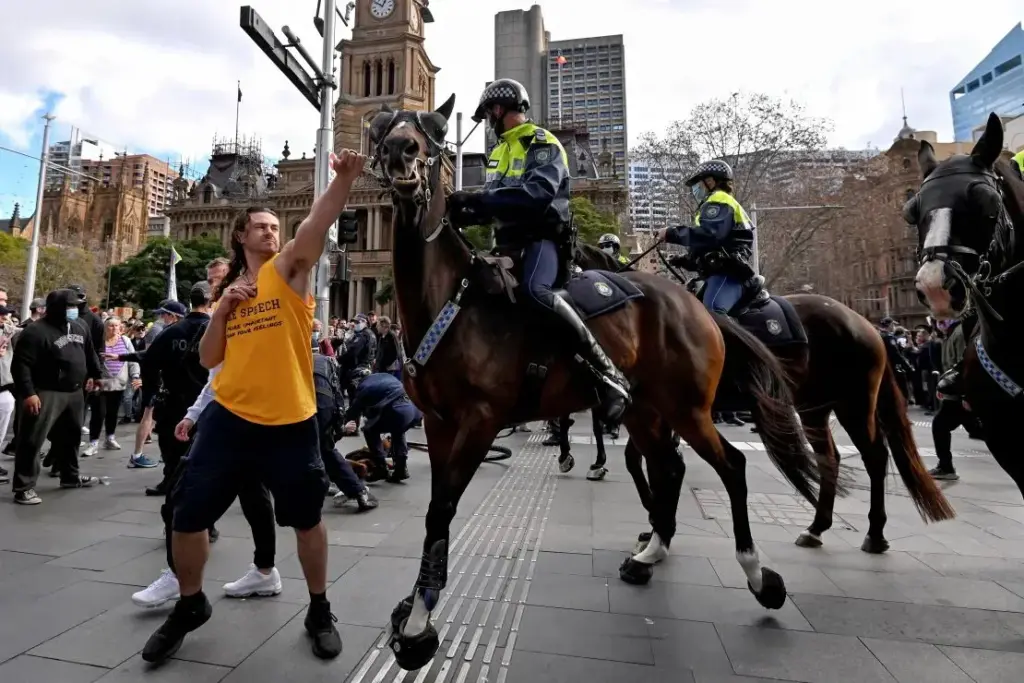
The recent Sydney police protest ignited a firestorm of public debate as tensions escalated during a demonstration against the visit of Israeli President Isaac Herzog. What began as a gathering of pro-Palestinian supporters quickly devolved into chaos, with violent clashes reported between protesters and police, raising questions about the NSW police response controversy. Footage from the event revealed shocking scenes of officers charging and striking demonstrators, prompting various opinions on the force’s actions. Amidst the backdrop of Israel president visit protests, concerns about violence during protests continue to loom large, especially in light of previous incidents. As discussions unfold, the implications of the Sydney protest for public assembly rights and police accountability remain critically relevant.
In the heart of Sydney, a dramatic protest ensued surrounding the arrival of Israeli President Isaac Herzog, echoing similar demonstrations seen globally. Known as a pro-Palestinian rally, the event aimed to voice opposition against governmental decisions perceived as unjust. Amid rising tensions, a confrontation between demonstrators and law enforcement raised significant alarms, sparking discourse on the delicate nature of public protests and the responsibilities of police forces. This clash showcased the challenges that arise when diverse political views collide, highlighting the need for respectful discourse in such charged environments. As community members reflect on the aftermath, calls for accountability and dialogue become increasingly pronounced.
Sydney Police Protest: Clashes Emerge During Rally
The recent Sydney police protest has sparked significant controversy following intense clashes between law enforcement and demonstrators. Amidst heightened tensions during a rally against Israeli President Isaac Herzog’s visit, footage circulated showing police engaging aggressively with activists. The nature of this confrontation raises critical questions about the police’s approach, especially given that 27 people were arrested, and several were injured, including members of the protest organization. This incident, underlined by the historical context of pro-Palestinian demonstrations in Sydney, emphasizes the growing unrest surrounding these international issues.
Local response to the police actions has been mixed, with NSW Police Commissioner Mal Lanyon defending the officers’ conduct as appropriate under the circumstances. Yet, protesters and outside observers have questioned whether police applied excessive force against individuals exercising their right to assemble. The clashes have amplified discussions regarding the balance between maintaining public order and respecting democratic rights to protest, especially in light of recent events and controversial government decisions.
Israel President Visit Protests Fueling Discontent
Organized opposition to Israeli President Isaac Herzog’s visit has drawn attention to the ongoing Palestinian struggle, with protests reflecting increasingly polarized sentiments in Australia. Many demonstrators view Herzog’s presence as a blatant disregard for the humanitarian concerns facing Palestinians, particularly after recent escalations of violence. The backlash against the visit highlights a critical intersection of international politics and local activism, showcasing how global events resonate within the Australian public and fuel grassroots movements motivated by social justice.
The protests served as a platform for voicing collective anger and frustration, emphasizing the significance of compassion and human rights advocacy. The passionate speeches and displays of solidarity underscore a larger narrative about the plight of Palestinians, as protesters strive to amplify voices that have often been sidelined in discussions surrounding geopolitical conflicts. Such gatherings symbolize unity among diverse communities coming together to stand against perceived injustices.
Controversy Over NSW Police Response
In the fallout from the Sydney police protest, considerable discourse has emerged regarding the NSW Police’s response to the demonstration. Critics have lambasted the police for employing what they describe as difficult-to-justify measures to manage crowds, especially in scenarios where their actions appeared disproportionately aggressive. NSW Premier Chris Minns acknowledged the police’s challenge in controlling the situation but urged the public to consider the broader context of the clashes. This dichotomy between authority and civil liberties raises essential questions about law enforcement in public spaces.
The narratives surrounding police conduct during these demonstrations are critical, as various lawmakers call for thorough investigations into the incidents. With reports of police using pepper spray and physical force, concerns about escalated violence and potential misconduct have become focal points of debate. The protests and subsequent controversies reflect a pressing need for accountability and transparency in law enforcement tactics during public demonstrations, particularly involving sensitive political issues.
Pro-Palestinian Demonstration Sydney: Voices of Dissent
The latest pro-Palestinian demonstration in Sydney marks a significant moment of mobilization within the community, as various groups unify to express dissent against policies perceived as oppressive. Activists vocalized their messages against the Israeli government’s actions, framing the protests as an essential medium to promote awareness and encourage dialogue. This ongoing series of gatherings signifies not merely a reaction to current events but also an enduring commitment to advocating for Palestinian rights on Australian soil.
Participants ranged from concerned citizens to notable activists, all committed to raising awareness about the human cost of conflict. Among them were individuals who have experienced the hardships of war and violence firsthand, adding profound authenticity to the movement. This multifaceted representation plays a crucial role in broadening the protest’s impact, as it aligns with similar global movements advocating for justice and equality in the face of adversity.
Violence During Protests: A Growing Concern
The violence that erupted during the Sydney police protest raises pressing concerns about the potential for future clashes at demonstrations. Escalating tensions, fueled by strong emotions surrounding international conflicts, have increasingly manifested within public spaces. Activists and observers alike question whether such confrontations are inevitable in a polarized political climate, as both sides raise alarms about safety, freedom of expression, and the right to peaceful assembly.
With the backdrop of violence at local protests, there is an urgent need for dialogue and proactive measures to foster peace and understanding among divergent groups. Addressing the root causes behind these protests can help mitigate future incidents, ensuring that public demonstrations remain a viable avenue for civil discourse rather than devolving into chaos. Building bridges between authorities and activists is crucial in navigating these complex issues, as both sides strive to find a way forward.
Legal Battle Over Protest Rights
The legal battle faced by the organizers of the Sydney protest highlights the intricate relationship between government rights and civil liberties. Following a court ruling that upheld police powers restricting protest activities during Herzog’s visit, demonstrators expressed disappointment over their curtailed right to assembly. This legal landscape paints a complex picture, where organizers find themselves navigating a challenging environment, advocating for their voices amidst restrictive regulations.
The implications of such legal rulings merit careful consideration, particularly when examining the right to protest in a democratic society. The ongoing dialogue around these limitations is crucial for enhancing public understanding of legal boundaries and fostering greater engagement in civic affairs. As the community grapples with these developments, there could be profound impacts on future protests and advocacy efforts related to significant social issues.
Public Debate on Law Enforcement Conduct
The public debate surrounding law enforcement conduct during the Sydney police protest highlights a critical area of examination within Australian society. Observers and activists alike have pointed to the perceived disproportionate use of force by police, sparking conversations about accountability and the ethical parameters surrounding crowd control tactics. This discourse arises from a larger context in which communities are increasingly scrutinizing law enforcement actions, particularly in scenarios involving vulnerable populations.
Collectively, these discussions underscore the need for reform within policing strategies, especially in the context of protests that address sensitive geopolitical issues. The voices of those affected, including injured protesters and witnesses, call for deeper reform and accountability mechanisms to prevent future incidents. As communities strive for justice and transparency, the conversations sparked by the recent protests shape the way forward for both law enforcement and civil society.
International Context of the Protests
The Sydney protests cannot be viewed in isolation; they represent a microcosm of broader international sentiments regarding Israel-Palestine relations. Activism in Sydney reflects a growing global movement, as demonstrated through solidarity protests worldwide, each echoing similar calls for justice and recognition of rights. This international context heightens the importance of grassroots organizing and community engagement to create sustainable momentum addressing global concerns.
As Australian activists rally against perceived injustices, the unfolding events serve as a reminder of the interconnectedness of local and international issues. By aligning their struggles within a larger narrative, protesters in Sydney contribute to a global chorus advocating for peace and justice. This connection reinforces the notion that local protests resonate beyond borders, continuing to inspire and cement solidarity among those fighting for human rights everywhere.
Upcoming Protests and Continued Advocacy
Looking forward, the community’s resolve remains unshaken, as organizers plan future protests demanding accountability for police actions and voicing their stance on the Israeli-Palestinian conflict. This eagerness to continue advocating reflects a commitment to grassroots activism, emphasizing the significance of persistent engagement in civic duties. With renewed momentum, these upcoming protests could serve as pivotal moments for raising awareness, galvanizing support, and fostering dialogue surrounding pivotal issues.
The demonstrators’ persistence shines a spotlight on the importance of free speech, advocacy, and the right to protest in shaping public policy. As more individuals unite for this cause, it becomes evident that collective action can influence the trajectory of social and political discussions. Future protests will likely harness this energy, ensuring that critical voices are heard and that discussions about justice and rights remain central to the public’s consciousness.
Frequently Asked Questions
What were the key events during the Sydney police protest against the Israeli president’s visit?
The Sydney police protest erupted during a demonstration against Israeli President Isaac Herzog’s visit, leading to violent clashes between police and protesters. Video footage showed police physically engaging with demonstrators, resulting in 27 arrests and claims of police brutality. Protesters were frustrated by recent restrictions on their right to demonstrate.
What is the NSW police response controversy related to the Sydney protest?
The NSW police response controversy arises from public outcry over the use of force during the Sydney protest, where officers used physical means to control the crowd. Critics claim that the police were excessively aggressive, while law enforcement officials, including NSW Police Commissioner Mal Lanyon, stated that officers acted with ‘remarkable restraint’ given the circumstances.
How did pro-Palestinian demonstrators react to the police’s actions during the Sydney protest?
Pro-Palestinian demonstrators at the Sydney protest expressed outrage at the police’s use of force, describing the violence as excessive and unnecessary. Activists like Josh Lees highlighted that the confrontation depicted the worst police violence they had witnessed in years, fueling calls for an investigation into police actions.
What led to the violence during the Sydney protest against the Israel president’s visit?
The violence during the Sydney protest was sparked by police restrictions placed on the gathering, which limited protesters’ rights and led to confrontations. Just before the rally, the government enforced new ‘major event’ powers that allowed police to control demonstrations strictly, escalating tensions when protesters demanded to march.
What were the outcomes of the Sydney protest against the visit of the Israeli president?
Outcome of the Sydney protest included 27 arrests, injuries reported among protesters and police, and heightened tensions over police conduct. In the aftermath, calls grew for an investigation into police behavior, and another protest was scheduled to voice demands for dropped charges against demonstrators.
What groups participated in the Sydney police protest, and what messages were conveyed?
The Sydney police protest included pro-Palestinian groups and Jewish activists expressing solidarity and opposition to the Israeli government’s actions. Protesters conveyed messages against violence and genocide, criticizing the Israeli president’s visit and calling for Palestinian rights amid rising tensions.
How did the media portray the events of the Sydney protest involving police and demonstrators?
Media coverage of the Sydney protest portrayed a chaotic scene, emphasizing confrontations between police and protesters. Reports highlighted the use of pepper spray and physical force by police, as well as the emotional responses from demonstrators regarding the Israeli president’s visit amid ongoing conflict.
What were the legal implications regarding the Sydney protest’s police restrictions?
The legal implications of the police restrictions during the Sydney protest included a failed court challenge by organizers to lift the imposed limitations on their rights to gather and march. This resulted in demonstrators feeling unjustly treated and escalated the distress surrounding the police’s response to the protest.
| Key Points | Details |
|---|---|
| Police Defense | Officers claimed to show “remarkable restraint” during clashes. |
| Protester Injuries | 27 arrests occurred; 9 were charged, and 10 officers reported assaulted during the protest. |
| Israel President’s Visit | The protest was against the visit of Israeli President Isaac Herzog amid tensions following a violent attack on a Jewish festival. |
| Legal Challenges | Protest organizers lost their court case that challenged police’s limits on their demonstration rights shortly before the event began. |
| Public Reaction | Public outcry over police actions included condemnation from pro-Palestinian and Islamic groups. |
| Future Protests | Another protest is planned to demand the dropping of charges against those arrested and an investigation into police conduct. |
Summary
The Sydney police protest has raised critical issues regarding police conduct and civil rights during demonstrations. Following the violent clashes between police and protesters opposing the Israeli president’s visit, the actions of law enforcement have come under intense scrutiny. As the public calls for justice often overlap with political sentiments, the outcomes of this protest highlight the complex nature of free speech and policing in Australia.

