
Listen to this article
Food fraud is an alarming issue that poses significant risks to the integrity of our food supply and consumer health. It encompasses various deceptive practices, including honey fraud, where counterfeit products masquerade as genuine honey. As the global economy loses an estimated £81 billion annually due to food crime, understanding how to ensure food safety and authenticity becomes paramount. The prevalence of such fraud not only undermines the trust consumers place in food products but also threatens the livelihoods of honest producers. Detecting food fraud is crucial, as it can lead to more serious health risks associated with the presence of allergens and toxic substances, heightening the urgency for effective strategies to combat food crimes.
The issue of food authenticity is gaining attention as more consumers become aware of the risks associated with compromised products. Known informally as food crime, it includes a spectrum of fraudulent activities designed to mislead buyers, often by substituting or adulterating quality ingredients. From fake honey to misrepresented organic products, these practices not only deceive customers but can also pose unforeseen health hazards. As the demand for transparency in the food industry rises, techniques for detecting food fraud are evolving to better safeguard public health and ensure the integrity of what we eat. Addressing these challenges requires innovative solutions that adapt to the complexities of today’s global food supply.
Understanding Food Fraud: Definition and Impact
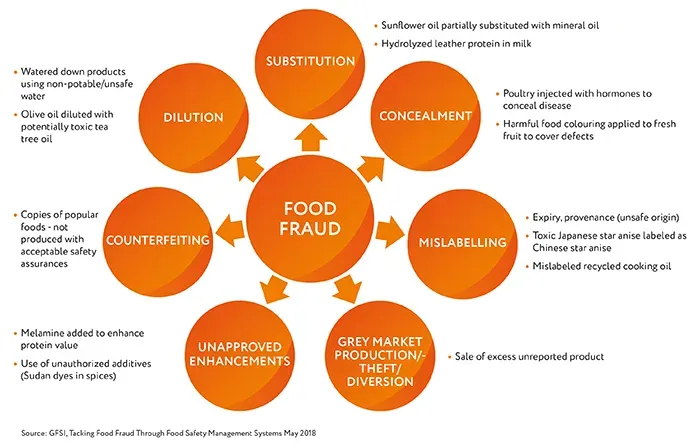
Food fraud encompasses various deceptive practices where the ingredients or processes of food production are manipulated to mislead consumers. This can include diluting products, mislabeling their origin, or substituting cheaper ingredients without proper disclosure. The consequences of food fraud are staggering, affecting both public health and food safety, while also inflicting substantial economic losses — estimates suggest around £81 billion ($110 billion) annually on a global scale. The intricate web of food crime often goes unnoticed, with many instances going unreported, which hides the true extent of the problem.
With the rise of organized food crime, more people need to understand its implications. For instance, food authenticity is increasingly called into question as sophisticated techniques enable the production of fakes that match the look and taste of legitimate products. Consumers might unknowingly purchase altered or counterfeit foods, potentially exposing themselves to allergens or harmful substances. As food safety experts work to combat this, public awareness remains integral to recognizing and preventing fraud.
The Complexity of Detecting Food Fraud
Detecting food fraud is a multifaceted challenge primarily due to the complexity of food products. Take honey, for instance; it is often mixed with cheaper sugars and marketed deceptively. While several lab techniques can identify counterfeit honey, none provide definitive proof of authenticity. Scientists like Dr. Juraj Majtán are working hard to develop more reliable testing methods, acknowledging that the authenticity of honey can be obscured by the diverse sources and the absence of a universally accepted definition.
The difficulty in identifying fraudulent foods relates not only to the products but also to the methods of testing. While advancements are being made with technologies such as isotopic analysis and DNA profiling, the rapid evolution of food fraud tactics outpaces these solutions. Therefore, food producers and regulators must stay vigilant and continuously adapt to ensure public health safety.
The Role of Technology in Combating Food Fraud
Advancements in technology have the potential to revolutionize the fight against food fraud. Innovations like blockchain and QR codes promise enhanced traceability in food supply chains, allowing consumers to understand the origins of their food more transparently. However, it is critical to recognize that technology alone cannot solve the problem; fraudulent labeling and counterfeit systems can easily undermine these efforts. The challenge lies in making existing technologies accessible and effective within the diverse manufacturing environments of food products.
Emerging technologies like X-ray fluorescence analyzers and handheld DNA kits show promise for rapid on-site testing of foods. These tools are essential in maintaining food safety but are often under-utilized due to cost or lack of awareness among consumers and industry players. Unlocking the full potential of these technologies requires robust public health systems and regulatory frameworks willing to invest in the monitoring necessary to safeguard food integrity.
The Economic Consequences of Food Fraud
Food fraud carries significant economic implications that extend beyond immediate financial loss. With estimates suggesting global losses of around £81 billion annually, the impact of food crimes reverberates throughout the supply chain, affecting producers, retailers, and consumers alike. The economic burden includes costs associated with testing, recalls, and loss of consumer trust, which can be difficult to quantify but are undeniably substantial.
Additionally, food fraud can undermine local economies that rely on trustworthy sourcing. For producers, particularly small farmers and local beekeepers, competition from cheaper, fraudulent alternatives can threaten their livelihoods. Encouraging consumers to support local producers not only helps combat fraud but also fosters a more resilient food economy that prioritizes safety and authenticity over cost-cutting measures.
Honey: A Prime Target for Food Fraud
Honey is one of the most frequently targeted products in food fraud cases due to its high market value and overwhelming consumer demand. With cheaper syrups readily available, many sellers can profit from passing off adulterated products as pure honey. The subtle differences between genuine honey and fraudulently enhanced versions make it challenging for consumers to navigate this complicated landscape.
Efforts to ensure honey authenticity involve testing methods that can analyze the chemical composition and source of the product. However, as Dr. Majtán points out, no single test can definitively diagnose fake honey. Therefore, it is crucial for consumers to be aware and purchase honey from trustworthy sources, such as local beekeepers, to reduce the likelihood of falling victim to fraud.
The Importance of Food Safety Regulations
Food safety regulations play a critical role in combating food fraud by establishing guidelines that aim to protect consumers. Regulatory bodies are tasked with monitoring food production and implementing standards to ensure product integrity. Nevertheless, the effectiveness of these regulations often hinges on adequate funding and resources – many agencies are under-resourced, leading to gaps in surveillance and enforcement that allow food fraud to flourish.
Strengthening food safety regulations and ensuring they evolve with changing trends in food fraud is paramount. For example, the rise of insects as a food source presents new challenges where fraudsters could mislabel prohibited species, posing allergic reactions in unsuspecting consumers. Therefore, ongoing collaboration between regulatory agencies, producers, and consumers is needed to construct a robust framework to uphold food safety.
Consumer Awareness: The First Line of Defense
Consumer awareness is a vital component in the fight against food fraud. By educating themselves about food authenticity and how to recognize red flags, consumers can significantly mitigate the risk of purchasing counterfeited products. Simple guidelines, such as avoiding bargains that appear too good to be true, can help individuals discern the quality of the food they buy.
Furthermore, consumers should be encouraged to research brands and look for products that prioritize transparency and ethical sourcing practices. Supporting local producers, asking questions about sourcing, and choosing items with clear labeling can empower consumers and create market pressure on fraudulent practices, making it more difficult for food fraud to thrive.
Global Challenges in Food Fraud Detection
Food fraud does not respect borders, creating a global challenge that complicates detection efforts. Different countries have varying regulations and enforcement mechanisms, making it easier for fraudsters to exploit loopholes. For example, importing foods from regions with weaker standards poses a risk as tainted or altered products may slip through regulatory cracks, undermining food safety globally.
International collaboration between countries to harmonize food safety standards is critical to address the growing complexities of food fraud. Such initiatives can foster the sharing of information and best practices, making it easier to track fraudulent food through the supply chain and uphold global food authenticity.
Food Authenticity: The Consumer’s Right
Food authenticity is not only a matter of quality but also a consumer right. Increasingly, consumers are demanding transparency regarding the ingredients and origins of their food, and they expect brand accountability. This push for greater authenticity is reshaping food markets, encouraging businesses to adopt more transparent practices, which may aid in combating food fraud.
As consumer expectations evolve, being authentic becomes a key differentiator for brands. The focus on food authenticity creates an environment where martial factors like ‘being pesticide-free’ or ‘sustainably sourced’ carry visible weight, providing an additional incentive for businesses to invest in maintaining product integrity and combat fraudulent practices.
Frequently Asked Questions
What is food fraud and why is it a growing concern?
Food fraud refers to the illicit practice of misrepresenting food products for economic gain. This can include substituting ingredients, altering documentation, or employing unapproved processes. Food fraud remains a significant issue due to inadequate reporting, evolving techniques used by fraudsters, and the difficulties in detecting food authenticity.
How does honey fraud impact consumers and beekeepers?
Honey fraud, where fake honey is sold as genuine, undermines the livelihoods of beekeepers and poses health risks to consumers due to the potential presence of allergens and harmful substances. It is often difficult to detect, leading to broader implications for food safety.
What are the common methods for detecting food fraud?
Detecting food fraud involves various methods, such as chemical analysis of ingredients, isotope testing to determine origin, and advanced technologies like DNA profiling. However, no single method can definitively confirm food authenticity, highlighting the need for improvement in testing methods.
What role do regulators play in preventing food fraud?
Regulators are crucial for ensuring food safety and authenticity. Effective surveillance and enforcement are needed to identify fraudulent products. However, under-resourcing can hinder these efforts, leaving gaps for food crimes, including honey fraud, to thrive.
How does food fraud affect the global economy?
Food fraud costs the global economy an estimated £81bn ($110bn) annually. This includes losses from misrepresented products, undermining consumer trust, and threatening food safety, leading to broader economic implications for the food industry.
What are the health risks associated with food fraud?
Food fraud can expose consumers to severe health risks, including potential allergens or toxic ingredients, as seen in incidents involving contaminated products like melamine-tainted formula. The absence of authentic food can result in harmful health consequences.
What can consumers do to avoid food fraud, particularly with honey products?
To avoid honey fraud, consumers should purchase honey directly from local beekeepers and be cautious of prices that seem too good to be true. Familiarizing themselves with trusted brands and verifying product labels can also help ensure food authenticity.
Why is the detection of food fraud challenging in the modern food industry?
Detecting food fraud is challenging due to the complexity of food products, the sophistication of fraudulent methods, and the limitations of current testing technologies. While innovations exist, they often fall short of providing comprehensive solutions in a diverse and expansive food supply chain.
How does food crime intersect with evolving food trends and social media?
Food crime increasingly intersects with food trends and social media, as popular ‘superfoods’ quickly gain traction and may be subject to false claims or misrepresentation. This rapid spread complicates efforts to ensure food authenticity and safety.
What are the emerging technologies in combating food fraud?
Emerging technologies like portable testing kits, machine learning for data analysis, and advanced imaging techniques are helping to combat food fraud. These innovations aim to enhance food safety and provide timely information to regulators and consumers.
| Key Points |
|---|
| Food fraud, including the dilution and substitution of ingredients, costs the global economy approximately £81bn ($110bn) each year. |
| Common targets for food fraud include dairy, olive oil, honey, and seafood. |
| Fake honey is hard to distinguish from genuine honey due to its complex composition and lack of an internationally recognized standard. |
| Existing methods for detecting honey fraud are varied but none are entirely reliable. |
| Food fraud poses significant risks to human health, especially through allergens or toxic substances, as highlighted by cases like the melamine scandal. |
| Regulation and the efficiency of public health systems are crucial in detecting and preventing food fraud. |
| New technologies like thermal imaging and DNA profiling are emerging, but testing remains expensive and logistically challenging. |
| Consumer awareness and purchasing from local sources can mitigate the risk of food fraud. |
Summary
Food fraud remains a significant concern in the food industry, affecting both economic stability and public health. Despite advancements in technology, the challenges of effectively identifying and preventing food fraud persist. As consumers remain vigilant, choosing products from known sources and recognizing red flags like unusually low prices can substantially contribute to combating this issue. Awareness of food fraud’s impact is crucial for ensuring food safety and protecting consumers.

