
Listen to this article
The Bangladesh clothing industry has emerged as a vital pillar of the nation’s economy, establishing itself as the second-largest clothing exporter globally, just behind China. With over 80% of the country’s export revenue generated from this sector, recent developments regarding Bangladesh tariffs and a new US Bangladesh trade agreement are pivotal. The deal aims to lower US tariffs on Bangladeshi apparel, making clothing exports from Bangladesh even more competitive in international markets. By facilitating trade and reducing barriers, this agreement promises unprecedented access for both American goods in Bangladesh and Bangladeshi clothing in the US. As Bangladesh continues to flourish, the dynamics of US textile imports and favorable trade relations will undoubtedly shape the future of its clothing industry.
The textile and apparel sector in Bangladesh plays a crucial role in the country’s economic landscape, being a leading provider of jobs and export income. As the nation stands at the forefront of global garment production, new strategic partnerships, including adjustments in trade agreements with the United States, highlight its significance. By benefiting from decreased tariffs and enhanced market access, Bangladesh is poised to expand its clothing exports while simultaneously attracting a wealth of American products, including industrial and agricultural goods. This mutual exchange not only bolsters Bangladesh’s export revenue but also strengthens labor rights and environmental standards, which are increasingly prioritized in modern trade discussions. The continued success of this industry reflects the growing interconnectedness of global trade and the importance of strategic international relations.
The Impact of the US-Bangladesh Trade Agreement on the Clothing Industry
The recently announced US-Bangladesh trade agreement marks a significant shift in the dynamics of the clothing industry, particularly benefiting Bangladesh’s apparel sector. With the reduction of tariffs from 20% to 19%, this move fosters a more competitive environment for Bangladesh’s clothing exports, which already make up over 80% of their total export revenue. The agreement not only enhances the marketability of Bangladeshi goods in the US but also exemplifies a strategic partnership that could lead to an increase in clothing exports, contributing positively to Bangladesh’s economic growth.
Moreover, this agreement allows specified Bangladeshi clothing and textiles to enter the US market tariff-free, particularly those made from American cotton and synthetic materials. This provision is expected to boost demand for Bangladeshi products, providing vital jobs for the millions employed in the apparel industry. The ongoing negotiations have highlighted Bangladesh’s dependence on global trade, particularly in expanding its textile manufacturing capabilities to meet international standards, thus further solidifying its position in the global clothing market.
Navigating Tariffs and Trade in Bangladesh’s Export Economy
Bangladesh stands to benefit substantially from the recent bilateral agreement with the United States, as the reduction of tariffs aligns with its goals to enhance clothing exports. Historically, the tariffs imposed by the US have placed Bangladeshi products at a disadvantage against competitors like India. The trade agreement invites a new phase where Bangladesh can potentially increase its share in the US textile import market, mitigated by favorable tariffs that contribute to a healthier export economy.
In light of the reduced tariffs, it’s essential for Bangladeshi manufacturers to optimize their production strategies and ensure compliance with US safety standards to fully leverage this opportunity. The continued engagement with the US indicates a shift towards improving trade relations, potentially leading to greater economic growth and stability in Bangladesh’s export revenue. Additionally, as the country begins to adhere to labor rights and environmental regulations, this could yield long-term benefits by strengthening its trade reputation across global platforms.
Bangladesh is recognizing how crucial the US-Bangladesh trade agreement is for re-establishing its footing in the global market. With a commitment to follow international standards, many anticipate that this could lead to further negotiations that expand access to the US market, increasing export revenue from textiles significantly.
Bangladesh’s Competitive Position in the Global Clothing Market
As the world’s second-largest exporter of clothing, Bangladesh’s competitive advantage comes from its ability to produce high-quality apparel at lower costs. The recent trade agreement with the US solidifies its position against competitors like India, and it has become apparent that with the new tariff reductions, Bangladesh aims to capture a larger share of the clothing export market. By leveraging advantages such as lower labor costs and now favorable tariffs, Bangladesh is set to refine its strategies to increase how much clothing it exports globally.
Also, knowing that the US is a vital market for Bangladeshi clothing, the increased tariff exemption on selected products will likely catalyze growth in specific sectors, particularly those that utilize American materials. This strategic maneuver enables Bangladesh to enhance its textile manufacturing and export capabilities while navigating the competitive landscape against global players. As sustainability and quality take precedence in fashion, Bangladesh’s commitment to improving labor rights and environmental protections will not only fulfill trade obligations but could also elevate its brand value in international markets.
The Role of Compliance with US Standards in Boosting Exports
Another critical component of the recent trade agreement is Bangladesh’s commitment to comply with American food and drug safety standards alongside vehicle emissions regulations. This compliance is necessary for opening up the Bangladeshi market to a broader range of American goods, and it also has significant implications for its clothing export sector. As factories in Bangladesh adapt to these regulations, the resulting improvements in quality and safety will likely enhance its reputation as a reliable supplier in the global clothing market.
In the long run, adhering to international standards becomes a cornerstone in sourcing materials and exporting textile products to consolidated markets. Therefore, factories will need to invest in new technologies and training to meet the stringent requirements set by the US. Such improvements could increase the overall efficiency of production processes in Bangladesh’s clothing industry, allowing manufacturers to deliver competitive prices and quality, ultimately fostering stronger trade relations.
Strengthening Economic Ties: Bangladesh and the United States
The political and economic ties between Bangladesh and the United States have been fortified through recent trade agreements. Both nations are set to benefit from this enhanced relationship, with Bangladesh gaining essential access to the US market for its clothing exports and the US benefitting from a wider range of goods entering Bangladesh. As part of the agreement, Bangladesh also promised to respect and enforce labor rights, which is a crucial consideration for American consumers increasingly concerned about ethical sourcing.
This strengthened economic partnership could pave the way for additional trade agreements, promoting economic stability in Bangladesh and ensuring consistent revenue streams from the US market. Additionally, both countries could see an increase in cultural exchange, leading to higher consumer awareness of Bangladeshi products and their quality, invariably boosting Bangladesh’s export revenue in the long term.
Future Prospects for Bangladesh’s Clothing Exports
Looking forward, the future of Bangladesh’s clothing exports appears promising, especially with the recent tariff agreement enhancing competitiveness against major exporting nations. The ongoing emphasis on compliance with international standards and regulations also suggests that the industry is on track to improve its overall efficiency and product quality. Experts predict that as Bangladesh continues to navigate its trade relations, the nation will likely diversify its export offerings beyond textiles, enhancing its economic resilience.
Moreover, Bangladesh’s clothing industry must continue to innovate and adapt to global market trends, including sustainability and ethical fashion. By investing in sustainable production methods and materials, Bangladeshi manufacturers can cater to growing consumer demand for environmentally friendly products. This shift not only aligns with international standards but can also open up new markets, ensuring Bangladesh remains a key player in the global clothing industry for years to come.
The Effect of Tariff Reductions on Employment in Bangladesh’s Apparel Sector
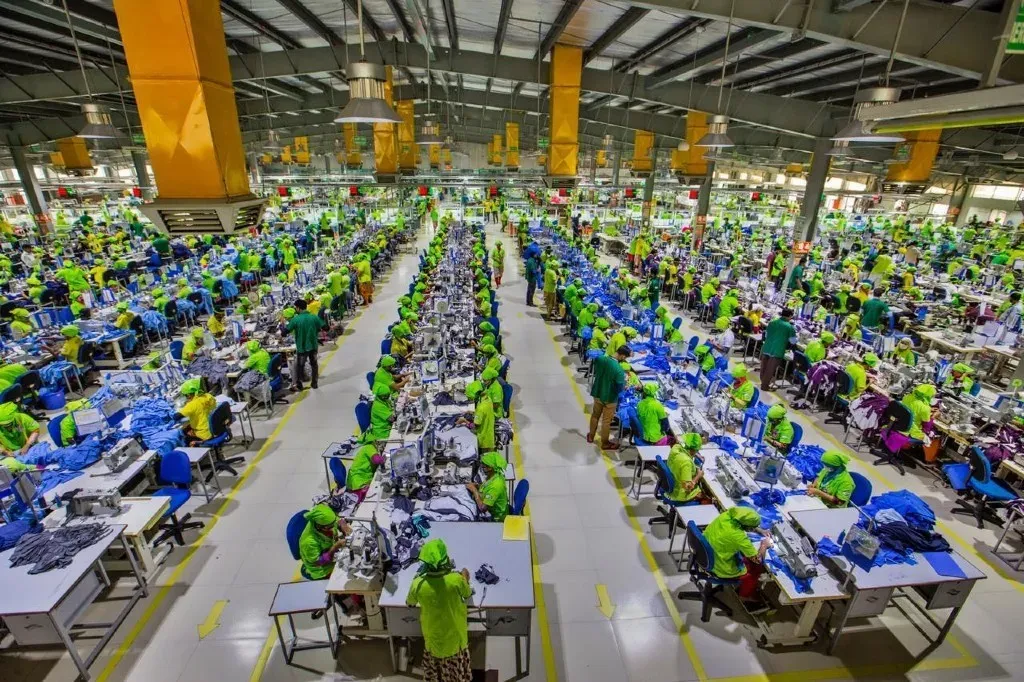
The recent reduction in tariffs, as part of the new agreement with the United States, will likely have a significant impact on employment within Bangladesh’s apparel sector. With enhanced access to the US market, manufacturers are expected to ramp up production to meet potential increases in demand for Bangladeshi clothing. This surge in production will create new job opportunities, which is crucial for a sector that employs around four million workers.
As apparel companies prepare to capitalize on the new tariff framework, it is also vital that they prioritize workers’ rights and adhere to safety standards. Ensuring fair labor practices and enhanced working conditions will not only contribute to a favorable business environment but will also attract more foreign investment into the country. The careful balance of capitalizing on export opportunities while adhering to ethical standards will define the future trajectory of employment growth in Bangladesh’s clothing sector.
Bangladesh’s Efforts to Ensure Sustainable Clothing Production
In response to both national and international pressures, Bangladesh is actively working to increase the sustainability of its clothing production. The recent trade agreement with the United States has opened up discussions around improving environmental standards in the sector. Manufacturers are beginning to implement sustainable practices, such as using eco-friendly materials, reducing waste, and investing in renewable energy sources. This commitment to sustainability not only enhances export opportunities but also aligns Bangladesh with contemporary global market demands.
Furthermore, as Bangladeshi apparel producers prioritize sustainable production practices, they position themselves as frontrunners in the global clothing industry, capitalizing on the increasing consumer preference for sustainable and ethically produced goods. This proactive approach to sustainability could allow Bangladesh to differentiate itself in competitive markets and ultimately improve the long-term viability of its clothing exports, ensuring continued growth and success.
Leveraging Bilateral Trade Agreements for Economic Growth
Bilateral trade agreements, such as the recent one between the United States and Bangladesh, are crucial for economic growth, especially for developing nations. The agreement not only aims to reduce tariffs but also fosters collaboration between businesses in both countries. As trade expands, businesses in Bangladesh can better leverage their competitive advantages in the clothing sector, ultimately increasing export revenue and bolstering the economy.
Engaging in bilateral agreements can also create opportunities for joint ventures, technology transfers, and knowledge-sharing between countries. As Bangladesh seeks to enhance its production capabilities and product quality, these agreements provide a platform for innovation and investment. Harnessing the collective strengths of these partnerships can help ensure sustainable economic growth for Bangladesh in an increasingly interconnected global marketplace.
Frequently Asked Questions
What impact will the new US-Bangladesh trade agreement have on the Bangladesh clothing industry?
The new US-Bangladesh trade agreement aims to strengthen economic ties between the two nations by reducing US tariffs on Bangladesh exports, specifically clothing and textiles. With the decrease from 20% to 19%, the Bangladesh clothing industry is likely to see an increase in its export revenues, enhancing its competitiveness in the global market.
How do Bangladesh tariffs affect the clothing exports from Bangladesh?
Bangladesh tariffs play a significant role in shaping the clothing exports from Bangladesh. The recent reduction of tariffs by the US will make Bangladeshi clothing more affordable in the US market, potentially increasing export volumes and overall revenue for the Bangladesh clothing industry.
What are the key products identified in the US-Bangladesh trade agreement for clothing exports?
The trade agreement specifies that certain clothing and textile products from Bangladesh, particularly those made with American cotton and synthetic textiles, can enter the US tariff-free. This initiative is designed to boost the Bangladesh clothing industry while promoting bilateral trade.
How significant is the clothing sector to Bangladesh’s export revenue?
The clothing sector is crucial to Bangladesh’s economy, constituting over 80% of the country’s total export revenue. As the world’s second-largest clothing exporter, the Bangladesh clothing industry is a vital source of employment and economic development.
What can we expect in terms of Bangladesh’s export revenue following the tariff reductions?
With the recent tariff reductions enjoyed by the Bangladesh clothing industry, we can expect a positive impact on Bangladesh’s export revenue. By making Bangladeshi products more competitive in the US market, the agreement is likely to enhance sales and overall economic growth.
How might the US textile imports from Bangladesh change after the trade deal?
Following the trade agreement, US textile imports from Bangladesh may increase significantly. The reduction in tariffs will create more incentives for American buyers to source clothing from Bangladesh, thus elevating the volume of imports and benefiting the Bangladesh clothing industry.
What role does the US-Bangladesh trade agreement play in improving labor rights in the Bangladesh clothing industry?
As part of the trade agreement, Bangladesh has committed to respecting internationally recognized labor rights. This acknowledgment is expected to lead to improvements in labor practices within the Bangladesh clothing industry, thereby enhancing worker welfare and safety.
What are the strategic benefits of the US reducing tariffs on Bangladesh clothing exports?
The strategic benefits include enhanced economic cooperation, increased access for Bangladeshi clothing in the US market, and improved competitiveness against other countries. By reducing tariffs, the goal is to bolster the Bangladesh clothing industry, which is critical for the country’s economic development.
How does the US-Bangladesh trade agreement compare to other trade agreements in the region?
The US-Bangladesh trade agreement, with its tariff reductions, positions Bangladesh favorably compared to competitors like India, which faces an 18% tariff rate. This competitive edge could further solidify Bangladesh’s status as a leading clothing exporter in the global market.
| Key Points |
|---|
| Bangladesh secures exemptions for clothing and textiles using US materials. |
| US reduces tariffs on Bangladesh from 20% to 19% in exchange for market access. |
| Bangladesh is the world’s second-largest clothing exporter, following China. |
| The agreement will strengthen ties and provide unprecedented market access. |
| US specifies tariff-free products from Bangladesh – those made with US cotton. |
| Clothing sector accounts for over 80% of Bangladesh’s export revenue, employing 4 million. |
| Bangladesh agrees to enhance labor rights and environmental protections. |
| Agreement aims to facilitate US goods entry, while Bangladesh commits to US standards. |
| Bangladesh faces competition from India, which has a current 18% tariff from the US. |
| General elections are set in Bangladesh amid political changes and unrest since 2024. |
Summary
The Bangladesh clothing industry is poised for growth following a new US agreement that reduces tariffs and opens market access. This favorable arrangement not only strengthens economic ties between the two countries but also reinforces Bangladesh’s position as a leading player in the global clothing market. With clothing constituting a significant percentage of its export revenue and a large workforce depending on it, the Bangladesh clothing industry is expected to thrive as it navigates this new phase of trade dynamics.

