
Listen to this article
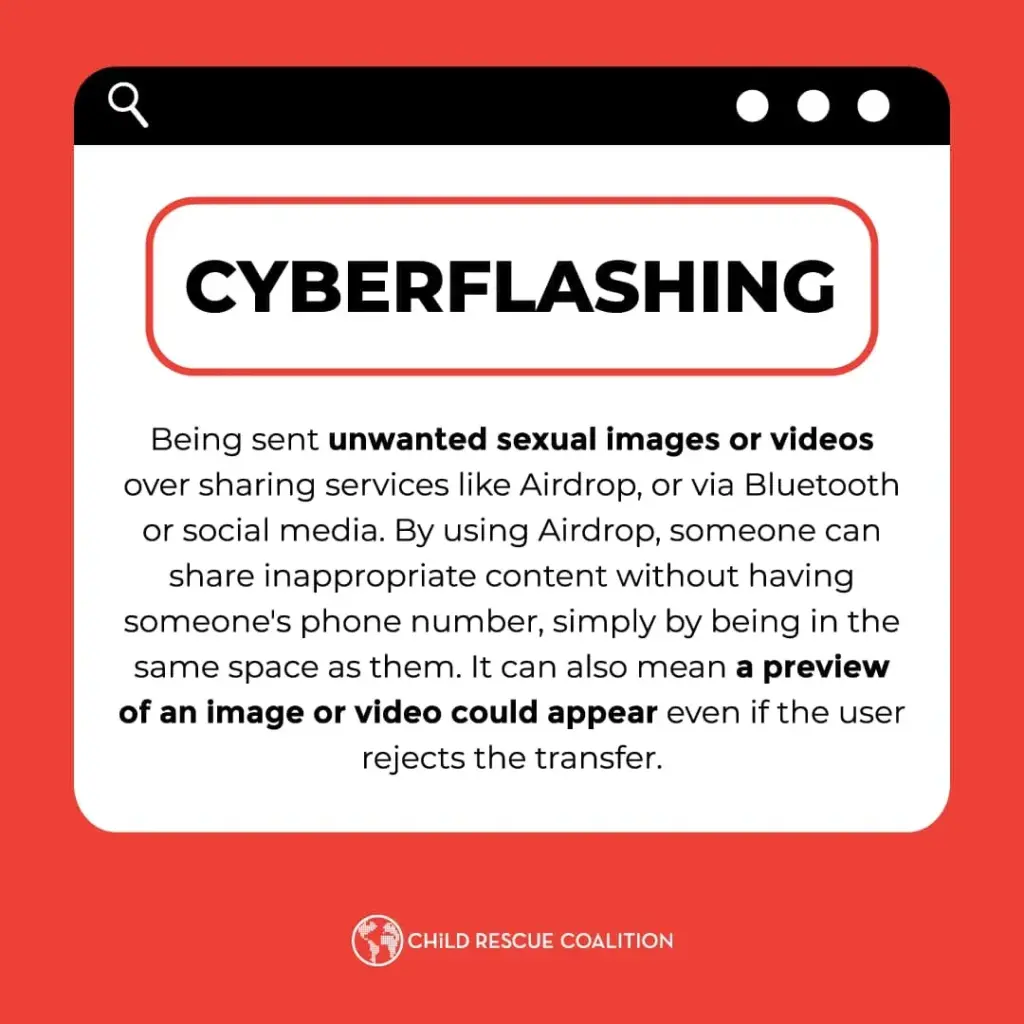
Cyberflashing, a form of digital abuse that involves sending unsolicited explicit images to victims, has emerged as a concerning issue in today’s online landscape. Recently highlighted in a case involving a violinist who persistently engaged in this behavior, the incidents illustrate a form of online harassment that can have severe emotional repercussions for victims. Many women report feeling violated and traumatized after receiving such unsolicited images, leading to detrimental impacts on their mental health. This disturbing trend links closely to broader themes of sexual assault and the urgent need for effective measures against digital harassment. As cyberflashing becomes increasingly prevalent, it demands greater attention to protect vulnerable individuals and foster safer online environments.
The occurrence of unsolicited explicit content through digital means, often categorized under terms like digital harassment and online sexual exposure, has notably escalated. Victims of this alarming trend frequently encounter distressing images transmitted through various digital platforms, leaving them feeling vulnerable and humiliated. With a rise in reports of digital abuse, it is essential to understand the implications of such actions on personal safety and mental well-being. This growing concern highlights the need for awareness around unsolicited sharing practices and calls for robust legal safeguards. Addressing these issues is critical to reinforce the rights and dignity of those affected by such invasive experiences.
The Impact of Cyberflashing on Victims
Cyberflashing is an alarming form of online harassment where individuals receive unsolicited explicit images, often resulting in severe psychological trauma. Victims, particularly women, find themselves questioning their safety in both digital and physical spaces. This invasive experience can lead to anxiety, depression, and post-traumatic stress, significantly affecting their day-to-day lives. The recent case of Ben Gunnery has highlighted the emotional devastation borne by victims such as Anna Downes and Kate, who have bravely come forward to share their stories.
The psychological impact of cyberflashing is not limited to the immediate reaction to receiving unwanted explicit content; many victims experience long-lasting effects that disrupt their overall wellbeing. Women report feeling violated, embarrassed, and unsafe, which can lead to avoidance behaviors, like steering clear of public places or online interactions. The fear of harassment can result in heightened anxiety, making social situations and professional engagements daunting. This pervasive sense of insecurity illustrates the urgent need for society to address and take seriously the reality of cyberflashing.
Understanding Online Harassment and Gender Disparities
Online harassment, particularly against women, manifests in various forms, including cyberflashing, digital abuse, and sexual assault. Research indicates a stark gender disparity, with women being far more likely to experience these forms of harassment than their male counterparts. It’s shocking to note that 23% of women have reported experiences of cyberflashing in their lifetime, a statistic that emphasizes the need for greater awareness and action against this pervasive form of digital abuse. The prevalence of such incidents not only affects individual victims but also perpetuates a culture of fear and inequality in online spaces.
The results of studies led by experts reveal that younger women are disproportionately affected, with up to 45% of women aged 18 to 24 experiencing incidents of cyberflashing. This alarming trend reflects a broader societal issue where women’s autonomy and freedom are compromised due to the fear of unsolicited sexual content. It also underscores the importance of educational campaigns promoting respectful online behavior and legal protections to safeguard individuals against such invasive acts.
Legal Reforms Addressing Cyberflashing
In recent years, lawmakers in the UK have begun to recognize the dangers posed by cyberflashing, leading to significant legal reforms. As of January 31, 2024, cyberflashing has been classified as a criminal offense, carrying a maximum penalty of two years in prison. This crucial step acknowledges the seriousness of unsolicited sexual images and the trauma faced by victims. The case of Ben Gunnery underlines the existing loopholes and ongoing challenges in enforcing these laws effectively, despite their importance in protecting individuals from digital harassment.
The introduction of preventative measures and stricter penalties is essential in safeguarding potential victims and deterring offenders. Establishing clear definitions of cyberflashing behavior and increasing public awareness can empower victims to report incidents without fear or shame. The goal of these legal reforms is not only to punish offenders but also to create a safer and more respectful online environment for all individuals, particularly vulnerable groups such as women and children.
Frequently Asked Questions
What is cyberflashing and how does it relate to online harassment?
Cyberflashing is the act of sending unsolicited explicit images to individuals through digital platforms, which falls under the broader category of online harassment. This invasive behavior can have severe psychological impacts on victims, causing distress and trauma.
How can victims of cyberflashing seek support after experiencing harassment?
Victims of cyberflashing can seek support by reporting incidents to law enforcement, contacting local support services, or engaging with organizations specializing in online harassment and digital abuse. It’s crucial for victims to talk about their experiences and access mental health resources.
What legal actions can be taken against cyberflashing under current laws?
Under new UK laws effective January 31, 2024, cyberflashing is categorized as a crime, with offenders facing up to two years in prison. Victims can report incidents to the police, who will take action against those perpetrating this form of digital abuse.
What are some common characteristics of victims of cyberflashing?
Research shows that women, particularly those aged 18 to 24, are significantly more likely to be victims of cyberflashing. The trauma from receiving unsolicited images can lead to feelings of humiliation and anxiety, impacting their mental well-being and freedom.
How does cyberflashing impact women’s safety in online environments?
Cyberflashing creates a threatening atmosphere for women, often leading them to alter their online behaviors for safety. Many women report avoiding interactions with strangers online, reflecting a compromised sense of security due to the prevalence of unsolicited sexual images.
What steps can individuals take to protect themselves from cyberflashing?
To protect themselves from cyberflashing, individuals can adjust their privacy settings on social media, be cautious about sharing personal information, and utilize blocking features to prevent unsolicited messages. It’s essential to remain vigilant about online interactions.
What does the law say about the penalties for cyberflashing in the UK?
The law categorizes cyberflashing as a criminal offense, with penalties including a maximum of two years imprisonment for offenders. The introduction of these laws aims to deter digital abuse and protect victims’ rights and safety.
How can communities raise awareness about the issue of cyberflashing?
Communities can raise awareness about cyberflashing through educational programs, workshops, and campaigns that inform individuals about the impacts of digital abuse. Support for victims and dialogue about consent and respect in online interactions are vital.
What are the psychological effects of cyberflashing on victims?
Victims of cyberflashing often experience significant psychological effects, including anxiety, PTSD, and a feeling of violation. The trauma from receiving unsolicited sexual images can disrupt their daily lives and lead to long-term emotional distress.
What is being done to combat cyberflashing and support victims?
Efforts to combat cyberflashing include legislative changes to criminalize the act, public awareness campaigns, and increased resources for victim support. Advocacy groups are working to ensure that victims’ voices are heard and that appropriate measures are in place to address this form of abuse.
| Key Point | Details |
|---|---|
| Incident Description | Ben Gunnery, a violinist, sent unsolicited explicit images to women he met online. |
| Legal Consequences | Gunnery received a 12-month suspended prison sentence and must comply with various orders, including drug rehabilitation and restrictions on internet use. |
| Impact on Victims | Victims reported severe emotional distress, including PTSD, anxiety, and a sense of violation from Gunnery’s actions. |
| Cyberflashing Definition | Cyberflashing is the act of sending unsolicited explicit images via online platforms, now a crime in the UK since January 31, 2024. |
| Statistics | Women are three times more likely to experience cyberflashing compared to men, with a significant impact on their freedom and safety. |
Summary
Cyberflashing poses a serious threat in today’s digital landscape, as exemplified by the case of Ben Gunnery, who was sentenced for sending unsolicited explicit images to multiple women. This alarming trend has become more prevalent, particularly among younger women, with many reporting significant psychological effects and a compromised sense of safety online. The legal system is beginning to address these offenses more seriously, recognizing the invasive nature of cyberflashing and its ramifications on victims. This highlights the need for continued awareness and stricter enforcement to protect individuals from such distressing experiences.