Listen to this article
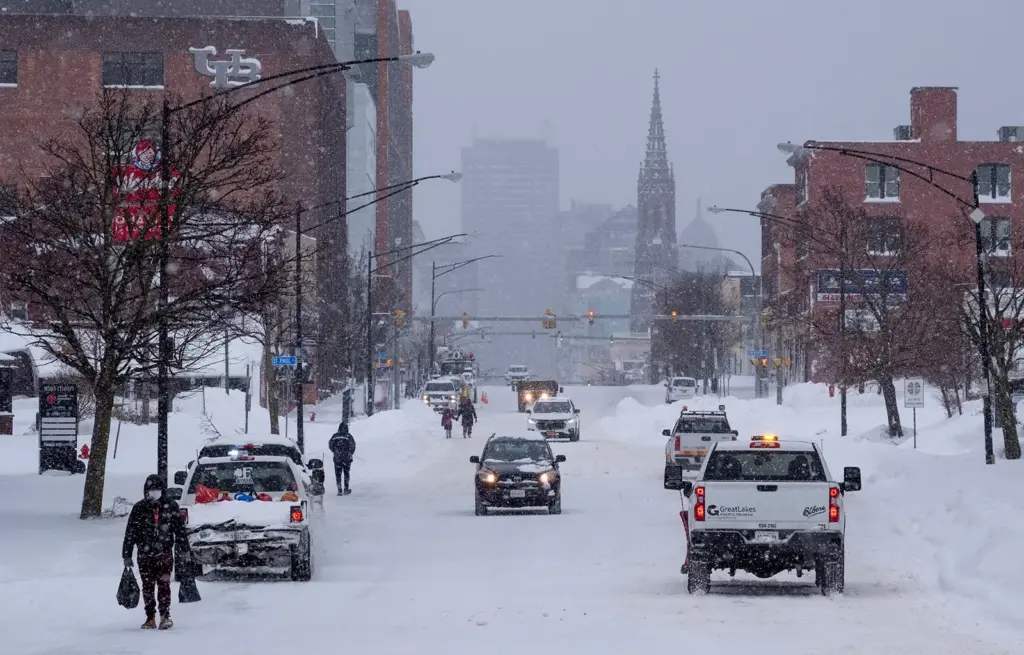
New York cold weather deaths have tragically surged during a recent period of extreme cold weather in the city. According to the mayor, a devastating total of 18 lives have been lost due to freezing temperatures, marking one of the harshest winters the region has faced in decades. The city endured an unprecedented 13 consecutive days of sub-zero temperatures, generating serious concerns about hypothermia risks in New York. As the air became dangerously frigid, authorities urged residents to remain vigilant and prepared as NYC weather emergency protocols were activated. Despite a slight warming trend on the horizon, the ongoing threat of freezing temperatures continues to haunt the urban landscape, emphasizing the need for community solidarity during this crisis.
The bitter cold gripping New York City has led to a significant number of fatalities under extreme weather conditions. In an alarming report, officials confirmed that several individuals have succumbed to the harsh elements amid a wave of relentless sub-zero temperatures. Those exposed to such chilling conditions face a heightened risk of health emergencies, including severe hypothermia. As the city grapples with this weather crisis, emergency services have mobilized rapidly to assist vulnerable populations, particularly those without shelter. This dire situation underscores the urgent need for increased awareness and communal support as winter impacts the lives of many New Yorkers.
Impact of Extreme Cold Weather on New York City Residents
The recent extreme cold snap in New York City has significantly impacted the safety and well-being of its residents. With sub-zero temperatures persisting for over two weeks, the city experienced one of its most prolonged stretches of freezing weather in decades. This severe cold has been linked to at least 18 deaths, a tragic reminder of the dangers associated with icy conditions. Officials highlighted the risks posed by hypothermia and the urgent need for citizens to remain vigilant and cautious during such weather emergencies.
In response to this critical situation, the city implemented various measures to protect vulnerable populations. The mayor’s Code Blue emergency was activated, enhancing shelter capacity to accommodate those at risk of exposure. With approximately 1,400 placements in homeless shelters and additional outreach efforts, New York City’s commitment to safeguarding its residents has become more vital than ever. As temperatures remain below average, public health campaigns encourage residents to prioritize their safety by staying indoors and looking out for one another.
Understanding the Risks of Hypothermia in Extreme Cold Conditions
Hypothermia is a severe risk during cold weather spells, particularly in urban settings like New York City. With freezing temperatures regularly dipping below 32°F, residents should be aware of the symptoms and preventative measures to take. The chilling winds accompanying the cold can lower perceived temperatures even further, leading to dangerous conditions for those exposed. Symptoms of hypothermia include uncontrolled shivering, confusion, and drowsiness, which can quickly worsen if not addressed promptly. This underscores the importance of vigilance when facing extreme weather.
The NYC Emergency Management agency has been proactive in addressing these concerns. Public advisories remind citizens to dress in layers, stay dry, and avoid prolonged exposure to the cold. The harshness of the winter is often exacerbated by the urban environment, where wind chill can drastically increase the risk of freezing temperatures deaths. By raising awareness about hypothermia risks, city officials hope to mitigate the alarming statistics associated with severe cold weather.
Responses to the Recent Weather Emergency in NYC
The recent weather emergency in New York City has triggered a robust response from city officials and agencies. Mayor Mamdani’s declaration of a Code Blue emergency reflects the gravity of the situation, allowing for relaxed intake policies for homeless shelters. In a proactive attempt to safeguard residents, over 1,400 placements have been made in shelters since the onset of the cold snap, highlighting the urgent need to address the increased risks faced by the homeless population during extreme cold weather.
In addition to shelter expansions, outreach efforts have seen the deployment of over 150 workers on the streets, working tirelessly to provide assistance to those in need. The city’s approach emphasizes community support and individual safety, as residents are encouraged to check on their neighbors and share resources. Public messaging focuses on maintaining awareness of the extreme cold threats, including the dangers posed by ice falling from buildings and the need for caution on roads that may refreeze overnight.
The Long-Term Effects of Extreme Cold on Public Health
The long-term ramifications of extreme cold weather can be profound, affecting both physical health and mental well-being. Continuous exposure to such harsh conditions can lead to not just immediate risks like hypothermia and frostbite, but also contribute to chronic health issues in the population. Vulnerable groups, including the elderly and those with pre-existing health conditions, are particularly at risk during prolonged cold spells, as the body struggles to maintain its core temperature.
Moreover, the psychological impact of enduring extreme weather can be significant. Feelings of isolation and helplessness can emerge, especially among those lacking access to safe shelter or community support. Addressing these concerns requires a multifaceted approach, including mental health support and community engagement, to ensure that individuals receive the aid needed to navigate these challenging times.
The Role of Emergency Services in Cold Weather Management
Emergency services in New York City play a crucial role in managing the challenges posed by extreme cold weather. Their swift response can be life-saving, particularly as temperatures plummet and the risk of freezing temperatures deaths escalates. From police officers and firefighters to emergency medical responders, these professionals are trained to handle various incidents arising from severe conditions, such as traffic accidents and health emergencies linked to cold exposure.
In recent weeks, emergency services have intensified their efforts to reach out to at-risk individuals. Through collaboration with local organizations, they have expanded their capacity to support the homeless and others in need, ensuring they have access to safe shelter and necessary resources. By providing timely assistance and raising public awareness about the ongoing risks of severe winter weather, NYC’s emergency services remain a vital element in safeguarding the health and safety of the city’s populace.
Historical Context: NYC’s Cold Weather Records
New York City’s history is marked by periods of extreme cold, tracking record low temperatures and significant weather events. The recent cold snap, characterized by temperatures at or below freezing for multiple consecutive days, stands out as one of the longest streaks since the 1960s. Reflecting on past extreme weather events can provide valuable insights into current trends, emphasizing the importance of preparedness and resilience in the face of rapidly changing climate patterns.
As residents cope with the ramifications of severe weather conditions, historical data on freezing temperatures deaths can help inform public safety strategies. This data includes insights on which neighborhoods are most affected and how previous responses to cold weather emergencies have evolved. By learning from history, city planners aim to enhance resilience against future cold snaps and ensure effective interventions are in place to protect vulnerable communities.
Preparing for Future Cold Weather Emergencies
Preparation for future cold weather emergencies is essential in minimizing risks and ensuring the safety of New York City residents. City officials and agencies have begun formulating strategies that prioritize proactive measures, such as investing in improved shelter infrastructure and community outreach programs. By anticipating the needs of those most vulnerable to extreme cold, they can develop comprehensive plans that address potential heating crises and access to warmth and support during frigid conditions.
Public education plays a crucial role in this preparation, as residents are encouraged to equip themselves with knowledge about emergency resources and community networks. Awareness campaigns aimed at highlighting the signs of hypothermia and encouraging safe practices during winter months are pivotal in building a climate of preparedness. By fostering a culture of vigilance and mutual support, New Yorkers can better navigate the challenges posed by cold weather emergencies and protect one another against the risks of severe freezing temperatures.
Hypothermia Awareness and Prevention in NYC
Awareness around hypothermia is critical during New York City’s frigid winter months. With temperatures falling below 32°F, it is essential for residents to recognize the early signs of hypothermia, such as shivering, slurred speech, and confusion. Understanding these symptoms can save lives, as individuals who are aware of their conditions are more likely to seek assistance promptly. Educational initiatives have been launched to inform citizens about hypothermia risks and promote readiness for extreme weather.
Preventive measures include dressing in layers, staying dry, and ensuring access to warm environments. Community centers and outreach programs play a fundamental role in disseminating this information, especially to at-risk populations. As the city continues to face temperature fluctuations, maintaining high levels of awareness about hypothermia and its prevention will help reduce the number of freezing temperatures deaths and ensure a safer winter for all.
Future Climate Resilience Strategies for NYC
As climate change drives more extreme weather events, New York City is exploring innovative strategies to enhance climate resilience, particularly in light of increasing instances of sub-zero temperatures. Strategies include investing in infrastructure designed to withstand severe weather, such as improved heating systems in public facilities and smart city technologies that monitor real-time weather conditions. These proactive steps are essential for minimizing the impact of future freezing temperature episodes.
Moreover, collaborative efforts between city officials, community organizations, and experts in climate science foster a holistic approach to disaster preparedness. By integrating research on climate patterns with community input, policymakers can develop targeted interventions aimed at protecting vulnerable populations. Ensuring New Yorkers are equipped to handle the challenges posed by extreme cold will be crucial for safeguarding public health and enhancing quality of life amidst a changing climate.
Frequently Asked Questions
What are the recent statistics on cold weather deaths in New York City?
As of now, there have been 18 reported deaths due to extreme cold weather in New York City. This includes individuals who succumbed to hypothermia and other cold-related issues during a prolonged period of freezing temperatures.
How has the recent cold snap affected New York City?
The recent cold snap in New York City has seen 13 consecutive days of sub-zero weather, marking one of the longest stretches of cold in sixty years. This has led to increased risks of hypothermia and several tragic cold weather deaths.
What measures are being taken to protect residents during extreme cold in NYC?
In response to the extreme cold, NYC has activated a Code Blue emergency, allowing for more intake at homeless shelters and deploying outreach workers to assist vulnerable populations. Around 1,400 placements in shelters and additional hotel rooms were also made available to help keep residents safe amid the freezing temperatures.
What should residents do to stay safe during freezing temperatures in New York?
During freezing temperatures in New York, residents are advised to stay indoors as much as possible, avoid unnecessary travel, and check on neighbors and vulnerable individuals. Staying warm and safe is crucial in preventing cold weather deaths.
What are the hypothermia risks associated with extreme cold in New York?
Hypothermia risks increase significantly during extreme cold weather in New York, especially when temperatures are at or below zero degrees. Prolonged exposure to cold can lead to body temperature drops, making awareness and preventative measures essential.
What is the impact of sub-zero temperatures on New York City’s homeless population?
Sub-zero temperatures pose a severe risk to New York City’s homeless population, increasing vulnerability to cold weather deaths. This has led to city initiatives like the Code Blue emergency to provide shelter and additional resources for those in need.
How does hypothermia cause deaths in cold weather in New York?
Hypothermia can cause deaths during cold weather in New York when body temperature drops significantly. Symptoms may go unnoticed, leading to critical health failures if individuals are left exposed to freezing temperatures.
What precautions can New Yorkers take during a weather emergency?
During a weather emergency, New Yorkers should stay informed about forecasts, dress warmly in layers, limit outdoor exposure, and keep an emergency kit with supplies. It’s crucial to be vigilant against extreme cold conditions.
How do wind chills affect the perception of temperature in New York?
Wind chills drastically lower the perceived temperature in New York, increasing the risk of frostbite and hypothermia. This means even if the actual temperature is above freezing, wind chill can make conditions feel much colder.
What factors contribute to the rise in cold weather deaths in NYC?
Factors contributing to the rise in cold weather deaths in NYC include prolonged sub-zero temperatures, lack of appropriate shelter for vulnerable populations, and increased risks of hypothermia due to inadequate protective measures.
Are there any ongoing efforts to mitigate cold weather deaths in New York City?
Yes, ongoing efforts to mitigate cold weather deaths in New York City include expanding homeless shelter capacities, deploying outreach workers, and raising public awareness about the dangers of extreme cold temperatures.
What role does the National Weather Service play in extreme cold conditions?
The National Weather Service provides critical forecasts and warnings during extreme cold conditions, helping residents prepare and respond effectively to risks associated with freezing temperatures.
What should people know about freezing temperatures deaths in New York?
Freezing temperatures deaths in New York typically result from prolonged exposure to extreme cold, leading to hypothermia and other complications. Awareness and preventive measures are vital in reducing these tragic occurrences.
What types of emergency support are available for those in need during NYC cold weather?
During cold weather emergencies, NYC offers emergency shelter placements, availability of outreach workers, and public health information to ensure vulnerable populations receive assistance and protection from the extreme cold.
How can community members assist those affected by cold weather in New York City?
Community members can assist by checking on neighbors, especially the elderly and homeless, providing warm clothing or blankets, and volunteering with local shelters to support those affected by extreme cold.
What actions does NYC Emergency Management recommend during cold weather?
NYC Emergency Management recommends that residents stay indoors during extreme cold, dress warmly for necessary outdoor tasks, and remain vigilant about the risks of melting snow and ice that can refreeze.
What trends have emerged regarding weather emergencies and cold weather deaths in NYC?
Trends indicate an increasing number of weather emergencies in NYC and a rising awareness of cold weather deaths, prompting more proactive measures and community engagement to prevent fatalities during extreme cold spells.
| Key Point | Details |
|---|---|
| Total Deaths | 18 people have died due to the extreme cold weather. |
| Duration of Cold Snap | New York City has experienced 13 days with temperatures at or below 0°C (32°F). |
| Code Blue Emergency | Declared on January 19, 2023, to relax policies for homeless shelter intake. |
| Shelter Placements | Approximately 1,400 placements had been made in shelters since January 19. |
| Outreach Efforts | Additional 150 outreach workers deployed on streets to aid those in need. |
| Weather Forecast | Temperatures expected to rise to around 0°C for the week, but remain below average. |
| Risk of Hypothermia | Dangerous sub-zero wind chills are present, increasing risk of hypothermia and frostbite. |
| Safety Warnings | Melting snow and ice could fall from buildings, causing potential injury. |
Summary
New York cold weather deaths have reached a troubling total of 18 as extreme cold grips the city, prompting local authorities to take emergency measures. With a historic cold snap spanning 13 days below freezing, the increased mortality highlights the urgent need for community awareness and support for vulnerable populations, particularly the homeless. As the weather moderates, New Yorkers are reminded to prioritize safety and community vigilance during these harsh winter conditions.