
Listen to this article
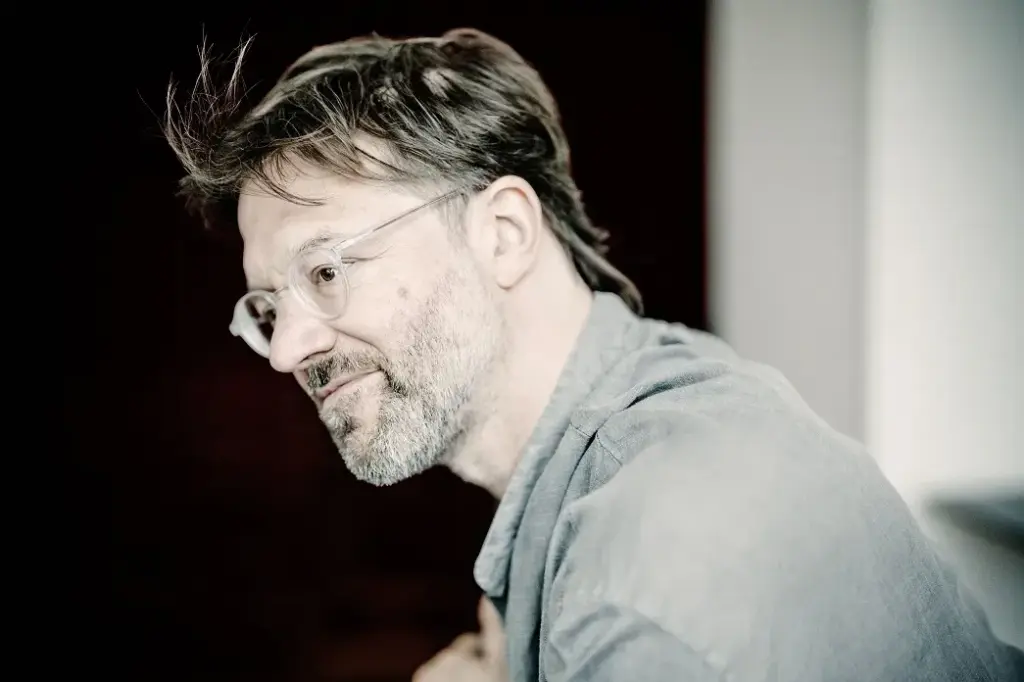
André de Ridder is poised to take the reins as the music director of the English National Opera, a role he will officially assume in 2027. This prestigious position, held by someone who must navigate a turbulent landscape of funding cuts and organizational change, marks a new chapter for the ENO amidst its journey of transformation. Following years of uncertainty after the resignation of previous conductors, De Ridder’s commitment signals a revitalization of the opera company which has faced immense challenges, including significant adjustments to its London and Manchester presence. Renowned for his expertise in classical contemporary music, he sees potential in the recent opera company changes and Manchester opera initiatives to engage a fresh audience. As the new music director, De Ridder embodies a bold vision for the ENO, harmonizing its legacy with a modern approach to opera that promises to intrigue both seasoned aficionados and newcomers alike.
In the landscape of opera, leadership transitions often serve as pivotal turning points, and André de Ridder’s upcoming role as the English National Opera’s music director signals such a moment. This appointment occurs against a backdrop of profound evolution within the company, one that has navigated funding crises and strategic relocations, particularly its ventures into Manchester. De Ridder’s vision is not merely to uphold the traditions of opera; instead, he aims to redefine what this art form can be, especially through contemporary narratives and innovative programming. Engaging with the Manchester arts scene, he aspires to bridge classical influences with modern themes in music, potentially enriching the cultural fabric of both London and its northern counterpart. As the opera community eagerly anticipates the impact of these developments, the future of the ENO is set to reflect a blend of historical reverence and bold innovation.
André de Ridder: A New Era for the English National Opera
André de Ridder’s appointment as the music director of the English National Opera marks a significant moment for the company, which has faced a tumultuous few years. As he prepares to assume this pivotal role in 2027, de Ridder carries the weight of ENO’s musical legacy on his shoulders. With a history marked by the departures of previous conductors like Martyn Brabbins and Mark Wigglesworth, who cited declining morale and a shift towards a ‘managed decline,’ de Ridder’s arrival is both a challenge and an opportunity for revival. His experience with distinguished orchestras and his passion for contemporary opera could usher ENO into a promising new chapter, reigniting its relevance in the competitive opera landscape.
De Ridder’s enthusiasm for integrating the company’s operations between London and Manchester symbolizes a broader vision to reshape the perception of opera. He perceives the recent changes not as setbacks but as opportunities to innovate. The pioneering spirit he praises aims to attract a new audience less bound by traditional perceptions, suggesting that the future of ENO could lie in appealing to a demographic that views opera through a fresh lens. This dual-city model, alongside his ambitious programming ideas—such as the staging of Du Yun’s “Angel’s Bone”—could redefine what it means to be an opera company in today’s cultural climate.
Frequently Asked Questions
What are the expected changes under André de Ridder as music director of the English National Opera?
As the new music director of the English National Opera (ENO), André de Ridder is expected to revitalize the company following a period of instability. His leadership aims to enhance ENO’s musical legacy, bringing opportunities for innovative programming, including new initiatives in Manchester. With his background in classical contemporary music, he could introduce fresh perspectives and attract a broader audience to the opera.
How will André de Ridder’s appointment affect the ENO music director role?
André de Ridder’s appointment as the ENO music director is a pivotal moment for the opera company that has seen significant changes and challenges in recent years. He steps into a role that has been vacant for years, aiming to rejuvenate the company’s morale and artistic direction, particularly after the abrupt resignations of his predecessors. His vision includes leveraging opportunities in both London and Manchester, potentially redefining ENO’s artistic identity.
What initiatives are planned for the ENO under André de Ridder’s leadership in Manchester?
Under André de Ridder’s leadership, the ENO plans to implement several initiatives in Manchester, including the UK premiere of Angel’s Bone by Du Yun, which tackles profound themes such as modern slavery. These efforts aim to engage new audiences and bring contemporary issues to the forefront of opera, enhancing the cultural landscape in Manchester while still maintaining the ENO’s connection to its roots.
Why did previous ENO music directors resign, and how does André de Ridder plan to address these issues?
Previous ENO music directors, Martyn Brabbins and Mark Wigglesworth, resigned due to concerns over the company’s direction and funding challenges, with comments about ‘managed decline.’ André de Ridder plans to address these issues by embracing the dual-city model of operation between London and Manchester, fostering creativity and resilience while confidently navigating the financial constraints affecting the opera sector.
What role does classical contemporary music play in André de Ridder’s vision for ENO?
Classical contemporary music is central to André de Ridder’s vision for ENO. His experience and commitment to blending traditional opera with innovative new works will likely lead to the incorporation of contemporary themes and composers in programming. This approach aims to attract diverse audiences and redefine perceptions of opera within the modern cultural context.
How has André de Ridder’s past experiences informed his approach to leading ENO?
André de Ridder’s past experiences, including his work in Germany and his long-standing connection to ENO, have greatly informed his approach. He brings a rich understanding of both traditional operatic practices and contemporary musical trends. His history with significant ENO productions positions him to make informed decisions that honor the company’s legacy while embracing necessary changes.
What opportunities for collaboration with other cities does André de Ridder foresee for ENO?
André de Ridder foresees numerous opportunities for collaboration with other cities, particularly Manchester. He emphasizes that creating work in Manchester could facilitate productions that make their way to London, fostering a two-way exchange that enriches the opera landscape while allowing ENO to engage with new audiences beyond traditional expectations.
How will the dual-city model impact the future of the English National Opera?
The dual-city model, with performances and initiatives in both London and Manchester, is expected to significantly impact the future of the English National Opera. André de Ridder believes this approach will expand the company’s reach and influence, allowing it to engage with a diverse array of audiences while exploring innovative artistic opportunities that reflect the cultural vibrancy of both cities.
| Key Detail | Information |
|---|---|
| Position | Chief Conductor of English National Opera (ENO) from 2027 |
| Predecessors | Martyn Brabbins resigned in 2023; Mark Wigglesworth resigned in 2016 |
| Current ENO Situation | Agonizing years of funding cuts and staff changes; morale reportedly low |
| De Ridder’s Background | Raised in Berlin; studied music in Manchester, familiar with ENO |
| Opportunities Seen | Sees potential in merging ENO’s presence in London and Manchester to attract new audiences |
| Upcoming Works | Premiere of ‘Angel’s Bone’ explores themes of modern slavery and trafficking, showcasing new directions for opera. |
| Perspective on Change | Believes that Manchester can redefine opera; emphasizes collaboration and innovative productions |
| Future Vision | Desires to stage landmark contemporary works previously never performed in the UK |
Summary
André de Ridder’s upcoming position as the chief conductor of the English National Opera marks a pivotal moment for the company amidst its tumultuous recent history. With a vision focused on revitalizing the ENO, de Ridder aims to harness the unique cultural convergence of London and Manchester to forge a fresh path for opera, attracting new audiences and broadening the art form’s reach through innovative productions and meaningful themes.