Listen to this article
Air pollution effects are becoming increasingly evident, with significant implications for our health and well-being. The invisible pollutants we breathe, primarily from traffic emissions, pose numerous health risks, particularly concerning how air pollution affects the body. Groundbreaking air pollution studies have shown that even minimal exposure can lead to toxic elements infiltrating our bloodstream, impacting vital organs and overall health. For instance, hospital admissions rise during high smog days due to complications linked to pollution and blood cells accumulating harmful particles. As awareness grows, it becomes crucial to address the latent dangers of pollution and its pervasive influence on our daily lives.
The ramifications of bad air quality are manifesting more than ever, often referred to as environmental contaminants. These harmful particles, originating from various sources including vehicles and industrial activities, can adversely affect human physiology in ways often overlooked. Research indicates that fine particulate matter not only compromises respiratory health but also contributes to systemic inflammation and cardiovascular issues. Understanding the ramifications of air quality degradation highlights the urgent need to reconsider our relationship with the atmosphere we breathe. Addressing this challenge starts with acknowledging the scope of air pollution’s impact across different life stages, from prenatal development to elderly health.
Understanding Air Pollution’s Health Risks
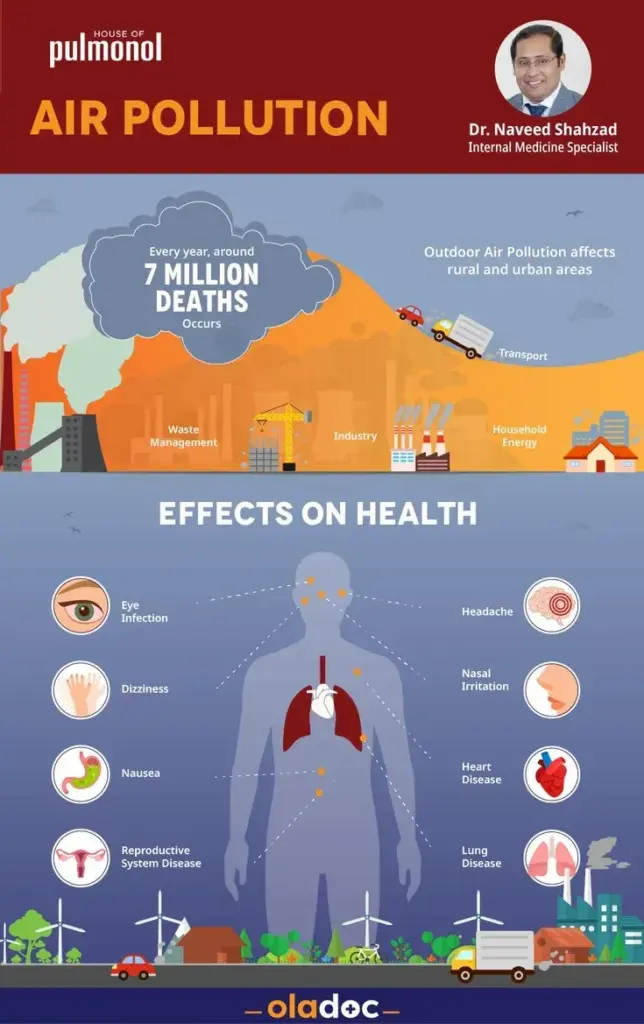
Air pollution is not merely an environmental concern; it is a significant public health risk impacting millions worldwide. Studies indicate that the inhalation of polluted air contributes to a plethora of ailments, ranging from respiratory issues to more severe conditions such as heart diseases and cancers. For instance, the connection between air pollution and health risks is substantiated by research showing that particulate matter (PM2.5) can penetrate deep into lung tissues, leading to chronic respiratory diseases. Furthermore, the World Health Organization highlights that around 7 million people die annually due to diseases exacerbated by poor air quality.
Moreover, the effects of air pollution extend beyond immediate respiratory issues. Emerging research indicates a concerning link between air quality and neurological disorders, such as dementia. The inflammatory response triggered by air pollution may accelerate neurodegenerative processes, suggesting a need for further investigation into how air pollution affects the body in various ways. This alarming data underscores the importance of raising awareness about the health risks of air pollution and taking actionable steps toward cleaner air for all.
The Relationship Between Pollution and Blood Cells
Recent studies have revealed disturbing evidence regarding how air pollution interacts with our blood. When exposed to high levels of pollution, the microscopic examination of blood samples shows that red blood cells can become contaminated with tiny particles of carbon and other harmful chemicals. Researchers found that approximately one in every two to three thousand red blood cells harbored these particles, which could amount to about 80 million cells transporting pollution in the bloodstream of an average adult. This phenomenon illustrates that pollution does not merely linger in the lungs; it can dynamically enter the bloodstream and potentially affect other organs.
The implications of these findings are enormous because it means that the health effects of air pollution are extensive, affecting not just the lungs but likely other vital organs as well. Research has indicated that the infiltration of these particles into the bloodstream could lead to inflammatory responses and increase the risk of cardiovascular diseases. Understanding the relationship between pollution and blood cells is crucial for developing public health policies aimed at reducing air pollution levels and safeguarding public health.
Invisible Air Pollution: A Silent Threat
The term ‘invisible air pollution’ refers to pollutants that cannot be seen but have tangible harmful effects on health. Gases such as nitrogen oxides and particulate matter linger silently in the atmosphere, infiltrating communities unaware of their presence. Unlike the thick smogs of the past, modern pollution often goes unnoticed, leading people to underestimate their exposure and the associated health risks. This makes it essential for public awareness campaigns to highlight how these invisible pollutants can contribute to chronic health conditions.
Invisible air pollution presents unique challenges for policymakers and healthcare providers, as the symptoms may not manifest until exposure has reached detrimental levels. Research indicates that long-term exposure to these pollutants can significantly increase the risks of developing lung infections, cardiovascular diseases, and various types of cancer. By improving public knowledge about the dangers of invisible air pollution, we can empower individuals to take preventative actions, such as opting for cleaner transportation methods and advocating for stricter pollution regulations.
Air Pollution Studies: Insights and Discoveries
Ongoing air pollution studies continue to unveil critical insights into how environmental toxins affect human health. Researchers are utilizing cutting-edge technology to analyze blood samples collected from volunteers exposed to high pollution areas. The presence of particulate matter within blood cells, significantly observed in studies at Queen Mary University of London, provides tangible evidence of pollution’s reach into our bodies. Such studies underscore the importance of continued research in unveiling the complex mechanisms by which air pollution contributes to various health issues.
Moreover, these scientific inquiries facilitate the development of effective public health strategies aimed at mitigating the effects of air pollution. By understanding the specific health risks correlated with different pollutants, health experts can tailor recommendations and interventions effectively. For example, findings revealing the connections between air pollution and adverse birth outcomes highlight the urgency of implementing protective measures, especially for vulnerable populations such as pregnant women and children.
How Air Pollution Affects the Body
Air pollution affects the body in multifaceted ways—impacting not only the respiratory system but also various other organ systems. When inhaled, fine particulate matter can enter the bloodstream, leading to inflammation that affects blood vessels and heart function. Chronic exposure has been linked to increased risks of cardiovascular events, with air pollution contributing to the acceleration of conditions like heart disease and hypertension. Research reveals that pollutants trigger inflammatory responses, which can compromise overall health and longevity.
Additionally, air pollution is known to exacerbate pre-existing health conditions, particularly in susceptible populations. Individuals with asthma, for instance, may experience heightened symptoms and increased frequency of asthma attacks in polluted environments. Similarly, there is growing evidence that air pollution adversely impacts brain health, triggering inflammatory responses that could potentially accelerate cognitive decline and increase the risk of dementia. Understanding how air pollution affects the body emphasizes the need for proactive measures to improve air quality.
Impacts of Air Pollution on Pregnancy and Infants
Air pollution poses significant risks not only to adults but also to vulnerable populations such as developing fetuses and infants. Research indicates that exposure to high levels of environmental toxins during pregnancy can interfere with fetal development, leading to adverse birth outcomes such as low birth weight, preterm delivery, and developmental issues. Toxic particles can cross the placental barrier, affecting the health and development of the unborn child. Studies have shown deposits of black carbon in placentas, which raises concerning questions about long-term effects on children’s health.
Moreover, infants are especially susceptible to the dangers of air pollution due to their developing respiratory systems. The exposure to pollution in early life is correlated with increased risks of respiratory problems, asthma, and other chronic illnesses later in childhood. As such, prioritizing clean air is crucial for safeguarding the health of both current and future generations. Public awareness of these risks is essential for implementing effective policies aimed at reducing exposure to air pollution, particularly in areas with high traffic or industrial activity.
The Role of Inflammation in Air Pollution Health Risks
Inflammation is a key mechanism through which air pollution affects health, contributing to a range of diseases and conditions. When pollutants enter the body, they trigger an immune response that can lead to chronic inflammation, significantly impacting various systems, including the cardiovascular and respiratory systems. Prolonged inflammation can increase susceptibility to heart attacks and strokes, making it critical to understand the link between inflammation and pollution exposure.
In addition to cardiovascular risks, inflammation caused by air pollution can have severe implications for lung health. For instance, ongoing research suggests that chronic exposure to pollutants can awaken dormant cancer cells in the lungs, leading to potential tumor development. Such findings highlight the critical need for comprehensive measures to reduce air pollution and protect public health, particularly for those living in high-pollution environments.
Policy Implications and Solutions to Reduce Air Pollution
Addressing air pollution requires concerted efforts at both individual and policy-making levels. Policymakers play a crucial role in enacting regulations that limit emissions from vehicles and industries, aiming to improve air quality and, consequently, public health. Initiatives such as promoting electric vehicles, enhancing public transportation, and implementing stricter emissions standards can lead to significant reductions in air pollution. Public engagement and awareness are also essential for encouraging community action and support for policy changes.
On an individual level, people can take actionable steps to minimize their exposure to air pollution. For instance, choosing to walk in less congested areas, using air purifiers indoors, and advocating for deeper environmental protections are effective measures. Furthermore, increasing awareness of the harmful effects of air pollution can drive collective action towards cleaner air and healthier communities. The intersection of community engagement and solid policy implementation is vital for reducing air pollution and improving health outcomes.
Air Pollution and its Long-term Effects on Health
The long-term effects of air pollution on health are profound and concerning, affecting multiple demographic segments. Chronic exposure to polluted air has been linked to developing various health conditions, impacting longevity and quality of life. Research suggests that continuous exposure to air pollutants influences everything from lung function to mental health, contributing to the rising incidence of respiratory diseases and cognitive decline. Further studies are shedding light on the correlation between air pollution exposure in childhood and increased risk of chronic diseases later in life.
Moreover, the accumulating evidence of pollution’s impact on the body calls for immediate attention from both health professionals and policymakers. The detrimental health effects of air pollution underscore the urgency of implementing measures aimed at reducing emissions and improving air quality. Public health campaigns emphasizing the importance of clean air can foster societal shifts in behavior, pushing for greater accountability and changes within industries that contribute to air pollution.
Frequently Asked Questions
What are the health risks of air pollution on the body?
Air pollution poses significant health risks, leading to various conditions including respiratory diseases, cardiovascular problems, and even cognitive decline. Research has shown that fine particulate matter (PM2.5) can travel from the lungs into the bloodstream, potentially harming organs like the heart and brain, and increasing the risk of heart attacks, strokes, and some cancers.
How does air pollution affect the body and overall well-being?
Air pollution negatively affects the body by triggering inflammation, which can lead to chronic health issues. Pollutants can enter the bloodstream and travel throughout the body, exacerbating conditions such as asthma and potentially influencing neurological functions and fetal development in unborn babies.
What do air pollution studies reveal about its impact on blood cells?
Air pollution studies have demonstrated that fine particles from pollution can attach to red blood cells, with researchers finding evidence of black carbon contaminating these cells. This indicates that pollution not only affects the respiratory system but also circulates throughout the body, contributing to various health hazards.
What is invisible air pollution and how does it affect health?
Invisible air pollution refers to harmful pollutants, including nitrogen oxides and particulate matter, that cannot be seen but can have severe health implications. Studies show that these pollutants can enter the body, triggering inflammatory responses and increasing the risk of chronic diseases, including lung and heart conditions.
How does pollution influence blood cells and cardiovascular health?
Pollution contains fine particulate matter that can lodge in the lungs and subsequently enter the bloodstream, affecting red blood cells. This contamination can promote inflammation in blood vessels and contribute to heart disease, emphasizing the critical relationship between air pollution and cardiovascular health.
| Key Points | Description |
|---|---|
| Air pollution exposure | Inhalation of traffic fumes in London revealed the presence of air pollution in the bloodstream. |
| Health impacts | Air pollution can cause serious health issues, including respiratory problems, heart disease, and even detrimental impacts on fetal development. |
| Microscopic evidence of pollution | Blood samples showed tiny black dots (PM 2.5) attached to red blood cells, indicating pollution entering the bloodstream. |
| Statistics | Air pollution is responsible for approximately 30,000 deaths annually in the UK and 7 million globally. |
| Invisible dangers | Much of today’s air pollution is not visible, making it harder for the public to recognize and reduce their exposure. |
| Behavioral recommendations | Suggestions include using quieter streets to minimize exposure and wearing masks in polluted areas, especially for vulnerable individuals. |
Summary
Air pollution effects are profound and alarming, as evidenced by personal experiments revealing pollution entering human bodies. Inhalation of harmful particulates can lead to serious health problems, from respiratory diseases to complications affecting fetal development. Those exposed, even briefly, may witness traces of pollution in their bloodstream, suggesting widespread and often unnoticed damage. With air pollution linked to approximately 30,000 premature deaths in the UK each year, it becomes clear that understanding its effects is crucial for public health. By addressing the sources of air pollution and implementing measures to reduce exposure, we can work towards a healthier environment for all.