
Listen to this article
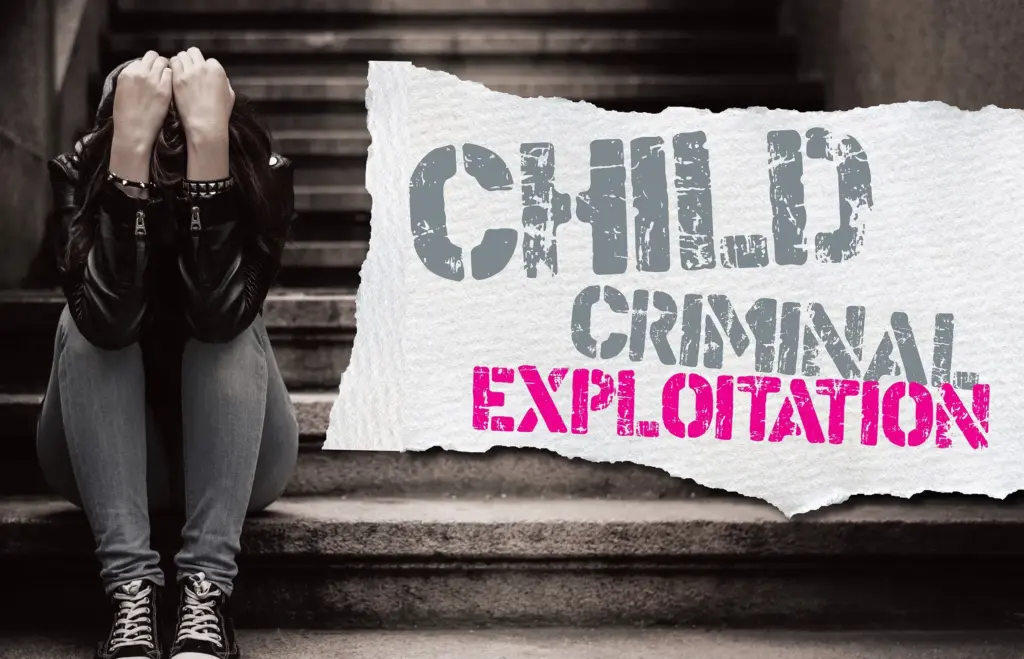
Child criminal exploitation is a harrowing issue affecting countless vulnerable youth across the UK, often leading to devastating outcomes, as exemplified by the tragic case of 15-year-old Daejaun Campbell. His mother, Jodian Taylor, has bravely opened up about her son’s grooming by drug dealers, ultimately leading to his untimely death due to knife crime. Despite her desperate cries for help, social services failed to provide the support needed to safeguard Daejaun from these predatory adults, illustrating a significant social services failure. This heart-wrenching narrative reveals the grim reality behind youth violence and highlights the urgent need for strategic interventions to protect young individuals from being exploited in this way. With an alarming rise in incidents of drug grooming and teenage murders, society must come together to address this critical crisis that claims the lives of innocent children.
The phenomenon of youth exploitation in criminal activities, particularly concerning drug trafficking and gang violence, is increasingly recognized as a societal scourge. Terms like ‘grooming’ and ‘gang involvement’ depict the manipulative tactics used by adult offenders to lure adolescents into criminal behavior, often leaving them vulnerable to dire consequences. This dark cycle of exploitation and ensuing violence is underscored by recent statistics highlighting the troubling rise in teenage homicides and instances of knife crime. In many cases, the systemic failures of educational and social services exacerbate the dangers faced by these young individuals, leading to tragic outcomes. By acknowledging these issues, we can foster a community response focused on prevention and intervention to protect our youth from falling into the hands of those who seek to exploit them.
The Growing Threat of Child Criminal Exploitation
Child criminal exploitation is an alarming issue that is deeply rooted in urban environments where drug dealers actively target vulnerable youth. As seen in the heartbreaking case of Daejaun Campbell, social services failed to protect him from being groomed by predatory individuals seeking to control young boys for drug trafficking. This early manipulation often leads to dire consequences, including violence, substance abuse, and even tragic loss of life. Experts note that the systemic failures to recognize signs of exploitation put many children at risk, allowing relationships with groomers to flourish unchecked.
In England and Wales, an estimated 15,500 children are reported to be at risk of or involved in criminal exploitation. This staggering number highlights the urgent need for comprehensive preventative measures. Community programs that focus on education and empowerment are crucial in combating the influence of drug grooming on young lives. Schools, parents, and local authorities must collaborate effectively to create protective environments and offer support before these children become entrenched in the criminal underbelly.
Social Services Failures in Protecting Vulnerable Youth
The case of Daejaun Campbell serves as a poignant example of social services failures that haunt numerous families. Jodian Taylor, Daejaun’s mother, has expressed her anguish over the lack of response from social services, illustrating how bureaucracy can overshadow urgent family needs. Despite multiple pleas for help, the authorities did not take meaningful action until it was too late. This pattern of negligence underscores a systemic weakness in how agencies handle cases involving at-risk youth, often leaving families feeling powerless and unheard.
To address these systemic failures, immediate reform is necessary. The Children’s Commissioner for England emphasizes that professionals must be trained to recognize warning signs of child exploitation early on. By fostering a more robust communication framework between social services, schools, and law enforcement, we can ensure that children like Daejaun receive the support they desperately need before they become victims of the violent cycle perpetuated by drug dealers.
The Role of Schools in Preventing Youth Violence
Schools play a pivotal role in identifying at-risk youth and can be the first line of defense against youth violence. In Daejaun’s case, while the school did initiate some counseling efforts, Jodian criticized them for failing to communicate critical information about her son’s associations with potential threats. Transparent communication between educational institutions and parents is essential for early detection of issues like drug grooming and social isolation.
Furthermore, schools need to adopt proactive measures to educate students about the dangers of gang involvement and the repercussions of youth violence. Implementing comprehensive life skills and drug awareness programs can empower students to make better choices and resist the lure of criminal activity. By fostering a culture of openness and support, schools can significantly mitigate the risks that lead to tragic outcomes like Daejaun’s.
The Impact of Drug Grooming on Families
The impact of drug grooming extends beyond the individual child, rippling through families and communities. Jodian Taylor’s experience reveals the emotional toll that such exploitation takes on parents. The fear of losing a child to violence and the frustration of feeling ignored by social systems compounds the grief of losing a loved one. Drug grooming not only endangers the child involved but also devastates family structures, affecting siblings and extended family relationships.
In addressing drug grooming, it is vital for communities to unite and support families affected by these issues. Counseling and support groups can provide a safe space for parents to share their experiences, offering healing and resources for coping with their pain. By building a network of support, communities can foster resilience and create deterrents against the criminal exploitation of youth.
Understanding Youth Violence and Knife Crime
Youth violence and knife crime are critical issues that have escalated in recent years. The tragic death of Daejaun Campbell illustrates the deadly intersection of these problems, highlighting the urgent need for effective deterrent measures. The involvement of young people in violent acts is often influenced by a myriad of factors, including socioeconomic status, exposure to gangs, and the desensitization of violence in media and culture.
To combat youth violence effectively, comprehensive community strategies must be implemented. Initiatives that engage young people in constructive activities, provide mentorship opportunities, and promote conflict resolution skills can serve as powerful tools against the allure of gang involvement and knife crime. Investing in youth programs not only addresses the immediate problem of violence but also builds a foundation for safer, more resilient communities.
Campaigning Against Teenage Murder
The issue of teenage murder is a devastating reality in many urban areas, often resulting from a complex web of factors, including gang violence and drug-related disputes. Daejaun Campbell’s murder sheds light on the need for intensified community engagement and advocacy to prevent similar tragedies. Campaigns aimed at raising awareness about the consequences of violence and the need for protective measures can mobilize communities to demand action from local authorities.
Moreover, raising the voices of those affected by teenage murder, such as Jodian Taylor, can catalyze policy changes that prioritize youth safety and well-being. By fostering dialogues about these issues, communities can work together to create environments that not only deter violence but also rehabilitate offenders, transforming lives instead of perpetuating cycles of crime.
The Role of Law Enforcement in Safeguarding Youth
Law enforcement agencies play a crucial role in safeguarding young individuals from the clutches of gangs and criminals. As highlighted in Daejaun’s case, collaboration between police and social services can prevent youth exploitation. However, the effectiveness of these efforts often hinges on proactive engagement rather than reactive responses after crimes occur. Building trust between law enforcement and communities is essential to encourage reporting and sharing of information.
Moreover, specialized training for law enforcement officers on the nuances of child criminal exploitation is vital. This perspective will ensure that young victims are treated with compassion and understanding, rather than being viewed solely as perpetrators. Through community policing initiatives, officers can better connect with at-risk youth, empowering them to seek help and report crimes safely.
Legislative Efforts to Combat Child Exploitation
Recent legislative proposals, such as the Crime and Policing Bill, seek to address child criminal exploitation as a distinct offense. This step is crucial in recognizing the gravity of the issue and the need for tailored responses. Legal frameworks must evolve to provide adequate protections against the manipulative practices of groomers who exploit young people for financial gain in the drug trade.
Effective legislation should also advocate for comprehensive training for child protection professionals and greater accountability for failures within social services. By ensuring that laws prioritize the safety and well-being of children, we can work towards a future where no family has to endure the pain of losing a child to violence stemming from exploitation.
Raising Awareness and Community Action
Raising awareness about the dangers of drug grooming and youth violence is a critical component in preventing future tragedies. Community initiatives that educate families, schools, and local organizations about the signs of child exploitation can empower them to take action. Mobilizing communities to create supportive networks can foster environments where children feel seen and protected.
Furthermore, platforms for sharing personal stories, such as Jodian Taylor’s, can serve as powerful tools for advocacy. These narratives can highlight systemic failures and promote urgency among policymakers to act swiftly in safeguarding at-risk youth. Through collective effort and determination, communities can illuminate the path towards change, ensuring that no more families experience such profound loss.
Frequently Asked Questions
What is child criminal exploitation and how does it relate to youth violence?
Child criminal exploitation refers to the manipulation and coercion of children into committing crimes, often by adults. This phenomenon is closely linked to youth violence, as exploited children may be forced to engage in violent crimes, including drug dealing and robbery, leading to increased incidents of knife crime and gang-related activities. Such exploitation not only endangers the children involved but also contributes to wider community instability.
How can parents identify signs of child criminal exploitation?
Parents should be vigilant for changes in their children’s behavior, such as secretive actions, sudden changes in friendships, frequent absences, and unexplained possessions like cash or expensive items. If a child becomes involved in youth violence or shows interest in gangs, it may indicate they are being groomed for criminal activity. Early intervention and open communication can help address these issues before they escalate.
What role do social services play in preventing child criminal exploitation?
Social services are crucial in preventing child criminal exploitation by providing support and intervention when children are at risk. They are tasked with safeguarding minors and must respond effectively when signs of exploitation appear. However, failures in communication or resource allocation, as seen in tragic cases, can lead to missed opportunities for intervention that could protect children from becoming victims of child criminal exploitation.
What systemic changes are being proposed to address child criminal exploitation and knife crime?
Legislative changes, such as the proposed Crime and Policing Bill, aim to recognize child criminal exploitation as a distinct offense and strengthen the framework for protecting vulnerable children. Experts argue that more coordinated efforts among police, social services, and educational institutions are necessary to identify and support at-risk youth effectively before they are drawn into cycles of violence and crime.
How does drug grooming affect children and contribute to knife crime rates?
Drug grooming involves adults manipulating children into dealing drugs. This exploitation not only endangers the children by exposing them to criminal prosecution but also increases knife crime rates as drug conflicts often lead to violence. The grooming process can trap children in a web of fear and control, making them more vulnerable to further exploitation and involvement in serious criminal activities.
What can communities do to prevent child criminal exploitation and its impacts?
Communities can play a vital role in preventing child criminal exploitation by fostering supportive environments, promoting awareness about the signs of grooming, and establishing strong networks among schools, social services, and law enforcement. Engagement in community safety initiatives, youth programs, and open dialogues about the risks associated with gangs and drug dealing can empower families and help protect children from becoming victims.
What are common consequences faced by children involved in criminal exploitation?
Children caught in the cycle of criminal exploitation often face severe consequences, including involvement in youth violence, being criminalized themselves, and suffering mental and physical harm. Tragically, as evidenced by recent high-profile cases, some may even lose their lives, highlighting the critical need for accessible prevention and intervention strategies to protect vulnerable youth from exploitation.
How can schools better support children at risk of criminal exploitation?
Schools can enhance support for at-risk children by implementing comprehensive safeguarding policies, training staff to recognize the signs of exploitation, and fostering open communication between parents and educators. Providing mental health resources and counseling can also help address the issues before they lead to more serious consequences, such as involvement in knife crime or drug dealing.
How do victims of child criminal exploitation often become involved in youth violence?
Victims of child criminal exploitation may become involved in youth violence due to coercion from exploiters who use fear and manipulation to maintain control. In many cases, young people involved in drug dealing or gang activities may feel they have no choice but to resort to violence to protect themselves or to prove their loyalty to their exploiters. This cycle perpetuates a dangerous environment that can lead to tragedies, such as stabbings or murders.
What steps can families take to support a child who may be at risk of criminal exploitation?
Families can support at-risk children by maintaining open lines of communication, educating them about the dangers of gangs and drugs, and encouraging healthy social connections. Seeking help from social services, youth outreach programs, and community organizations can provide additional resources. It’s crucial for families to be proactive and responsive to signs of distress or changes in behavior that may indicate potential grooming or exploitation.
| Key Point | Description |
|---|---|
| Mother’s Plea for Help | Jodian Taylor’s repeated requests for help to social services were ignored, despite her expressing concerns for her son Daejaun. |
| Grooming and Exploitation | Daejaun was groomed by drug dealers who exploited him to sell drugs before his tragic death. |
| Failure of Social Services | Social services missed critical meetings and failed to take necessary action, claiming Daejaun didn’t meet intervention criteria. |
| Consequences of Exploitation | Daejaun was ultimately murdered due to a dispute between drug dealers, highlighting the violent outcomes of grooming. |
| Awareness and Advocacy | Jodian Taylor aims to raise awareness on child criminal exploitation to prevent other families from experiencing similar tragedies. |
Summary
Child criminal exploitation is a severe issue that leads to tragic outcomes, such as the case of Daejaun Campbell, who was groomed by drug dealers and ultimately killed. Despite numerous pleas for help from his mother, social services failed to act in time to protect him. This horrifying incident highlights the urgent need for improved systems to safeguard children against exploitation and the importance of societal awareness in preventing further tragedies.