Listen to this article
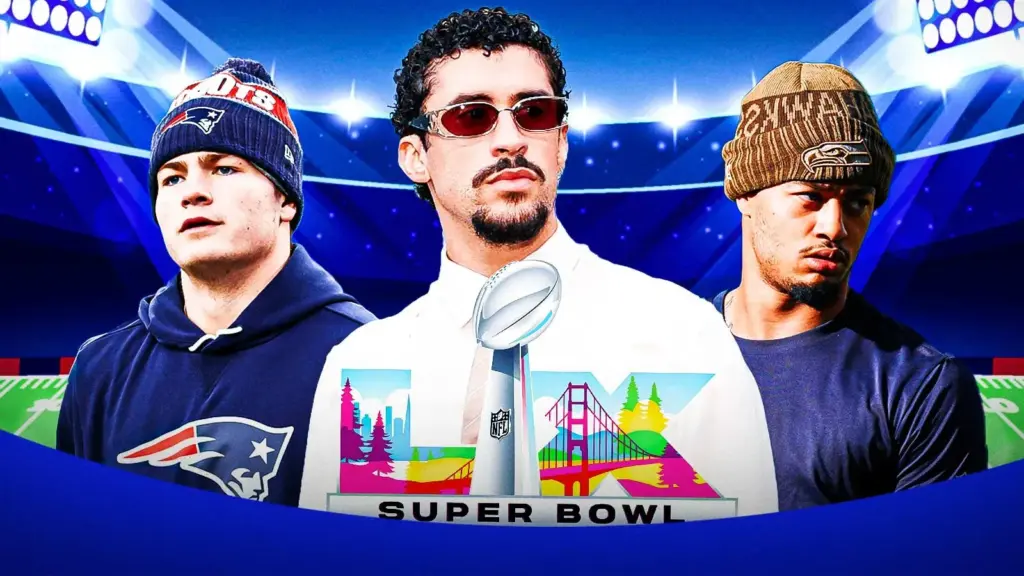
Bad Bunny’s Super Bowl performance captured global attention as the first halftime show entirely in Spanish, solidifying his role as a trailblazer in the music industry. This electrifying display not only celebrated Latin music at Super Bowl but also embraced Puerto Rican culture representation, with vibrant visuals and engaging choreography that transported viewers to his island homeland. Collaborating with notable guests like Lady Gaga and Ricky Martin, Bad Bunny created a dynamic experience that highlighted his chart-topping hits alongside heartfelt messages of love and unity. Integral to the Super Bowl 2026 highlights, his performance reflected a blend of entertainment and cultural pride, emphasizing the influence of Latin artists in mainstream music. From heartfelt tributes to family and community, to a powerful visual narrative, Bad Bunny’s halftime show was a testament to the growing recognition of diverse musical expressions on such a prestigious platform.
The Super Bowl halftime spectacle featuring Bad Bunny showcased an unprecedented celebration of Latin music culture, marking a significant milestone in the event’s history. As the first-ever artist to deliver a performance completely in Spanish, Bad Bunny’s passionate homage to his Puerto Rican roots resonated with viewers around the world. With electrifying stage design reminiscent of traditional Puerto Rican homes, he seamlessly integrated elements from his dynamic Grammy performance into this unforgettable show. The event not only highlighted his recent hits but also prominently featured themes of love, community, and resilience, positioning him as a pivotal figure in the representation of Latin heritage. Ultimately, his performance served as a vibrant reminder of the richness of diversity within the music realm at one of the largest sporting events worldwide.
Bad Bunny’s Groundbreaking Halftime Show
Bad Bunny’s halftime show at the Super Bowl was a historic event, making him the first artist to perform a Super Bowl halftime show entirely in Spanish. His performance was a vibrant showcase of Puerto Rican culture, featuring elements like his iconic casita, which resembles traditional Puerto Rican homes, creating an authentic atmosphere. With guest appearances from international stars like Lady Gaga and Ricky Martin, the show captured the essence of Latin music while emphasizing the importance of community and togetherness among cultures.
Fans and critics alike praised Bad Bunny for his ability to seamlessly blend musical talent with cultural representation. His choice to perform several of his biggest hits, including ‘Tití Me Preguntó’ and ‘BAILE INoLVIDABLE,’ highlighted the growing influence of Latin music in mainstream entertainment. This performance symbolized a significant shift in the Super Bowl’s approach, embracing diversity and allowing artists from various backgrounds to showcase their heritage on a global platform.
Unity Through Music: A Message at Super Bowl 2026
During Bad Bunny’s electrifying Super Bowl performance in 2026, messages of unity were interlaced with powerful musical elements. Despite expectations for a political statement, Bad Bunny conveyed a hopeful message that transcended divisive sentiments. His notable quotes, such as ‘The only thing more powerful than hate is love,’ were broadcast prominently, signaling a desire for harmony among audiences. By concluding his set with ‘God Bless America’ in Spanish, he emphasized the importance of inclusivity, urging fans to come together despite differing backgrounds.
Moreover, the performance’s visuals, including a vibrant mix of dancers and culturally significant decor, created a celebratory environment. The representation of various Latin American countries through flag displays further illustrated the event’s theme of unity. Bad Bunny’s ability to engage viewers through his artistry showcases the power of music as a universal language that matters, especially in times of social turbulence, making his Super Bowl 2026 performance significant beyond entertainment.
Celebrating Puerto Rican Culture on the Global Stage
Bad Bunny’s performance was more than just entertainment; it was a celebration of Puerto Rican culture mirrored in every aspect of the show. From the traditional casita to the vibrant colors, the set design encapsulated the charm and spirit of Puerto Rico, making a powerful statement about cultural identity on a global stage. The presence of his fellow Puerto Rican artists, including Ricky Martin, reinforced this message, demonstrating a unified front in the face of adversity and showcasing the talents that the island has produced.
Moreover, his performance highlighted the rich tapestry of Latin music and its role within the broader context of the Super Bowl. The inclusion of vibrant Latin rhythms and styles not only entertained but educated audiences about Puerto Rican culture. Celebrating such diverse musical influences during a high-profile event like the Super Bowl showcases the growing recognition and acceptance of Latin art forms in mainstream circles.
The Legacy of Bad Bunny: From Grammy Awards to Super Bowl
Bad Bunny’s journey from Grammy winner to Super Bowl performer illustrates his immense impact on the music industry and beyond. With his Grammy-winning album ‘Debí Tirar Más Fotos,’ his artistry resonated with many, earning him a place among music’s elite. The seamless integration of elements from his touring set into the Super Bowl showcase provided fans a taste of his grand performances highlighted by his innovative style and music that appeals to both Spanish and English-speaking audiences.
His earlier performances, such as featuring with Shakira, laid the groundwork for his mainstream success, making his solo performance stand out as a pivotal moment in his career. It signifies not just personal achievements but also the rise of Latin music within a space traditionally dominated by pop and rock. As he continues to push boundaries, Bad Bunny’s influence will likely inspire future generations of artists to embrace their heritage and bring it to global stages.
A Memorable Night: Highlights from Bad Bunny’s Halftime Show
The Super Bowl 2026 halftime show went down in history not just for its performances, but for the connections it fostered among the audience. Bad Bunny’s medley of hits and dynamic stage presence ensured that every moment of his set was filled with electrifying energy. You could feel the excitement as he delivered a salsa-inspired collaboration with Lady Gaga, which perfectly blended their unique styles, setting the tone for a night full of surprises.
Guest appearances turned the show into a star-studded affair, with celebrities like Jessica Alba and Pedro Pascal dancing on stage, creating a festive atmosphere. The performances paid homage to Puerto Rican culture while also embracing a spirit of unity that resonated with viewers at home. These highlights crafted an unforgettable experience, reinforcing Bad Bunny’s role as a cultural ambassador and a musician who elevates Latin music on some of the world’s biggest stages.
Dancing Through Adversity: Bad Bunny’s Political Subtext
While celebrating culture and showcasing talent, Bad Bunny also subtly addressed significant issues faced by Puerto Ricans during his Super Bowl performance. Climbing an electricity pylon symbolized the struggles that many faced after Hurricane Maria, a visual reminder of the devastation still felt in the community. His decision to wear a sweater with the number 64 poignantly referenced the reported death toll, stirring conversations about the representation of Puerto Rican experiences in broader media.
Rather than overt political commentary, Bad Bunny’s approach highlighted the resilience and spirit of Puerto Ricans. Through strategic visuals and powerful lyrics, he shed light on social injustices while advocating for love and unity. This duality in his performance demonstrated that music not only serves as a form of expression but can also drive conversations about pressing societal issues, positioning Bad Bunny as both an artist and an advocate.
The Soundtrack of Latin Culture: Bad Bunny’s Influence
Bad Bunny has become synonymous with the modern Latin music scene, and his Super Bowl performance cemented that role further. His innovative contributions continue to shape the genre, encouraging a wave of new artists to embrace their cultural roots and share them with the world. The combination of reggaeton, salsa, and trap in his performance reflects a broader trend of Latin influences merging with mainstream music, showcasing the versatility and richness of the culture.
The positive reception of Latin music at high-profile events like the Super Bowl is indicative of a shift in audience preferences, with increasing demand for diverse sounds. Bad Bunny’s ability to captivate both English and Spanish-speaking audiences signifies the growing acceptance of non-English music in global entertainment. His style and success inspire upcoming artists to take pride in their heritage while pushing the envelope of creative expression.
Visions of the Future: Bad Bunny’s Impact on Music and Culture
Bad Bunny’s performance at the Super Bowl is a testament to the powerful shifts occurring within the music industry. By embracing his Latin heritage, he challenges traditional norms and paves the way for future artists to explore and celebrate their backgrounds on international platforms. As the visibility of Latin culture expands, so does the potential for artistic innovation that enhances the musical landscape, creating a more inclusive industry.
As he prepares for his global tour across Australia, Japan, and Europe, Bad Bunny’s influence continues to resonate. The anticipation surrounding his shows speaks to the significance of having artists who represent diverse backgrounds. His Super Bowl 2026 performance underscored not only his personal achievements but also a collective advancement toward a future where all forms of music are celebrated equally, reflecting a richer, more diverse narrative.
The Evolution of Super Bowl Entertainment: Embracing Diversity
The Super Bowl has long been a platform for major musical acts, yet Bad Bunny’s bilingual performance signifies a shift in programming that embraces diversity. Historically dominated by English-speaking artists, the inclusion of performances highlighting different cultural backgrounds reflects the changing landscape of global music. Bad Bunny’s commitment to representing Puerto Rican culture at such a prestigious event expands opportunities for Latin artists and emphasizes their importance in the entertainment industry.
By incorporating elements of Puerto Rican culture during his Super Bowl show, Bad Bunny highlights the richness of diversity in musical performances. The event now symbolizes a commitment to showcasing a wider array of cultural expressions, aligning with the growing audience demands for representation. As the industry evolves, we can expect to see more artists challenging the norms, pushing for performances that celebrate their heritage, and further integrating Latin music into the Super Bowl experience.
Frequently Asked Questions
What was significant about Bad Bunny’s Super Bowl performance?
Bad Bunny’s Super Bowl performance was historic as he became the first artist to perform a halftime show entirely in Spanish. This event not only showcased his musical talent but also celebrated Puerto Rican culture and heritage on a global stage, representing Latin music at the Super Bowl.
How did Bad Bunny incorporate Puerto Rican culture into his halftime show?
Bad Bunny embraced Puerto Rican culture through various set pieces, including a traditional casita, and highlighted elements like a nail salon and wedding scenes with Latino dancers. His performance conveyed a deep love for his homeland, making a strong cultural statement.
What was the message behind Bad Bunny’s Super Bowl halftime show?
The message of Bad Bunny’s performance centered around unity and love, exemplified by his English statements displayed during the show, such as ‘The only thing more powerful than hate is love.’ This approach aimed to foster a sense of community and solidarity.
Did Bad Bunny’s Super Bowl performance feature any special guests?
Yes, Bad Bunny’s halftime show featured surprise appearances from Lady Gaga, who performed a salsa-inspired rendition of her hit, and Ricky Martin, who joined him on stage. There were also cameos from celebrities like Pedro Pascal and Cardi B, who celebrated Puerto Rican culture with him.
What were some standout highlights from Bad Bunny’s Super Bowl 2026 performance?
Some highlights included Bad Bunny’s medley of hits, emotional moments such as handing his Grammy award to a child, and climbing a symbolic electricity pylon. His vibrant performance was infused with visual elements representing Puerto Rican life, making it a memorable showcase of Latin music.
What themes did Bad Bunny explore in his Super Bowl halftime performance?
In his performance, Bad Bunny explored themes of family, resilience in the face of adversity, and the celebration of Puerto Rican identity. He paid homage to victims of Hurricane Maria and emphasized the importance of love over hate, making it a powerful cultural statement.
How was Bad Bunny’s performance received by audiences?
Bad Bunny’s Super Bowl performance received widespread acclaim for its celebration of Latin music and culture. Despite some early sound issues, the vibrant set, engaging guest appearances, and heartfelt messages resonated with viewers, making it one of the standout performances of the event.
What does Bad Bunny’s Super Bowl halftime show mean for Latin music at mainstream events?
Bad Bunny’s historic performance at the Super Bowl signifies a breakthrough for Latin music in mainstream events, highlighting the genre’s growing influence and importance. It paves the way for greater representation of Latin artists on major platforms and promotes cultural appreciation.
How did Bad Bunny address issues related to Puerto Rico during his performance?
During his Super Bowl halftime show, Bad Bunny subtly addressed issues related to Puerto Rico by incorporating poignant imagery and performances that referenced the struggles of his homeland, including the devastation from Hurricane Maria, without overtly criticizing political figures. This approach resonated with many viewers.
What is Bad Bunny’s connection to previous Super Bowl performances?
Bad Bunny previously appeared at the Super Bowl as a guest performer alongside Shakira in 2020. His 2026 halftime show as the lead artist marks a significant evolution in his career and the recognition of Latin music’s place in major sporting events.
| Key Points |
|---|
| Bad Bunny is the first artist to perform a Super Bowl halftime show entirely in Spanish. |
| The 14-minute performance included guest appearances from Lady Gaga and Ricky Martin. |
| His performance was a tribute to Puerto Rican culture and patriotism. |
| He performed major hits such as “Tití Me Preguntó,” “MONACO,” and “BAILE INoLVIDABLE.” |
| Communicated messages of love and unity, emphasizing Puerto Rican pride. |
| Acknowledged the struggles of Puerto Ricans post-Hurricane Maria. |
| Bad Bunny expressed disdain for hate, preferring to promote love in his speech. |
| The performance utilized elaborate sets representing Puerto Rico, such as a casita and a sugarcane field. |
| Despite high expectations for political statements, he focused more on cultural expression. |
Summary
Bad Bunny’s Super Bowl performance was a groundbreaking celebration of Puerto Rican identity and culture. As the first artist to conduct a halftime show entirely in Spanish, his 14-minute set became a testament to love, unity, and pride. With impressive guest appearances and vibrant visuals, he honored the legacy and struggles of his homeland while delivering powerful messages that resonated with audiences worldwide.