Listen to this article
Sports influence culture and society in profound ways, acting as a mirror reflecting our shared values and aspirations. They not only provide entertainment but also play a crucial role in shaping cultural identity and social dynamics, making the impact of sports on society an essential field of study. Events like the Olympic Games and the World Cup serve not just as competitions but as platforms where sports unite people from all walks of life, fostering a sense of belonging and shared purpose. Furthermore, the media’s influence on sports cannot be overlooked, as it shapes public perception and amplifies messages that inspire social change. In this exploration, we’ll delve into how sports serve as a catalyst for cultural exchange, bridging societal gaps while also presenting significant challenges that must be addressed.
Examining the relationship between athletics and communal values reveals the intricate ways in which sports and society are intertwined. Athletic competitions and their cultural significance often reflect and shape societal norms, allowing for the exploration of themes such as unity and identity. Events that captivate global audiences emphasize how organized sports can transcend cultural barriers and promote inclusivity, while also highlighting the transformative power sports hold in driving social progress. Moreover, the portrayal of these sports in popular media further affects public attitudes and encourages an ongoing dialogue about social issues. This analysis aims to uncover the various dimensions of how competitive games and physical activities mold cultural landscapes and encourage collective growth.
The Evolution of Sports and Its Cultural Impact
Sports have a long-standing history that mirrors the evolution of human civilization. Initially, sports were intimately tied to religious and cultural rituals; they were platforms for honor and celebration. The early Olympic Games, for instance, were not just competitive sports events but also grand religious festivals that brought together Greek city-states in a celebration of physical prowess linked directly to their culture and mythology. This foundational aspect of sports has persisted, influencing how we view sports today as being more than just games but significant cultural phenomena that encapsulate identity and social ideals.
As sports evolved into organized activities in the 19th century and onward, they began reflecting the changing norms and challenges of society. The industrial revolution shifted societal structures, allowing people, particularly the working class, to engage in organized sports as a form of community and leisure. Sports clubs sprang up, serving as social hubs where individuals from diverse backgrounds could converge. This growing inclusion fostered social cohesion, underscoring the role of sports in shaping cultural identity and societal values. Today, we see sports channels these historical sentiments into empowering narratives that encourage inclusivity across boundaries of class, race, and gender.
Sports as a Catalyst for Social Change
Sports provide a unique platform for social change by addressing issues that cut across different societal divides. Major sporting events often spotlight political tensions and social injustices. For instance, the NFL protests against racial inequality shed light on societal issues, demonstrating how athletes can leverage their visibility for advocacy, thus serving as agents of cultural shifts. Such movements influence public perceptions and provoke necessary conversations about equity and justice, showing how sports can transcend their traditional roles to become powerful catalysts for social change.
Moreover, community sports programs targeting underrepresented groups highlight the inclusive potential of sports. By encouraging participation from all societal sectors, sports can reduce disparities and promote social equity. Initiatives like the Special Olympics promote inclusivity for athletes with intellectual disabilities, showcasing that sports can create spaces for everyone, regardless of their physical or social attributes. Thus, sports significantly impact societal structures by fostering great dignity and respect among all participants, reinforcing the notion that the themes of equality and representation extend far beyond the playing field.
Media’s Role in Shaping Sports Culture
The media plays a vital role in shaping public perception of sports and their societal influence. Through broadcasts, documentaries, and films, the media provides narratives that define the cultural significance of sports within society. Celebrated films like ‘Remember the Titans’ delve into themes of racial integration, utilizing sports as a backdrop to explore larger social issues. Similarly, sports documentaries such as ‘The Last Dance’ not only provide entertainment but also educate audiences about the historical contexts and complexities of sports figures’ lives, illustrating how sports and culture are interwoven.
Additionally, in the digital age, social media has transformed how athletes communicate and engage with societal issues. Platforms like Twitter and Instagram empower athletes to share their perspectives on pressing matters, mobilizing fans and communities around social justice causes. Campaigns such as Black Lives Matter have been bolstered by prominent athletes using their platforms to advocate for change. This direct interaction offers a new layer of influence, indicating that media’s portrayal of sports is not merely about competition but extends into realms of activism, societal awareness, and cultural dialogue.
Unity in Diversity through Sports
Sports have an unparalleled capacity to unite people of various backgrounds, fostering a sense of community that transcends societal divides. Events like the FIFA World Cup and the Olympics create a melting pot of cultures, allowing fans to come together to celebrate a shared passion for their teams. This collective experience cultivates national pride and global camaraderie, as individuals find common ground in their love for sports, despite their diverse cultural differences.
However, while sports unite audiences, they can also inadvertently highlight existing societal tensions. National pride can quickly turn into tribalism as countries compete against one another, sometimes inciting negative sentiments or heightened rivalries. The challenge lies in balancing this sense of unity with the potential for divisiveness. Being aware of these dynamics encourages a focus on the inclusive narratives of sports that empower and celebrate diversity rather than marginalizing different groups within society.
The Interplay Between Sports and National Identity
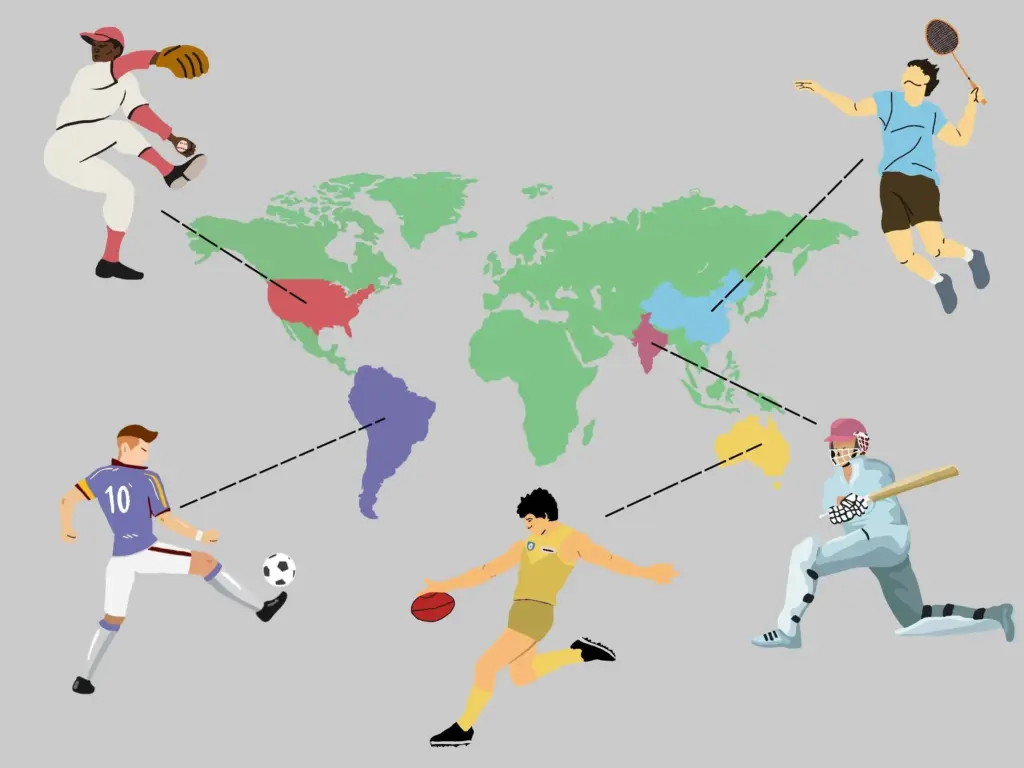
In numerous cultures, sports serve as a critical link to national identity and pride. The fervor surrounding national sporting events often intertwines with cultural narratives, reinforcing societal cohesion and nationalistic sentiments. In countries like India and Pakistan, cricket transcends being merely a sport; it is a cultural touchstone that evokes deep national pride. Enthusiasm for the sport serves as a common language that unites millions, making it a powerful tool for fostering cultural identity.
However, the intertwining of sports and national identity can culminate in complex societal dynamics. While sports can indeed unify, they can also create rifts when nationalistic pride leads to exclusionary practices or heightened tensions between rival nations. The passion of fans can sometimes escalate beyond sportsmanship, revealing deeper societal challenges related to identity and nationalism. Thus, while sports glorify collective achievement, they also require mindful engagement to mitigate potential divisive impacts.
Addressing Social Issues through Sports Initiatives
Sports can act as a powerful platform for addressing major societal issues through targeted initiatives that promote social awareness and responsibility. Programs that integrate youth development with sports training, for example, transcend athletic skill-building by also focusing on teaching critical life skills and promoting social values. These initiatives can help disenfranchised youth from marginalized communities find purpose and foster self-efficacy, addressing issues related to inequality and access.
Moreover, sports can mobilize communities to rally around social justice issues, exemplified through events like the Special Olympics and other community outreach programs. By showcasing the abilities of individuals with disabilities, such events challenge societal stereotypes and promote inclusivity. In this way, sports don’t merely entertain—they champion critical social narratives and represent collective goals for equity and representation within society.
Controversies: The Dark Side of Sports
While the unifying and transformative aspects of sports are celebrated, it is essential to acknowledge the controversies that plague various sports domains. Issues such as doping scandals, corruption, and questions around equity, particularly in women’s sports, challenge the very essence of what sports represent in society. The public’s frustration over uneven pay scales and opportunities reveals deep-rooted societal inequities that extend beyond the field but are magnified within the realm of athletics.
Moreover, the commercialization of sports presents its own set of challenges, often shifting the focus from community enrichment to financial gain. This transition sometimes alienates local sports programs, stripping away the grassroots connections that traditionally fostered community engagement. As sports evolve into major commercial enterprises, the integrity of their cultural significance can be at stake, calling for renewed dialogues about the values we prioritize in the sports ecosystem.
Empowering Voices: Athletes and Social Justice
Athletes increasingly utilize their platforms to advocate for social justice, reflecting sports’ evolving role in society. With a growing recognition of their influence, professional athletes are raising awareness on important issues, such as police brutality, climate change, and gender equality. Through organized protests and vocal campaigns, athletes are challenging societal norms, highlighting inequities, and inspiring advocacy within their fanbases. The courage to address these topics has made sports arenas staging grounds for broader social movements.
The examples set by influential athletes—like kneeling during the national anthem or participating in charity events—demonstrate how sports figures wield their platforms to resonate with socially conscious narratives. This intersection of sports and activism not only cultivates awareness but also fosters a cultural dialogue around the importance of using influence to uplift marginalized voices within society, illustrating how integral sports and activism are within the contemporary cultural landscape.
The Future of Sports and Cultural Influences
The future of sports is inextricably linked to its cultural and societal influences, as the increasing intersectionality of sports with pressing social issues demands continuous adaptation. Looking forward, there is a growing expectation for sports organizations and athletes alike to assume proactive stances on various cultural and societal dilemmas. This shift could shape the next generation’s view of sports as an essential vehicle for change, inspiring youth to engage in societal issues through athletic participation.
Furthermore, technologies such as virtual reality and social media will likely continue to bridge gaps between sports and social narratives. By incorporating innovative storytelling methods, the impact of sports on culture can evolve, engaging younger audiences in ways that promote inclusivity and awareness. As we navigate these changes, the fundamental truths of sports as a unifying force and a platform for cultural identity will remain pivotal in shaping how we view sports in the social fabric of tomorrow.
Frequently Asked Questions
How do sports influence culture and society?
Sports significantly influence culture and society by fostering unity, shaping cultural identities, and driving social change. They create common ground for people from diverse backgrounds, encouraging connections and community spirit. As events like the Olympics and World Cup unite fans, they demonstrate how sports can transcend cultural divides.
What is the impact of sports on society?
The impact of sports on society includes promoting social cohesion, challenging inequalities, and providing a platform for underrepresented voices. Sports have historically been tied to cultural identity, allowing communities to rally around shared passions and values, thus enhancing social structures and relationships.
In what ways do sports promote social change?
Sports promote social change by raising awareness on critical issues, empowering marginalized groups, and driving collective action. For example, initiatives like the Special Olympics highlight inclusivity, while athletes using their platforms to support movements like Black Lives Matter exemplify how sports can influence societal attitudes and bring about change.
How do sports unite people across different cultures?
Sports unite people across different cultures by serving as a universal language that transcends geographical and social barriers. Events such as the FIFA World Cup create a sense of global camaraderie, bringing fans together to celebrate athletic prowess and shared experiences, regardless of their cultural backgrounds.
What role does media play in the influence of sports on culture?
Media plays a crucial role in shaping the influence of sports on culture by highlighting stories that resonate with audiences. Through coverage, documentaries, and social media, the portrayal of athletes and events can challenge perceptions, promote diversity, and foster conversations about social issues within the sports landscape.
How do sports affect cultural identity?
Sports impact cultural identity by embodying values and traditions that communities cherish. They often serve as symbols of national pride, as seen in nations rallying behind teams in events like cricket matches or the Olympics. Thus, sports become intertwined with cultural heritage and collective identity.
Can sports influence gender equality in society?
Yes, sports can significantly influence gender equality in society by increasing visibility and opportunities for women athletes, promoting discussions around equal pay, and challenging stereotypes. The ongoing fight for gender equity in sports highlights broader societal issues and has sparked conversations that echo outside the sporting arena.
What challenges arise from the commercialization of sports?
The commercialization of sports can lead to challenges such as prioritizing profit over community values, diminishing grassroots connections, and increasing disparities between professional levels and local engagement. This shift can threaten the cultural foundations of sports that emphasize inclusivity and social responsibility.
In what way does sports serve as a platform for social justice?
Sports serve as a platform for social justice by providing athletes with a voice to advocate for change. As they leverage their visibility to raise awareness for issues like racial equality and mental health, sports figures can inspire movements and spark important conversations, illustrating the powerful intersection of athletics and activism.
How can sports mitigate social divides within society?
Sports can mitigate social divides by fostering inclusive environments where individuals from various backgrounds can come together, collaborate, and build empathy. Community sports programs and initiatives that promote diversity highlight the importance of mutual respect and understanding, thus reinforcing social bonds and diminishing divisive barriers.
| Key Points | Explanation |
|---|---|
| Historical Context | Sports have evolved from religious festivals in ancient Greece to tools for social change in the 19th century. |
| Unifying Force | Major events like the FIFA World Cup and the Olympics promote unity among diverse communities, fostering a shared identity. |
| Media and Popular Culture | Sports portrayal in media shapes public perception, while social media enables athletes to drive social change. |
| National Identity | Sports evoke national pride, but can also lead to divisiveness and marginalization. |
| Challenges and Controversies | Issues like doping, corruption, and commercialization raise questions about the integrity and purpose of sports. |
Summary
Sports influence culture and society in significant ways, shaping identities and bridging communities across the globe. Throughout history, sports have served not just as entertainment, but as a mirror reflecting societal values, struggles, and transformations. They possess the power to unify people, challenge social norms, and amplify the voices of the marginalized. However, the complexities of sports also present challenges, such as issues of inequality and commercialization, that must be addressed. As we continue to engage with sports, understanding their impact becomes essential in fostering a more inclusive and equitable society.