Listen to this article
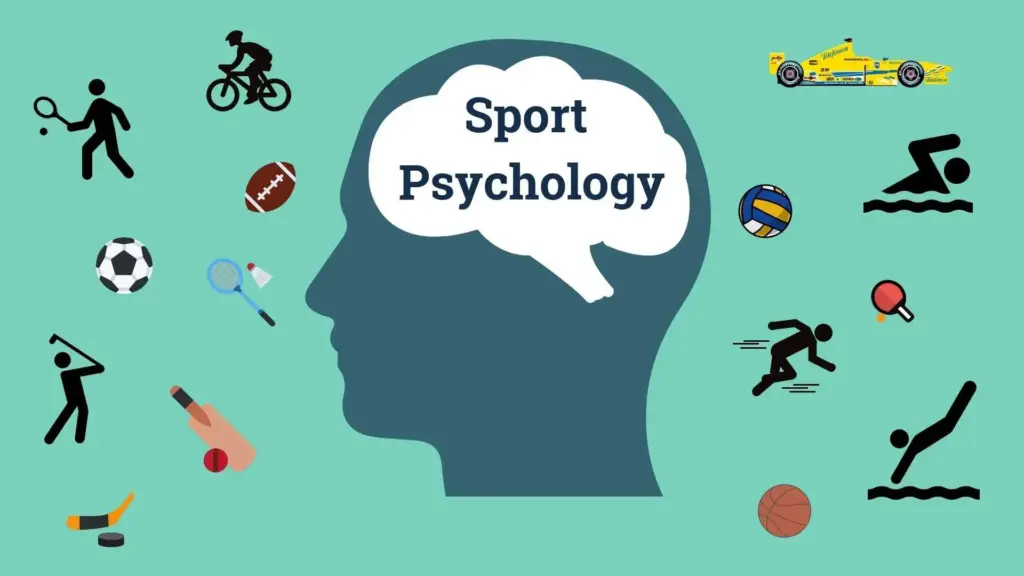
The psychology of sport plays a pivotal role in understanding the intricate mental factors that drive athletic performance. By examining concepts such as athlete motivation and mental toughness, we uncover how a competitor’s mindset can significantly influence success on the field. Sport psychology delves into the various aspects of this discipline, highlighting strategies like visualization techniques and the impact of team dynamics in sports. Athletes are not just physically trained; their mental preparation is equally important as it shapes their ability to overcome challenges and enhance their performance. In this exploration, we aim to unveil how psychological elements intertwine with the pursuit of excellence in the world of sports.
Athlete psychology, often referred to as sports psychology, investigates the mental processes that impact performance in competitive environments. This field emphasizes the importance of psychological resilience, motivation, and the strategies that athletes can utilize to tap into their full potential. Concepts like mental toughness and effective visualization techniques are integral to an athlete’s success, helping them navigate the pressures of competition. Furthermore, understanding team dynamics supports better communication and collaboration among athletes, fostering an environment conducive to optimal performance. By exploring these psychological intricacies, we gain deeper insights into what truly drives athletes to excel in their disciplines.
Understanding the Psychology of Sport
The psychology of sport is an integral field that examines the mental processes and emotions that influence athletes’ performance. It highlights how cognitive patterns, emotional regulation, and behavioral strategies affect outcomes in competitive settings. To fully grasp this, it’s essential to understand concepts such as athlete motivation and mental toughness, which not only enhance physical capabilities but also mental fortitude.
Moreover, sport psychology encompasses various techniques to improve mental resilience, such as goal setting, visualization, and stress management. By integrating these psychological principles, athletes can achieve peak performance and establish a solid foundation for success in their respective sports.
Athlete Motivation: Fueling Performance
Athlete motivation is a critical element that drives individuals to pursue excellence in their sport. Understanding the two main types of motivation—intrinsic and extrinsic—can provide valuable insights into performance enhancement. Intrinsic motivation stems from personal satisfaction and love for the sport, while extrinsic motivation results from external rewards like trophies or recognition.
Determining an athlete’s motivation can significantly influence their training and competition strategies. For instance, athletes who are primarily intrinsically motivated tend to demonstrate greater commitment and resilience, especially in the face of adversity, leading to superior athletic performance over time.
Harnessing Mental Toughness for Success
Mental toughness stands as a defining characteristic of elite athletes. This psychological quality reflects an individual’s ability to persevere, maintain focus, and remain composed amidst challenges. Athletes with high mental toughness often revert to effective coping strategies, like self-talk and visualization techniques, to navigate high-pressure situations and sustain peak performance.
The cultivation of mental toughness can be further developed through deliberate practice and exposure to challenging scenarios in training. Coaches play an essential role in fostering this attribute by creating supportive environments that encourage athletes to challenge their limits and grow their psychological resilience.
The Impact of Visualization Techniques
Visualization techniques are powerful tools employed by athletes to mentally prepare for their competitions. By visualizing themselves executing skills flawlessly and achieving their goals, athletes create a mental blueprint that enhances their confidence and focus. This technique is grounded in the concept of mental imagery, which has been shown to positively correlate with improved athletic performance.
The effectiveness of visualization stems from its ability to program the subconscious mind for success. Athletes who practice visualization regularly report lower anxiety levels and heightened performance during crucial moments, reinforcing the importance of integrating these mental strategies into their training regimen.
Exploring Team Dynamics in Sports
Team dynamics play a pivotal role in the success of any athletic endeavor. A well-functioning team characterized by strong relationships, open communication, and mutual support fosters an environment where athletes can thrive. The psychology of sport emphasizes the significance of teamwork in enhancing motivation and performance through collective goal-setting and shared experiences.
Coaches are instrumental in shaping team dynamics by instilling values of cooperation and trust among team members. Athletes who feel supported by their peers often exhibit increased motivation and a sense of belonging, leading to higher performance levels and overall team success.
Coping with Performance Anxiety and Pressure
Performance anxiety is a common challenge faced by athletes at all levels. It can stem from various sources, including personal expectations, competition stakes, or external pressures. Developing effective coping mechanisms is essential for athletes to perform optimally under pressure. Techniques such as mindfulness can enhance present-moment awareness, allowing athletes to navigate anxiety without losing focus.
In addition to mindfulness, relaxation strategies—like deep breathing exercises—can significantly reduce anxiety and stress during competition. Athletes who cultivate these skills are better equipped to handle pressure and perform at their best when it matters the most.
The Intersection of Psychology and Physical Training
The intersection of psychology and physical training underscores the comprehensive nature of athletic development. While physical strength and skills are crucial for success, the mental aspect cannot be overstated. Athletes must develop mental resilience alongside their physical capabilities to navigate the demands of their sport effectively.
Integrating sport psychology into training regimens enhances athletes’ performance, allowing them to build mental toughness, manage their emotions, and tap into their intrinsic motivation. This holistic approach ensures athletes are well-rounded, prepared to tackle both physical and psychological challenges.
The Role of Coaches in Psychological Development
Coaches have a profound impact on athletes’ psychological development, shaping not only their skills but also their mindsets and motivations. By fostering an environment that encourages mental growth, coaches can help athletes cultivate resilience and a positive outlook, leading to improved performance.
Effective coaching involves understanding each athlete’s psychological needs and tailoring support accordingly. This includes encouraging open communication, providing constructive feedback, and instilling a growth mindset, which significantly enhances athletes’ overall experiences and outcomes in their sports.
Long-term Commitment through Psychological Understanding
Long-term commitment to training and competition is often influenced by an athlete’s psychological understanding and self-awareness. Recognizing personal motivations, setting achievable goals, and developing mental strategies can help athletes maintain their dedication over time. Sustained commitment is essential for achieving peak performance and long-term success in any sport.
Furthermore, athletes who understand their psychological profiles can develop tailored strategies to manage fluctuating motivation levels, enabling them to remain focused and engaged throughout their journey. This self-awareness is crucial for navigating the highs and lows of competitive sports.
Frequently Asked Questions
What is the role of the psychology of sport in athletic performance?
The psychology of sport plays a vital role in athletic performance by influencing an athlete’s mindset, motivation, and mental toughness. These mental aspects can significantly impact how athletes face challenges, stay motivated, and ultimately succeed during competitions.
How does mindset affect athlete motivation in sports psychology?
Mindset is crucial for athlete motivation, particularly the difference between growth and fixed mindsets. Athletes with a growth mindset are more likely to embrace challenges and stay motivated, believing that their skills can improve for better performance.
What are the key components of mental toughness in the psychology of sport?
Key components of mental toughness in the psychology of sport include focus, resilience, and the ability to cope with pressure. Athletes who possess high mental toughness maintain confidence and composure, even in challenging competitive situations.
How can visualization techniques enhance athletic performance?
Visualization techniques in sports psychology help athletes mentally rehearse their performances, leading to improved confidence and reduced anxiety. Athletes who practice visualization regularly are often able to achieve their goals more effectively during competitions.
What is intrinsic motivation and how does it relate to sport psychology?
Intrinsic motivation refers to engaging in sports for personal enjoyment and satisfaction. In sport psychology, it is vital as it leads to sustained commitment and success, helping athletes remain dedicated during challenging times.
How do team dynamics impact performance in sports psychology?
Team dynamics play a significant role in sports psychology by fostering a supportive environment. Good team dynamics enhance communication and trust, allowing athletes to perform better due to the psychological safety provided by their teammates.
What techniques can athletes use to manage performance anxiety?
Athletes can manage performance anxiety through techniques like mindfulness and relaxation exercises. These strategies help athletes stay focused and calm, enabling them to perform their best when it matters most.
How is mental toughness developed according to sport psychology principles?
Mental toughness is developed through experience and facing challenges in training and competition. Sport psychology techniques, including self-talk and coping strategies, can also be used to build and enhance an athlete’s mental toughness.
What is the significance of athletic motivation in the psychology of sport?
Athletic motivation is significant in the psychology of sport as it drives an athlete’s commitment and performance. Understanding what motivates athletes can lead to tailored training approaches that yield better results in competitions.
How do relaxation strategies function in sports psychology to improve performance?
Relaxation strategies, such as deep breathing and progressive muscle relaxation, function in sports psychology to reduce anxiety and enhance focus. By alleviating stress, athletes can improve their performance under pressure.
| Key Aspect | Description |
|---|---|
| Mindset | The athlete’s mindset, particularly the distinction between growth and fixed mindsets, significantly impacts performance and resilience. |
| Motivation | Intrinsic and extrinsic motivations influence an athlete’s commitment and engagement in their sport. |
| Mental Toughness | The ability to remain focused and resilient under pressure is crucial for high-performance athletes. |
| Visualization Techniques | Imagining successful performance boosts confidence and reduces anxiety in athletes. |
| Team Dynamics | Strong relationships and support within a team environment enhance performance. |
| Coping Strategies | Mindfulness and relaxation techniques help athletes manage pressure and anxiety. |
Summary
The psychology of sport plays a pivotal role in understanding the dynamics that drive athletes toward success. Athletes must cultivate not only their physical capabilities but also their mental fortitude. Key aspects such as mindset, motivation, and mental toughness are foundational to high-level performance. By employing effective strategies like visualization and fostering supportive team dynamics, athletes can manage performance anxiety and enhance their overall capabilities. As they navigate these psychological dimensions, athletes can unlock new levels of potential, ultimately achieving their goals in competitive sports.