
Listen to this article
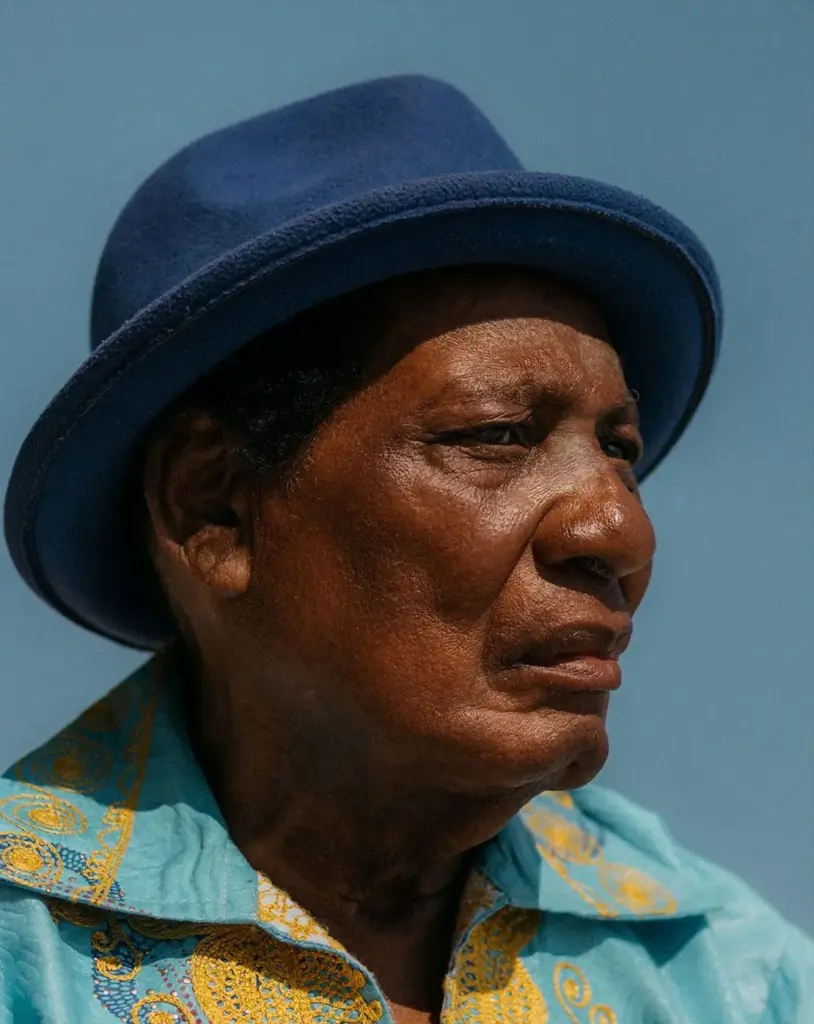
Ebo Taylor, a luminary in the realm of Ghanaian highlife, has left an indelible mark on music history with his dynamic compositions and unique guitar stylings. Born in 1936, Taylor’s innovative approach seamlessly blended traditional Ghanaian sounds with jazz and funk, paving the way for future generations of Ghanaian musicians. His influential work not only helped define highlife but also inspired artists across Africa and beyond, evidenced by his revived popularity in recent decades. Sadly, the world mourns his passing at the age of 90, marking the end of an era for Ghana music history. Ebo Taylor’s legacy is a testament to his profound influence on the evolution of African music, resonating through the works of many contemporary artists who continue to celebrate his artistry.
Ebo Taylor, the renowned Ghanaian guitarist and composer, stands as a pivotal figure in the evolution of highlife music. Touted for his unparalleled guitar prowess, he was instrumental in shaping the soundscape of Ghanaian musical traditions. As a band leader and influencer, he not only contributed to Ghanaian music history but also bridged cultural divides, melding various musical genres into his work. The impact of Taylor’s creativity goes far beyond his lifetime, as his music has become a source of inspiration for countless modern artists. Reflecting on his extensive career, it’s clear that Taylor’s contributions to the music scene will resonate for years to come.
Ebo Taylor: The Icon of Highlife Music
Ebo Taylor, born Deroy Taylor in Cape Coast, Ghana, was a pivotal figure in the highlife genre, a style that intertwines traditional Ghanaian rhythms with Western musical influences. His career began taking off in the late 1950s when highlife gained prominence as Ghana’s representative musical form. Collaborating with bands like the Stargazers and the Broadway Dance Band, Taylor not only showcased his unique guitar technique but also crafted intricate arrangements that set the bar for musical excellence in the region.
As one of the most influential Ghanaian musicians, Taylor’s contribution to highlife music extends far beyond his own performances. He played a fundamental role in shaping the genre’s evolution, exploring the intersections of jazz, funk, and soul. His music resonated across generations, leaving a lasting impact on the African music landscape. Ebo Taylor’s highlife was not just music; it was a cultural heartbeat that celebrated Ghanaian heritage and identity.
The Influence of Ebo Taylor on African Music
Ebo Taylor’s influence stretches across continents, impacting not only Ghanaian music but also the broader African soundscape. His fusions of highlife with jazz, funk, and Afrobeat have inspired countless artists around the world, making him a cornerstone of the genre. Taylor worked alongside renowned musicians like Fela Kuti, contributing to the foundations of Afrobeat, which would later achieve global recognition. This collaboration marked a significant moment in the history of Ghanaian music, highlighting a rich exchange of artistic ideas that transcended borders.
Beyond collaboration, Taylor’s music has been sampled by various international artists, further solidifying his legacy. Tracks from his extensive discography have found new life in modern hip-hop and R&B, proving that Ebo Taylor’s artistic vision continues to resonate with audiences today. The ripple effect of his sound can be heard in the works of global stars such as Usher, the Black Eyed Peas, and Kelly Rowland, who have drawn inspiration from his innovative approach. Taylor’s ability to bridge traditional and contemporary styles has ensured that his influence remains dynamic and relevant.
Ebo Taylor’s Legacy: A Contribution to Ghana Music History
The death of Ebo Taylor at the age of 90 marks the end of a remarkable era in Ghana music history. His body of work is not just a testament to his personal artistry but also a reflection of the rich musical culture of Ghana. Taylor’s innovative spirit and dedication to his craft helped to elevate highlife to an international audience, making it synonymous with Ghanaian identity. His albums like ‘Love & Death’ and ‘Yen Ara’ have become classics, celebrated for their profound lyricism and captivating melodies, which capture the essence of human experience.
In teaching music at the University of Ghana and mentoring younger musicians, Taylor ensured that his knowledge and experience would be passed on to future generations. His commitment to nurturing talent reflects the importance of continuity in the arts, especially within the context of Ghana’s vibrant music scene. Today, as contemporary artists continue to draw upon the foundations laid by Ebo Taylor, his legacy remains integral to the story of Ghanaian music history, serving as inspiration for those who seek to innovate while honoring their roots.
Celebrating the Life and Work of Ebo Taylor
Celebrating the life of Ebo Taylor extends beyond mourning his passing; it involves acknowledging his significant contributions as a musician and mentor. Known fondly as ‘Uncle Ebo,’ Taylor’s warm personality made him a beloved figure in Ghana’s music community. Many remember him not just for his music but for his genuine kindness and approachable demeanor. His ability to connect with artists of all generations, whether they were 50 years his junior or contemporaries, speaks volumes about his character and impact within the music industry.
In a recent tribute, music producer Panji Anoff captured the essence of Taylor’s legacy, noting his willingness to share knowledge and collaborate with those around him. This spirit of camaraderie fostered a community of creativity and learning, ensuring the evolution of highlife music. As we celebrate Ebo Taylor’s life, it is essential to recognize the cultural and educational foundations he laid, which will continue to inspire future generations of musicians in Ghana and beyond.
Ebo Taylor’s Global Recognition and Rediscovery
In the last decades of his life, Ebo Taylor experienced a significant rediscovery of his work on the international stage. His albums, previously cherished by a select audience, found new listeners through global platforms and the increasing interest in African music. The resurgence of interest in Taylor’s artistry signifies an important cultural moment, as it highlights the timeless relevance of highlife and its ability to resonate with diverse audiences across the globe.
This global recognition is not merely about Taylor’s music being played in foreign lands but also about the appreciation of Ghanaian culture and artistry. By embracing his work, listeners from various backgrounds are introduced to the foundational sounds of highlife, expanding their understanding of African music history. The renewed interest in his albums such as ‘Love & Death’ showcases the enduring appeal of Taylor’s insights into love, mortality, and the human experience, ensuring that his influence will continue to inspire new phases of African music for years to come.
Ebo Taylor’s Collaborations with Ghanaian Artists
Throughout his illustrious career, Ebo Taylor worked with some of the most respected Ghanaian musicians, leaving an indelible mark on the country’s music scene. His collaborations with artists like Pat Thomas and CK Mann helped to elevate highlife music, infusing it with his distinct style and captivating arrangements. These partnerships allowed for a rich dialogue among musicians and contributed a wealth of musical knowledge and creativity to Ghana’s growing sound.
Taylor’s role as a band leader, arranger, and producer highlighted his versatility and deep understanding of music. Each collaboration not only resulted in memorable songs but also showcased how highlife could adapt and evolve through collective creativity. As today’s Ghanaian musicians continue to draw on Taylor’s collaborative spirit and principles, they honor his method while striving to innovate within the genre, ensuring that Ebo Taylor’s legacy as a collaborator and mentor remains strong.
Ebo Taylor’s Teaching and Mentorship Role
Towards the latter part of his career, Ebo Taylor dedicated a significant portion of his time to teaching music at the University of Ghana. This role not only allowed him to pass on his extensive knowledge but also to inspire young musicians who would carry forward his legacy. By engaging with students and sharing stories of his experiences, Taylor cultivated a nurturing environment that encouraged creativity and exploration within the realms of highlife and other genres.
His mentorship extended beyond the classroom as he worked closely with emerging artists, guiding them in their musical careers. Taylor’s insistence on the importance of cultural roots combined with modern expression has encouraged countless musicians to explore their heritage while innovating their sound. This commitment to fostering new talent ensures that the essence of Ebo Taylor’s artistry will continue to thrive in the hearts of future generations.
The Legacy of Ebo Taylor’s Music in Afrobeats
Ebo Taylor’s influence is profoundly felt in the evolution of afrobeats, a genre that blends elements of highlife with global musical trends. Many contemporary afrobeats artists cite Taylor’s innovative fusions as a critical inspiration, demonstrating how his work laid groundwork for this modern genre. By infusing traditional Ghanaian sounds with diverse influences, Taylor helped pave the way for the genre’s global takeoff, which has captivated audiences far beyond Africa.
Artists active in the afrobeats scene continue to draw upon the heritage of musicians like Ebo Taylor, channeling his rhythmic styles and melodic structures into their own compositions. This symbiotic relationship signifies the importance of maintaining cultural ties while pushing towards innovation, ensuring that Ebo Taylor’s legacy is alive and relevant within today’s dynamic music landscape. Taylor’s profound impact on afrobeats exemplifies how highlife remains a vital force shaping African popular music.
Remembering Ebo Taylor: His Impact on Contemporary Ghanaian Artists
Ebo Taylor’s impact on contemporary Ghanaian artists is monumental, as many of them continue to pay homage to the highlife icon’s musical contributions. His pioneering spirit inspired a new generation of musicians who seek to blend traditional sounds with contemporary styles, creating innovative music that resonates with both local and international audiences alike. Artists often express admiration for Taylor’s creativity and dedication, recognizing him as a major influence in their own musical journeys.
As Ghana’s music scene evolves, Ebo Taylor’s work serves as a guiding light for aspiring musicians. His legacy is celebrated in various music venues around the country as artists perform classic highlife tunes that celebrate his genius. By keeping his music alive, contemporary artists not only honor Taylor’s legacy but also ensure that future listeners understand the roots of Ghana’s vibrant musical heritage.
Frequently Asked Questions
Who is Ebo Taylor and what is his significance in Ghanaian music history?
Ebo Taylor was a revered Ghanaian guitarist, composer, and bandleader whose work was pivotal in defining the highlife genre. His influence over decades helped shape Ghana music history and inspired numerous African musicians.
What are some of the musical styles that Ebo Taylor incorporated into highlife?
Ebo Taylor expertly fused traditional Ghanaian rhythms with jazz, funk, soul, and early Afrobeat, creating a unique sound that expanded the boundaries of highlife music.
How did Ebo Taylor influence contemporary musicians?
Ebo Taylor’s impact on contemporary musicians is profound; his recordings have been sampled by international artists in genres like hip-hop and R&B, introducing his highlife sound to new audiences worldwide.
What notable collaborations did Ebo Taylor have throughout his career?
Ebo Taylor collaborated with prominent artists such as Pat Thomas and CK Mann and worked alongside influential figures like Fela Kuti during his time in London, contributing to the development of Afrobeat.
What is a significant album released by Ebo Taylor, and what themes does it explore?
One significant album by Ebo Taylor is ‘Love & Death,’ which reflects on themes of relationships and mortality, showcasing his lyrical depth and musical sophistication.
What was the impact of Ebo Taylor’s death on the music community?
Ebo Taylor’s death at the age of 90 marked a significant loss for the music community, as he was a foundational figure whose legacy in highlife and influence on Ghanaian musicians remains celebrated.
How did Ebo Taylor’s music gain recognition in the global market?
Ebo Taylor’s music gained global recognition over the last 25 years of his life, highlighted by the release of albums like ‘Appia Kwa Bridge,’ which helped attract international fans and showcases his enduring influence.
In what ways did Ebo Taylor contribute to teaching music in Ghana?
In addition to his musical career, Ebo Taylor taught music at the University of Ghana, nurturing new talent and contributing to the music education landscape in the country.
What is Ebo Taylor’s legacy in the context of African popular music?
Ebo Taylor’s legacy is characterized by his ability to bridge traditional and modern musical sounds, leaving behind a rich catalog that continues to influence contemporary styles, including afrobeats.
How did Ebo Taylor describe his later life and recognition?
Reflecting on his later life, Ebo Taylor acknowledged his recognition came later than expected, stating, ‘I think I’ve had my day,’ highlighting his gratitude for the appreciation of his work.
| Key Point | Details |
|---|---|
| Ebo Taylor’s Background | Born Deroy Taylor in Cape Coast, Ghana, in 1936. |
| Rise to Prominence | Gained fame in the late 1950s and early 1960s as highlife became popular in Ghana. |
| Musical Style | Fused Ghanaian rhythms with jazz, funk, soul, and Afrobeat. |
| Influence on Afrobeat | Collaborated with Fela Kuti in the 1960s, contributing to Afrobeat’s development. |
| Teaching Career | Spent later years teaching music at the University of Ghana. |
| Legacy | Recognized as a foundational figure in African popular music; influenced many genres. |
| Global Recognition | Music sampled by numerous international artists, broadening his audience. |
| Personal Touch | Remembered fondly as ‘Uncle Ebo’ for his approachable nature. |
Summary
Ebo Taylor leaves behind a legacy that has profoundly shaped the landscape of African music. His innovative blend of traditional highlife with modern genres not only garnered him respect in his native Ghana but also earned him international acclaim. With each note from his guitar and every intricate arrangement, Ebo Taylor has woven a rich tapestry that continues to inspire new generations of musicians around the world. His enduring influence will be felt for many years to come, as he remains a pivotal figure in the story of African music.