
Listen to this article
The Bridge on the River Kwai stands as a towering example of epic war films that has captivated audiences since its release in 1957. Directed by the visionary David Lean, this classic film intricately weaves together themes of honor, conflict, and human perseverance against the backdrop of a harrowing World War II story. Its profound narrative and stunning cinematography have earned it a well-deserved spot among the best war movies ever made, with critics often pointing to its gripping portrayal of prisoners of war and their captors. Notably, The Bridge on the River Kwai bagged multiple Oscars in 1957, including the prestigious Best Picture and Best Director, solidifying its status within the pantheon of classic films. With a combination of compelling performances, particularly by Alec Guinness, and an unforgettable score, this film remains an enduring masterpiece that prompts reflection long after the credits roll.
Widely regarded as a cinematic milestone, the film known as The Bridge on the River Kwai delves into the complex realities of wartime experiences and the moral dilemmas that arise. This filmic treasure, helmed by acclaimed director David Lean, invites viewers into a gripping narrative set during the Second World War, showcasing the struggles within a POW camp and the relentless drive to survive. By blending historical events with emotional depth, it transcends the typical action narrative found in many war dramas. Critics laud its multifaceted storytelling and impressive visuals, affirming its place alongside other cinematic greats that have grappled with themes of war and humanity. As we explore the legacy of this iconic film, it is clear that its influence continues to resonate, making it a staple among those who appreciate the artistry of classic cinema.
The Epic Legacy of The Bridge on the River Kwai
The Bridge on the River Kwai stands as a monumental achievement in the realm of epic war films. Directed by the legendary David Lean, it captures the essence of conflict through breathtaking visuals and a gripping narrative. Released in 1957, this classic film remains a defining moment in cinematic history, often cited among the best war movies ever made. Its powerful storytelling not only depicts the horrors of war but also explores the complexities of human nature and discipline. The film’s legacy continues to influence filmmakers and serve as a benchmark for quality in the genre.
With its release, The Bridge on the River Kwai garnered immense critical acclaim, receiving seven Academy Awards, including the prestigious Best Picture and Best Director for David Lean. The film’s profound impact is evident in its ability to resonate with audiences decades after its initial release. The haunting theme composed by Malcolm Arnold and the iconic performances, particularly by Alec Guinness and William Holden, add layers of depth that are rarely matched in contemporary cinema. As films continue to evolve, The Bridge on the River Kwai remains a central piece of discussion among film enthusiasts, further solidifying its status as an epic classic.
David Lean’s Mastery in War Cinema
David Lean’s directorial prowess is on full display in The Bridge on the River Kwai, as he masterfully balances both action and introspection. Lean approaches the war genre not just with visuals of battles and conflict but with profound emotional depth, inviting the viewer to reflect on themes of honor, betrayal, and the futility of war. This nuanced storytelling sets Lean apart from other filmmakers and has cemented his films, particularly this one, as key cornerstones of classic cinema. His ability to weave a compelling narrative with strong character development makes this film more than just a war story; it becomes a commentary on human resilience.
The style and scope of Lean’s filmmaking are commendable, utilizing the cinematic landscape to highlight the brutality and beauty of the Thai jungle where the film was shot. Critics often laud The Bridge on the River Kwai for its stunning cinematography and direction, both of which contribute to its overwhelming impact. In essence, Lean did not merely create a war film; he contributed a timeless narrative that still finds relevance today, influencing generations of filmmakers who aspire to emulate his skill in creating epics that resonate deeply with their audience.
The Screenplay Behind the Masterpiece
Behind every iconic film lies a screenplay that captures the heart of the story, and The Bridge on the River Kwai is no exception. Despite the challenges faced by its writers, including Carl Foreman and Michael Wilson, who penned the script amidst blacklisting, their work shines through in the film’s intricate dialogue and layered character development. Originally adapted from Pierre Boulle’s novel, the screenplay expertly blends narrative complexity with stark realism, providing viewers with a deep and immersive experience of life as a prisoner during wartime. This adaptability demonstrates the timeless quality of the source material, which resonates through the years.
The screenplay’s recognition has a complicated history; while Pierre Boulle received the Oscar for Best Adapted Screenplay, it wasn’t until 1984 that the true contributors, Foreman and Wilson, were acknowledged posthumously. This delay highlights the historical context in which the film was made and the political climate of Hollywood at the time. The meticulous attention to detail in the writing creates a narrative that not only entertains but challenges viewers to consider the moral implications of war. As such, the screenplay of The Bridge on the River Kwai serves as a testament to the power of perseverance in storytelling, marking its place in cinematic history.
A Timeless Classic Among the Oscars of 1957
The Bridge on the River Kwai is forever etched in the annals of cinema history as a standout contender during the Oscars of 1957. Its impressive accolade haul, including seven Academy Awards, underscores its critical acclaim and recognition in a competitive year. Beyond the technical achievements in direction and acting, the film’s robust themes and moral dilemmas place it directly in the spotlight, allowing it to triumph over its peers in the prestigious award circuit. Classic films like this often set a high benchmark for storytelling, balance, and character exploration, making it an essential study in filmmaking education and analysis.
The film’s success at the Oscars was significant not only for its accolades but also for its ability to touch the hearts of both critics and audiences alike, establishing its place among the best war movies of all time. The sheer impact of its messages about honor, loyalty, and the bureaucracy of war resonate even today, showcasing why it remains relevant in discussions surrounding historical and modern warfare. As films are released into the ever-changing landscape of cinema, The Bridge on the River Kwai proves time and again that its narrative and execution are timeless treasures worth preserving and celebrating.
Themes of Conflict and Humanity
One of the most compelling elements of The Bridge on the River Kwai is its exploration of conflict—not just the physical battles fought on the frontier, but the internal struggles of its characters. While it presents a narrative steeped in the horrors of war, it also deftly navigates the complexities of loyalty, pride, and human suffering. This duality makes the film not merely a depiction of war but an examination of what it means to be human in desperate circumstances. Characters are faced with ethical dilemmas that question their sense of duty, integrity, and ultimately their survival, leaving viewers to ponder such themes long after the film ends.
The film’s intricate study of its characters offers a rich tapestry of personalities, from the determined Colonel Nicholson, played by Alec Guinness, to the pragmatic approach of William Holden’s character. These dynamics create a compelling backdrop to the film’s central conflict, drawing audiences into the emotional stakes of the narrative. The juxtaposition of characters with contrasting motivations raises significant questions about morality and the consequences of one’s actions during wartime. By crafting such a multifaceted portrayal of conflict, The Bridge on the River Kwai not only entertains but acts as a mirror for audiences, reflecting the ideals and moral intricacies of human nature in a time of crisis.
Cinematic Techniques in Classic War Films
The seamless blend of cinematic techniques in The Bridge on the River Kwai contributes significantly to its status as an epic war film. David Lean’s directorial choices, including expansive shot compositions and deliberate pacing, enhance the storytelling experience, allowing viewers to feel the weight of each scene. The use of stunning visuals captures the beauty and harshness of the landscape, immersing audiences in the setting while also emphasizing the themes of entrapment and resilience. By engaging viewers with breathtaking cinematography, Lean crucially heightens the emotional stakes, drawing them deeper into the narrative.
Moreover, the film’s sound design plays a vital role in establishing atmosphere and tension. The iconic march that accompanies the film is both haunting and memorable, serving to underscore the soldiers’ plight while also symbolizing the futility of their struggles. This careful attention to sound enhances moments of both dramatic tension and introspection. Such sophisticated integration of visuals and audio renders The Bridge on the River Kwai a quintessential study in how classic films can utilize cinematic techniques to create powerful storytelling. As a result, this film remains an essential reference point for aspiring filmmakers examining the art of crafting compelling narratives.
The Enduring Influence of The Bridge on the River Kwai
The enduring legacy of The Bridge on the River Kwai extends far beyond its initial release, influencing filmmakers, writers, and audiences across generations. Its thematic depth and technical mastery set a high standard for future war films, inspiring countless works that seek to explore the human condition amidst chaos. Themes of loyalty, betrayal, and the absurdity of war continue to resonate in contemporary storytelling, proving that the messages conveyed in Lean’s film are as relevant now as they were in 1957. The film serves as a reminder of the power of cinema to provoke thought and spark dialogue about the realities of conflict, identity, and morality.
As new adaptations and interpretations of war stories arise, The Bridge on the River Kwai stands solidly as a touchstone for filmmakers and scholars alike. Its impact can be observed in modern narratives that engage critically with the past and provide audiences with a deeper understanding of historical events. Thus, the film not only entertains but educates, offering insights into human resilience and the complexities of war. With its rich legacy, it remains an essential part of cinematic history, ensuring that the story of The Bridge on the River Kwai will continue to be shared and appreciated for years to come.
Frequently Asked Questions
What makes The Bridge on the River Kwai one of the best war movies?
The Bridge on the River Kwai is hailed as one of the best war movies due to its powerful narrative, compelling characters, and its dual perspective as both a war and anti-war film. Directed by David Lean, it showcases the human spirit under duress, capturing the struggles of POWs against the backdrop of World War II. Its epic scale and unmatched production quality have solidified its status as a classic in cinema.
How did The Bridge on the River Kwai achieve its critical acclaim and Oscars in 1957?
The Bridge on the River Kwai garnered critical acclaim and won seven Academy Awards in 1957, including Best Picture and Best Director for David Lean, largely due to its profound storytelling, exceptional performances, and groundbreaking cinematography. The film’s reflection on the futility of war resonates deeply, contributing to its lasting legacy as a formidable entry in epic war films.
Who wrote the screenplay for The Bridge on the River Kwai and what was its significance?
The screenplay for The Bridge on the River Kwai was written by banned Hollywood screenwriters Carl Foreman and Michael Wilson, who worked secretly while blacklisted. Despite not being credited initially, their work played a fundamental role in the film’s success, illustrating a powerful narrative that reflects the complexities of war. Boulle, the original author, later received posthumous recognition after the Academy corrected the credits in 1984.
In what ways does The Bridge on the River Kwai blend genres of war and anti-war films?
The Bridge on the River Kwai artfully blends genres by portraying the heroism and resilience of its characters while simultaneously critiquing the absurdity of war. The film emphasizes the conflicts between duty, honor, and survival, making it a poignant example of how war movies can possess anti-war messages, illustrating the cost of conflict on humanity.
Why is The Bridge on the River Kwai considered a timeless classic?
The Bridge on the River Kwai is deemed a timeless classic due to its intricate storytelling, stunning visuals, and powerful performances by actors such as Alec Guinness. Its themes of sacrifice and moral ambiguity remain relevant, allowing the film to resonate with audiences over decades. Additionally, its technical achievements and cinematic artistry set a standard in classic films that continue to inspire filmmakers.
| Key Points |
|---|
| The Bridge on the River Kwai is a seminal war film directed by David Lean, known for its epic scale and powerful narrative. |
| The film is nearly 70 years old and has retained its reputation as one of the greatest films of all time. |
| It boasts high ratings on Rotten Tomatoes: 96% critic score and 93% audience score. |
| The film explores themes of war and anti-war sentiments, making it a dual narrative piece. |
| It is based on the novel by Pierre Boulle but adapted through the contributions of Carl Foreman and Michael Wilson. |
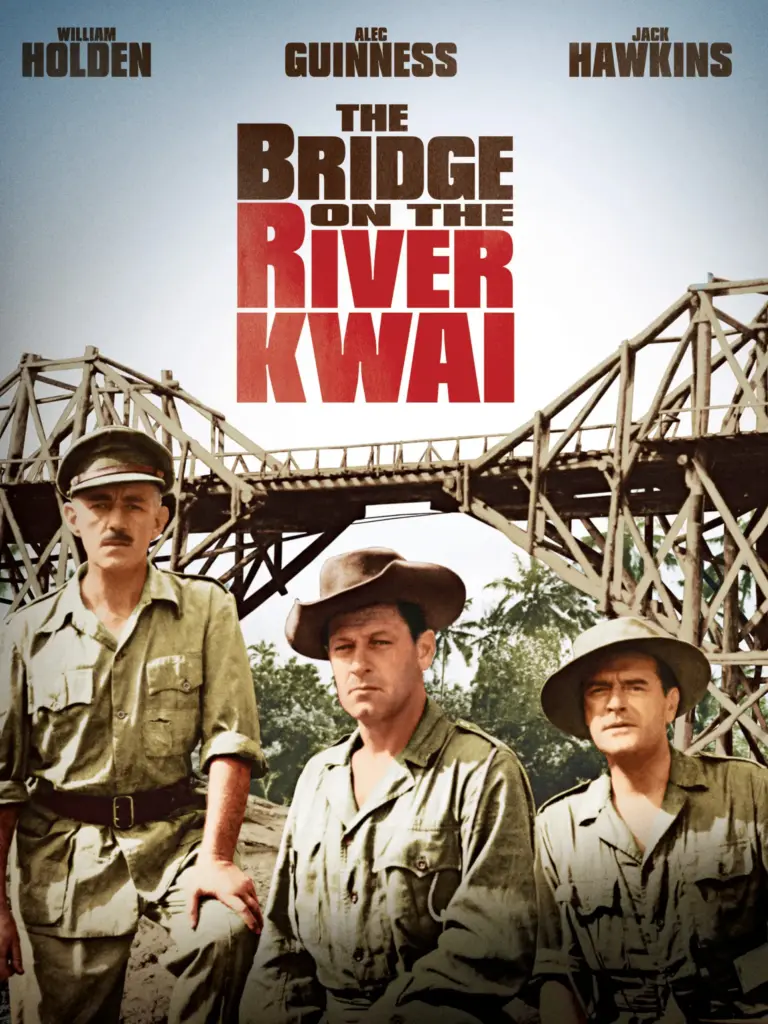
| Alec Guinness, William Holden, and Jack Hawkins star in this masterfully produced film. |
| The movie won seven Academy Awards, including Best Picture and Best Actor for Alec Guinness. |
Summary
The Bridge on the River Kwai stands as a timeless testament to the art of filmmaking, encapsulating both the brutality of war and the complexity of human spirit. Its powerful storytelling, combined with magnificent performances and outstanding direction, continues to resonate with audiences and critics alike. With its prestigious accolades and sustained relevance, it is clear why The Bridge on the River Kwai is celebrated as not just a great war film, but a cinematic masterpiece that challenges perceptions of warfare and humanity.