
Listen to this article
Effective Business Communication is a fundamental aspect of achieving success in any organization. In today’s interconnected world, the ability to articulate ideas clearly and effectively is paramount for collaboration and productivity. From team meetings to client discussions, mastering the nuances of effective communication in business can significantly impact workplace relationships and overall performance. Moreover, as businesses strive for innovative solutions, understanding the importance of communication becomes increasingly vital in fostering a positive work environment. In this article, we will delve into practical business communication tips that enhance your skills and drive success within your team.
When we talk about effective dialogue within organizations, we often refer to the essential skillset that facilitates seamless interactions in a corporate setting. This encompasses everything from verbal exchanges to written correspondence, all of which play a critical role in shaping a cohesive workplace. Mastering the art of interaction in business is essential, irrespective of the scale of the enterprise. Whether navigating team collaborations or engaging with clients, understanding how to communicate effectively is crucial for fostering staff relations and supporting business objectives. As we explore various strategies for enhancing communication capabilities, it becomes clear that prioritizing this skill can lead to remarkable improvements in organizational dynamics.
Understanding the Basics of Business Communication
Business communication encompasses a broad spectrum of modalities including written messages, verbal conversations, and non-verbal interactions that occur in a professional setting. From the moment an outline is sketched for a project to the final presentation in a boardroom, effective communication is the thread that ties all these elements together. Grasping the fundamentals of how to convey messages clearly and concisely is paramount, as it sets the groundwork for all interactions within a business.
Furthermore, recognizing the different channels of communication can enhance engagement and clarity. Emails, memos, and reports serve formal contexts, while meetings and casual conversations can foster a collegial atmosphere. Understanding when to use each type of communication is key to optimizing responses and maintaining transparency across the organization. This adaptability leads to more effective communication in business, directly impacting teamwork and productivity.
The Importance of Effective Communication in Business
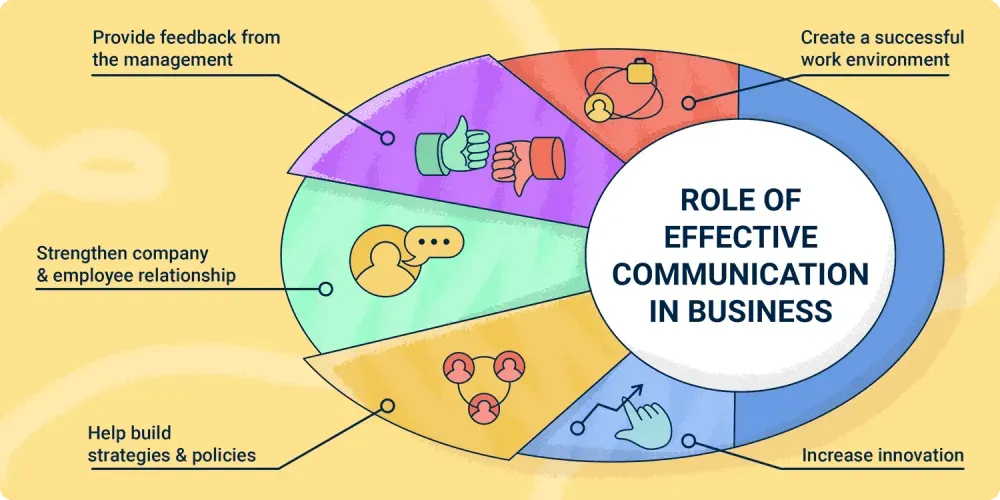
Effective communication is essential for fostering collaboration among team members. When individuals communicate their responsibilities and share updates transparently, it minimizes the chances for conflicts and misunderstandings. As a result, this collaborative spirit not only enhances individual performance but also drives collective achievements. Companies that prioritize clarity in their communication often see a marked improvement in employee satisfaction and overall business success.
Moreover, effective communication contributes to a culture of trust and openness within the workplace. When employees feel informed and included in discussions about company goals and challenges, they are more likely to engage with their work and contribute positively. This creates a feedback-rich environment where employees feel empowered to share their insights. Ultimately, the importance of communication cannot be overstated; it is the foundation upon which all successful business operations are built.
Tips for Mastering Business Communication Skills
To become an effective communicator in a business setting, it is essential to define your purpose before initiating any form of dialogue. This clarity helps in shaping your message appropriately, whether it is to inform, persuade, or seek collaboration. Taking time to understand the goal of your communication will tailor your approach, ensuring that your message aligns with the intended outcome. When your intentions are clear, it simplifies the process of effective communication in business.
Additionally, knowing your audience becomes a critical factor in successful business communication. Tailoring your language and approach to meet the audience’s preferences increases the chances of your message being well-received. By considering factors such as the audience’s background, professional level, and preferred modes of communication, you can create a more engaging and effective interaction. This not only improves immediacy and clarity but also helps build strong professional relationships.
The Role of Active Listening in Business Communication
Active listening is often overlooked yet is one of the most critical components of effective communication in business. It involves being fully present during conversations, which fosters a deeper understanding of messages being conveyed. When team members demonstrate active listening, it signals respect and encourages open dialogue, which can lead to innovative ideas. This practice reinforces relationships and enhances collaboration, allowing for a more dynamic and creative workplace.
In addition to improving relationships, active listening can help clarify misunderstandings that often derail projects and initiatives. By confirming what was said through paraphrasing or asking questions, both parties ensure that their messages hit the mark. This practice not only streamlines communication but also promotes a culture of respect and collaboration, ultimately leading to better outcomes within the organization.
Feedback: A Key Element of Effective Business Communication
Feedback is an essential mechanism in the communication process, enabling business communication to evolve and improve continually. It can take various forms, from formal performance reviews to informal exchanges during team meetings. Providing constructive feedback helps individuals grow and refine their skills, reminding them of the importance of their contributions to the team. This cycle of feedback encourages a culture where everyone feels responsible for their performance and the overall success of the organization.
Moreover, fostering a feedback-rich environment builds trust and openness. When employees feel comfortable giving and receiving feedback, it enhances engagement and motivates teams to strive for excellence. Encouraging open lines of communication where feedback is exchanged freely not only improves individual performance but can lead to significant business growth and innovation.
The Impact of Non-Verbal Communication in Business Settings
Non-verbal communication is another critical aspect that complements verbal exchanges in the workplace. Body language, facial expressions, and gestures have a profound influence on how messages are interpreted. Being aware of non-verbal cues can greatly enhance the effectiveness of your communication, helping to convey confidence, enthusiasm, or empathy. For instance, maintaining eye contact during discussions can build trust and make your message more convincing.
Additionally, inconsistency between verbal and non-verbal communication can lead to confusion. When your body language contradicts your words, it can raise doubts about your sincerity. Thus, being mindful of your non-verbal signals is essential for achieving clarity and fostering open communication in the workplace. Cultivating awareness of these dynamics ultimately leads to more authentic and productive interactions between team members.
Utilizing Technology to Enhance Business Communication
In our increasingly digital era, utilizing technology effectively is paramount for improving business communication. Tools such as instant messaging, video conferencing, and collaborative platforms enable greater flexibility in how teams interact. These digital tools can enhance immediacy, allowing for quick discussions that facilitate decision-making and streamline processes. Embracing technology increases efficiency and keeps teams connected, irrespective of geographical barriers.
However, it is important to approach technology with caution, ensuring that it enhances rather than frustrates communication. Being aware of potential technical challenges and selecting the right tools for the task can minimize disruptions and maintain focus during discussions. By understanding the technology landscape in the workplace, organizations can create a communication strategy that not only leverages digital tools effectively but also ensures that every team member is on the same page.
Frequently Asked Questions
What are some essential business communication tips for success?
To enhance effective business communication, focus on defining your purpose, knowing your audience, choosing the right medium, being clear and concise, and actively listening. These business communication tips ensure your message is understood clearly and fosters a productive workplace.
Why is the importance of communication vital in a business environment?
The importance of communication in business lies in its ability to improve collaboration, promote clarity, build relationships, and facilitate decision-making. Effective communication ensures that team members are aligned, engaged, and able to work towards common goals efficiently.
How can I improve my business communication skills?
To improve business communication skills, practice active listening, seek constructive feedback, refine your message for clarity, and adapt your style to your audience. Engaging in workshops or training sessions focused on effective communication in business can also be beneficial.
What role does non-verbal communication play in effective business communication?
Non-verbal communication significantly impacts how messages are delivered and interpreted in the workplace. Effective communication requires awareness of body language, facial expressions, and gestures to ensure they align with spoken words, enhancing clarity and understanding.
How can I encourage open communication in the workplace?
To encourage open communication, create a safe environment where team members feel comfortable expressing ideas and concerns. Promote feedback, actively listen, and ensure that communication in the workplace is transparent, fostering trust and innovation.
What technology can enhance effective business communication?
Utilizing communication technology like project management software, instant messaging platforms, and videoconferencing tools can significantly enhance effective communication in business. These tools streamline interactions and support collaboration, especially in a remote or hybrid work environment.
How do I measure the effectiveness of my business communication?
Measuring business communication effectiveness can be done through employee feedback surveys, performance reviews, and monitoring interactions. Regular assessments help identify strengths and areas for improvement in your effective communication strategy.
| Key Points | Description |
|---|---|
| Understanding Business Communication | Involves all communication in a business context, including written and verbal forms. |
| Importance of Communication | Enhances collaboration, promotes clarity, builds relationships, and facilitates decision-making. |
| Tips for Effective Communication | Define purpose, know your audience, choose the right medium, be clear, listen actively, provide feedback, practice non-verbal cues, adapt your style, utilize technology, and encourage open communication. |
| Measuring Effectiveness | Use employee feedback surveys, performance reviews, and observations for assessing communication effectiveness. |
| Conclusion | By employing effective communication strategies, you can enhance skills that will positively impact your workplace culture and lead to business success. |
Summary
Effective Business Communication is crucial for any organization’s success. When team members focus on clear and purposeful communication, it fosters collaboration, facilitates decision-making, and builds strong relationships. It’s vital to tailor your messages to the audience, choose the right medium, and encourage open discussion to create a positive work environment. By implementing these tips, businesses can not only improve their communication but also enhance overall productivity and morale.

