
Listen to this article
Starting your own business is not just an aspiration; it’s a thrilling adventure that can change your life. As you embark on this entrepreneurial journey, it’s essential to equip yourself with practical business tips and a solid marketing strategy to thrive in the competitive landscape. Effective business planning is crucial and can help you navigate the complexities of launching your own venture, from financial planning to branding. This guide will provide you with insights into essential steps for a successful business launch, ensuring you avoid potential pitfalls along the way. Are you ready to take the leap and turn your business idea into reality?
Embarking on the path of entrepreneurship opens up a world of opportunities for those who are ready to challenge the norm and pursue their passions. Launching a new enterprise requires a blend of creativity, strategic thinking, and diligent preparation. Whether you’re formulating a detailed business framework or crafting a compelling branding strategy, understanding the nuances of your market is vital for success. This guide will illuminate critical aspects like financial management and promotional tactics that can significantly influence the growth of your venture. Let’s dive into the essentials of establishing a thriving enterprise right from the ground up!
Understanding Your Business Idea: Key Steps to Success
Starting your own business relies heavily on a solid understanding of your business idea. It’s vital to not only identify your passion but also to align it with your skills. Following your passion can sustain your motivation through the ups and downs of entrepreneurship. As you embark on this journey, recognizing the core of what inspires you will help create a brand that resonates deeply with your target audience and cultivates customer loyalty.
Market research plays a crucial role in refining your business idea. By evaluating the demand for your product or service through surveys and interviews, you gain valuable insights. Notably, it’s not just about validating your idea—market research enables you to shape it to meet customer needs, blending your passions with market expectations. Such a proactive approach will set a strong foundation for your business planning efforts.
Crafting an Effective Business Plan
Creating a comprehensive business plan is a fundamental step in starting your own business. A well-structured plan acts as a roadmap, guiding you through the tumultuous journey of entrepreneurship. It should clearly outline your business objectives, market analysis, and marketing strategy. Including key components like an executive summary and financial projections will not only clarify your vision but also significantly enhance your chances of securing funding from investors or banks.
Moreover, an obligatory market analysis section allows you to apprentice the competitive landscape. By detailing how your offerings are unique and appealing, you set expectations for potential success. This level of detail also shows lenders and investors that you have a profound understanding of the market needs, ensuring that your business plan is perceived as professional and market-driven.
Essential Funding Options for Your Business
Once your business plan is firmly in place, exploring various funding options becomes the next critical step. Entrepreneurs often utilize personal savings as a launchpad for their business journey. While risk remains a significant factor, using your resources can empower you with complete ownership without external interference. However, it’s essential to weigh the risks carefully and ensure that such a financial model aligns with your long-term goals.
In addition to personal savings, loans can serve as a robust solution for funding. Securing a traditional bank loan or a Small Business Administration (SBA) loan entails presenting your meticulously crafted business plan. This demonstrates your seriousness towards financial planning and your readiness for a responsible repayment plan. Furthermore, attracting angel investors or leveraging crowdfunding platforms can provide not only capital but also invaluable mentorship, connecting you with industry experts who can guide your strategic decisions.
Building a Strong Brand Identity
Establishing a compelling brand is paramount in distinguishing your business. The first step is to choose a business name that encapsulates your mission and aligns with your target audience’s values. This name should be memorable, easily pronounceable, and reflective of what your business stands for. Additionally, a professionally designed logo plays an instrumental role in visually communicating your brand identity.
In this digital age, developing an online presence is no longer optional. Your website and social media accounts are front-facing elements of your business, where customers will engage and form perceptions. Crafting quality content that reflects your brand’s voice not only enhances customer engagement but also boosts your online visibility through effective SEO strategies. This multifaceted approach to branding can significantly contribute to building customer trust and loyalty while ensuring your marketing strategies are effective.
Strategizing for Effective Marketing and Promotion
Once you’re ready to launch, formulating a marketing strategy becomes crucial in capturing your target audience’s attention. Digital marketing avenues present a cost-effective solution for startups, allowing you to tap into various channels such as social media or email marketing. These strategies enable you to reach a broader audience and build engaging relationships with potential customers.
Networking is equally essential; establishing connections within your industry can unlock pathways to referrals and partnerships. Participating in local events or trade shows enhances visibility, providing direct interaction opportunities with your target demographic. Each of these promotional activities necessitates a well-crafted marketing strategy detailed in your business plan, ensuring consistent messaging aligned with your branding efforts.
Setting Up Operational Foundations
The operational framework of your business is the backbone of its success. Deciding on a business structure—whether a sole proprietorship, partnership, or corporation—will significantly influence your taxes and legal liabilities. Clarity in this foundational decision protects your business and ensures compliance with local regulations from the outset.
Registration of your business is another crucial operational step that should not be overlooked. This involves obtaining the necessary licenses and permits to legitimize your business operations. Setting up robust accounting processes is also vital; whether by hiring a professional accountant or adopting suitable accounting software, efficient financial management will provide you with a comprehensive view of your income and expenses, ensuring you stay on track as you launch your new venture.
Launching Your Business Successfully
Launching your business is the culmination of all your preparations and planning. To make this moment memorable, consider executing a promotional strategy such as host launch events or exclusive discount offers. These initiatives not only attract initial customers but also create buzz around your brand.
Post-launch, engaging with your customers to gather feedback is imperative. This interaction provides insights into customer satisfaction and areas for improvement. Embracing a mindset of continuous enhancement sets a foundation for long-term success. The transition from a startup to an established business occurs through relentless adaptation, ensuring you remain relevant and responsive to customer needs.
Frequently Asked Questions
What are the first steps to starting your own business?
The first steps to starting your own business include identifying your passion and skills, conducting thorough market research, and analyzing competitors. These steps will help you shape your business idea and ensure it has a viable market.
How important is a business plan when starting your own business?
A business plan is crucial when starting your own business as it serves as a roadmap, outlining your business goals, target market, financial projections, and marketing strategies. A well-crafted plan can guide your decisions and attract potential investors.
What are some effective marketing strategies for a new business launch?
Effective marketing strategies for a new business launch include digital marketing tactics such as PPC advertising, social media campaigns, and email marketing. Networking, participating in local events, and leveraging SEO can also help generate interest and attract customers.
How can I secure funding for my new business?
You can secure funding for your new business through various avenues such as personal savings, bank loans, angel investors, or crowdfunding platforms. Each option has its pros and cons, and it’s essential to choose the one that aligns with your business plan.
What are some branding tips for starting my own business?
Branding tips for starting your own business include choosing a memorable business name, creating a professional logo, developing a strong online presence, and crafting compelling content. A strong brand will help establish recognition and loyalty among your target audience.
What legal considerations should I keep in mind when starting my own business?
When starting your own business, legal considerations include choosing a suitable business structure (like LLC or corporation), properly registering your business, obtaining necessary permits and licenses, and ensuring compliance with local, state, and federal regulations.
How can I evaluate the success of my business after launching?
You can evaluate the success of your business after launching through various metrics such as sales growth, customer feedback, market penetration, and financial performance. Regularly reviewing these aspects can help you make necessary adjustments to your business strategy.
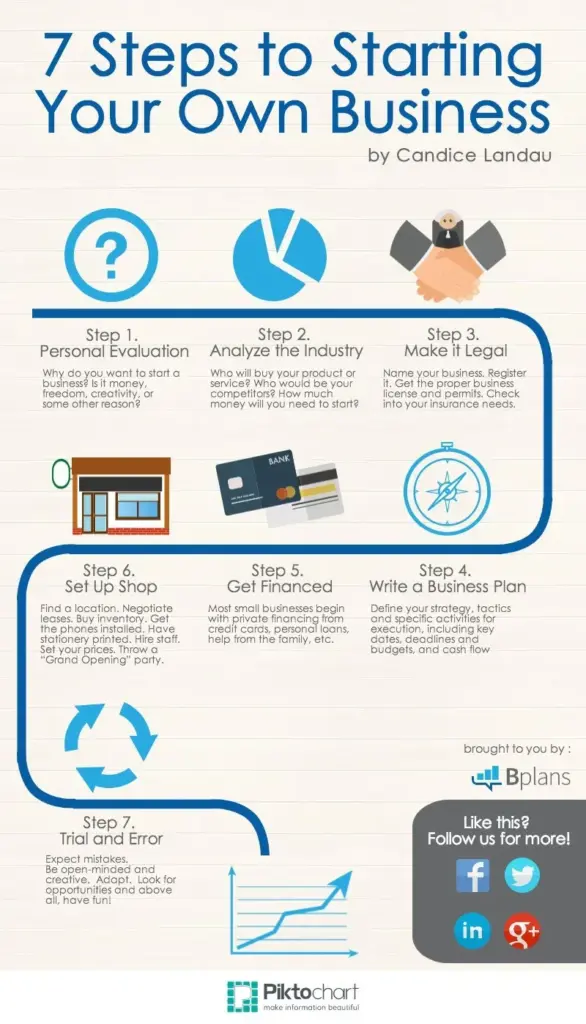
| Key Aspect | Key Points |
|---|---|
| Understanding Your Business Idea | Identify your passion and skills, conduct market research, and analyze competitors. |
| Creating a Business Plan | Draft your executive summary, company description, market analysis, management structure, products/services line, marketing strategy, funding request, and financial projections. |
| Funding Your Business | Explore personal savings, loans, investors, and crowdfunding options. |
| Building a Brand | Choose a memorable business name, create a logo, develop an online presence, and craft compelling content. |
| Marketing and Promotion | Utilize digital marketing, network, participate in events, and leverage SEO for visibility. |
| Setting Up Operations | Choose your business structure, register your business, and set up accounting. |
| Launching Your Business | Promote your launch with events and engage with customers for feedback. |
Summary
Starting your own business is not just a financial endeavor; it is a journey of passion and ambition. As discussed, laying a solid foundation through research, planning, and branding is crucial. Through understanding your business idea, creating a robust business plan, and securing funding, you can visualize your entrepreneurial dream. Remember, consistent efforts in marketing and operations will pave the way for success. So, let’s embark on your entrepreneurial adventure with confidence!

