
Listen to this article
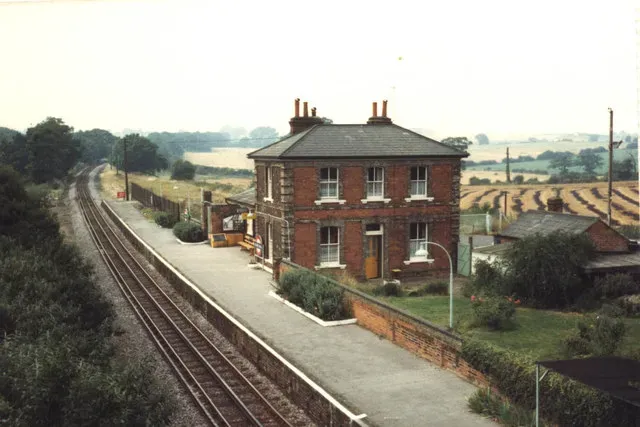
Blake Hall station, once a quiet stop on the London Underground, is now remembered as the least used Tube station in the network. Located in Stanford Rivers, this former station served the local community but struggled with significantly low passenger numbers, averaging just six visitors per day. Despite its initial opening in 1865 and a brief period of operation as part of the Central line, Blake Hall’s history tells the tale of a rural hub that couldn’t quite fulfill its transportation potential. In 1981, it was deemed unviable and subsequently transformed into a private residence, with the platform only restored in 2012 for aesthetic purposes. While the Epping Ongar railway now runs nearby, the story of Blake Hall remains a fascinating chapter in the narrative of London’s suburban railways.
The story of Blake Hall station unfolds in the serene setting of Stanford Rivers, where its legacy as a former railway stop is steeped in intriguing history. This quaint location, once a gateway for transporting agricultural goods into the bustling streets of London, represented the charm of rural transit before it faded into obscurity. Over the years, this station became synonymous with low passenger traffic, earning it the distinction of being the least frequented stop on the London Underground. Today, as the Epping Ongar heritage railway operates in close proximity, Blake Hall stands as a testament to the evolution of transport in London, bridging the gap between past and present. The transition from a functional station to a private home speaks to the shifting demands of rail travel and the enduring allure of railway stories.
The History of Blake Hall Station
Blake Hall station, originally opened in 1865, was a testament to the Victorian era’s expansion in the transport network. Located in the quaint area of Stanford Rivers, just south of Bobbingworth, it played a crucial role in ferrying goods from the surrounding rural areas to London markets. At its inception, Blake Hall was pivotal for local farmers seeking to transport their produce efficiently. However, its significance diminished over time as the transport needs of the community evolved, leading to a steady decline in passenger numbers.
The station was integrated into the Central Line in 1957, further connecting it to London’s vast network. This move was intended to enhance service frequency and accessibility. Nevertheless, by the late 1960s, Blake Hall was struggling to attract passengers, marking the beginning of its decline. Its unfortunate status as the least-used Tube station on the London Underground networks highlighted the challenges faced by rural stations in adapting to changing transport demands.
Blake Hall: The Least Used Tube Station
Despite its historical significance, Blake Hall earned the dubious title of the least-used Tube station, with an average of merely six passengers a day during its final operational years. Even at its peak, the station managed only 17 daily users. This extraordinarily low footfall can be attributed to its remote location and limited service offerings. As rail options expanded elsewhere in the city, stations like Blake Hall gradually became less viable.
In comparison, other stations on the Central Line witnessed burgeoning growth, making Blake Hall’s dwindling patronage even more pronounced. The station ceased operations in 1981 when it became evident that it could no longer sustain itself economically. This closure marked the end of an era, but the legacy of Blake Hall as an integral part of Essex’s rail history continued to live on through local narratives and the occasional visit from heritage rail enthusiasts.
The Transformation of Blake Hall Station into a Private Residence
Following its closure, Blake Hall’s transformation from a rail station to a private residence exemplifies adaptive reuse in architecture. The original structure, with its platform removed, became a home, showcasing the potential for repurposing historic buildings. Local residents and historians view this change as a meaningful preservation of a piece of local heritage, allowing the property to retain its historical significance while serving contemporary needs.
In 2012, the platform was reconstructed purely for aesthetic reasons, enhancing the appeal of the property while serving as a nod to its historical past. The inclusion of visual railway elements not only appeals to the owners but also sparks interest among visitors curious about the area’s railway history. Meanwhile, the Epping Ongar heritage railway continues to run nearby, although it bypasses the former station, allowing the story of Blake Hall to resonate within the context of modern transport and local heritage.
The Role of Blake Hall in Local History
Blake Hall station played a significant role in the socio-economic development of the surrounding rural community. Initially, it served as a critical junction for local farmers to transport their goods to the bustling markets of London. This connectivity not only enhanced the agricultural market but also contributed to the overall growth of Stanford Rivers, establishing it as a notable point on the map during the 19th century.
As time progressed, the importance of such rural stations waned amidst urbanization and the development of more efficient transport systems. Blake Hall’s decline mirrored the struggles faced by many similar stations across the UK. Despite its closure, its legacy continues to inform conversations about rural transport history and the impacts of infrastructure on local economies.
Rail Connections: Epping and Ongar Heritage Railway
The Epping Ongar heritage railway provides a nostalgic glimpse into the past, allowing enthusiasts and the public to experience the charm of vintage trains. Although Blake Hall station no longer serves as a stop on this line, its proximity to the railway allows the site to stay connected to its historical roots. This heritage railway operates through scenic landscapes, reminiscent of the days when Blake Hall was an active link in the wider rail network.
Running between Epping and Ongar, this heritage railway showcases the importance of preserving transport history. While Blake Hall may stand as a private residence, its vicinity to the heritage route ensures that its story continues. Train enthusiasts and local visitors can enjoy the breathtaking countryside while reflecting on the vital role railways played in the region’s development.
Impact of Rural Tube Stations on London’s Transport Network
Rural Tube stations like Blake Hall have had their unique influence on the broader London transport network. Originally designed to connect remote areas to the metropolitan hub, these stations provided essential services to surrounding villages and towns. However, as urban growth spread outward, the need for such stations diminished, leading to the closure of many, Blake Hall included.
The story of Blake Hall serves as a case study in the evolution of public transport, illustrating the changing dynamics of travel and the varying needs of communities. While the London Underground focuses on serving high-density urban areas, the experiences of rural stations prompt discussions about accessibility and public service in less populated regions.
Exploring the Legacy of Blake Hall Station
The legacy of Blake Hall station remains a compelling topic among historians and railway enthusiasts alike. Its brief history as an operational Tube station has sparked interest in the challenges faced by rural transport networks. As urban areas continue to expand, the narrative around Blake Hall underscores the importance of understanding the evolution of transport systems in meeting community needs.
Today, Blake Hall stands as a reminder of the past, embodying an era when connectivity was vital for local economies. Its transformation into a home reflects ongoing trends in adaptive reuse, ensuring that while the station may no longer operate as intended, its story continues to be told and appreciated.
The Future of Heritage Railways in Essex
As heritage railways continue to gain popularity, the future of attractions like the Epping Ongar railway looks promising. These heritage lines not only preserve a form of transport history but also provide educational opportunities for future generations. With growing interest in vintage train operations, there is a bright outlook for heritage rail in Essex and beyond.
At the same time, discussions around the return of services to stations such as Blake Hall spark curiosity. While it is unlikely that Blake Hall will return to its former glory, the interest generated by local heritage trains keeps its history alive, allowing the community to engage with the past while looking towards the future of rural transport options.
The Cultural Significance of Blake Hall Station
Blake Hall station’s cultural significance extends beyond its operational timeline. As the least used station in the London Underground network, it embodies the relationship between rural communities and public transport systems. This duality has sparked cultural narratives and artistic expressions around the history of Blake Hall and its role in regional development.
The stories associated with Blake Hall continue to inspire local artists, writers, and historians seeking to capture the essence of rural transport history. This cultural significance highlights the station’s role as a collective memory, contributing to the rich tapestry of Essex’s heritage while fostering community identity and engagement.
Frequently Asked Questions
What is the history of Blake Hall station on the London Underground?
Blake Hall station was opened in 1865 to facilitate the transport of local farmers’ goods to London. Initially part of the British Railways shuttle service between Epping and Ongar from 1949 to 1957, it became incorporated into the Central line in 1957. However, by the late 1960s, usage declined significantly due to its remote location, resulting in its closure in 1981.
Why is Blake Hall station known as the least used Tube station?
Blake Hall station earned the title of the least used Tube station due to its remarkably low passenger numbers, with an average of six users per day at its peak. This low demand ultimately led to its closure in 1981, as it was deemed not viable for continued operations within the London Underground network.
How has Blake Hall station been repurposed?
Following its closure in 1981, Blake Hall station was privatized and transformed into a private residence. Although the platform was demolished, a replica was rebuilt in 2012 purely for aesthetic purposes, paying homage to its history as part of the London Underground.
What is located near Blake Hall station?
Blake Hall station is located in Stanford Rivers, Essex, south of Bobbingworth. Today, the Epping Ongar railway, a heritage railway service, operates near the former station, but it does not stop there.
When did Blake Hall station become part of the Central line?
Blake Hall station officially became part of the Central line in 1957, coinciding with the introduction of electrified trains that began making stops there.
What is the current status of Blake Hall station?
Currently, Blake Hall station is not operational as a transportation hub. It is now a private property with a rebuilt platform for visual appeal, and it is adjacent to the Epping Ongar heritage railway service.
What significance does Blake Hall station have in London’s railway history?
Blake Hall station is significant as a reflection of rural railway history in London, serving as the least used Tube station before its closure. Its story highlights the challenges faced by remote stations in the evolving transportation landscape of London.
What can visitors expect near the site of Blake Hall station?
While visitors cannot access the private property at Blake Hall station directly, they can enjoy the nearby Epping Ongar railway, which showcases the heritage of the railway in the area surrounding the historical station.
| Key Point | Details |
|---|---|
| Location | Blake Hall is located in Stanford Rivers, Essex, south of Bobbingworth. |
| Historical Background | Blake Hall was opened in 1865, primarily serving farmers’ goods transport. |
| Usage Stats | At its peak, it had an average of 17 passengers daily. |
| Service History | The station became part of the Central line in 1957 but saw service reductions by 1966. |
| Closure | Blake Hall was deemed unviable in 1981, with services fully ceasing in 1994. |
| Current Status | Now a private home, the station’s platform was rebuilt in 2012 for aesthetics. |
Summary
Blake Hall station holds a unique narrative within the history of the London Underground. Once known as the least-used station on the network, it was repurposed into a private residence after its closure due to low passenger numbers. Despite its lack of usage, Blake Hall’s past includes a significant role in serving the agricultural community and briefly being part of the bustling Central line. Today, the reconstructed platform remains a visual tribute to what was once a key transit point, signifying the road of change from functional station to private home.