
Listen to this article
Heat network regulations are emerging as a critical framework to safeguard the rights of households connected to district heating systems, especially in light of recent energy cost increases. Almost 1 million households across the UK rely on these communal heating solutions, which often expose residents to unfair pricing and lack transparency in billing. For years, tenants and homeowners alike have had little recourse against steep heat network bills and the rising costs tied to energy market volatility. However, with the oversight of Ofgem now in place, there is a renewed hope for effective consumer protection within this sector. This new regulatory environment aims to ensure that residents are shielded from unreasonable price hikes and can access clear, comprehensible billing information.
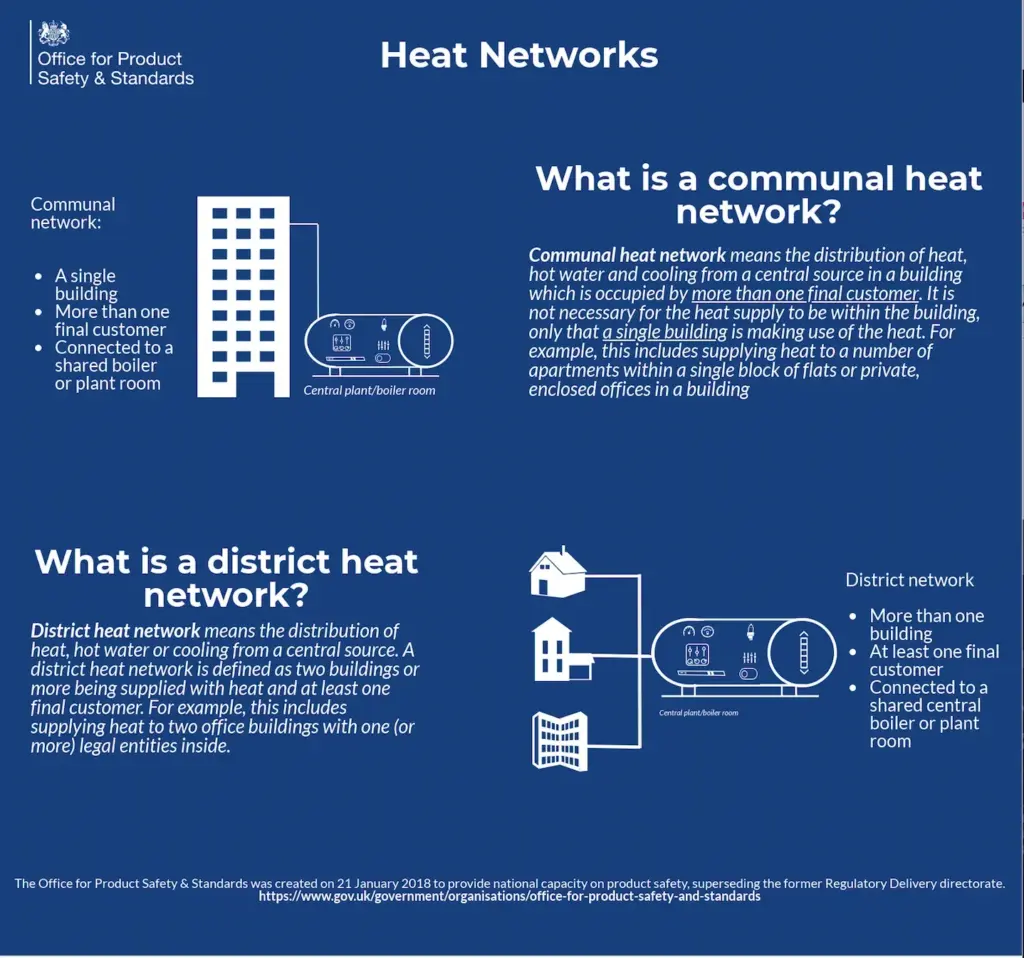
The recent implementation of heat network regulations marks a significant milestone for the governance of communal heating systems, often referred to as district heating setups. These networks distribute heating from a central source through insulated pipelines, serving many residents under a single energy provider, typically the landlord or property manager. While these systems promise efficiency, their regulation has been notably absent until now, leaving consumers vulnerable to unexpected charges. With the introduction of oversight from the energy regulator, Ofgem, there is a promise of enhanced consumer rights and clearer guidelines regarding heat network bills. This transformative approach is designed to empower residents, ensuring they aren’t unfairly burdened by costs while striving for greater transparency in their energy usage.
Understanding Heat Networks: A Need for Regulation
Heat networks, also referred to as district heating systems, play a critical role in providing centralized heating to homes and buildings, particularly in urban settings. The recent surge in the installation of these systems, with nearly three-quarters of new homes in London incorporating them, emphasizes their growing importance. However, without effective regulation, residents like Anja Georgiou have faced shocking bills and unclear pricing, underscoring the urgent need for oversight to protect consumers from unfair tariffs. Implementing heat network regulations is essential not just for financial transparency, but also for ensuring consistent service delivery and protection against price volatility.
With energy cost increases driven by global events such as the recent crisis stemming from the Russian invasion of Ukraine, the vulnerabilities of heat network customers have come into sharp focus. It is imperative that bodies like Ofgem not only oversee these networks but also establish clear pricing guidelines to prevent operators from exploiting market conditions. Recent oversight by Ofgem is a positive development, as it aims to regulate heat network bills and promote fair practices across the board. Consumers deserve clarity regarding their heating costs, especially as the government looks to expand the role of heat networks in achieving net-zero emissions by 2050.
Consumer Protection in Heat Networks: New Measures in Place
The introduction of new consumer protection measures by Ofgem marks a significant turning point for residents dependent on heat networks. Until recently, customers were left without clear recourse to challenge rising costs or poor service practices, often resulting in hefty surprise bills—like the shocking £200,000 heating bill faced by residents at River Gardens. Now, as a result of regulatory reforms, individuals connected to heat networks can expect improved communication, clearer billing practices, and immediate recourse should issues arise. This is crucial for the almost one million UK households utilizing these systems.
Furthermore, the establishment of the Energy Ombudsman to handle disputes related to heat networks is a pivotal advancement in consumer rights and protections. Previously, residents had limited avenues for addressing grievances, leaving many feeling powerless against unjust charges. Now, with the ability to escalate complaints, tenants and homeowners can challenge unfair practices and seek restitution for financial losses incurred due to inadequate service. This newfound support is poised to empower consumers, promote accountability among heat network operators, and ensure a fairer energy landscape.
The Impact of Heat Network Regulations on Energy Costs
As Ofgem steps in to regulate heat networks, there is a positive expectation that energy costs will become more manageable and predictable for residents. The past few years have seen shocking energy cost increases that have significantly affected households, particularly those reliant on heat networks, where prices can surge without the protections enjoyed by customers of traditional energy suppliers. With the new regulations, not only are operators required to provide transparency about their pricing structures, but they must also announce any tariff changes well in advance, shielding customers from abrupt increases.
Greater stability in pricing is expected to alleviate some of the financial burdens currently placed on households connected to heat networks. With the implementation of regulations, energy cost increases should become more controlled, while also encouraging heat network providers to seek competitive pricing strategies in sourcing fuel. As the industry adapts to these changes, consumers can hope for a more stable economic environment, which is particularly vital for those families wondering how to manage their heating expenses amidst rising living costs.
Challenges Ahead: Implementing Regulations in Practice
While the new regulations for heat networks raise hopes of better consumer protection, significant challenges remain in their implementation. Many residents have experienced firsthand the complications arising from poorly managed heat network systems, as seen with the contentious £200,000 bill at River Gardens. Transitioning to a regulated framework will require thorough and effective communication from operators, as well as adequate training for frontline staff to handle complaints and queries effectively. Moreover, robust enforcement mechanisms will be needed to ensure compliance among heat network providers.
Additionally, stakeholders in the heat network sector must work collaboratively to educate residents about their rights under the new regulations. There is a pressing need for outreach efforts that inform consumers about how to best navigate their energy agreements and offer guidance on challenging unfair charges. Building a transparent and responsive framework for addressing grievances will be essential to instill confidence within the community that taken steps towards regulation and oversight will translate into real improvements in service and accountability.
Addressing Disputes: Role of the Energy Ombudsman
The establishment of the Energy Ombudsman as a resource for residents on heat networks is a significant milestone in consumer advocacy. Previously, many individuals felt isolated when confronting billing disputes or service issues, often facing corporations with limited options for resolution. With the Ombudsman’s involvement, there is now a neutral, authoritative body that can investigate complaints and ensure fair treatment of consumers. This level of oversight is particularly beneficial for residents encountering challenges linked to sudden price increases, such as the illustrated cases of unexpected energy tariff changes.
Furthermore, the outreach by the Ombudsman signifies a shift towards a more consumer-centric approach within the heat network sector. Encouraging residents to report grievances not only helps to identify patterns of unfair billing but also demands accountability from heat network operators. Through this enforcement of consumer rights, there is hope for improved service standards and a more equitable energy sector that holds providers to the same standards that gas and electric companies uphold. Increased awareness and utilization of these services can empower residents by giving them a voice in the heat network dialogue.
The Future of District Heating: Growth and Challenges
District heating, or heat networks, represent a vital aspect of the UK’s energy transition strategy, aiming to reduce carbon emissions while providing affordable heating solutions. However, the increased regulation by Ofgem emphasizes that growth must be met with responsibility and consumer accountability. Implementing effective systems that ensure fair pricing while expanding the reach of heat networks will be crucial for achieving government climate targets. As demand for sustainable energy solutions rises, so too must the standards tied to their service delivery.
Despite these challenges, the future outlook for district heating remains optimistic. Efforts to increase transparency in service and billing practices will not only enhance consumer confidence but also drive more developers to adopt heat networks as a viable solution in new projects. Collaborating with local governments and stakeholders, companies expanding heat networks must focus on maintaining quality service to cater to an increasing number of residents drawn to environmentally-friendly heating alternatives. In fostering an environment of trust and reliability, district heating systems can aid in achieving collaborative success for communities and the environment.
Consumer Awareness: Navigating Heat Network Agreements
As the landscape of energy services evolves with the advent of heat network regulations, it is paramount that consumers remain well-informed about their agreements and rights. Many residents are unaware of the potential pitfalls associated with heat networks, including how quickly charges can change and how to verify the accuracy of their bills. Education on energy sources, procurement processes, and legal terms will be essential tools for consumers to hold operators accountable. Understanding the regulatory changes and their implications allows residents to be proactive, especially amidst unsettling situations such as unexpected debts.
Additionally, initiatives aimed at increasing consumer awareness can empower residents to participate in discussions regarding energy management and policy development. Building community forums and resources where consumers can share experiences, challenges, and strategies helps foster a collective voice, encouraging better practices from heat network providers. Ultimately, a well-informed public is crucial to demanding higher standards and ensuring that protections translate to meaningful changes in the marketplace.
Long-Term Predictions for Heat Networks in the UK
Looking forward, the future of heat networks in the UK is poised for transformation under the new regulatory frameworks. These changes aim to not only stabilize the existing systems but also expand the infrastructure necessary to support the government’s goal of increasing share from heat networks. As communities increasingly trend toward sustainable energy solutions, the demand for efficient heating systems that are both affordable and regulated will grow, pressing operators to innovate and improve their services accordingly. Ensuring regulatory compliance will be pivotal in driving this evolution.
While challenges persist, such as the need for robust consumer protection measures and price monitoring, the prospect of a well-regulated heat network sector is encouraging. The ongoing dialogue between consumers, regulators, and service providers will play a crucial role in shaping the policies that govern heat networks. By prioritizing consumer interests and emphasizing accountability, the industry can foster an environment that encourages growth and trust, securing a pivotal place for heat networks in the UK’s energy landscape as we work toward a sustainable future.
Frequently Asked Questions
What are the recent changes in heat network regulations in the UK?
Recent changes in heat network regulations were implemented by Ofgem on January 27, 2026, introducing oversight to ensure consumer protection in heat networks. These changes aim to shield customers connected to district heating systems from unfair price hikes and poor service, which have been prevalent in the absence of regulation.
How do heat network bills differ from traditional energy bills?
Heat network bills usually come from a communal energy provider, often the landlord, and differ from traditional energy bills as they are based on a central energy purchase for the entire building. Unlike domestic energy customers who benefit from the Ofgem price cap, heat network consumers may face significant price increases due to commercial energy rates.
What is the role of Ofgem in overseeing heat network regulations?
Ofgem’s role in overseeing heat network regulations includes monitoring pricing, ensuring fair billing practices, and providing intervention if consumers face unjust treatment. This regulatory framework aims to instill confidence among households connected to heat networks, ensuring they receive clear communication and reasonable service standards.
What consumer protections are available for heat network customers?
With the new regulations imposed by Ofgem, heat network customers gain essential protections, including transparent billing practices, the ability to raise disputes with the Energy Ombudsman, and a requirement that tariffs be announced 31 days prior to implementation. These measures are designed to improve the overall consumer experience in the heat network sector.
How have energy cost increases affected consumers on heat networks?
Energy cost increases have severely affected consumers on heat networks, particularly during recent crises, with some experiencing price surges of up to 450%. Without proper regulation until now, many residents of district heating systems were left vulnerable to rapid increases in their heat bills.
What should consumers do if they face unfair charges on heat network bills?
If consumers encounter unfair charges on their heat network bills, they should first contact their heat supplier for clarification. If unresolved, they can escalate the issue to the Energy Ombudsman for mediation or guidance, as the new regulations enable customers to seek recourse for disputes arising from billing issues.
Are there any future developments expected in heat network regulations?
Yes, further developments in heat network regulations are anticipated as Ofgem continues to refine its oversight. Future regulations may include price protection measures similar to the standard gas and electricity price caps, aiming to provide comprehensive safeguards for consumers.
How does the lack of regulation impact consumers living in heat networks?
The lack of regulation has historically led to consumers in heat networks facing unclear billing, unexpected charges, and limited recourse for disputes. This ongoing issue has highlighted the need for stringent regulations to protect residents from unfair practices and financial vulnerabilities.
What is a district heating system, and how does it operate?
A district heating system, also known as a heat network, operates by supplying heat from a central source through insulated pipes that carry hot water to multiple homes or buildings. Typically managed by the landlord or a freeholder, these systems aim to provide efficient heating to connected properties.
What changes do heat network customers need to be aware of with Ofgem’s regulation?
With Ofgem’s new regulations, heat network customers should be aware of improved transparency in billing, protections against excessive price rises, and enhanced rights to address disputes. These regulations are designed to ensure that consumers receive fair treatment and adequate information regarding their heating costs.
| Key Point | Details |
|---|---|
| Heat Network Overview | Heat networks supply centralized heating through pipes, commonly used in new builds. |
| Lack of Regulation | Until recently, over 1 million households lacked protection from poor service and price hikes. |
| Recent Developments | Ofgem started regulating heat networks on January 27, 2026, protecting customers from unfair practices. |
| Case Study | River Gardens residents faced a surprise £200,000 heating bill due to poor tariff management. |
| Shift in Pricing | Residents were informed of new tariffs leading to extra charges due to accumulated debt. |
| Legal Challenges | Affected residents, led by Calum Matheson, successfully challenged incorrect charges in a tribunal. |
| Future Regulation | The new rules include better communication, fair pricing, and transparent billing. |
Summary
Heat network regulations have become critically important for millions of households in the UK, especially after recent controversies over unexpected charges and poor service. As Ofgem takes charge, there is hope for fairer practices and improved consumer protection, ensuring that residents are shielded from significant price hikes and unclear billing.