
Listen to this article
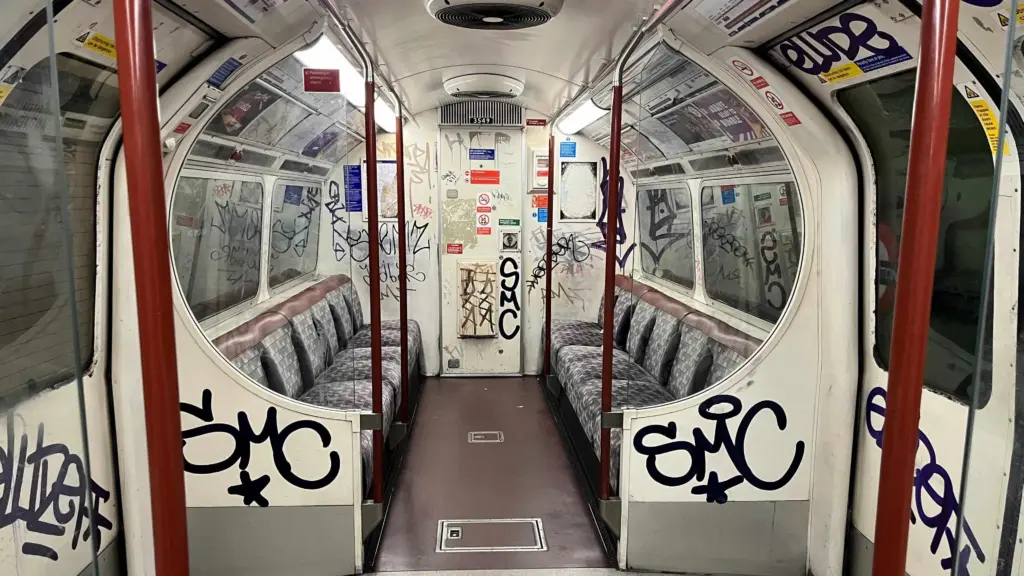
London Underground graffiti complaints have skyrocketed recently, causing significant concern among both Transport for London (TfL) and commuters alike. A staggering 2,000 percent increase in reported graffiti-related issues was noted in 2025, with the Central line bearing the brunt of these complaints. Vandalism incidents, particularly affecting the Bakerloo and Central lines, prompted TfL to adopt a strict “zero-tolerance approach” towards such acts. With nearly half of all complaints in 2025 relating to the Central line, it’s clear that graffiti poses a growing challenge to transport safety and aesthetics in London. To combat this trend, TfL has implemented innovative graffiti removal strategies alongside strengthened transport for London security measures, indicating a proactive response to vandalism on the Underground routes.
The rise in graffiti on London’s transit system has ignited a wave of frustration among passengers, with many calling for action against the ongoing vandalism that plagues the Underground. Often referred to as urban art when considered benign, these acts of destruction have become a major concern for TfL, especially along key lines like the Central and Bakerloo. This alarming uptick in defacement has led to extensive complaints from the public, urging for effective strategies to address these issues. As vandalism escalates, discussions surrounding prevention and accountability are more crucial than ever in ensuring a safe and appealing travel environment for all London commuters. Securing the integrity of the transport network while addressing public grievances will be an ongoing battle for transport authorities.
Understanding the Surge in London Underground Graffiti Complaints
The dramatic rise in graffiti complaints on the London Underground has become a pressing concern for Transport for London (TfL). In the past year, complaints surged by an astonishing 2,000 percent, highlighting a growing demand from passengers for cleaner, safer transit environments. The Central line, in particular, bore the brunt of these complaints, receiving nearly half of the total reported incidents. With 159 complaints registered, the magnitude of the situation emphasizes the urgency with which TfL needs to address this issue to restore commuter confidence.
The statistics speak volumes about the current state of vandalism on the Underground. From just 18 complaints in the previous two years to 364 in the current year, the trajectory is concerning. Furthermore, the Bakerloo line has also experienced significant complaints, totalling 77. This spike in reports not only reflects the extent of the graffiti problem but also acts as a call to action for TfL to enhance its security measures and remove vandalism efficiently.
TfL’s Zero-Tolerance Approach to Vandalism
In response to the overwhelming number of complaints, TfL has implemented a ‘zero-tolerance’ approach to vandalism, emphasizing the need for immediate and effective solutions. As part of its commitment, TfL has allocated £11 million specifically for the cleaning and restoration of affected areas. This substantial investment reflects the organization’s recognition of the substantial impact graffiti has on passenger experience and overall safety. Vandalism not only causes financial implications but also incites feelings of unease among commuters, which TfL is keen to address.
The FT is aware of the complexities involved in tackling this challenge. With criminal damage from graffiti constituting 12 percent of all reported crimes on the network, a comprehensive strategy is essential. This includes not only the removal of existing graffiti but also preventive measures to deter future incidents. Enhanced security measures and collaboration with the British Transport Police are critical to creating a safer travel environment, ultimately benefiting all passengers.
Graffiti Removal Strategies Implemented by TfL
TfL has developed a multifaceted strategy to combat the increasing incidence of graffiti vandalism on the Underground. This includes a robust security response aimed at both immediate deterrent actions and retrospective punitive measures against offenders. By actively collaborating with law enforcement, TfL hopes to foster a safer public transport system. The implementation of new technologies and surveillance measures plays a crucial role in the effectiveness of these strategies.
In addition to security enhancements, TfL is rigorously executing a graffiti removal program. The authority is proud to report achieving significant reductions in visible graffitis, removing thousands of tags each week. This proactive approach not only cleans the underground system but also sends a clear message to potential vandals that their actions will not be tolerated, serving to shift the perception of the London Underground into a secure and welcoming travel network.
Impact of Graffiti on Passenger Experience
Graffiti on the London Underground not only poses aesthetic concerns but also significantly affects passenger experience. As highlighted by TfL’s case officer, the presence of vandalism can lead to feelings of insecurity among users, detracting from the convenience of travel. Passengers expect clean and well-kept transit spaces, and deteriorating conditions can prompt them to seek alternative modes of transportation, thereby affecting ridership numbers.
A clean and well-maintained environment fosters a sense of pride and safety, essential for an effective public transport system. Understandably, those who utilize the Underground frequently are keenly aware of the current challenges posed by graffiti. This underscores the importance of TfL’s efforts in addressing complaints and making systematic improvements to not only retain existing customers but also to attract new ones.
The Role of Community in Reporting Graffiti
Community involvement plays a crucial role in mitigating graffiti issues on the London Underground. Passengers who are vigilant and proactive can contribute by reporting graffiti incidents promptly. Engaging the public in this manner ensures that TfL receives timely information, allowing them to allocate resources efficiently for removal efforts. Such community collaboration can prove instrumental in fostering a culture of respect for public property.
TfL encourages passengers to report any sightings of graffiti, reinforcing that collective responsibility is essential for maintaining a clean and safe environment. Utilizing various communication channels, such as social media and mobile applications, makes it easier for the public to inform authorities about these issues. In tandem with TfL’s existing strategies, a united front against vandalism can significantly reduce the prevalence of graffiti on the transport network.
Collaboration with Law Enforcement to Combat Graffiti
The collaboration between TfL and law enforcement agencies, particularly the British Transport Police, is a vital component in the fight against graffiti vandalism. This partnership not only aids in the immediate response to incidents but also involves comprehensive strategies to prevent future acts of vandalism. By sharing intelligence and resources, both parties can enhance their effectiveness in managing graffiti-related issues across the network.
Additionally, law enforcement may assist in tracking down repeat offenders and taking legal actions against them, thus establishing a deterrent effect. This alignment of efforts reinforces TfL’s strategy to create a safer, graffiti-free environment for passengers and workers. Ultimately, community synergy alongside trained professionals fortifies the transport system against such criminal acts.
Long-Term Solutions for Reducing Vandalism
Addressing the increase in graffiti complaints on the London Underground requires long-term solutions that go beyond immediate cleaning efforts. TfL has begun to explore innovative solutions that focus on preventative measures. These may include community engagement initiatives, educational campaigns, and involving local stakeholders in fostering pride in neighborhoods, which can effectively deter vandalism.
Long-term strategies may also involve partnerships with art organizations to transform undesirable graffiti into community art projects, providing young artists with legitimate avenues for expression while enhancing the aesthetic of the Underground. This proactive approach not only alleviates the graffiti problem but also cultivates positive relationships between the community and TfL.
Understanding the Costs of Graffiti Maintenance
The financial implications of maintaining a graffiti-free environment in the London Underground are significant. With an allocation of £11 million for graffiti removal, the costs reflect the extensive measures required to keep the transport system clean and secure. Maintenance expenses continue to rise alongside the volume of incidents, creating an ongoing financial burden for TfL.
Understanding these costs helps underline the need for effective strategies to reduce incidents altogether. It’s imperative for TfL to invest in reparative measures that not only respond to incidents but also prevent them proactively, ensuring that resources are not perpetually diverted toward cleaning and maintenance.
Conclusion: The Future of London Underground and Graffiti Management
As TfL navigates the alarming rise in graffiti complaints, the future will depend on its ability to adapt and implement effective solutions. The commitment to a zero-tolerance stance signifies a foundational shift in how the organization addresses vandalism, prioritizing safety and cleanliness for passengers. Moving forward, a combination of community collaboration, improved security measures, and comprehensive graffiti removal strategies will be critical.
To sustain these efforts, ongoing communication with passengers, transparent reporting channels, and strategic partnerships will be essential. As London continues to rise as a global metropolis, maintaining a pristine London Underground should remain a priority, ensuring a safe and enjoyable commuting experience for everyone.
Frequently Asked Questions
What complaints have passengers made regarding London Underground graffiti incidents?
Passengers have raised significant concerns about graffiti incidents on the London Underground, particularly on the Central line, which saw 159 complaints in 2025 alone. The rise reflects a broader issue, as overall complaints surged by 2,000 percent within a year.
How is Transport for London (TfL) addressing graffiti vandalism on the Central and Bakerloo lines?
TfL is implementing a ‘zero-tolerance approach’ to graffiti vandalism, focusing on both a robust security response and graffiti removal strategies. This includes allocating £11 million specifically for the cleaning of affected trains and areas.
Why are there so many complaints about graffiti on the Bakerloo line?
The Bakerloo line has received 77 complaints about graffiti, attributing to a trend of rising vandalism. The increase in graffiti incidents is indicative of broader criminal damage concerns on TfL networks, demanding immediate and effective responses.
What measures are in place by TfL to deal with complaints about graffiti and vandalism?
TfL has enacted a comprehensive graffiti removal strategy that includes regular cleaning operations and collaboration with the British Transport Police to prevent future incidents and address past offenses effectively.
What impact does graffiti have on passengers using the London Underground?
Graffiti not only causes significant damage to the transport infrastructure but can also make passengers feel unsafe. Complaints regarding graffiti reflect a growing concern over cleanliness and overall public safety on the London Underground.
How have London Underground graffiti complaints changed over recent years?
Graffiti complaints on the London Underground have dramatically increased, from just 18 complaints over the prior two years to 364 in just 2025—a rise driven primarily by incidents on the Central and Bakerloo lines.
What is TfL’s budget for managing graffiti removal on the Underground network?
Transport for London has dedicated £11 million to graffiti removal efforts, demonstrating a serious commitment to improving the cleanliness and safety of the London Underground amidst rising complaints regarding vandalism.
How is TfL working with law enforcement concerning graffiti incidents?
TfL is collaborating with the British Transport Police to both deter graffiti vandalism and take action against offenders, ensuring a multi-faceted approach to tackling the rise in graffiti complaints on the underground.
| Key Point | Details |
|---|---|
| Increase in Complaints | Complaints surged by 2,000% in 2025, with 364 recorded, compared to just 18 in 2023-2024. |
| Lines Most Affected | The Central line received 159 complaints, and the Bakerloo line had 77 complaints. |
| Criminal Damage Statistics | Criminal damage incidents related to graffiti doubled, making up 12% of all TfL crimes. |
| TfL’s Response | TfL has adopted a ‘zero-tolerance approach’ and allocated £11 million for cleaning efforts. |
| Future Strategy | A comprehensive strategy is in place to address graffiti, including collaboration with British Transport Police. |
Summary
London Underground graffiti complaints have dramatically escalated, forcing Transport for London (TfL) to implement a strict ‘zero-tolerance approach’ towards vandalism. With a staggering 2,000% increase in complaints over one year, TfL is striving to restore safety and cleanliness to its network through significant financial investments and partnerships with law enforcement.