Listen to this article
Smart motorways have emerged as a revolutionary approach to enhancing road efficiency and safety, yet their effectiveness is currently under scrutiny. Recent reports from National Highways reveal that many of these projects are not delivering the expected value for money, with only a small fraction meeting financial targets. Despite efforts to alleviate congestion through advanced traffic management technology, critics argue these schemes may not provide the anticipated safety benefits, leading to ongoing controversy around their implementation. The AA has voiced strong concerns, labeling smart motorways a “catastrophic waste of time, money, and effort,” highlighting the mixed evaluations of safety data associated with these routes. As smart motorways continue to be assessed for their performance and sustainability, understanding their costs and benefits becomes crucial for future infrastructure planning.
The concept of intelligent highways represents an innovative blend of technology and transportation management, designed to optimize traffic flow and reduce congestion. Also known as variable speed limit motorways, these intelligent systems aim to enhance the overall driving experience by utilizing real-time data to adjust lane availability and speed limits. However, they are often at the center of discussions regarding their value for money and safety implications. With the rise of dynamic hard shoulder schemes and all-lane-running routes, these roadways have sparked debate about their functionality and the effectiveness of their safety measures. Proper evaluation of these projects is essential to determine their impact on overall road safety and driver satisfaction.
Understanding Smart Motorways and Their Purpose
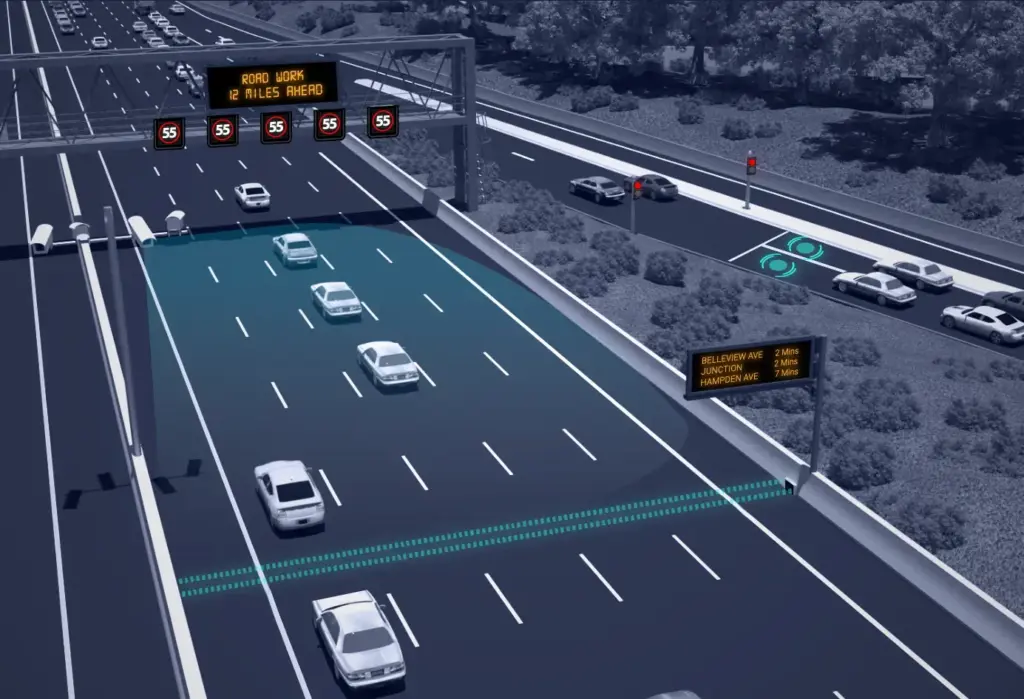
Smart motorways were introduced as a solution to the growing problem of traffic congestion on England’s motorways. They utilize sophisticated technologies, such as variable speed limits and traffic management systems, to optimize the flow of vehicles, aiming to decrease travel times and improve overall efficiency. By transforming conventional motorways into dynamic corridors, authorities hoped to provide significant benefits to road users through enhanced capacity and reduced delays.
Despite the initial promise, the anticipated outcomes have not been universally realized. Reports from National Highways reveal that of the sixteen smart motorway projects evaluated, only three were able to meet their financial objectives. While the traffic management aspect has shown some success in safety benefits, the overall effectiveness in delivering value for money has been a subject of heated debate.
Safety Concerns Surrounding Smart Motorways
Safety is a pivotal concern when discussing smart motorways, especially those that eliminate the hard shoulder entirely. Critics, including the AA, have raised alarms about the implications this has on breakdowns and accidents, as vehicles can become stranded in live lanes. Edmund King, president of the AA, characterized the safety record of these schemes as mixed, pointing out that while some controlled motorways improved safety, all-lane-running roads seemed to correlate with increased incidents of fatalities and severe injuries.
National Highways, however, asserts that their evaluations indicate these roads are still among the safest in the country, claiming lower collision rates compared to traditional motorways. This conflicting narrative highlights the importance of ongoing assessments on smart motorways’ safety impacts, arguing that while technological innovations may improve traffic flow, they could also introduce hazards that need careful management.
Economic Viability of Smart Motorways
The economic aspect of smart motorways has come under scrutiny, with many experts critiquing their value for money. The original investments, amounting to millions of pounds for schemes like the all-lane-running motorway on the M25, were based on optimistic projections of traffic growth and reduction in journey times that have largely failed to materialize. Even sections presumed to ease congestion have shown disappointing results, with some peak periods seeing slower travel.
These disappointing evaluations have led to calls for a reevaluation of the financial strategies behind these projects. The AA has deemed these schemes a “catastrophic waste of time, money, and effort,” indicating a growing frustration from both motorists and advocacy groups over the perceived failures of such high-stake investments.
Controversies Surrounding Smart Motorways
The implementation of smart motorways has sparked considerable controversy since their inception. The approach to managing traffic flow has been met with mixed reactions; while some appreciate the reduced congestion during certain times, others are alarmed by the elimination of the hard shoulder and the potential risks involved for stranded motorists. Public sentiment has shifted significantly, leading to heightened scrutinization from traffic safety advocates and various motorist organizations.
Criticism has intensified in light of reports highlighting fatalities associated with all-lane-running schemes, fueling debates that question whether the operational design of smart motorways is inherently flawed. Stakeholders, including government officials and highway authorities, are now faced with the dual challenge of addressing safety concerns while justifying the monumental investments in these projects.
Evaluating Smart Motorways’ Impact on Congestion
One of the primary appeals of smart motorways has been their potential to alleviate congestion on busy motorways. National Highways aimed to harness technology to adapt traffic flow dynamically, alleviating jams by managing speeds and lane availability. However, evaluations have shown that traffic growth did not meet the expectations set during the planning phases, leading to underperformance in managing congestion effectively.
The results have led to a perception that smart motorways may not significantly decrease congestion as desired, despite their technological advancements. Reports indicate that many motorists have not benefited from improved journey times, prompting a call for a comprehensive review of how effectively these systems are being implemented and whether better alternative solutions may exist.
Environmental Benefits and Challenges of Smart Motorways
Smart motorways were also touted as a means to enhance environmental sustainability by promoting efficient traffic flow and potentially reducing carbon emissions. The theory was that by decreasing congestion, vehicles would idle less, subsequently lowering pollution levels. National Highways have maintained that many of these schemes have succeeded in meeting environmental criteria, stating that their designs contribute to greener travel.
However, the realities of traffic management and environmental impact haven’t aligned with initial expectations. Though some studies suggest a reduction in emissions due to improved travel times, critics argue that the increased capacity can lead to more vehicles on the road, ultimately negating the intended environmental benefits. As a result, ongoing evaluations remain critical to truly understanding the efficacy of smart motorways in achieving their environmental goals.
Public Opinion on the Future of Smart Motorways
As smart motorways continue to face criticism and scrutiny, public opinion has become increasingly wary. Motorists have expressed concerns over safety and the value of investments made in these technologies. With the government halting further construction of new smart motorways, public sentiment reflects apprehension about whether these systems are ultimately enhancing road safety or simply complicating the driving experience.
The shifting narrative has prompted calls for transparency and better communication from authorities regarding the safety evaluations and economic assessments of these smart infrastructure projects. Stakeholders demand a reassessment of priorities in road development, advocating for solutions that prioritize both safety and financial prudence, thereby eliciting a need for dialogue between the government and the driving public.
Future Directions for Smart Motorways
Considering the current landscape of smart motorways, it is clear that re-evaluation and adjustment are essential for their future. The Department for Transport has indicated that no new smart motorway schemes will go ahead, which raises questions about the existing projects and their trajectories. The focus may need to shift towards improving safety protocols, refining operational techniques, and ultimately, ensuring that the existing infrastructures are being maximized to meet both safety and economic goals.
Moreover, moving forward, authorities must balance technological advancement with public trust. Engaging in open communication about the potential risks and providing transparent evaluations of smart motorways will play a crucial role in fostering an environment where innovation can thrive while ensuring the safety and satisfaction of all road users. A considered approach to smart motorway evolution will involve taking into account feedback from drivers, safety data, and value-for-money assessments.
Rethinking Traffic Management Strategies
The need to rethink traffic management strategies in the context of smart motorways has become increasingly evident. Authorities must consider alternative approaches that might provide the benefits of congestion management without compromising safety. Innovative solutions could involve the integration of additional technologies that allow for real-time monitoring of traffic conditions, combined with improved emergency response measures for disabled vehicles.
Additionally, exploring supplementary measures, such as expanding public transport or promoting ride-sharing, could diminish reliance on individual car usage and reduce traffic volumes. By innovating beyond the current smart motorway framework, it is possible to develop more comprehensive traffic management strategies that address both congestion and safety concerns effectively.
Final Thoughts on Smart Motorway Viability
In conclusion, the viability of smart motorways continues to evoke strong opinions and necessitates nuanced discussions regarding their safety, economic impact, and overall effectiveness. Continuous assessments and transparent evaluations are critical to ensure that these initiatives fulfill their original promises while addressing the growing concerns of motorists.
Moving forward, a reimagined approach that integrates stakeholder feedback and advances technology could pave the way for more user-friendly and safer road systems. By prioritizing both safety and economic efficiency, smart motorways may yet evolve into a valued component of England’s transport infrastructure.
Frequently Asked Questions
What are smart motorways and how do they improve traffic flow?
Smart motorways are advanced road systems designed to enhance traffic management and reduce congestion through technology. They utilize variable speed limits and overhead gantry signs to regulate traffic flow. These systems aim to maximize motorway capacity by allowing flexible use of lanes, which can lead to improved journey times and reduced delays.
What safety concerns exist regarding smart motorways?
There are significant safety concerns associated with smart motorways, particularly with all-lane-running schemes that eliminate the hard shoulder. Critics, including the AA, have reported a mixed safety record, citing instances of increased fatalities and serious injuries in some areas. While National Highways asserts that most evaluated schemes show lower collision rates, the evaluation methods have faced criticism for inconsistencies.
Why is there controversy surrounding the value for money of smart motorways?
The controversy regarding the value for money of smart motorways stems from recent assessments indicating that many projects have failed to deliver the expected financial benefits. For instance, several projects on the M25 and M6 have been rated as providing ‘very poor’ value for money due to lower traffic growth than anticipated, leading to fewer drivers benefiting from the changes than originally projected.
How do smart motorways affect journey times during peak traffic?
Smart motorways are intended to improve journey times during peak traffic periods by increasing capacity through the use of technology. However, evaluations have shown mixed results; in some instances, like the M6, journey times improved during morning rush hours but worsened during evening peak times, casting doubt on their overall effectiveness in managing congestion.
What is the current status of smart motorways in the UK?
As of 2023, the UK government has announced the cancellation of new smart motorway projects amidst rising safety concerns. However, existing smart motorways remain operational, and according to National Highways, they continue to be among the safest roads available, providing additional capacity and aiding in the reduction of carbon emissions.
How does National Highways assess the effectiveness of smart motorways?
National Highways conducts periodic reviews and evaluations of smart motorways to assess their performance against original objectives related to safety, environmental impact, and congestion reduction. These assessments aim to quantify the safety benefits and overall success of the smart motorway initiatives.
What are controlled motorways compared to all-lane-running smart motorways?
Controlled motorways operate similarly to traditional motorways but incorporate variable speed limits and dynamic signage. All-lane-running smart motorways, on the other hand, permanently use the hard shoulder as a live lane, which has raised safety concerns due to the risk of stranded vehicles in active lanes.
What do critics say about the safety and effectiveness of smart motorways?
Critics, including the AA, argue that smart motorways have not achieved their intended safety benefits and have led to increased risks for drivers. They point to specific instances where fatalities and serious injuries have risen, challenging the reliability of the safety evaluations conducted by National Highways.
What measures are in place for drivers experiencing breakdowns on smart motorways?
On smart motorways, drivers experiencing breakdowns are expected to drive to designated refuge areas located at regular intervals. However, there are concerns regarding the adequacy of these measures, especially on all-lane-running schemes, where vehicles may be left exposed in live traffic.
| Key Points |
|---|
| Many smart motorways are not delivering expected value for money. |
| Out of 16 projects, only 3 are on track to deliver anticipated financial benefits. |
| Safety benefits are consistent with original forecasts despite financial shortcomings. |
| Controlled motorways use overhead signs and variable speed limits. |
| Dynamic hard shoulder and all-lane-running schemes are controversial. |
| Critics describe these schemes as a “catastrophic waste of time and money.” |
| Safety record is mixed, with reports of increased fatalities in certain schemes. |
| Government canceled new smart motorways in 2023 after safety concerns. |
Summary
Smart motorways have been a contentious development in England’s road infrastructure, with new reports indicating they fail to provide the expected value for money. While these motorways were introduced to alleviate congestion and enhance traffic management, essential issues regarding safety and effectiveness have arisen. Current evaluations highlight that only a few projects meet financial expectations, despite delivering some safety improvements. As concerns mount over the mixed safety records of particular schemes, the government’s decision to halt new smart motorway construction reflects the urgent need for reassessment and transparency in evaluating these controversial projects.